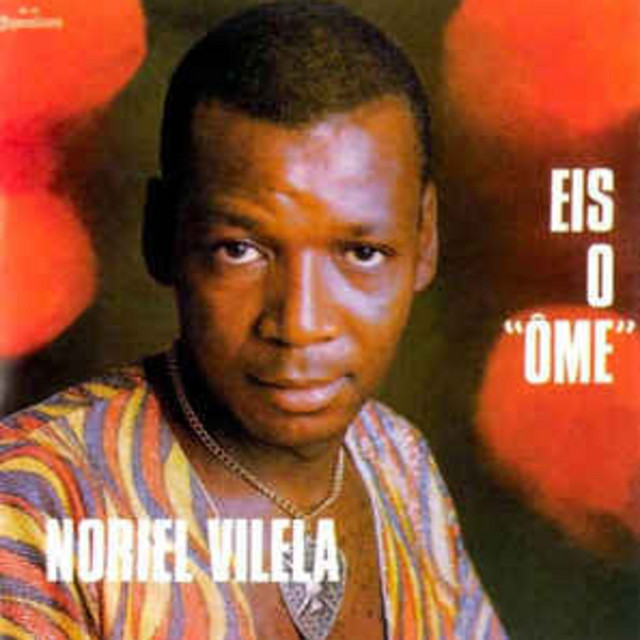
Eis o Ôme
Noriel Vilela
1969

Rankings
Why This Album Matters
Eis o Ôme, released in 1969, is the only solo album by singer Noriel Vilela and stands out as a singular work in Brazilian music, presenting a style that blends samba, samba-rock and elements of international "black music", such as soul. With his deep and distinctive bass voice, Noriel Vilela created a vibrant and danceable sound, which deviates from the conventional and plunges into an electrifying and groovy soundscape. The album is an uninterrupted explosion of lively rhythms, ingeniously combining the samba beat with the energy of rock and the depth of arrangements that include organ, drums, brass, wind instruments and electric guitar. Eis o Ôme is considered by many to be an underrated record and a true "relic" of MPB, deserving attention for its originality and the way Noriel Vilela explored his musical identity.
Context
In 1969, Brazil was living under the intensity of the military dictatorship, a period marked by great political repression, censorship and the promulgation of Institutional Act No. 5 (AI-5), which granted dictatorial powers to the president and suspended constitutional guarantees. In this turbulent scenario, art frequently manifested indirectly, and popular music, such as samba-rock, emerged as a form of cultural expression that, even without direct opposition, carried in its essence the energy and resilience of the Brazilian people. Before Eis o Ôme, Noriel Vilela built his vocal career as part of the group Nilo Amaro e Seus Cantores de Ébano in the 60s, where his deep bass voice already stood out. His humble origins, having worked as a mechanical lathe operator before dedicating himself fully to music, add a layer of authenticity to his artistic trajectory and musical expression.
Recording
The album Eis o Ôme was released in 1969 by the Copacabana record label. The musical arrangements that enriched the record's unique sound were conceived and executed by Maestro Carioca. The album's instrumentation is notable for its "funky sixties organ", drums, brass, wind instruments and the occasional presence of electric guitar, in addition to a baritone saxophone and bass clarinet that complemented Noriel Vilela's deep voice.
Songs
The twelve tracks on Eis o Ôme are a deep dive into themes profoundly rooted in African-matrix religiosity, especially Umbanda. Songs such as "Promessado", "Saravando Xangô", "Meu caboclo não deixa", "Acredito sim" and "Pra Iemanjá levar" are replete with references to orixás like Xangô and Iemanjá, and their lyrics bring devotional prayers and the mysticism of the terreiros. The title track, "Só o Ôme" (also known as "Eis o Ôme"), stands out for its atmosphere of mystery, with allusions to crossroads and rituals. Although the album's biggest commercial success was "16 Toneladas", a Portuguese version of the North American classic "Sixteen Tons" by Merle Travis and Ernie Ford, some analyses suggest that the record's other tracks, with their strong identity and thematic depth, are the true jewels of the work.
Legacy
Eis o Ôme is Noriel Vilela's only solo studio album, making it a central piece in his discography. The record achieved significant commercial success at the time, receiving two gold discs and selling approximately 200,000 copies. The song "16 Toneladas" became the singer's biggest hit and continues to be remembered, having enjoyed a "cult revival" among sambalanço fans, being re-recorded and used in commercials years after its original release. Despite its importance and its recognised success by critics and the public at the time, the album is considered by some to be underrated, highlighting the enduring value of its tracks and its contribution to the fusion of musical genres in Brazil.
Tracks
Podcasts
Episódio perdido do Maniçoba, gravado no carnaval de 2019 e publicado apenas em 2021. Lado A Trinta e três. Carnaval em Olinda e no Rio de Janeiro. Temática afro-religiosa. Sete anos de Maniçoba Podcast. Webrádio musicália. Merle Travis e Ernie Ford. Propaganda da Heineken. Funk como le Gusta. Compacto Só o Ôme. Clementina de Jesus. Cultura do disco de vinil e discos que são fetiche. Peabiru. Nilo
Books
Analyses
"Eis o omê", de Noriel Vilela por Nasi, vocalista do Ira!
cultura.uol.com.br
On Wednesday (12th), "Dissonantes" covers a rare album from 1969, which was rediscovered in the 2000s due to the track "16 toneladas" re-recorded by samba-rock groups, including Funk Como Le Gusta.
Discos Escondidos #002: Noriel Vilela - Eis o "Ôme"
ojardimeletrico.com
Utilising his unmistakable voice, the themes of Umbanda and plenty of brass in its songs, Eis o "Ôme" is considered by this writer to be an essential album of MPB and samba.
Noriel Vilela - Eis o "ôme" (1968) | cenaindie
cenaindie.com
An authentic and engaging musical experience that continues to inspire and move listeners of all generations. Discover the cultural richness and unique musicality of Noriel Vilela in this iconic album.

Wild Sounds From Brazil: Noriel Vilela - Eis O Ôme
djfaffas.blogspot.com
LISTEN ON SOUNDCLOUD If there is anything that can embody the slang 'samba do crioulo doido', it is certainly a samba sung by Noriel Vilela. The album 'Eis o ôme' marked the return and sole solo recording of one of samba's most original voices.
Noriel Vilela - Eis o Ôme - SOUL ART
soulart.org
Noriel Vilela, the "carioca" from Lins, also known as Noriel Arantes, released his solo album Eis o Ôme in 1968 via Odeon, at the beginning of Umbanda's golden era and amidst the Black artistic revolution of the 60s and 70s, where, in addition to samba, carnival took the direction it has today.