Acabou Chorare
Novos Baianos
1972

Rankings
Why This Album Matters
Acabou Chorare, Novos Baianos' second studio album released in 1972, is a fundamental milestone of Brazilian counterculture in the 1970s, emerging in a period of strong international influence in Brazil and in the face of the civil-military dictatorship. The album is a work of remarkable versatility, fusing the expressiveness of Jimi Hendrix's guitar with the Brazilian spirit of Assis Valente and the marked influence of João Gilberto, who acted as the group's mentor. The album's central proposal is to criticise the melancholy that dominated Brazilian popular music of the time, injecting joy, pleasure and playfulness. The work's sonic beauty lies in the fusion of instruments such as cavaquinhos and acoustic guitars, typical of choro and samba, with electric guitars, all permeated by João Gilberto's Bossa Nova touch. The album's title and the eponymous track reflect this intention, inspired by a story about Gilberto's daughter, Bebel, and her childlike way of expressing the end of crying.

Masterpiece by Novos Baianos, Acabou Chorare was born from the collision between the group and João Gilberto.
Marcus Preto · Rolling Stone Brasil
Context
Before Acabou Chorare, Novos Baianos, formed by Pepeu Gomes, Paulinho Boca de Cantor, Luiz Galvão, Baby Consuelo and Moraes Moreira, had already released É Ferro na Boneca (1970), a work that, despite relative success, was still searching for an identity. After playing together in Salvador in 1969, the group moved to Rio de Janeiro in 1971, where the band's hippie and "long-haired" behaviour led them to seek a more discreet and natural place, away from the city centre. The group's journey led them to a country house on the road to Jacarepaguá, the Cantinho/Sítio do Vovô, adopting a communal hippie lifestyle. In this setting, seeking musical protection, Galvão contacted João Gilberto, who would become their mentor and main influence, reconnecting the group with the musical roots of Bahia and Brazil. Gilberto's frequent visits, who was also a fan of Tropicália, choro, afoxé, trio elétrico and Jimi Hendrix, were crucial to Novos Baianos' new sonic direction, as they began to incorporate the "real samba" of Assis Valente.
Recording
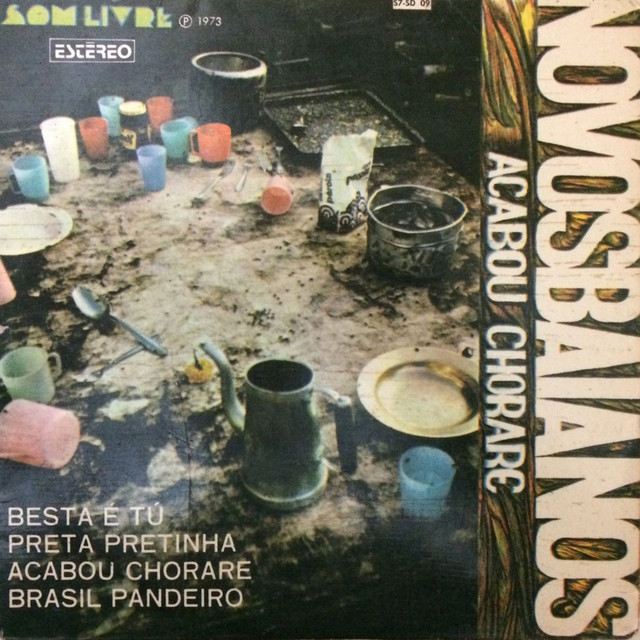
The album Acabou Chorare was conceived and recorded amidst the communal lifestyle of Sítio do Vovô, in Jacarepaguá, where the entire band lived with friends and relatives. The group's routine was marked by daily compositions, rehearsals and exercises, creating an atmosphere of joyful "chaos" which, according to Moraes Moreira, directly influenced the music. The album cover, a table with messy plates and utensils, symbolises this musical blend and the group's collective spirit, having received the award for best graphic production of the year in 1972, with art signed by Antônio Luis Martins, known as Lula. The process of developing the album's musical language lasted two years, with João Gilberto providing suggestions and touches. Life at the country house was the rehearsal itself, resulting in an album that, having been so practised daily, sounded as if it were "under the fingers", recorded on four tracks. Sound engineer Paulo César Salomão, who lived at the country house, was fundamental to the production: without resources for new guitar parts, he refined the sound of Pepeu Gomes's instrument by carving it and attaching capacitors from a family television set. This "television trick" was notable in the "buzzing stridency" of the track "Bilhete Para Didi" and in the solo of "Mistério do Planeta". Salomão also transformed the country house's chicken coop into a studio, installing amplifiers and loudspeakers on tree branches, where the group, who valued music as a serious matter despite their exotic behaviour and drug use, achieved impeccable tuning in their blend of acoustic and electric. After precarious recordings by Polygram, Som Livre, owned by João Araújo, who would later be known as Cazuza's father, funded the production of Acabou Chorare at Sítio do Vovô, boosting Novos Baianos' career.
Songs
The songs on Acabou Chorare reflect the album's sonic and ideological synthesis, with Moraes Moreira and Pepeu Gomes acting as arrangers. The opening track, "Brasil Pandeiro", was suggested by João Gilberto, a samba by Assis Valente that Carmen Miranda had originally refused. The album's title and the eponymous track were inspired by a conversation Gilberto had about his daughter, Bebel, who, as a child in Mexico, would say "acabou chorare" to console herself, symbolising the album's proposal to bring joy to MPB. "Preta Pretinha" quickly became a national success, while "Besta é Tu" and "Tinindo Trincando" dominated the country's radio stations. "Tinindo Trincando" is pointed out as a fine example of the fusion of baião with psychedelic rock, a trademark of the group. The "buzzing stridency" of "Bilhete Para Didi" and the solo on "Mistério do Planeta" are standout moments that illustrate the album's sonic innovations, such as the "television trick" applied to Pepeu Gomes's guitar, who also excelled playing the craviola.

Following an old artistic migration route, the group Novos Baianos moved to Rio de Janeiro in 1971, settling into a legendary penthouse apartment on Rua Conde de Irajá, in Botafogo. Older compatriots, such as João Gilberto, Glauber Rocha and Caetano Veloso, passed through its doors.
Arthur Dapieve · 300 Discos Importantes
Legacy
More than five decades after its release, Acabou Chorare maintains its status as one of the most important and influential albums in Brazilian popular music. Its fame is accompanied by widespread critical acclaim. The album's impact is evident in the new generation of musicians, especially singers such as Vanessa da Mata, Marisa Monte, Céu, Roberta Sá and Mariana Aydar, who drew from its creative source. In 2007, Rolling Stone Brasil magazine, in its selection of the 100 greatest albums in Brazilian music, placed Acabou Chorare in first position, consecrating it as a masterpiece by scholars, producers and journalists.
Tracks
Credits
João Araujo
Moraes Moreira, Pepeu Gomes
Eustáquio Sena
Baby Consuelo, Moraes Moreira, Paulinho Boca De Cantor
Pepeu Gomes
Moraes Moreira
Baby Consuelo
Dadi
Dadi
Luís Bolacha
Jorginho Gomes
Baixinho
Baixinho, Jorginho Gomes
Pepeu Gomes
Paulinho Boca De Cantor
Joel Cocchiararo
Antonio Luiz
Podcasts
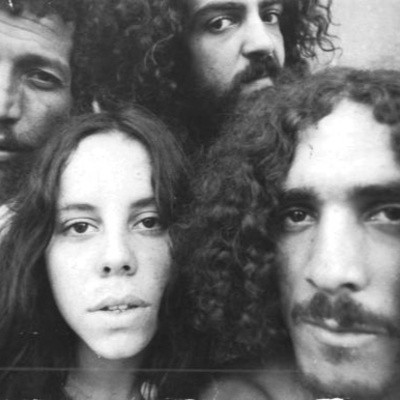
Brazuca Sounds · Leandro Vignoli
In episode #34 we continue our series celebrating albums released 50 years ago with the masterpiece "Acabou Chorare", released by Novos Baianos in September 1972. The album was listed as the best Brazilian album of all time by Rolling Stone magazine published in 2007. Inspired by several meetings with Joao Gilberto in the group's communal house outside Rio, the album focused on their Brazilian roo
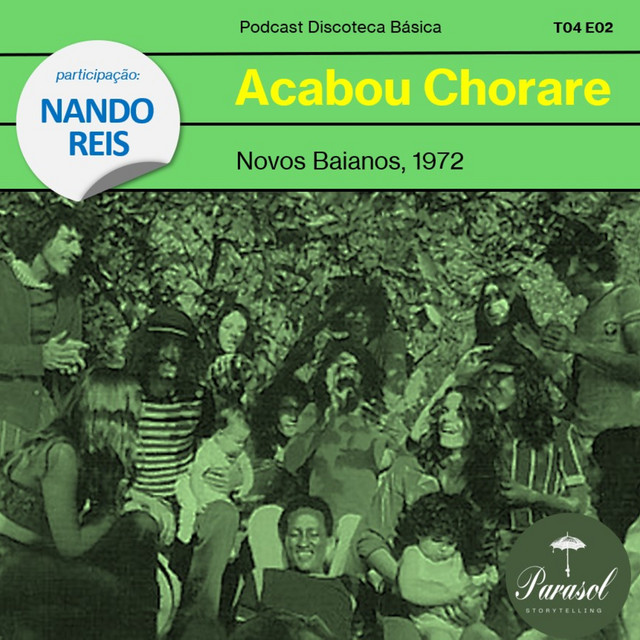
Discoteca Básica Podcast · Parasol Storytelling
A HORA DESSA GENTE BRONZEADA MOSTRAR SEU VALOR. Juntando música brasileira com a música universal, melodia e contracultura, os Novos Baianos fizeram o segundo maior álbum brasileiro da história, segundo a eleição promovida pelo “Discoteca Básica”. Convidado do episódio: Nando Reis. Assinante do Clube Discoteca Básica tem conteúdo exclusivo. Nesta semana, preparamos um especial a respeito do incr

Adega Musical · Andre Valdez
ENTRE CONFETES E SERPENTINAS HOJE É DIA DE REVISITAR E CELEBRAR A OBRA DOS VELHOS NOVOS BAIANOS"Minha carne é de carmaval, meu coração é igual..."O programa de hoje, literalmente e musicalmente falando, traz à baila "Acabou Chorare", um dos mais icônicos LP's da música popular brasileira. Considerado pela crítica especializada como um dos mais importantes e influentes trabalhos da indústria fonogr
Roda de conversa sobre os melhores discos que completam 50 anos em novembro de 2022. Participação de Daniel Rezende e Lúcio Brancato. Produção e apresentação de Eduardo Osorio. Entre para o nosso clube: https://benfeitoria.com/projeto/clubedomusicatessen 10 MELHORES DISCOS DE NOVEMBRO DE 1972 1º) Acabou Chorare (Novos Baianos) 2º) Transformer (Lou Reed) 3º) Can’t Buy A Thrill (Steely Dan) 4º
PodCália · Gigola
Se a tarefa fosse escolher um disco que representa a música brasileira para colocar em uma capsula e lançar no espaço, não seriam poucas as pessoas que escolheriam o Acabou Chorare. É uma obra que define a MPB, pois bebe na água do tropicalismo, da bossa nova, do samba, do choro e muito mais. É uma mistura de tudo que é diferente, ao mesmo tempo que soa diferente de tudo. Nesse episódio, Pepeu "Gi
Videos
"Acabou chorare" - Novos Baianos | Os melhores discos da MPB nos anos 70 | Alta Fidelidade
Alta Fidelidade
3000 Best Albums [2872] Os Novos Baianos - Acabou Chorare (1972) Dan's Mini Album Review
Dan's Mini Album Reviews
OS 50 ANOS DE ACABOU CHORARE DOS NOVOS BAIANOS | ALBUM REVIEW
Som de Peso
[ELEITA REVISTA ROLLING STONES] Novos Baianos Acabou Chorare melhor disco MPB
Discomaníacos
ACABOU CHORARE (1972) / História do disco
Historiando sons
Novos Baianos | Review do álbum Acabou Chorare (50 Anos) | Pitadas do Sal | Podcast Musical
Pitadas do Sal
Films

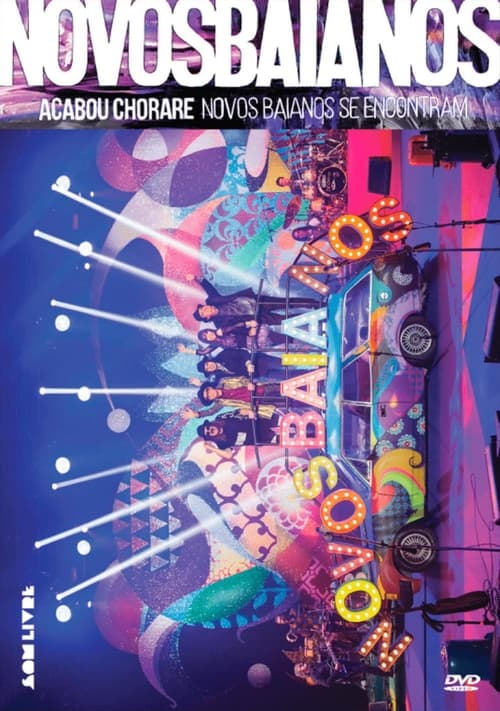
Acabou Chorare Novos Baianos se Encontram
2017
Novos Baianos are back together and have news for fans. Following their success in the 70s, when they were at their peak and immortalised songs in the history of Brazilian music, Baby do Brasil, Moraes Moreira, Pepeu Gomes, Paulinho Boca de Cantor and Luiz Galvão are back with the project "Acabou Chorare: Novos Baianos se Encontram". The new release features live versions of classics from the historic 1972 album, voted in 2007 by Rolling Stone as the greatest Brazilian music album of all time, and other career and MPB hits. Recorded in Rio de Janeiro in March 2017, the show was directed by Andrucha Waddington and Mini Kerti, with production by Conspiração Filmes, and cinematography by Fernando Young.
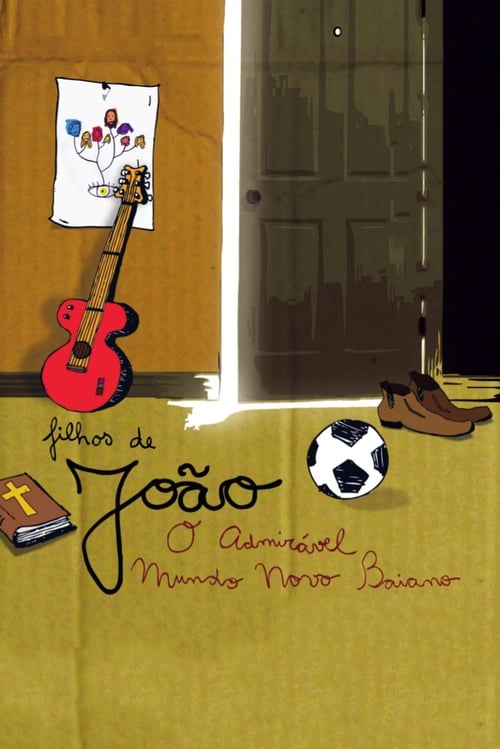
Filhos de João, O Admirável Mundo Novo Baiano
2011
A panorama of Brazilian popular music from the 60s and 70s through the musical group Novos Baianos. A retrospective of the community lifestyle adopted by its members and the influence inherited from singer João Gilberto.
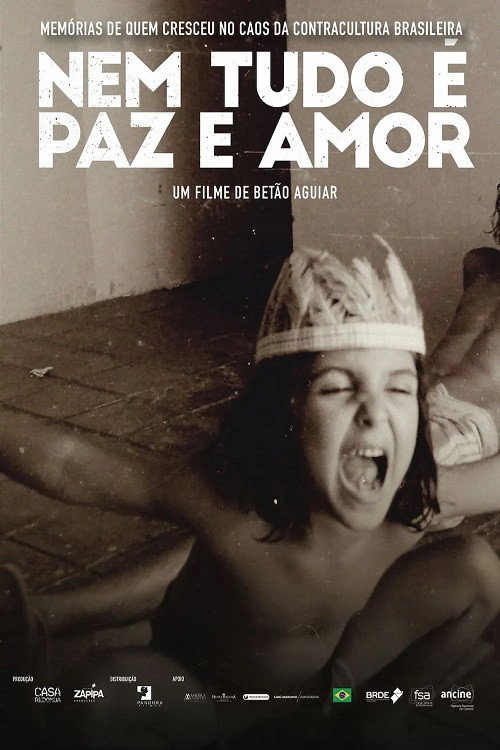
Nem Tudo é Paz e Amor
2026
The children of the counterculture reflect on the upbringing given by their parents. Psychedelia, drugs, sex and resistance against the dictatorship mix with nappies, baby food and schoolwork. From a privileged point of view, they observed the beauty, the ruptures and the contradictions of endless freedom. Directed by Betão Aguiar, son of Novo Baiano Paulinho Boca de Cantor, the film evokes the spirit of the era, and asks: how much courage is needed to navigate the traumas and the wonders of growing up in the chaos of the artistic and behavioural revolutions of the counterculture?
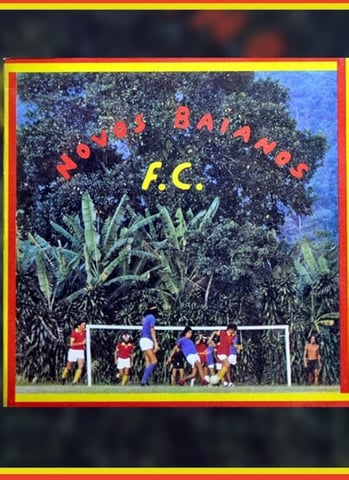
Novos Baianos F.C.
1973
Novos Baianos F.C.: Directed by Solano Ribeiro. Featuring Paulinho Boca de Cantor, Baby do Brasil, Luiz Galvão, Pepeu Gomes. After releasing the classic Acabou Chorare, the Novos Baianos began to live ju...
Books
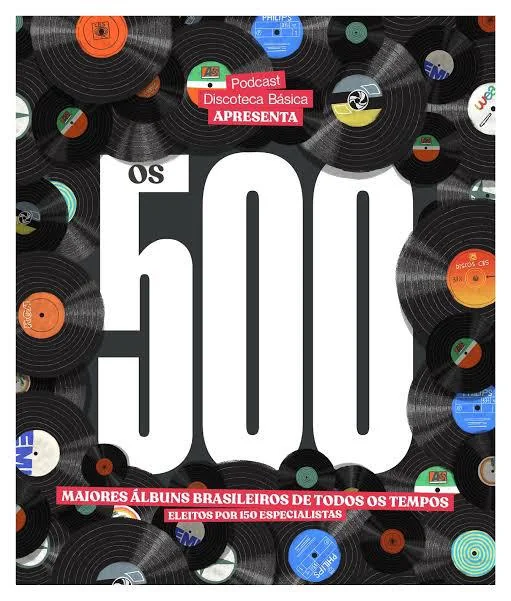
Os 500 Maiores Álbuns Brasileiros de Todos os Tempos
Ricardo Alexandre · 2022
The largest Brazilian music election ever conducted: 162 specialists, spanning journalists, critics, musicians, producers and podcasters, each nominated 50 essential albums, supported by a masterlist of more than 2,000 works. Led by Ricardo Alexandre with tabulation by Sérgio Jomori, it was published in December 2022 as a 200-page hardcover book with graphic design by Fernando Pires.
Acabou chorare
Marcio Gaspar · 2020
This book shares the album's title and offers a profound analysis of its creation. It describes how, in 1972, Novos Baianos created in Rio, between the apartment on Conde de Irajá and Sítio do Vovô, a record that would become a landmark, establishing Bahia as a hub of musical modernity for Brazil and the world. It is a direct and detailed study of the album.

A Visita de João Gilberto aos Novos Baianos
Sérgio Rodrigues · 2019
In this book of short stories, Sérgio Rodrigues explores the universe of MPB, including a story that portrays a 'encontro mitológico' between João Gilberto and Novos Baianos. Given João Gilberto's known impact on the sound and conception of the album 'Acabou Chorare', this book offers a cultural and creative context directly relevant to the study of the album.
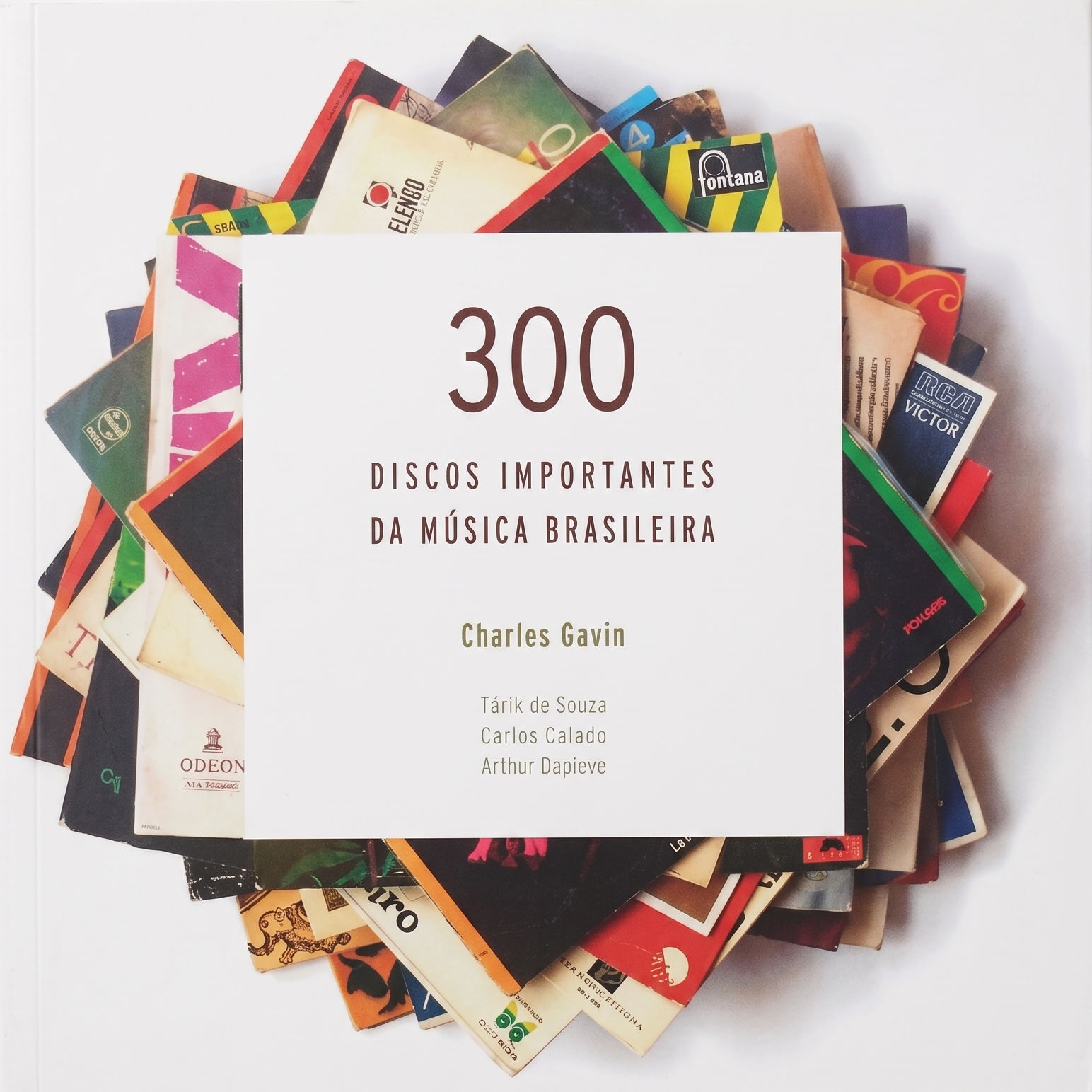
300 Discos Importantes da Música Brasileira
Charles Gavin, Tárik de Souza, Carlos Calado, Arthur Dapieve · 2008
Conceived by Titãs drummer and musical researcher Charles Gavin, the 434-page book brings together covers and reviews of albums released between 1929 and 2007. The texts were written by journalists Tárik de Souza, Arthur Dapieve and Carlos Calado.
A história dos Novos Baianos e outros versos
Moraes Moreira · 2007
Written by Moraes Moreira, a founding member of Novos Baianos, the first part of this book narrates the band's history in verse, in the *cordel* style. The second part features Moraes Moreira's song lyrics with comments. As a work by a key member of the band, it is a primary and essential source for understanding the trajectory of Novos Baianos and, consequently, the creative context of their most iconic album, 'Acabou Chorare'.
Analyses
Acabou Chorare – Wikipedia
Wikipedia, the free encyclopaedia
Acabou Chorare – The 100 Greatest Albums of Brazilian Music
Marcus Preto · Rolling Stone Brasil
Masterpiece by Novos Baianos, Acabou Chorare was born from the collision between the group and João Gilberto.
Novos Baianos - Acabou Chorare review by martysarc - Album of The Year
albumoftheyear.org
Diving into 2002 and 1972 exposed me to a handful of fantastic Brazilian albums, though none of them got me hooked like Acabou Chorare here. In many ways, it stands up against Ziggy Stardust as the best album of '72, even without the same level
Novos Baianos - Acabou Chorare (album review ) | Sputnikmusic
sputnikmusic.com
Novos Baianos - Acabou Chorare review: One of the most popular and influential albums of Brazilian music
Acabou Chorare (1972) Novos Baianos - by Luciano Siqueira
meusdozemais.substack.com
The second album by Novos Baianos, Acabou Chorare, released in 1972, is a work that needs no introduction. It features at the top of practically every list of the greatest albums in Brazilian music, and that is no coincidence.