O Filho de José e Maria
Odair José
1977
Rankings
Why This Album Matters
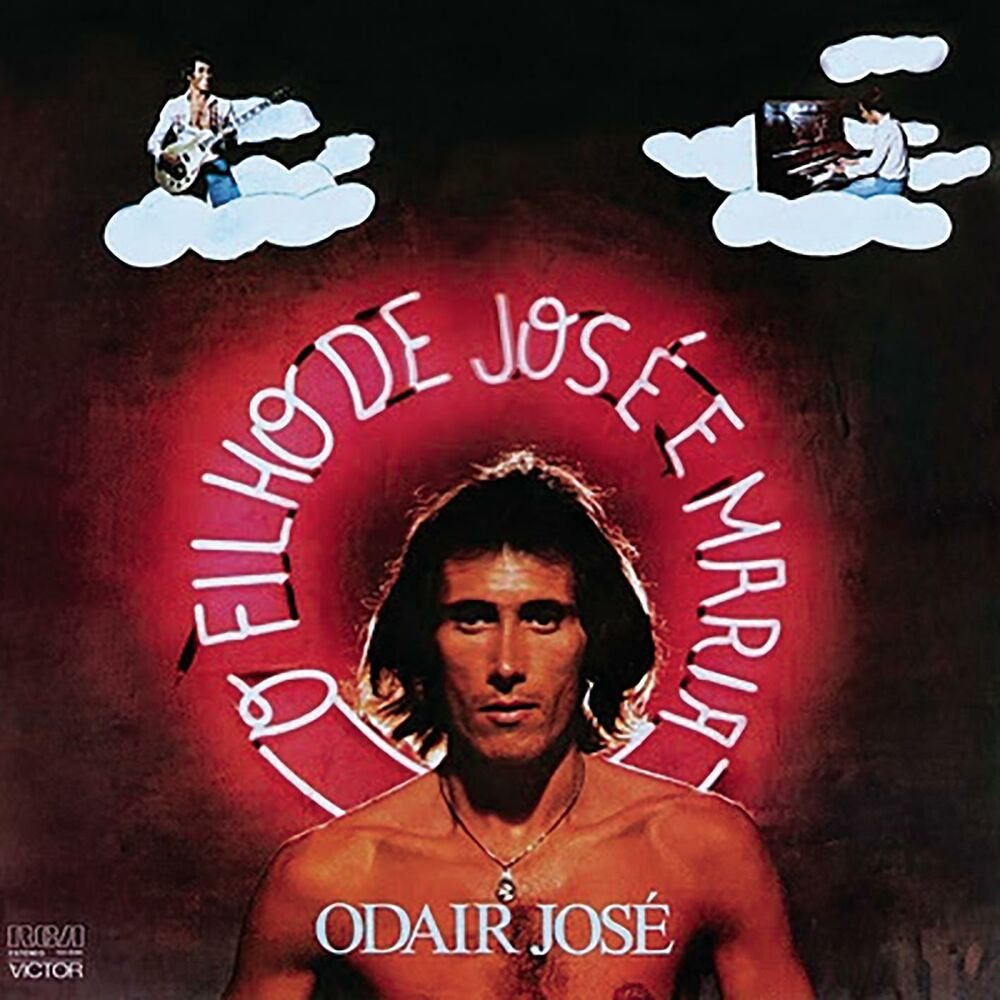
O Filho de José e Maria represents a singular landmark in Odair José's discography, radically departing from his consolidated romantic-popular style. Released in 1977, this conceptual album delves into a daring and provocative narrative, which journalist Mauro Ferreira, in 2017, classified as "a primeira ópera-rock do universo pop nacional". Its sound, enriched by the participation of the band Azymuth, incorporates soul elements, distancing it from the artist's previous productions. The work stands out for its protagonist, a kind of contemporary Jesus Christ, who traverses a complex life journey. The narrative explores themes such as drug involvement, questioning sexuality, and the search for the fullness of happiness after years of loneliness and social rejection. This ambitious and conceptually dense project is influenced by writers such as Gibran Kalil Gibran and rock names like Joe Walsh, Humble Pie, Jeff Beck, and Peter Frampton, showcasing an experimental and innovative facet of Odair José.
Context
In the mid-1970s, Odair José was a prominent figure in Brazilian music, known for his commercial success and for being one of the top-selling artists, cultivating a career focused on the popular romantic genre. Attached to Polygram, an imprint of the defunct Philips record label, the artist harboured a desire to create a double album with 24 songs, which would chronologically tell the story of a protagonist from birth to death. However, Philips' producers resisted the idea of a double album, especially due to its controversial theme. This refusal led Odair José to transfer to the RCA Victor label, which, although permitting the album's release, limited it to only 10 of the 24 initially planned tracks.
Recording
The album O Filho de José e Maria was recorded and mixed on 16 channels at the RCA Victor studios, located in Rio de Janeiro. The production featured artistic direction by Durval Ferreira and artistic coordination and studio direction by Guilherme Araújo. The technical team was comprised of Stélio Carlini, Eduardo Rapetti, and Mário Jorge Bruno as recording engineers, and Luiz Carlos T. Reis on mixing. The cutting work was carried out by José Oswaldo Martins and Pedro Fontanari Filho. The technical credits also highlight artwork by Rodrigo Argollo Ferrão, photography by Ivan Klingen, and graphic coordination by Ney Tavora. Odair José led the project with his vocals, acoustic guitar, and electric guitars, accompanied by talented musicians. The band Azymuth, for example, contributed significantly to the album's soul sound, with Ivan Conti "Mamão" on drums, Alex Malheiros on bass, and José Roberto Bertrami on organ, clarinet, and Arp. String. Other instrumentalists included Don Charley on string and brass arrangements, Jaime Alem and Hyldon on electric and acoustic guitars, José Lanforge with voice-box and harmonica, and Robson Jorge on Fender Rhodes piano.
Songs
The ten tracks of O Filho de José e Maria narrate the journey of a protagonist who resembles a contemporary Jesus Christ, whose life path extends from birth to death. The theme is audacious and explores profound social and personal issues, such as involvement with drugs, doubts about one's own sexual condition, and the eventual acceptance of sexuality at 33 years old, culminating in the fullness of happiness after long years of loneliness and rejection. One of the songs that generated great controversy was "O Casamento", which proposes that Joseph and Mary were not married at the time of their son's conception and that they separate in the course of the story. The lyrics, in their entirety, seek to subvert conventions and provoke reflection on morality and identity, characteristics that marked the album's distinctive and innovative character.
Legacy
Released in May 1977, O Filho de José e Maria faced an extremely negative reception, deeply displeasing the Catholic Church and resulting in threats of excommunication for Odair José, partly due to songs like "O Casamento". The album became Odair's biggest commercial failure of that decade, being ignored by the public and vehemently criticised by music critics. After this failure, Odair José returned to his romantic-popular style, but never again achieved the commercial success he had previously enjoyed. The artist himself commented on the period, stating that people began to question his ability to sell records, but that, in a way, this pressure was liberating. Despite the initial failure, the album was later re-evaluated; in 2017, journalist Mauro Ferreira referred to it as "a primeira ópera-rock do universo pop nacional", indicating a reinterpretation and valorisation of its artistic daring over time.
Tracks
Credits
Durval Ferreira
Dom Charles
Guilherme Araujo
Odair José
Alex Malheiros
Mamão
Hyldon
Jaime Alem, Odair José
José Roberto Bertrami
Robson Jorge
José Lanforge
José Oswaldo Martins, Pedro Fontanari Filho
Luiz Carlos T. Reis
Eduardo Rapetti, Mário Jorge Bruno, Stelio Carlini
Rodrigo Argollo Ferrão
Ney Tavora
Ivan Klingen
Podcasts

Disco Voador · Ramon Duccini
Continuando a Série Astrolábio, onde iremos investigar, através de entrevistas, maravilhosos discos brasileiros que se tornaram objeto de culto no exterior, trazemos o quinto episódio, em plena sexta-feira santa, falando sobre esse polêmico álbum lançado em 1977. Eu, Ramon Duccini, sou um grande fã do Odair José e do disco O Filho de José e Maria e a participação dele nesse programa é como um so
Silêncio no Estúdio Podcast · Silêncio no Estúdio
Odair José é músico, é popular e é brasileiro. Mesmo assim, nunca lhe foi reservado um lugar de destaque entre os grandes nomes da tal MPB, esse rótulo usado geralmente para definir uma música supostamente sofisticada e reservada a um grupo privilegiado. A Odair e a outros, injustamente, foi determinado um espaço na dita música brega, termo geralmente pejorativo usado para artistas realmente popul

Ostiodaletra · André Lopes; Fred Werthmuller Júlio Watanabe, Hélio Guadalupe
Ao som de riffs de guitarra e linhas de baixo dançantes, Ostiodaletra comentam o fabuloso álbum O filho de José e Maria, de Odair José.
Books
Álbum 2 - 1972 a 1978
Pedro Alexandre Sanches · 2022
This volume in the 'Álbum' series proposes to retell the history of Brazilian music through its records, focusing on the period from 1972 to 1978. Journalist and music critic Pedro Alexandre Sanches revisits the creations that marked this era, becoming a valuable source for understanding the context and impact of albums such as 'O Filho de José e Maria', released in 1977.
Os 500 Maiores Álbuns Brasileiros de Todos os Tempos
Ricardo Alexandre · 2022
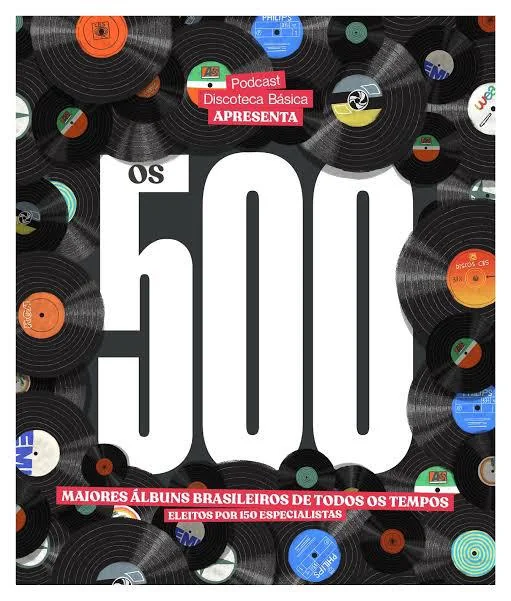
The largest Brazilian music election ever conducted: 162 specialists, spanning journalists, critics, musicians, producers and podcasters, each nominated 50 essential albums, supported by a masterlist of more than 2,000 works. Led by Ricardo Alexandre with tabulation by Sérgio Jomori, it was published in December 2022 as a 200-page hardcover book with graphic design by Fernando Pires.
Analyses
O Filho de José e Maria – Wikipedia
Wikipedia, the free encyclopaedia
A Little Respect: Odair José - O Filho De José E Maria [1977]
consultoriadorock.com
The project resulted in O Filho de José e Maria, a conceptual album whose protagonist, the son of José and Maria, is a young man who suffers from his parents' separation during childhood, becomes involved with drugs, and questions his own sexual condition.
Revisitando Meus Clássicos: Odair José - O Filho de José e Maria (1977)
monkeybuzz.com.br
This provocative idea was Odair José's inspiration for creating his boldest album. A success on Brazilian radio stations and record shop shelves during the 1970s, the Goiano decided to make a courageous turn in his career and released O Filho de José e Maria in 1977.
"O filho de José e Maria": Odair José conta a história de seu disco ...
radios.ebc.com.br
This week on the programme Festa do Disco, journalist Cibele Tenório welcomes singer and songwriter Odair José for a conversation about his album "O Filho de José e Maria", the famous "cursed album" released by the artist in 1977 on the RCA label.

Baú do Mairon: Odair José - O Filho de José E Maria [1977]
baudomairon.blogspot.com
The project resulted in O Filho de José e Maria, a conceptual album whose protagonist, the son of José and Maria, is a young man who suffers from his parents' separation during childhood, becomes involved with drugs, and questions his own sexual condition.