Odair José
Odair José
1973

Rankings
Why This Album Matters
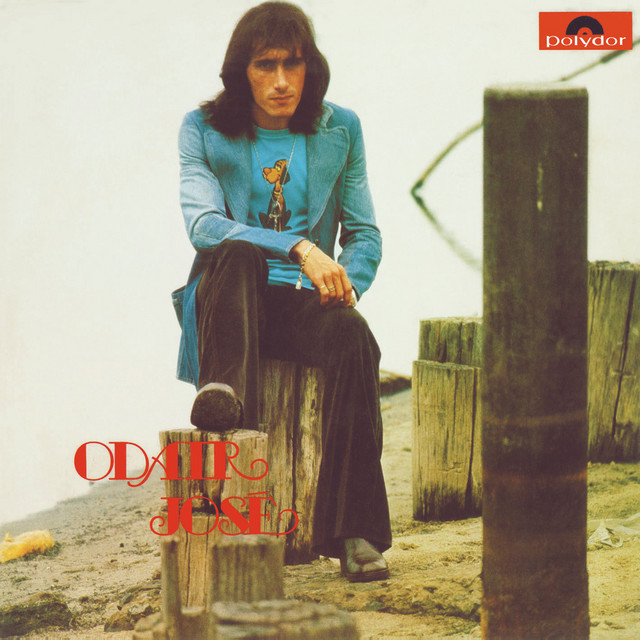
The album Odair José, released in 1973, is a landmark in Brazilian popular music, consolidating the artist's identity as the "singer of truth". Without filters, Odair José delved into everyday themes, addressing complicated loves, social conflicts, and moral dilemmas with a sincerity that would become his trademark. This work stands out for its innovative sound for the era, blending elements of Jovem Guarda with romantic and popular influences, creating an engaging and direct atmosphere. The record demonstrated an almost perfect fusion of everyday chronicles and sophisticated sounds, with modern and elaborate arrangements, making it both innovative and popular. It is a faithful portrait of an era and an artist who did not hesitate to explicitly and didactically address romantic afflictions, ordinary problems, and social taboos, elevating popular music to the status of a social chronicle.
Context
In the early 1970s, Odair José had already emerged on the Brazilian music scene, gaining popularity with lyrics that spoke directly to people's hearts about love, betrayal, and desire. Before this album, he had already experienced success and the attention of censorship with songs like "Eu Vou Tirar Você Desse Lugar" (1972), which narrates a passion for a prostitute. Released in the midst of Brazil's Military Dictatorship, the 1973 album faced a scenario of strong repression and state control over cultural productions, especially those that challenged the prevailing morals and good customs.
Recording
The album was released in 1973 by the Polydor label, which was part of the Phonogram record company. This transition of record companies, from CBS to Philips (which housed Polydor for popular artists), already indicated a period of greater artistic freedom for Odair José. The production of the record featured the participation of excellent musicians, some of whom would go on to form the renowned band Azymuth, in addition to the contribution of Hyldon. This collaboration resulted in modern and well-crafted melodies and arrangements, lending the record a sophistication that united with its popular appeal.
Songs
The songs on the 1973 album Odair José stand out for portraying urban daily life and giving a voice to often-ignored professionals, as in the opening track "Deixe Essa Vergonha De Lado", which features a domestic worker as the protagonist. "Uma Vida Só (Pare de Tomar a Pílula)" was one of the record's biggest successes, becoming a hit despite being targeted by censorship for, ironically, going against a government birth control campaign. Other notable tracks include "Eu, Você e a Praça", which also featured among the most played, and "Em Qualquer Lugar", censored for its allusions to sexual desire. The lyrics are marked by their direct and narrative language, explicitly and didactically addressing romantic afflictions, ordinary problems, and social taboos, often confronting the hypocrisy of the era.
Legacy
Initially, the album Odair José generated controversy and, like much of the artist's work, was often pejoratively classified as "brega" by more conservative critics, although it achieved immense popularity with the public. Songs like "Uma Vida Só (Pare de Tomar a Pílula)" and "Em Qualquer Lugar" were banned by censorship, but this, in a way, only amplified their reach. Over the years, Odair José's work, and this album in particular, was revisited and re-evaluated by music critics and researchers. The 1973 record is today considered a key piece for understanding the cultural and social conflicts of that period, recognising Odair José as a chronicler of deep Brazil. Recognition culminated in the 2000s, with re-issues of the record and tributes by new generations of artists. In 2005, the Deckdisc label released a tribute featuring names from the Brazilian alternative scene, such as Zeca Baleiro and Pato Fu, performing Odair José's hits, consolidating his aesthetic and symbolic influence on Brazilian music.
Tracks
Podcasts
Sons e Histórias · Daniel Queiroz
Raildo Vasconcelos, Junior Beatle e Daniel Queiroz comentam e contam curiosidades sobre o disco do "cronista social" Odair José
PODCAST MUTANTE · Bode da Mutante
1973: O Som de uma Era Brasileira - Edição limitada – 50 anos, o melhor de 1973. Embarque conosco em uma viagem musical única e nostálgica de volta a 1973, um ano repleto de música que marcou gerações no Brasil. Nosso programa especial, intitulado '1973: O Som de uma Época Brasileira', mergulhará fundo nos álbuns que definiram aquele momento no cenário musical brasileiro. Exploraremos os 50 álbuns
Books
Analyses
Odair José - 1973
recordandobrega.com.br
"1973" is not just an album — it's a faithful portrait of an era and an artist who wasn't afraid to speak his mind. An essential record for anyone wishing to discover the essence of Odair José and understand why he became one of the most significant names in Brazilian music.
Odair José - 1973 - Brega Blog
bregablog.com
Review: Goiás native Odair José's 1973 album needs no introduction. I invite you to look at the tracklist below the cover and enjoy the LP's 12 hits. Let's go!
"Odair José" (1973), Odair José - A música de
amusicade.com
Hits aside, the 1973 album, like much of Odair José's work, features songs that depict the daily lives of urban dwellers and professionals often overlooked in the national songbook.

Música Das Antigas: Odair José - (1973) Odair José
musicadasantigas.blogspot.com
Like Elvis, the Beatles, Roberto Carlos, James Brown, the Ramones, RPM, Madonna, Metallica, Mamonas Assassinas, or Eminem, Odair José also attracted love and hate throughout his long career — embedding hits in the popular imagination that still help us reflect on the nature of our prejudices.
Odair José - Discografia 1970 - 2019 - lobal.com.br
lobal.com.br
1971 - Odair José 1972 - Assim Sou Eu 1973 - Casteliano 1973 - Odair José 1974 - Amantes 1974 - En Castellano 1974 - Lembranças