Egito Madagascar
Olodum
1987

Rankings
Why This Album Matters
Released in 1987, Egito Madagascar is Olodum's first LP, marking the phonographic debut of one of the most important Afro-Brazilian blocos. The album quickly won over the public in Bahia and nationally, driven by the success of the song "Faraó". This inaugural work not only introduced the group's vibrant and contagious sound to Brazil, but also served as a declaration of their roots and purposes. Egito Madagascar was conceived to honour African ancestry, celebrating "Mama África" and revealing to the world Olodum's genesis, from primal drumming to the influences of African deities and cultures, expressing the richness and strength of Afro-Brazilian identity.
Context
Olodum was founded on 25 April 1979, in Maciel-Pelourinho, Salvador, Bahia, initially as a carnival bloco to provide leisure for local residents. From 1983, it also consolidated itself as a non-governmental organisation of the Brazilian Black movement, working on socio-community fronts. With a strong commitment to combating racial discrimination, the group stimulates self-esteem and Afro-Brazilian pride, advocating for the civil and human rights of marginalised people. The release of Egito Madagascar in 1987 took place against this backdrop of cultural effervescence and social engagement from the group, which sought to express its identity and message through music.
Songs
The track "Faraó" was the major highlight of Egito Madagascar, elevating the album to considerable success in Bahia and across the country. The song exemplified Olodum's ability to blend rhythms and narratives that celebrate African culture. The album's repertoire, as a whole, reflects the central idea of honouring the group's roots and "Mama África". The compositions aim to show Brazil and the world Olodum's origin, exploring ancestral drumming and the influences of African deities, elements that would become hallmarks of their musical identity.
Legacy
Egito Madagascar was the catalyst for Olodum's recognition in the music scene, marking the beginning of their rise to fame. The resounding success, especially with the song "Faraó", projected the group beyond Bahia's borders, making them known throughout Brazil and, shortly after, internationally, as a prominent Afro-Brazilian percussion group. Following the album's release, Olodum undertook extensive tours across various European countries, Japan, and almost all of South America. Their notoriety opened doors for significant collaborations with world-renowned artists, such as Paul Simon on the track "The Obvious Child" (1990) and Michael Jackson on "They Don't Care About Us" (1996), solidifying their global reputation and the dissemination of their unique blend of rhythms including African drumming, reggae, samba, and Latin rhythms. The innovation of Neguinho do Samba and Mestre Jackson, responsible for creating the "samba-reggae" that characterised Olodum's sound, also had its foundation during this period, paving the way for many of the group's subsequent successes.
Tracks
Books
Pedagogia Olodum
Mara Felipe · 2024
Pedagogia Olodum – Epistemologia do Samba-Reggae offers a historical account of Olodum's struggles and achievements, highlighting it as a group that produces anti-racist pedagogical expertise, preliminary to the promulgation of Law 10.639/03. In a simple, relaxed, yet philosophical manner, this book speaks with researchers and everyone who wishes to learn more about the history of Olodum.
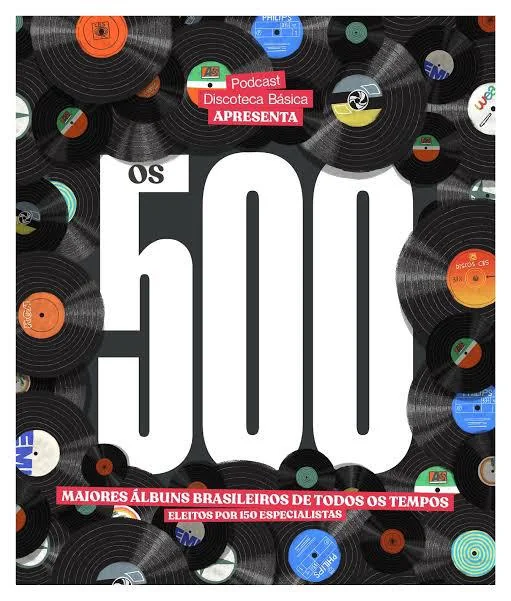
Os 500 Maiores Álbuns Brasileiros de Todos os Tempos
Ricardo Alexandre · 2022
The largest Brazilian music election ever conducted: 162 specialists, spanning journalists, critics, musicians, producers and podcasters, each nominated 50 essential albums, supported by a masterlist of more than 2,000 works. Led by Ricardo Alexandre with tabulation by Sérgio Jomori, it was published in December 2022 as a 200-page hardcover book with graphic design by Fernando Pires.

300 Discos Importantes da Música Brasileira
Charles Gavin, Tárik de Souza, Carlos Calado, Arthur Dapieve · 2008
Conceived by Titãs drummer and musical researcher Charles Gavin, the 434-page book brings together covers and reviews of albums released between 1929 and 2007. The texts were written by journalists Tárik de Souza, Arthur Dapieve and Carlos Calado.
Analyses

Zero G Sound : Olodum - Egito Madagascar (1987) - Blogger
zerosounds.blogspot.com
Music melts all the separate parts of our bodies together.- Anais Nin Donnerstag, 22. August 2019 Olodum - Egito Madagascar (1987) Olodum is a cultural activism group created with the objectives of fighting racial discrimination and socioeconomic inequality.
Os 35 anos de Olodum Egito Madagascar - Canal EPraxe
e-praxe.com.br
The album chooses Egypt - one of the cradles of civilisation - as a point of contact to discuss social issues that traverse the socio-political relations permeating the daily life of Salvador's capital and extends to social problems common to the Brazilian nation.
Olodum - Egito Madagáscar (1987) - musicasdonordeste.net
musicasdonordeste.net
Egito Madagáscar is Olodum's first album and also the one that established the group's sound standard: a dry, complex and markedly cyclical percussion.
Banda Olodum - Olodum
olodum.com.br
The Olodum Band emerged in 1987 and debuted in the music market with the release of their first album "Egito Madagascar", an album that became renowned due to the success of the song "Faraó - Divindade do Egito".
Olodum - Egito Madagascar - Ouvir todas as 10 músicas
ouvirmusica.com.br
Come and listen to "Madagascar Olodum", "Ladeira do Pelô", "Olodum Florente Na Natureza" and many other songs from the album Olodum - Egito Madagascar!