Orquestra Afro-Brasileira
Orquestra Afro-Brasileira
1968
Rankings
Why This Album Matters
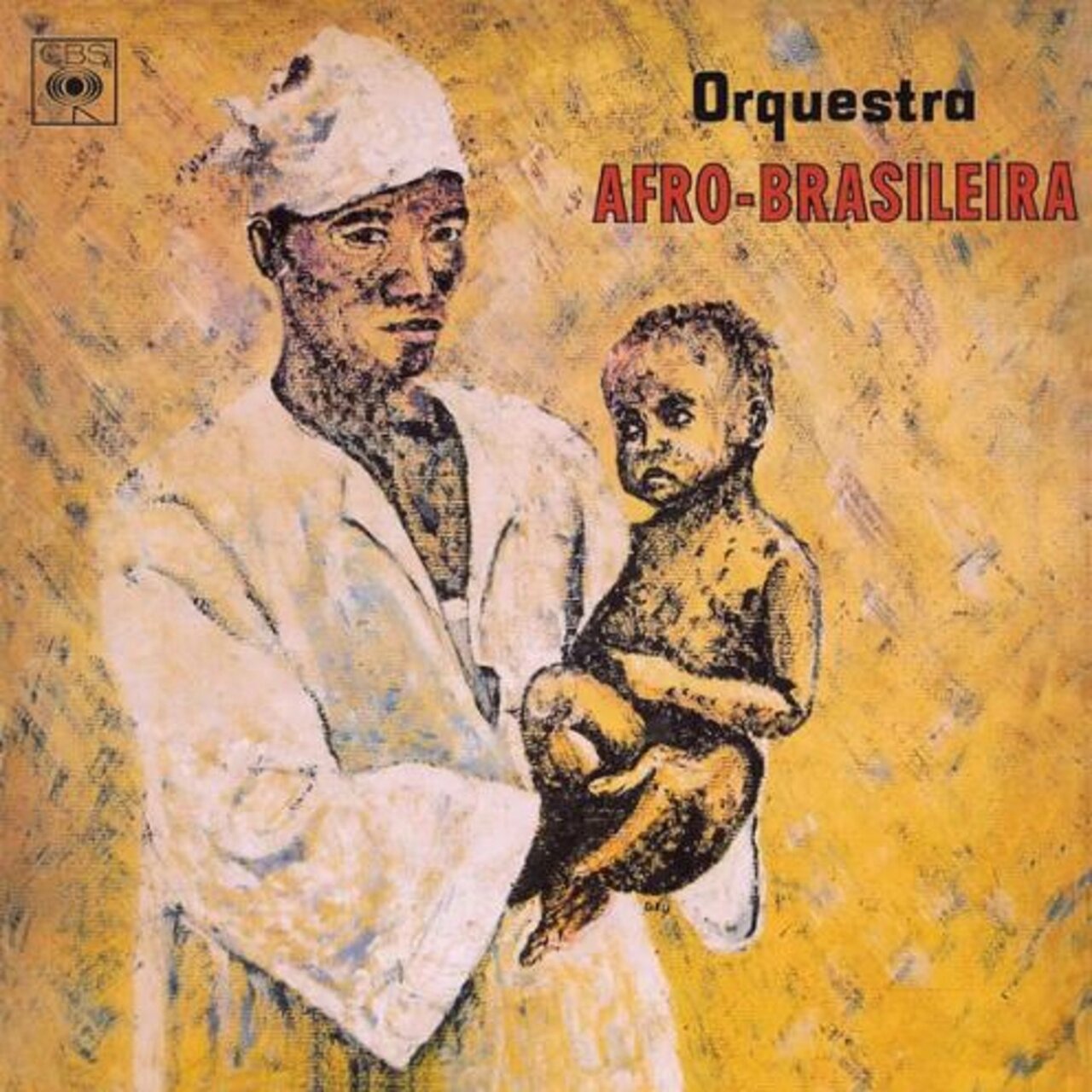
The album Orquestra Afro-Brasileira, released in 1968 by the eponymous ensemble led by maestro Abigail Moura, is a seminal work in Brazilian music, standing out for its innovative fusion of elements. It represents a vanguard effort in the appreciation and dissemination of Black culture and memory in Brazil, blending Western orchestral sophistication with the richness of African and Afro-Brazilian rhythms and instruments. This unique work combines wind instruments such as trumpets, trombones, and saxophones with a traditional percussion section that includes agogôs, atabaques, urucungos, and others, creating a powerful and spiritual sound. The Orchestra's music transcends entertainment, being a true cultural manifesto that honours the Orixás and Afro-Brazilian religious traditions through ritualistic chants and expressive arrangements.
Context
The Orquestra Afro-Brasileira was founded in 1942 by maestro Abigail Moura with the purpose of studying, preserving, and disseminating Afro-Brazilian culture through music. Over almost thirty years of activity, the group performed around one hundred shows and released only two records, with the 1968 album being the second. The year 1968 in Brazil was marked by intense political and social effervescence, with the tightening of the military dictatorship and the flourishing of counterculture movements and protest music that sought new forms of expression and awareness. In this scenario, the Orquestra Afro-Brasileira, with its bold and culturally profound proposal, presented a work which, although not directly a political protest in the vein of the 'engajada' MPB songs of the time, was in itself an act of resistance and celebration of Black identity.
Recording
The album was released by the CBS label in 1968. All twelve tracks on the record were composed by maestro Abigail Moura, who led the orchestra. The line-up of Orquestra Afro-Brasileira was notable for its diversity, comprising approximately twenty-five musicians who blended Western wind instruments, such as saxophones, trumpets, and trombones, with a rich percussion section composed of African and Afro-Brazilian instruments like urucungo, angona-puíta, agogô, gonguê, rum, rumpi, lê, and afoxê. Abigail Moura was known for conducting Afro-Brazilian religious rituals before performances, making offerings to the atabaques and performing herbal baths, transforming the stage into a sacred space and imbuing the performances with a ritualistic intensity. These practices underscored the group's commitment to reverence for divinity and African ancestry.
Songs
The 1968 album features twelve compositions, all authored by Abigail Moura. Among the tracks are "Agô Lonan", "Tire o Calundú", "Índia", "Palmares", "Babaloxá", "Canto Para Omulú", "Mo-fi-la-do-fê", "Saudação aos Orixás", "Xangô", "Nagana", "Os Oinho de Iaiá", and "Rei N'aruanda". The lyrics of the songs, chanted in languages such as Bantu, Nagô, Nheengatu, and Portuguese, reinforce the ritualistic character and connection to African-matrix religions, celebrating the Orixás and cultural heritage. The sound is marked by polyrhythm, a central characteristic of African and Afro-Brazilian music, combined with brass arrangements that dialogue with jazz. Each song is an exploration of percussive and melodic richness, which, according to accounts, was often preceded by explanatory texts in live performances to contextualise the audience about the rituals and the Black life the orchestra sought to express.
Legacy
Considered a classic and a true national treasure, the 1968 album Orquestra Afro-Brasileira was a landmark in Brazilian popular music. However, its proposal, considered exotic and challenging, meant it did not reach a mass audience at the time, mainly attracting a Black bourgeoisie and a musical elite. Today, the Orchestra's records are considered rare and valuable pieces for collectors and scholars. Despite the dissolution of the orchestra with Abigail Moura's death in 1970, the group's legacy and the influence of its recordings persist. Subsequent initiatives, such as the Orquestra Afrosinfônica da Bahia and Orkestra Rumpilezz, cite Orquestra Afro-Brasileira as a fundamental inspiration, attesting to its relevance in the continuous reinterpretation and appreciation of Afro-Brazilian music. More recently, in 2021, a remix album, "80 Anos (Remixed)", featuring various contemporary artists, reaffirmed the enduring influence and creative potential of Orquestra Afro-Brasileira's work for new generations of musicians and listeners.
Tracks
Credits
Hélcio Milito
Books
Analyses
O legado da Orquestra Afro-Brasileira é celebrado em disco
arte-factos.net
Two albums - Obaluayê (1957) and Orquestra Afro-Brasileira (1968) - were enough for the Orquestra Afro-Brasileira to forever mark its history in music. Born in 1942, in Rio de Janeiro, the result of a love story of its founder Abigail Moura, it remained active until 1970.
Orquestra Afro-Brasileira - musicapopular.org
musicapopular.org
Orquestra Afro-Brasileira Discography (2003) Obaluayê - Orquestra Afro-Brasileira CD (1968) Orquestra Afro-Brasileira • CBS LP (1957) Obaluayê - Orquestra Afro-Brasileira • Todamérica LP Back to Artists ------ Copyright © 1998-2025 MusicaPopular.org ----- webmaster contact
PDF Década de 1940: o florescimento da Orquestra Afro-Brasileira através ...
anppom.org.br
The aim of this work is to organise and reconstruct the memory of the Orquestra Afro-Brasileira using contemporary journalistic coverage as a primary source. For better illustration, the data has been organised into three tables: performances, orchestra members, and repertoire.