Jardim Elétrico
Os Mutantes
1971
Rankings
Why This Album Matters
Jardim Elétrico, the fourth album by the iconic Brazilian band Os Mutantes, released in 1971, represents a high point in the group's trajectory, consolidating its experimental and inventive sound. This singular work is a vibrant fusion of elements from Tropicália, psychedelic rock and forays into progressive rock, demonstrating the band's undeniable ability to transcend genres and create its own challenging musical universe. The album stands out for the balance between Os Mutantes' characteristic irreverence and the density of more electric and complex textures, featuring distorted guitars, studio experimentations and captivating vocal harmonies, which intertwine with the unique chemistry of Rita Lee, Arnaldo Baptista and Sérgio Dias. With the officialisation of the quintet formation, including Liminha on bass and Dinho Leme on drums, the group reaches a new level of technical and creative maturity, maintaining the relentless pursuit of sonic innovation.

The group's inventiveness remains intact on tracks like "Tecnicolor" or "El Justiciero".
Marcus Preto · Rolling Stone Brasil
Context
Released in 1971, Jardim Elétrico emerged during a period of transition for Os Mutantes and for the Brazilian cultural scene. The year 1970 had marked a moment of internal strain for the original trio, at the same time as the Tropicalista movement, of which they were exponents, suffered intensely from the repression of the military dictatorship in Brazil. In this context, the band had travelled to Paris in November 1970 with the intention of recording an album for the international market, the planned Tecnicolor. However, the project was shelved by the record label, and Os Mutantes returned to Brazil in December 1970. Part of the material recorded in Paris, which aimed at adapting the Tropicalista sound for a foreign audience, ended up being utilised and reworked, finding a new home in Jardim Elétrico.
Recording
The production of Jardim Elétrico unfolded between 1970 and 1971, under the direction of Arnaldo Baptista. A significant portion of the album's songs had their genesis in the Tecnicolor project, recorded in November 1970 at Des Dames Studio, in Paris, with production by Carlos Olms, but which, due to contractual and commercial reasons, remained unreleased for decades. Upon returning to Brazil, Os Mutantes incorporated and adapted five of these tracks for Jardim Elétrico, with the remaining songs being recorded in Brazilian studios, such as RK Studio in São Paulo and Cia. Brasileira de Discos (CBD) in Rio de Janeiro. The collaboration of conductor Rogério Duprat, a central figure in Tropicalismo, was crucial, with his orchestral arrangements enriching several tracks, including "Benvinda", "Virgínia" and "Lady Lady", lending an erudite and sophisticated dimension to the band's already complex sound.
Songs
Jardim Elétrico is a true sonic tapestry, seamlessly navigating through different genres, from soul and rock and roll to traces of Tropicalismo. The opening track, "Top Top", immediately delivers the album's energy with Rita Lee's striking vocals and distorted guitars, in a chorus that became iconic for its irreverence. The album explores the band's eclecticism in songs such as the humorous "El Justiciero", sung in a relaxed Portuñol, and the melancholic "Benvinda", which evokes Tim Maia's sensibility. "It's Very Nice pra Xuxu" brings a characteristic blues, whilst the title track, "Jardim Elétrico", stands out for its heavy, hard rock sound. The album also features an English and more acoustic version of Caetano Veloso's classic "Baby", and the complex "Tecnicolor", which was originally in English and had its lyrics adapted into Portuguese for this release. The lyrics, in general, blend symbolism and concreteness, as in the title track which evokes the fusion of nature and technology in a vibrant and unpredictable environment.
Legacy
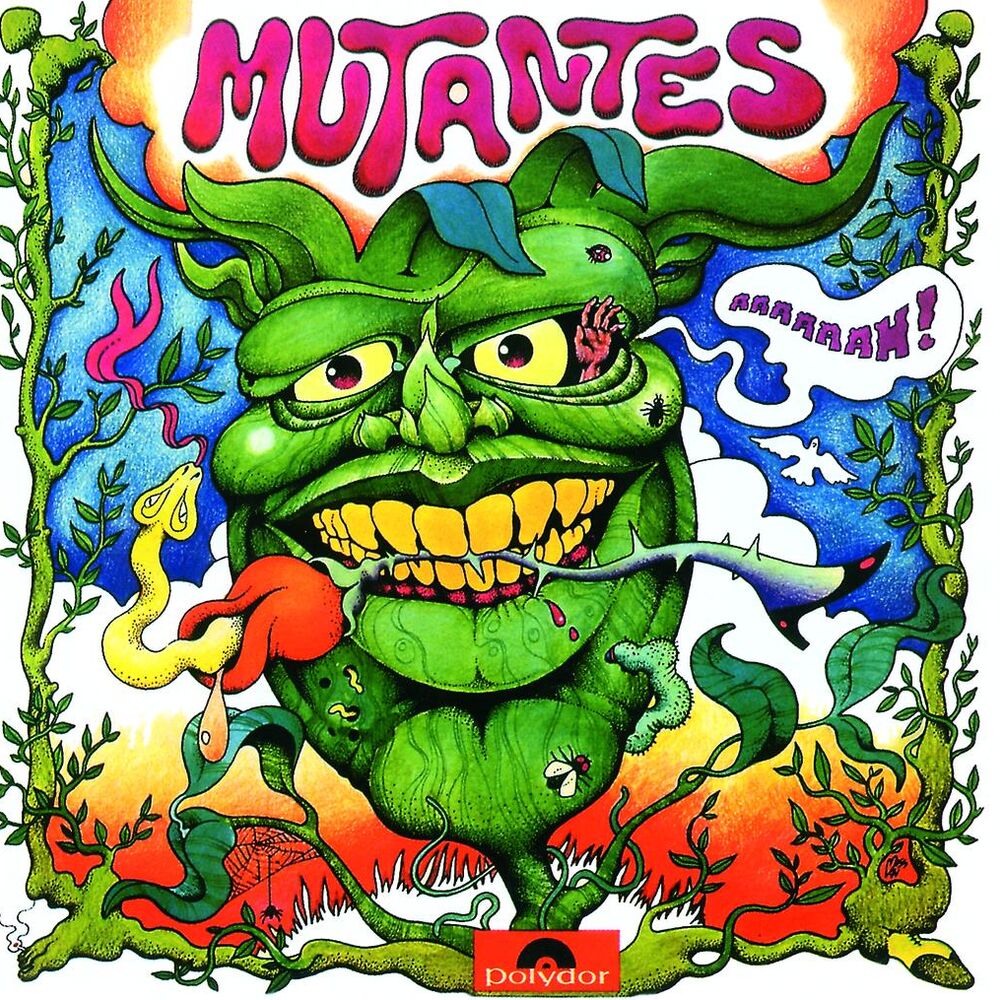
Jardim Elétrico was immediately recognised as a work of great relevance in Os Mutantes' catalogue, and its importance has endured over the decades. Rolling Stone Brasil magazine included it in its select list of the "100 melhores discos da música brasileira", occupying 72nd position, a testament to its impact and lasting influence. Considered by many to be one of the peaks of the band's musical creativity, the album demonstrates the restlessness and constant search for new sounds that have always characterised Os Mutantes. Its cover, designed by the Franco-German artist Alain Voss, became a visual icon, complementing the artistic audacity of the musical content. The album continues to be revered for its originality and for paving the way for Brazilian experimental rock, influencing generations of musicians and maintaining its current "top top" sound even after more than five decades.
Tracks
Credits
Os Mutantes
Rogério Duprat
Arnaldo Baptista
Arnaldo Baptista, Rita Lee, Sergio Dias
Ary Carvalhaes, João Kibelkstis, Mazzola
Paulo De Tarso
Alain Voss
George Love
Podcasts
Brazuca Sounds on Patreon · Leandro Vignoli
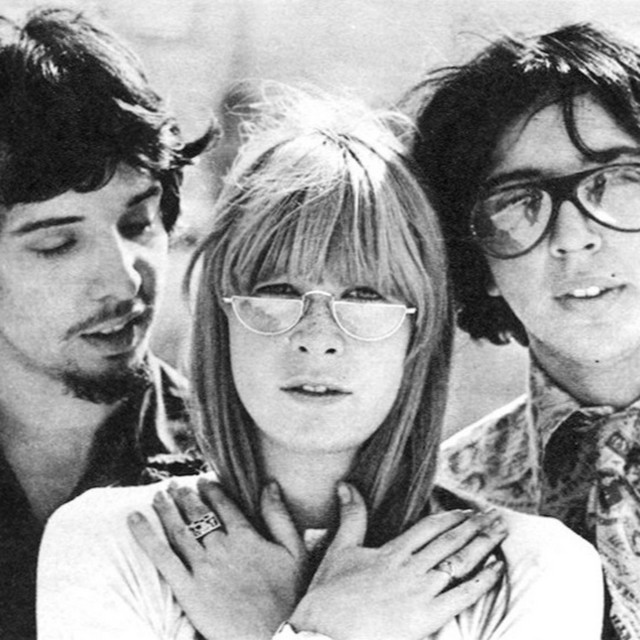
In episode #4 we talk about Os Mutantes' fourth album, Jardim Elétrico, released in March 1971. They originally started recording an English-language record in Paris, although ultimately they quit the project and travelled back to Brazil. Jardim Elétrico was heavily influenced by the use of LSD, leading to a series of internal conflicts couple fights, and substance abuse. Rita Lee would eventually
Bota O Disco Aí · Bota O Disco Ai
A Caveira consegue reunir nossos podcaster fundadores e originais do Bota O Disco Aí e para estrear nosso primeiro episódio do ESPECIAL RITA LEE, nossa singela homenagem para a Padroeira da Liberdade, até porque Rainha do Rock, era um titulo um tanto quanto cafona segundo a nossa querida caprica, para começarmos Cesar Tribst escolheu o Jardim Elétrico, quarto álbum dOs Mutantes, primeira banda de
Long Play Podcast · ANDRÉ LUÍS DE JESUS
O UNIVERSO PISCODÉLICO DOS MUTANTES – Em 1971, Os Mutantes voltavam de uma bem-sucedida turnê em Paris, na França, mas enfrentando vários atritos internos – inclusive com brigas, separações e voltas entre Rita Lee e Arnaldo Baptista -. Em meio ao caos das relações internas, o agora quinteto (com os recém efetivados Liminha, no baixo, e Dinho, na bateria) foi capaz de produzir um dos melhores álbun
Videos
Os 50 Anos do JARDIM ELÉTRICO DOS MUTANTES | ALBUM REVIEW
Som de Peso
Jardim Elétrico: o quarto clássico dos Mutantes
Agulha Quebrada
Films

Books
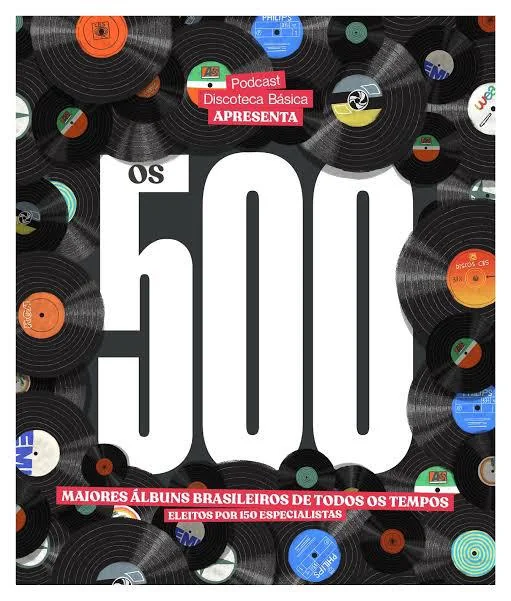
Os 500 Maiores Álbuns Brasileiros de Todos os Tempos
Ricardo Alexandre · 2022
The largest Brazilian music election ever conducted: 162 specialists, spanning journalists, critics, musicians, producers and podcasters, each nominated 50 essential albums, supported by a masterlist of more than 2,000 works. Led by Ricardo Alexandre with tabulation by Sérgio Jomori, it was published in December 2022 as a 200-page hardcover book with graphic design by Fernando Pires.
Discobiografia Mutante - Álbuns que revolucionaram a música brasileira
Chris Fuscaldo · 2021
This book offers an in-depth discobiography of Os Mutantes, detailing the trajectory and impact of their albums on Brazilian music. It explores how the group, founded by Arnaldo Baptista, Rita Lee and Sérgio Dias, was an exponent of counterculture and how their works made a difference and influenced the musical scene. Essential for understanding the context and creation of the album "Jardim Elétrico".
Analyses
Jardim Elétrico – Wikipedia
Wikipedia, the free encyclopaedia
Jardim Elétrico – The 100 Greatest Albums of Brazilian Music
Marcus Preto · Rolling Stone Brasil
The group's inventiveness remains intact on tracks like "Tecnicolor" or "El Justiciero".
Jardim Elétrico (1971) Os Mutantes - by Luciano Siqueira
meusdozemais.substack.com
Jardim Elétrico (1971) is, for me, Os Mutantes' best album for being the most balanced. With the band having matured, the album's sound sits between Tropicalismo and progressive music.

MUSICA&SOM: CRONICA - OS MUTANTES | Jardim Elétrico (1971)
tabernanovostempos.blogspot.com
With Rogério Duprat's arrangements, Os Mutantes refine their sound here. The album cover, with a carnivorous plant straight out of a comic book devouring everything in its path against a colourful and incandescent background, clearly sets the tone.

Mutantes: 50 anos de "Jardim Elétrico" - Blog Cultura & Futebol
culturaefutebol.wordpress.com
Last March, a classic of Brazilian rock turned 50: the masterpiece "Jardim Elétrico", Os Mutantes' fourth studio album. Recorded in early 1971 in São Paulo, the album was released by Polydor Records (Universal Music) and production was handled by Arnaldo Baptista.