Cinema Mudo
Os Paralamas do Sucesso
1983
Rankings
Why This Album Matters
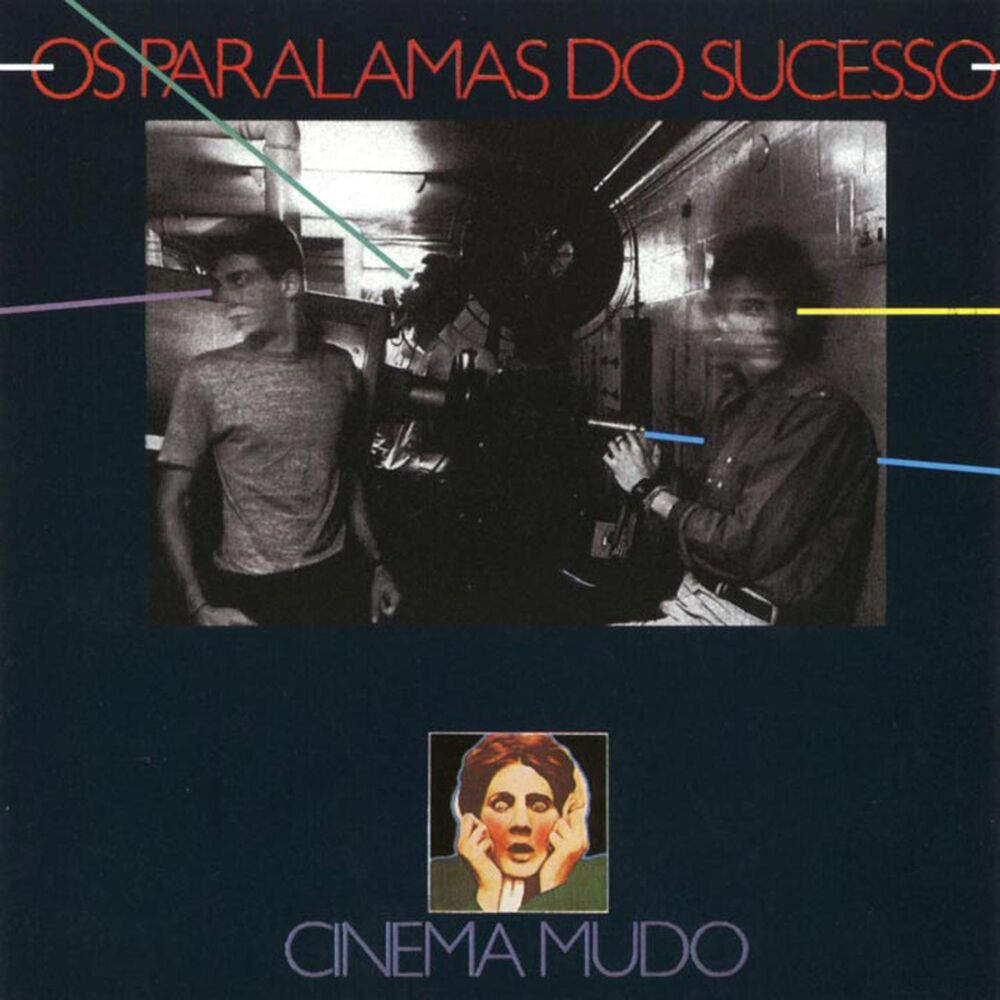
Cinema Mudo, the debut album by Os Paralamas do Sucesso released in 1983, represents a fundamental landmark in the Brazilian rock scene of the 1980s. With a sound that blended pop rock and new wave with influences of reggae and ska, the album introduced to the public a trio that would become one of the pillars of national music. Its arrival coincided with a period of effervescence for rock in Brazil, becoming one of the inaugural albums that defined the sound of a generation. This debut work not only introduced the youthful energy and musical inventiveness of Herbert Vianna, Bi Ribeiro, and João Barone, but also paved the way for the consolidation of their artistic identity. Tracks like "Vital e Sua Moto" quickly became radio hits, introducing the band to a vast audience and solidifying their innovative proposal for rock with a Brazilian accent and diverse references. The album, therefore, is not merely a record of their beginnings, but a document of the vitality of national rock at that historical moment.
Context
The emergence of Os Paralamas do Sucesso and the release of Cinema Mudo are set against a backdrop of political and cultural transition in Brazil, with the country moving towards re-democratisation and an explosion of national rock. The Rio de Janeiro music scene, in particular, was a melting pot of new ideas, and radio stations like Fluminense FM played a crucial role in promoting emerging bands. It was in this fertile environment that Os Paralamas began to forge their path. Before Cinema Mudo, the trio, comprising Herbert Vianna (vocals, guitar), Bi Ribeiro (bass), and João Barone (drums) since 1982, had already garnered attention with a demo tape sent to Rádio Fluminense FM. The positive reception of songs like "Vital e Sua Moto" in the summer of 1983 was decisive in the band signing a contract with EMI record label, driving the recording of their first LP and marking the beginning of a successful career.
Recording
The starting point for Cinema Mudo was a demo tape sent to Rádio Fluminense FM in 1982, containing four songs: "Vital e Sua Moto", "Patrulha Noturna", "Encruzilhada Agrícola-Industrial", and "Solidariedade Não!". The positive reception of "Vital e Sua Moto" led to the EMI contract, and the album was recorded at EMI-Odeon Studios in Rio de Janeiro in 1983. The album's production was handled by Marcelo Sussekind, who also contributed harpsichord to the title track. The technical team included Amaro Moço, Guilherme Reis, and Serginho as recording engineers. The album featured notable special guests, such as Lulu Santos on slide guitar in "O Que Eu Não Disse" and Ruban on keyboards in "Foi o Mordomo". Léo Gandelman was responsible for the horn arrangement on "Volúpia", demonstrating a concern for sonic richness from the outset. Interestingly, Marcelo Bonfá, from Legião Urbana, was invited to perform a whistling solo on a track, but was unable to achieve the desired performance.
Songs
Cinema Mudo is a collection of ten tracks that, while showcasing the spontaneity of a debut work, already demonstrates Herbert Vianna's compositional versatility. The singles "Vital e Sua Moto" and the title track "Cinema Mudo" were the album's main flagships, boosting its popularity. Highlights include "Vital e Sua Moto", a witty tribute to the band's first drummer, Vital Dias, and "Vovó Ondina é Gente Fina", which celebrates Bi Ribeiro's grandmother, whose house served as the venue for their early rehearsals. The album also marks the first recording of a Renato Russo song, "Química", which became a national rock classic. "Volúpia" stands out as the first Os Paralamas do Sucesso song to incorporate wind instruments, indicating the band's future experimentation. The track "Cinema Mudo" itself explores the idea of non-verbal communication and the depth of intimacy in a relationship.
Legacy
Released in 1983, Cinema Mudo was met with critical acclaim and significant commercial success for a debut band, selling over 90,000 copies. The album was crucial in putting Os Paralamas do Sucesso on the map of BRock, a movement that was gaining strength in Brazil. However, the national rock scene at the time faced some mistrust from critics, who, at times, viewed the genre as a passing fad and compared Os Paralamas' sound to international bands such as The Police. Despite some comparisons, the album solidified the band's position in the music scene, leading to an intense touring schedule: 37 performances in 1983 and an impressive 112 shows in 1984, already linking up with the tour for their subsequent album, O Passo do Lui. Retrospectively, the album is considered an essential part of Os Paralamas' discography, with Allmusic awarding it a 4 out of 5-star rating. Its importance lies in having been the launchpad for one of the most influential and enduring bands in Brazilian rock.
Tracks
Credits
Marcelo Sussekind
Herbert Vianna
Herbert Vianna
Bi Ribeiro
João Barone
Jorge Davidson
Eddy Schreyer
Guilherme Reis, Sérgio Bittencourt
Amaro Moço, Guilherme Reis
Tadeu Valério
Ricardo Leite
Mauricio Valladares
Podcasts

Pega aqueles últimos pedaços de pizza e aquele litrão geladasso e bora pra uma edição do podcast!!! E nessa edição do Destrinchando o Disco, nossos queridíssimos Thiago Ferraz e Débora Roberta comentaram sobre uma das pérolas do rock oitentista nacional: o álbum Cinema Mudo, do Paralamas do Sucesso. Comentando um pouco sobre as experiências com o álbum e com a banda, nossos hosts trazem uma anális

LACult · Carlos Augusto Monteiro
Hello, English lovers! Salve, amantes da língua inglesa! O Language & Culture (LaCult) traz hoje um convidado que eu queria trazer há muito tempo, a enciclopédia do rock brasileiro, Flávio Bandeira. Direto do Crazy Metal Mind, este colega de profissão junta-se a mim e a William Faria para comemorar os 40 anos do primeiro álbum dos Paralamas do Sucesso. O grupo teve inclusive um documentário recém
Videos
Os Paralamas do Sucesso Álbum Cinema Mudo
Gcbs
CINEMA MUDO, de OS PARALAMAS DO SUCESSO (1983): um fracasso de vendas, cheio de interferências!
Júlio Ettore
Films


Books
Analyses
Cinema Mudo – Wikipedia
Wikipedia, the free encyclopaedia

"Cinema Mudo" (EMI-Odeon, 1983), Os Paralamas do Sucesso
discosessenciais.blogspot.com
But fortunately for Os Paralamas, still in 1983, after the release of Cinema Mudo, Miguel Plopschi left EMI-Odeon and went to work at RCA Records. With Plopschi's departure, Os Paralamas envisioned greater freedom to record their second album.

MUSICA&SOM: Os Paralamas Do Sucesso - Cinema Mudo (1983)
tabernanovostempos.blogspot.com
'Cinema Mudo' stands out not only for its musical diversity but also for its lyrics which vary between personal reflections, social critiques, and everyday narratives, demonstrating early on the band's ability to engage with its audience through relevant themes and vibrant performances.

Cinema Mudo (1983) - Os Paralamas do Sucesso | Bloggallerya
bloggallerya.wordpress.com
Among the scarce artists who made up the BRock scene at the beginning of that decade were Os Paralamas do Sucesso. It was that year that the fluminense band launched its first studio album titled Cinema Mudo.
Os Paralamas do Sucesso - Cinema Mudo - Blog Max Everson - 4oito
4oito.com.br
Cinema Mudo is Os Paralamas do Sucesso's debut album, released in 1983. It initially sold 5,000 copies, and 90,000 to date.