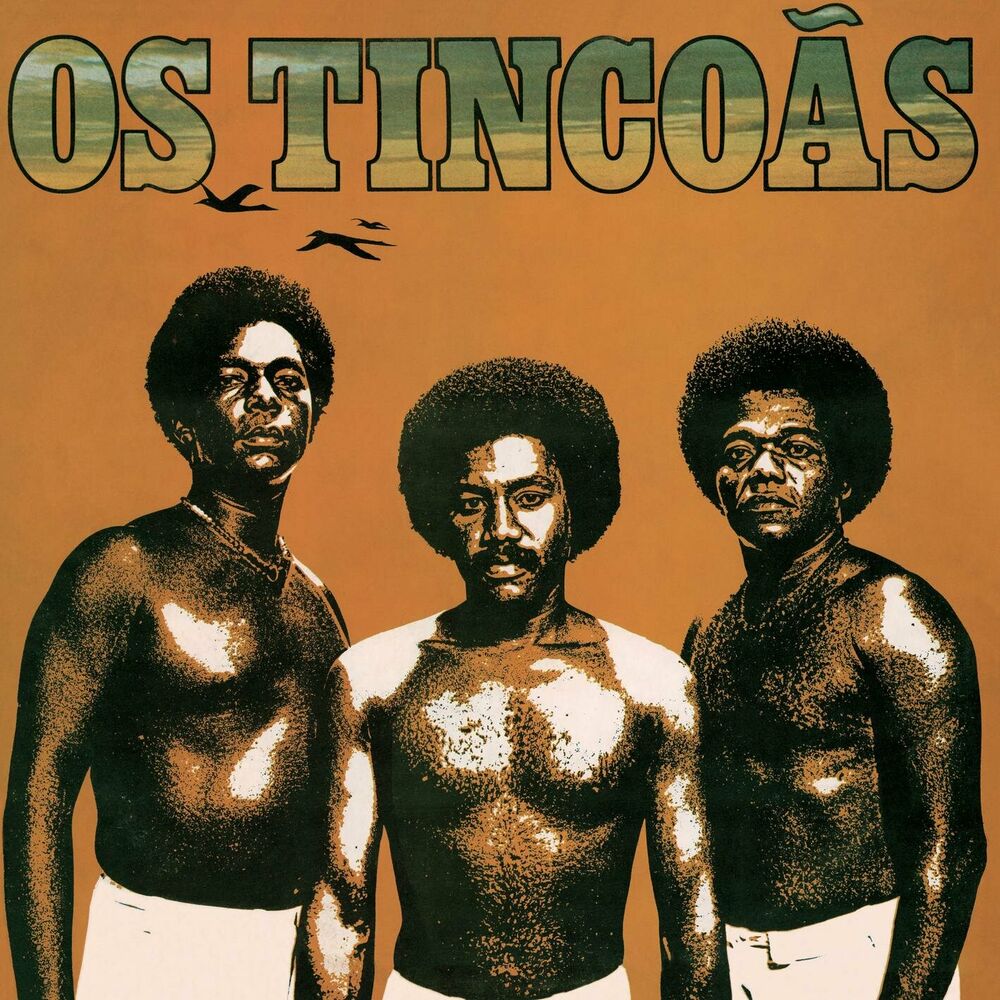
Os Tincoãs (1977)
Os Tincoãs
1977
Why This Album Matters
Os Tincoãs (1977) is a singular album in Brazilian music, standing out for its profound immersion in Afro-Brazilian culture and the fusion of Candomblé religious elements with sophisticated vocal harmonies and minimalist instrumentation. The record represents an authentic artistic expression that transcended the barriers of popular music to become a vehicle for the preservation and celebration of African ancestry in Brazil. This work is notable for the way the trio, through delicate vocal arrangements and percussion instruments, acoustic guitar and agogô, transformed orixá songs and samba de roda into musical works of art, giving them a new level and outline within MPB. It is a work that resonates with the richness of the Black musicality of the Recôncavo Baiano, without resorting to exoticism, but rather integrating spirituality and folklore in an organic and reverent manner.
Context
Initially formed in the 1960s in Cachoeira, Bahia, Os Tincoãs began its trajectory by interpreting boleros. However, the group underwent a significant transformation from 1963 with the entry of Mateus Aleluia, who, alongside Dadinho and Heraldo, directed the repertoire towards Afro-Brazilian roots. In 1975, the trio faced the loss of Heraldo, with Morais briefly being a member before the line-up that recorded this album solidified with Dadinho, Mateus Aleluia and Getúlio Souza, known as Badu. This phase marked the group's maturation and its full dedication to researching and interpreting Candomblé chants and other manifestations of Black culture from the Recôncavo Baiano.
Recording
The album Os Tincoãs was recorded in 1977 at RCA Studios, located in Rio de Janeiro. The record's production was handled by Durval Ferreira, a significant name in the Brazilian music scene. The vocal and rhythmic arrangements were developed by the trio itself, Os Tincoãs, while the orchestration and conducting were shared among talents such as João Donato, Leonardo Bruno and Oberdan Magalhães. Adelzon Alves acted as recording coordinator and supervisor, contributing to the artistic vision of the project.
Songs
The twelve tracks on Os Tincoãs (1977) are a treasure trove of compositions and adaptations that evoke spirituality and resilience. Songs such as "Cordeiro de Nanã" and "Lamentos às Águas" became emblematic, revealing the trio's mastery in translating the Candomblé universe into poetry and melody. The lyrics, many of them signed by Mateus and Dadinho, explore themes such as the connection with the sacred, the valorisation of ancestry and strength in the face of adversity, as exemplified in "Acará". The instrumentation is precise, with Dadinho's acoustic guitar, Mateus' atabaques and Badu's agogô and ganzá, serving as a basis for the vocal harmonies that stand out with Dadinho's falsettos and Mateus' deep tones, a vocal style influenced by Catholic choirs.
Legacy
Despite modest commercial success at the time of its release, Os Tincoãs (1977) solidified its position as a fundamental album in Brazilian music, being reissued and rediscovered by new generations of listeners and artists. Its influence is manifested in the way the group paved the way for the valorisation of Afro-Brazilian culture in MPB, becoming a musical heritage. Songs from the album, such as "Cordeiro de Nanã", were re-recorded by great names in music, such as João Gilberto, which attests to its relevance and timelessness. The trio's original records are today coveted items by collectors, reflecting the growing recognition of Os Tincoãs' lasting impact on Brazil's soundscape.
Rankings
Tracks
Credits
Os Tincoãs
João Donato, Leonardo Bruno, Oberdan Magalhães
Durval Ferreira
Gilberto D'Avila
José Oswaldo Martins, Pedro Fontanari Filho
Luiz Carlos T. Reis, Mário Jorge Bruno
Stelio Carlini
Ney Tavora
Adelzon Alves
Fabio Alvarenga, Ivan Klingen
Analyses
Discogs

Os Tincoãs (1977) – Discogs
discogs.com