Samba pra Burro
Otto
1998
Rankings
Why This Album Matters
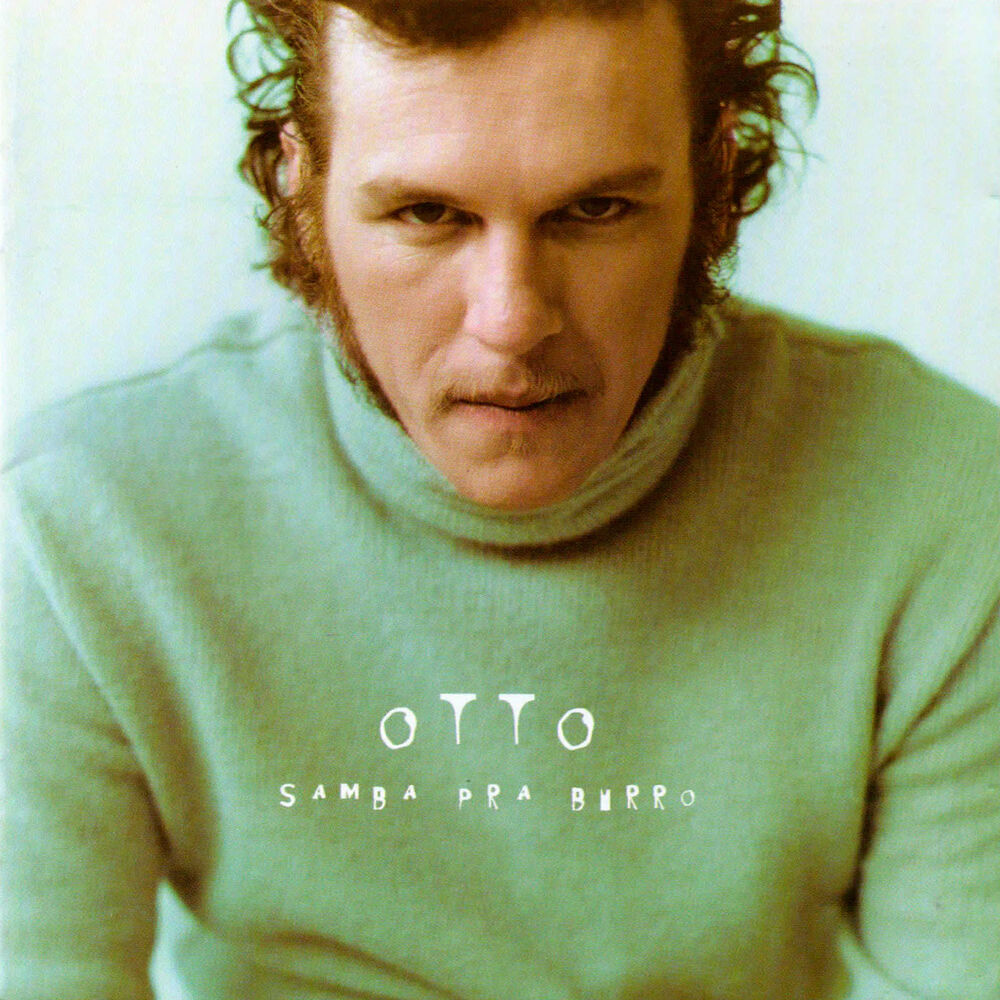
Released in 1998, Samba pra Burro, Otto's debut album, redefined the Brazilian music scene by proposing a bold and innovative fusion. The record is a landmark for its ability to intertwine rhythms deeply rooted in Brazilian culture, such as maracatu, ciranda, and forró, with global electronic sounds, notably drum 'n' bass, jungle, and techno. Its originality positioned it as an experimental work ahead of its time, creating a sound that was simultaneously ancestral and contemporary. This singular work demonstrated Otto's versatility; until then, he was primarily known as a percussionist, revealing him as a composer and singer with a distinctive and powerful voice. The way Samba pra Burro navigated between organic textures and electronic programming, with lyrics that transitioned between the everyday and the poetic, secured its instant prominence. The album not only broadened the horizons of MPB but also introduced a new musical language that resonated with the emerging electronic scene in Brazil, becoming a watershed moment.
Context
Before Samba pra Burro, Otto Maximiliano Pereira de Cordeiro Ferreira had already consolidated his reputation as a fundamental percussionist in Pernambuco's effervescent Manguebeat movement. He was part of the initial line-ups of two of the scene's most influential bands, Nação Zumbi and Mundo Livre S/A, with whom he recorded their first two albums. This behind-the-scenes experience in music and the immersion in the fusion of regional traditions with urban culture were crucial in shaping his artistic vision. At the time of the album's release, Brazil was experiencing the second term of President Fernando Henrique Cardoso, re-elected in 1998 amidst economic and public security concerns. However, the cultural effervescence, partly driven by the developments of Manguebeat, offered fertile ground for innovative artistic proposals like Otto's.
Recording
Samba pra Burro was released by the Trama label, then an emerging name in the Brazilian music scene, and featured the production of Apollo 9, a key figure in the record's electronic sound. The album's recording process extended for over a year, taking place between studios in São Paulo and Recife. Otto described the experience as his first time alone in the studio, dedicating himself to his own composition. The production stood out for its construction of electronic bases that were simultaneously psychedelic and experimental, creating an intriguing contrast with Otto's Northeastern roots and his percussive abilities. The album also featured special appearances by musicians such as Fred 04, members of Nação Zumbi, and Erasto Vasconcelos, in addition to DJ Soul Slinger, who contributed a remix for the track "Bob".
Songs
The twelve tracks on Samba pra Burro are a true collage of influences and styles, with lyrics that move between the introspective, the social, and the poetic. The opening track, "Bob", a collaboration with Bebel Gilberto who also shares vocals, is one of the main highlights and exemplifies the captivating fusion of swing and electronica. Other songs that marked the album include "Low", which, like "Changez Tout", features lyrics in French, reflecting Otto's experiences in Paris. "TV a Cabo / O Que Dá Lá É Lama" became an iconic refrain, addressing loneliness and social critique with incisive verses, while "Café Preto" and "Ciranda de Maluco" explore folk roots with an innovative electronic guise. The compositions explore the mixture of maracatu, ciranda, and other popular Northeastern genres with drum 'n' bass, creating a sound that challenged the boundaries of traditional musical genres.
Legacy
Samba pra Burro was acclaimed by critics, being recognised as an inventive and stimulating work since its release. The album secured Otto the 'Best Album of the Year' award from the Paulista Association of Art Critics (APCA), solidifying his status as an avant-garde artist in Brazilian music. Its strong influence of electronic music, until then little explored in conjunction with Brazilian rhythms, led the album to be widely considered a watershed for MPB. Over the years, Samba pra Burro has maintained its relevance, being classified as a groundbreaking record and a classic destined to endure. Twenty years after its original release, the album received a special vinyl edition, featuring an updated cover, a testament to its lasting impact and its ability to transcend time. Otto's work, and specifically Samba pra Burro, paved the way for a new generation of musicians who sought the fusion of traditional elements with electronic modernity.
Tracks
Credits
Carlos Eduardo Miranda
Maurício Tagliari
Apollo 9, DJ Soul Slinger
Ricardo Garcia
Carlos "Cacá" Lima
Books
Analyses

Otto - Samba pra Burro - 1998 | Não Pulo Uma Faixa
naopuloumafaixa.wordpress.com
Samba pra Burro is the debut album of Otto's solo career. Previously known as a percussionist for bands like Nação Zumbi and Mundo Livre S/A, in 1998 he launched into electronic adventures.
Otto - Samba Pra Burro (1998) - Altamont
altamont.pt
Approaching its quarter-century mark, Samba Pra Burro is an album that deserves to be listened to with the same attention it received in 1998. It continues to be an important, experimental record, very much ahead of the time it emerged.
Samba pra burro, - Revista IstoÉ
revista.istoe.com.br
Former percussionist for the Pernambuco group Mundo Livre S.A., Otto makes his solo debut with a stimulating work. Carrying forward the daring spirit of his old crew and of Nação Zumbi (of the late Chico Science), the singer and composer adds the fractured beat of electronic rhythms to the pop-folkloric blend.
Otto faz samba de astronauta em CD de estréia "Samba pra Burro" - 05/11 ...
musica.uol.com.br
This is what makes "Samba pra burro" the album Brazilian pop had been missing since, at least, the early 90s. "Samba pra burro" plants the flag of national pop in techno.
20 Anos Depois, "Samba Pra Burro" do Otto É Prensado em Vinil
blog.bileskydiscos.com.br
It was impossible to let the 20th anniversary of "Samba Pra Burro" pass unnoticed, so Polysom, in partnership with Trama, celebrate this date with the release of this true classic on vinyl for the first time.