Televisão de Cachorro
Pato Fu
1998

Rankings
Why This Album Matters
Televisão de Cachorro, Pato Fu's fourth studio album, released in 1998, is a landmark in the band's trajectory and in Brazilian pop rock music. Produced by Dudu Marote, the record solidified the Minas Gerais group's reputation as one of the most innovative and creative of its generation. It stands out for its fusion of alternative rock, indie pop and electronic elements, creating a distinctive sound that balances captivating melodies with experimentation and unusual arrangements. This work represents a moment of artistic maturity for Pato Fu, combining the band's characteristic irreverence with remarkable lyrical depth. The ability to navigate between intelligent original compositions and surprising reinterpretations of MPB and rock classics demonstrates the versatility and musical vision of the quartet, led by Fernanda Takai and John Ulhoa.
Context
Formed in Belo Horizonte in 1992, Pato Fu had already established a significant presence in the Brazilian alternative rock scene with their three previous albums: Rotomusic de Liquidificapum (1993), Gol de Quem? (1995) and Tem Mas Acabou (1996). In the mid-90s, the Brazilian music scene was undergoing a reconfiguration, with the emergence of new bands exploring different post-BRock sounds, and Pato Fu positioned themselves at the forefront of experimentalism and innovation. Televisão de Cachorro arrived at a time when the band already had a solid fanbase and recognition, but it was with this album that Pato Fu achieved more expressive commercial success, cementing their place among the great names of national pop rock of the era.
Recording
The album Televisão de Cachorro was produced by Dudu Marote, a name already known for his work with other successful bands such as Skank, and recorded at Mega, Dr. Dd Eletromúsica, BeBop Studios and Discover studios. The recording and mixing team included Luis Paulo Serafim, and mastering was carried out by Leon Zervos at Absolute Audio. A notable aspect of the recording process was the band's non-traditional approach: instead of recording the instrumental tracks and then the vocals, Pato Fu chose to record the vocals with each musical backing track, aiming for greater integration and spontaneity. The album credits detail the participation of Pato Fu members, Fernanda Takai (vocals, acoustic and electric guitar), John Ulhoa (vocals, acoustic and electric guitar, and electronic programming), Ricardo Koctus (bass and vocals) and Xande Tamietti (drums and percussion), as well as other guest musicians, such as André Abujamra and Edu K on backing vocals and overdubs, and the brass section with Ed Côrtes on saxophone, Sidney Borgani on trombone and Nahor Gomes on trumpet, who added rich layers and diverse textures to the songs.
Songs
The repertoire of Televisão de Cachorro is a rich tapestry of original compositions and reinterpretations. The album opens with a reinterpretation of "A Necrofilia da Arte", based on an old song by Gilberto Gil, to which Pato Fu added a reference to Kurt Cobain. The record also features notable covers, such as "Nunca Diga" by the Rio Grande do Sul band Graforreia Xilarmônica and a pop version of Legião Urbana's "Eu Sei", the latter being a tribute from John Ulhoa to Renato Russo. One of the album's highlights is the eighth track, "Canção pra Você Viver Mais", which has a deeply emotional story. John Ulhoa composed it after Fernanda Takai expressed her difficulty in writing a letter to her father, who was facing a serious illness, transforming the melancholy into a powerful ballad of hope and affection. Other original tracks such as "Antes que Seja Tarde", "Um Dia, Um Ladrão" and the title track "Televisão de Cachorro" exemplify the band's sound and intelligent lyrics.
Legacy
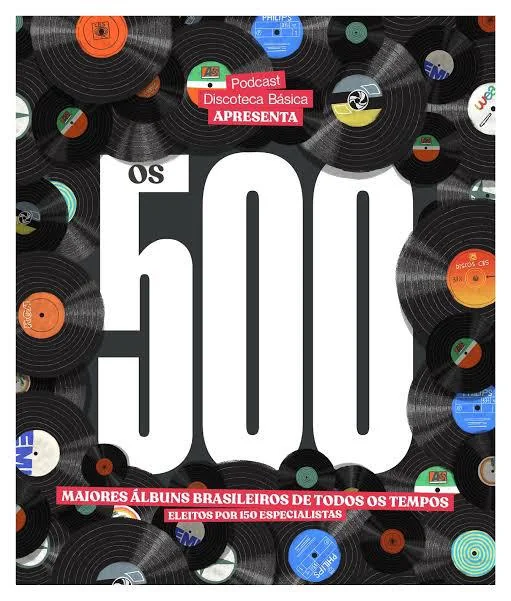
Televisão de Cachorro was a commercial success, reaching the mark of 100,000 copies sold and being certified with a Gold Record. Its cultural importance was recognised in 2022, when the album was included in the list of the 500 greatest Brazilian music records, in a poll organised by the Discoteca Básica podcast. The album also spawned successful singles such as "Antes que Seja Tarde", "Eu Sei" and "Canção pra Você Viver Mais", which became classics in the band's repertoire. The record not only consolidated Pato Fu's position as a creative force in national rock, but also reinforced the perception of the band as a group that combined pop experimentalism with poetic and, at times, humorous lyrics. The enduring relevance of the album's songs and its recognition in 'best album' lists over the years attest to its lasting impact on Brazilian music.
Tracks
Books
Analyses
Televisão de Cachorro – Wikipedia
Wikipedia, the free encyclopaedia
Boomerang Music | Pato Fu no NRC: "Televisão de Cachorro" pela primeira ...
boomerangmusic.com.br
Released in 1998, Televisão de Cachorro marked a turning point in Pato Fu's career. Although the band from Minas Gerais was already recognised for its creativity and artistic restlessness, this album expanded its audience without relinquishing the essence built in the three previous albums.
Pato Fu no NRC: "Televisão de Cachorro" pela primeira vez em vinil
noize.com.br
Released in 1998, Televisão de Cachorro marked a turning point in Pato Fu's career. Although the band from Minas Gerais was already recognised for its creativity and artistic restlessness, this album expanded its audience without relinquishing the essence built in the three previous albums. Currently on pre-sale, subscribers will receive the translucent graphite LP at home, accompanied by the magazine...

"Televisão de Cachorro" (BMG, 1998), Pato Fu
discosessenciais.blogspot.com
"Canção Pra Você Viver Mais", "Eu Sei", "Antes Que Seja Tarde" and "Nunca Diga" became the big hits from Televisão De Cachorro, an album that became a success with both audiences and critics, achieving gold record status upon selling 100,000 copies.
Televisão de Cachorro (1998) - Pato Fu
patofu.com.br
The album Televisão de Cachorro marked the beginning of our three-album partnership with Dudu Marotte, an essential producer in our journey!