Pindorama
Pau Brasil
1986
Rankings
Why This Album Matters
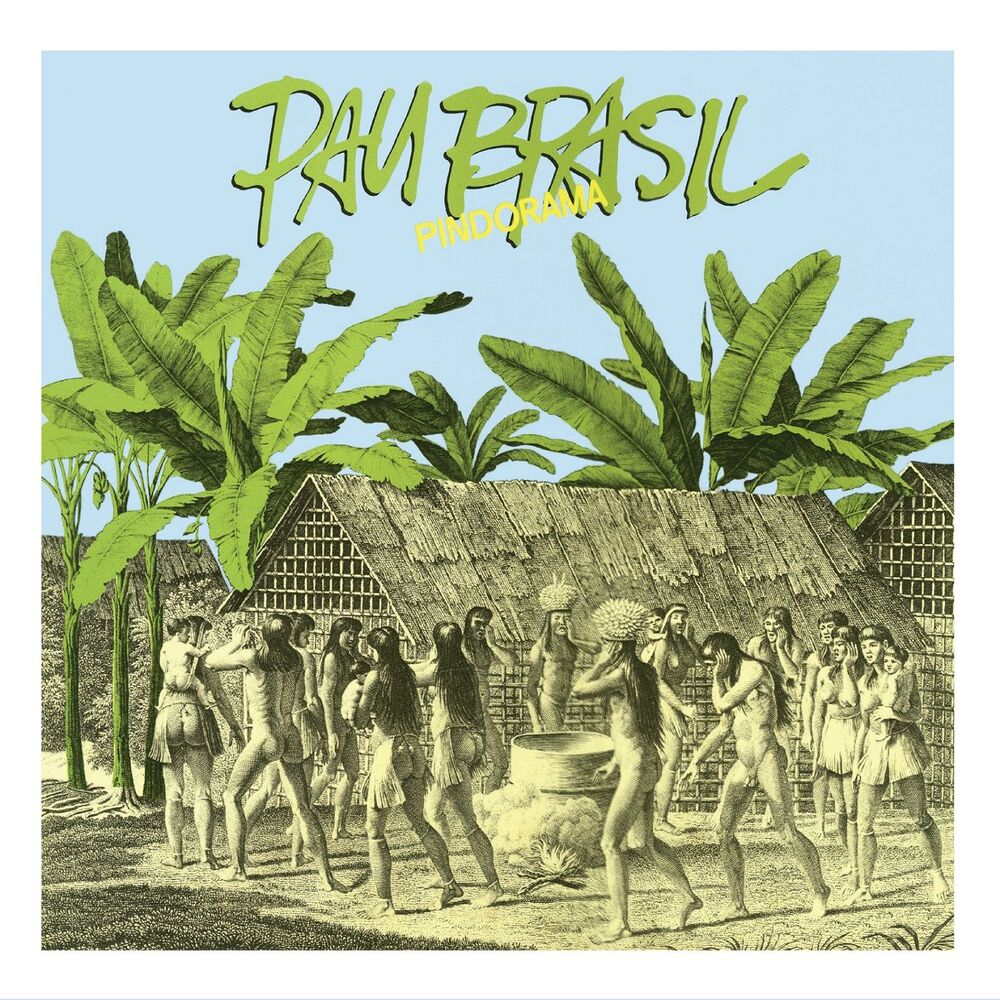
Pindorama, released in 1986 by the group Pau Brasil, is a seminal work in the Brazilian instrumental scene, distinguished by its innovative fusion of national rhythms with the complexity of contemporary jazz. The album is configured as a sonic exploration of Brazilian identity, uniting jazz improvisation with rich elements of MPB and the country's musical folklore. The title, which refers to Brazil's original indigenous name, and the band's name, which honours the national symbol tree, reinforce the work's deep connection to Brazilian cultural and historical roots. It is a true musical journey that celebrates Brazil's sonic richness.
Context
Formed in the early 1980s in Rio de Janeiro, the group Pau Brasil quickly established itself as an expressive force in Brazilian instrumental music. The group's core line-up, which included pianist Nelson Ayres and saxophonist and flautist Roberto Sion, already brought considerable musical experience. Nelson Ayres, in particular, had collaborated with prominent figures in Brazilian and international music, such as Airto Moreira and Astrud Gilberto, which contributed to the sophistication and musical breadth that the group would develop in Pindorama.
Recording
The album Pindorama was released in 1986 by the Copacabana record label in Brazil, initially available on LP and cassette. The production was overseen by Rodolfo Stroeter, an important figure in Brazilian instrumental music, which ensured cohesive artistic direction and a refined sound. The LP edition of the album also featured a special insert, a comic strip entitled "História Do Brasil", written by Edgard Barbosa Poças, adding a visual and narrative dimension to the musical experience. The sound production is notably meticulous, contributing to the overall quality of the work.
Songs
Pindorama features a selection of eight tracks that demonstrate Pau Brasil's versatility and originality. Among them, the track "Alakãi" stands out, a composition by Hermeto Pascoal that incorporates vocal improvisations and flutes, creating an organic and tropical sound. Another notable moment is "Fogo No Baile", vibrant with its samba rhythms, a lively accordion melody, and a call-and-response interplay between scat and bass. The album also revisits Brazilian music classics, such as "Só Por Amor" by Baden Powell and Vinicius de Moraes, and "Bye Bye Brasil" by Chico Buarque and Roberto Menescal, in addition to an interpretation of Heitor Villa-Lobos's "Dança (Martelo) Das Bachianas Brasileiras No. 5", evidencing the group's dialogue with different strands of national music. Tracks such as "Lundu" and "Modinha" refer to historical musical forms of Brazil, Lundu being an ancient syncopated dance and Modinha, considered the first form of Brazilian national song, resulting from the fusion of the Portuguese song style with Brazilian lundu.
Legacy
Pindorama was met with acclaim, being considered a landmark in Brazilian instrumental music and recommended for enthusiasts of Brazilian jazz and world music. The album solidified Pau Brasil's reputation as one of the leading forces in instrumental music in Brazil, achieving recognition both nationally and internationally. It is frequently referred to as a "masterpiece", consolidating the group's innovative approach to blending Brazilian tradition with contemporary jazz. Its unique sound and profound cultural representation of Brazil continue to be a reference point for instrumental music.
Tracks
Credits
Rodolfo Stroeter
Books
Analyses

MUSICA&SOM: Pindorama - 1986 - Pau Brasil
tabernanovostempos.blogspot.com
A precise exploration of the musicality of a land called Pindorama, naturally, with the brilliant backing of the group Pau Brasil.
Cliquemusic : Disco : PINDORAMA
cliquemusic.com.br
Pau Brasil / Paulo Bellinati (1986) 1986 Copacabana COLP 12888 Tracks 1 Pindorama (Bob Wyatt, Rodolfo Stroeter, Nelson Ayres, Paulo Bellinati, Roberto Sion) 2 Alakãi (Hermeto Pascoal) 3 Lundú (Paulo Bellinati) 4 Modinha (Paulo Bellinati) 5 Fogo no baile (Nelson Ayres, Nelson Ayres) 6 Dança [Martelo - From Bachianas Brasileiras No. 5]

Criatura de Sebo: Pindorama - 1986 - Pau Brasil
criaturadesebo.blogspot.com
A precise exploration of the musicality of a land called Pindorama, naturally, with the brilliant backing of the group Pau Brasil. The Bookworm Man says: ROAM! Your browser doesn't support HTML5 audio. Here is a link to the audio instead. Fogo no baile Gnawed by The Bookworm Man