A Dança da Solidão
Paulinho da Viola
1972

Rankings
Why This Album Matters
Released in 1972, A Dança da Solidão is the fifth studio album by the acclaimed Rio de Janeiro samba artist Paulinho da Viola and represents one of the high points of his discography. The work is widely recognised as a perfect synthesis of Paulinho's musicality, consolidating his position as a modern guardian of samba and choro traditions. In it, the artist demonstrates his sophisticated harmonies and his soft, gentle voice, which became his trademarks. The album stands out for presenting a repertoire that intertwines the intrinsic poetry of samba with philosophical depth, addressing social and sentimental themes in a timeless manner. The work not only highlights Paulinho da Viola's talent as a composer and performer, but also solidifies his career, showing the artistic maturity of a musician who knew how to reconcile the richness of traditional samba with exquisite arrangements, making it an undeniable classic of Brazilian music.

Paulinho da Viola is a unique case in the panorama of Brazilian music.
Antônio do Amaral Rocha · Rolling Stone Brasil
Context
Paulinho da Viola, born Paulo César Batista de Faria, grew up immersed in a musical environment, being the son of César Faria, a guitarist from the renowned ensemble Época de Ouro, and associating from an early age with legends such as Pixinguinha and Jacob do Bandolim. His professional career began in 1965, with participation in the musical "Rosa de Ouro", and he quickly established himself in the MPB scene, joining the composers' wing of Portela, his beloved samba school. By the turn of the 70s, Paulinho had already achieved recognition with successes at festivals, such as "Sinal Fechado" in 1969, and launched the carnival classic "Foi um rio que passou em minha vida" in 1970. The year 1972, when A Dança da Solidão was released, found Brazil under the military dictatorship, a period of political repression, but also of intense and fertile cultural production, especially in Brazilian Popular Music. Paulinho da Viola, in this context, released on average one album per year, solidifying his reputation as a prolific and high-quality artist.
Recording
A Dança da Solidão was recorded and released by Gravadora Odeon, with a weighty technical team that ensured the project's sonic excellence. Production direction was handled by Milton Miranda, an important name in the Brazilian phonographic industry. Musical direction, orchestration, and conducting were led by the talented Maestro Gaya (Lindolpho Gaya), who was fundamental in translating Paulinho's 'exquisite repertoire craftsmanship' into sophisticated arrangements. The album's technical sheet also lists Z. J. Merky as technical director, Jorge Teixeira as recording engineer, and Reny R. Lippi in the laboratory, highlighting the care taken with each stage of production. The graphic design, with the layout that features the artist in the cover illustration, is the work of the renowned Elifas Andreato, another point that contributes to the album's striking visual identity. Although the concise technical sheet does not detail all the musicians, there is a presumption that Elton Medeiros, a frequent collaborator, played the matchbox in "Meu mundo é hoje (Eu sou assim)", adding a touch of authenticity and tradition.
Songs
The repertoire of A Dança da Solidão is carefully balanced, featuring twelve seminal tracks that blend six unreleased compositions by Paulinho da Viola with six interpretations of sambas by other authors, most of which were also previously unreleased. The title track, "Dança da Solidão", is a masterpiece that explores loneliness and romantic disillusionment as universal human experiences, portraying it as a 'lava that covers everything' and a 'collective dance' in which 'I dance, you dance'. The lyrics poetically narrate stories of love and loss, but conclude with a note of hope, suggesting the existence of a 'spring of pure water' capable of alleviating bitterness. Other original songs by Paulinho also stand out, such as "Guardei minha viola", which opens the album with a melancholic tone about ingratitude, and the partido alto "No pagode do Vavá", which radiates joy and featured vocal participation from Elton Medeiros, becoming one of his most well-known sambas. The collaboration with the poet Capinan yielded "Coração imprudente", with an inventive samba-choro arrangement, and the reflective "Orgulho". The album further extols the richness of samba with sublime interpretations of classics such as "Meu mundo é hoje (Eu sou assim)" by Wilson Batista and José Batista, "Acontece" by Cartola, "Duas horas da manhã" by Nelson Cavaquinho and Ary Monteiro, "Falso moralista" by Nelson Sargento, "Passado de glória" by Monarco, and "Papelão" by Geraldo das Neves, demonstrating Paulinho's deep respect and connection with the lineage of great sambistas.
Legacy
A Dança da Solidão is an album that transcended its era, remaining, five decades after its release, an undeniable reference in MPB and in Paulinho da Viola's discography. It is considered a milestone that consolidated his career and artistic identity, being praised by critics for its unaltering quality over time. Its influence extends to subsequent generations of artists, with the title track being re-recorded by names such as Marisa Monte on her acclaimed album Verde, Anil, Amarelo, Cor-de-Rosa e Carvão, in a memorable partnership with Gilberto Gil, which demonstrates the perennial relevance and resonant power of Paulinho's compositions. The album is frequently cited in lists of best albums, testifying to its lasting impact and its captive place in the pantheon of Brazilian music.
Tracks
Credits
Lindolfo Gaya
Milton Miranda
Z. J. Merky
Reny R. Lippi
Jorge Teixeira
Elifas Andreato
Podcasts
Roda de conversa sobre os melhores discos que completam 50 anos em agosto de 2022. Participação de Ives Mizoguchi, Nino Prestes e Zé Fernando Cardoso. Produção e apresentação de Eduardo Osorio. Entre para o nosso clube: https://benfeitoria.com/projeto/clubedomusicatessen 10 MELHORES DISCOS DE AGOSTO DE 1972 1º) A Dança Da Solidão (Paulinho da Viola) 2º) Elis (Elis Regina) 3º) What Color Is L

Acorde - Música e Psicanálise · Rafael Garbuio e Ricardo Pezati
Quadragésimo Nono episódio do Acorde - Música e Psicanálise. Analisamos obra a Dança da Solidão, composta e interpretada por Paulinho da Viola en seu album Dança da Solidão de 1972Para esta analise vamos contar com a presença de nossos convidados os Psicanalistas, Mauricio Silveira @mauriciosilveirabr e a Paula Sucena @paulasucena que já são de casa e estão sempre conosco por aqui.Edição e apre
Videos
"Dança da solidão": Um clássico do Paulinho da Viola | Disco do Dia | Alta Fidelidade
Alta Fidelidade
A dança da solidão / PAULINHO DA VIOLA / DISCOS CINQUENTÕES
Papo de Musica
50 anos do disco ‘A dança da solidão’: obra de Paulinho da Viola homenageia o berço do samba
acessompb
#49:Dança da Solidão - Paulinho da Viola
Ricardo Pezati
Films

Paulinho da Viola - Série Grandes Nomes TV Globo
Paulinho da Viola - Série Grandes Nomes TV Globo
1980
The program brings a career resume of the Samba's master Paulinho da Viola playing classics of MPB like "Sinal Fechado"(Closed Signal), "Nervos de Aço" (Nerves of Steel), "Pecado Capital", "Foi um rio que passou em minha vida" (It was a river that passed in My Life), "Cantando para não chorar" (Singing for not cry) and many others.
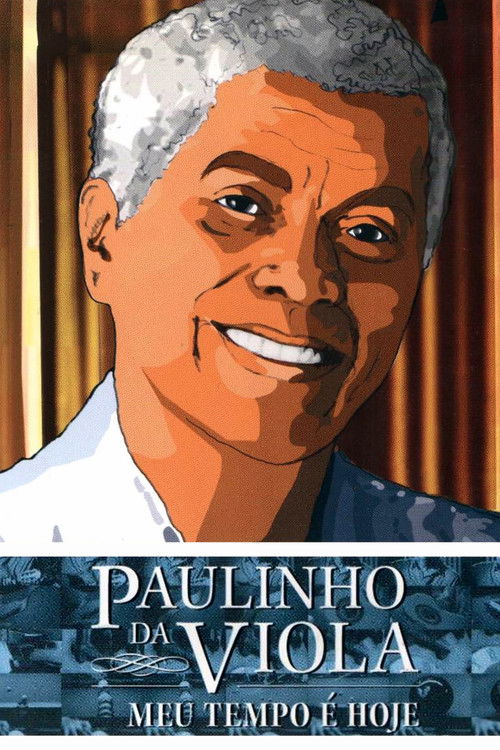
Paulinho da Viola: Meu Tempo É Hoje
2004
Documentary about Brazilian samba songwriter and singer Paulinho da Viola, one of the most sophisticated musicians of the genre. The film shows his biography, influences, masters and friends, as well his simple and peculiar way of life, with activities like restoring old cars, working with wood, playing billiards.
Books
Álbum 2 - 1972 a 1978
Pedro Alexandre Sanches · 2022
This volume in the 'Álbum' series, by journalist and music critic Pedro Alexandre Sanches, focuses on the analysis of records released between 1972 and 1978. Given the series' focus on significant Brazilian music albums, it is highly probable that 'A Dança da Solidão' (released in 1972) will be discussed in detail in this book.
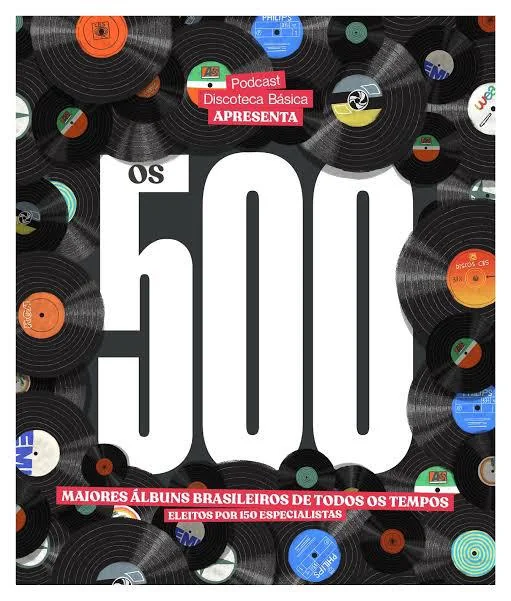
Os 500 Maiores Álbuns Brasileiros de Todos os Tempos
Ricardo Alexandre · 2022
The largest Brazilian music election ever conducted: 162 specialists, spanning journalists, critics, musicians, producers and podcasters, each nominated 50 essential albums, supported by a masterlist of more than 2,000 works. Led by Ricardo Alexandre with tabulation by Sérgio Jomori, it was published in December 2022 as a 200-page hardcover book with graphic design by Fernando Pires.
Analyses
A Dança da Solidão – Wikipedia
Wikipedia, the free encyclopaedia
A Dança da Solidão – The 100 Greatest Albums of Brazilian Music
Antônio do Amaral Rocha · Rolling Stone Brasil
Paulinho da Viola is a unique case in the panorama of Brazilian music.
'A Dança da Solidão', o disco que consagrou musicalmente Paulinho da ...
teoriacultural.com.br
'Papelão' functions as a lyrical song that highlights the disappointment in the face of disrespect. Paulinho da Viola knows very well how to lead his melody and singing, and convey his sentimentality with songs that go beyond a poet's soul.
Álbum de Paulinho da Viola em 1972, 'A dança da solidão' faz ... - G1
g1.globo.com
With hits like 'Guardei minha viola' and 'Acontece', in addition to the title track, the album shows that the Carioca artist's samba sways to the rhythm of disillusionment, between tradition and modernity.
Álbum de Paulinho da Viola em 1972, 'A dança da solidão' faz há 50 anos ...
portalvidasertaneja.com.br
From this homogeneous collection, Paulinho da Viola's fifth solo album, A dança da solidão, released in 1972, has remained for 50 years as a perfect synthesis of the music of this modern guardian of samba and choro traditions.