Nervos de Aço
Paulinho da Viola
1973
Rankings
Why This Album Matters
Released in 1973, Nervos de Aço is the sixth studio album by the samba artist Paulinho da Viola and represents an unavoidable landmark in his discography. Considered one of the best works of his career and a great samba record, the album synthesises the essence of Paulinho da Viola: the union of choro's sophistication with samba's depth, permeated by unique elegance and poetry. This work not only solidifies his reputation as one of Brazil's most refined composers and performers but is also regarded as a 'watershed', reaffirming the importance of samba as a musical language during a period of diverse experimentation. With arrangements that combine a touch of modernity and a timeless sound, Nervos de Aço delves into universal themes such as love, disillusionment, and human resilience. The album's tracks reveal Paulinho's ability to transform complex dramas and feelings into sambas and choros of profound beauty, captivating listeners with his gentle voice and sophisticated harmonies.

"Nervos de Aço" (Lupicínio Rodrigues), a heartbreak classic.
Antônio do Amaral Rocha · Rolling Stone Brasil
Context
In 1973, the year Nervos de Aço was released, Paulinho da Viola was already an established artist in the Brazilian music scene. Born into a family with strong ties to choro, Paulinho grew up alongside masters such as Pixinguinha and Jacob do Bandolim, which profoundly shaped his musicality. Before this album, he had already released successful works, consolidating his position as a bulwark of Portela and one of the main names in the school's composers' wing. The period was marked by the military dictatorship in Brazil (1964-1985), a context of repression that often led artists to express their critiques in veiled ways. Although Nervos de Aço is not explicitly political, the emotional nuances and depth of its lyrics can be seen as a reflection of artistic sensibility in turbulent times. Paulinho had already gained significant recognition with songs such as "Sinal Fechado" (1969) and "Foi Um Rio Que Passou Em Minha Vida" (1970), which became anthems in his discography.
Recording
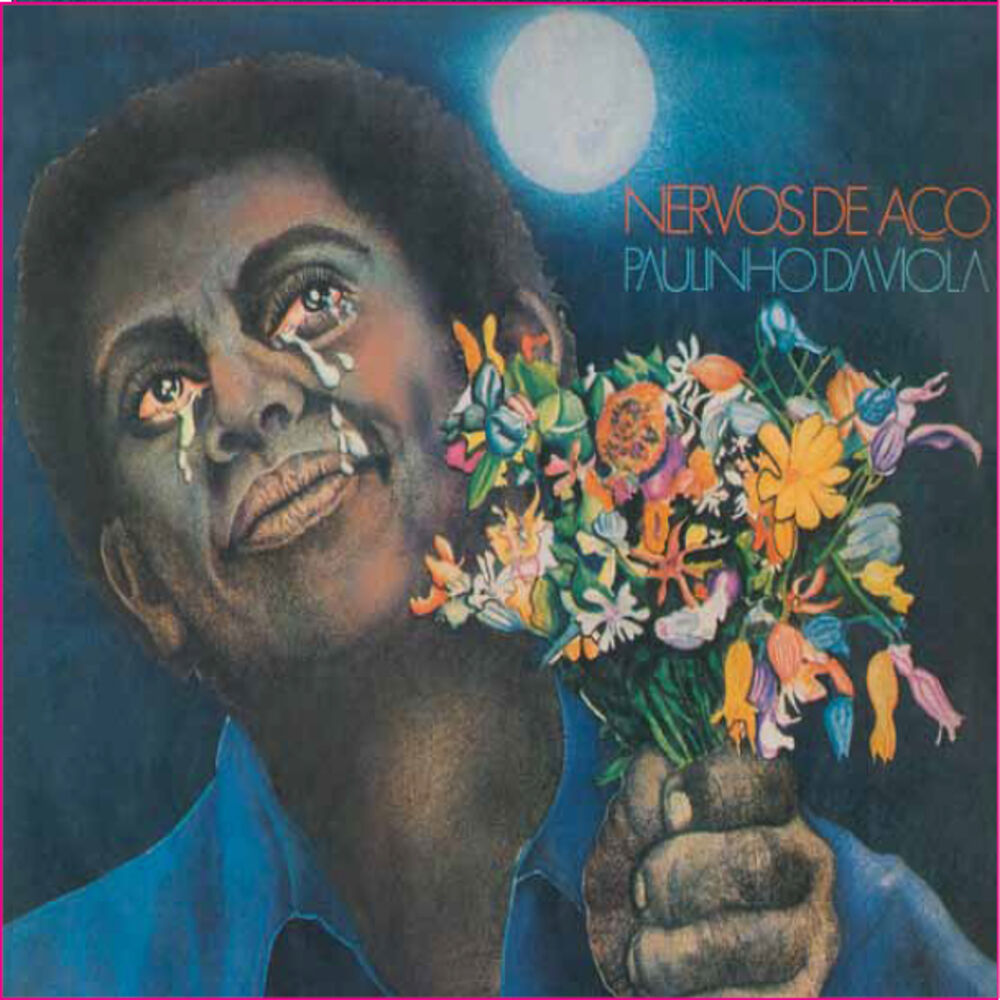
The recording of Nervos de Aço featured a team of Brazilian music notables. Production direction was handled by Milton Miranda, with musical direction and orchestrations by the renowned Maestro Gaya. Other talented musicians also contributed to the arrangements, including Nelsinho, Cristóvão Bastos, Copinha, and Paulinho da Viola himself. The technical sheet credits Toninho and Dacy as recording engineers, Reny R. Lippi in the laboratory, and Nivaldo Duarte for remixing. The album stands out for the participation of heavyweight instrumentalists, such as Cristóvão Bastos on piano and harpsichord, Copinha on flute and clarinet, Nelsinho on trombone, Dininho on double bass and percussion, and Juquinha on drums and percussion. The presence of Elton Medeiros, including with his famous matchbox, and Dom Salvador on harpsichord on some tracks, adds rich and refined sonic layers to the work. The cover, one of the most iconic in Brazilian music, was created by the legendary graphic artist Elifas Andreato. The image, portraying Paulinho crying with a bouquet of withered flowers under the moonlight, evoked melancholy and lost love, themes that permeate several songs. Although the cover was associated with Paulinho's separation at the time, the artist himself minimised this interpretation.
Songs
Nervos de Aço features a balanced repertoire between Paulinho da Viola's original compositions and striking interpretations of classics by other samba and choro masters. The title track, an emblematic samba-canção by Lupicínio Rodrigues, is interpreted by Paulinho with melancholic and intimate depth, addressing the intense suffering of unrequited love and the difficulty of maintaining composure in the face of pain, differing from Francisco Alves's original version. Among Paulinho's compositions, "Roendo as Unhas" is a highlight, expressing anxiety and sadness with sophisticated arrangements of piano, flute, and trombone, and notable for its metric similarities to Chico Buarque's "Construção". Other tracks include the album's opener, Mijinha's "Sentimentos", which features Copinha's clarinet and the choir of the Velha Guarda da Portela, and "Não Leve a Mal", a lively samba with cuíca and harpsichord. Side B opens with "Não Quero Mais Amar a Ninguém", a composition by Carlos Cachaça, Cartola, and Zé da Zilda, featuring Dom Salvador on harpsichord, and continues with sambas such as Wilson Batista's "Nega Luzia", and the original compositions "Cidade Submersa" and "Choro Negro". In the latter, Paulinho da Viola takes on the cavaquinho, marking a return to his choro roots. The album also features a version of Chico Buarque's "Sonho de um Carnaval", completing a rich tapestry of feelings and sounds that became the artist's signature.

A reserved artist, little given to the limelight, Paulinho da Viola bared his soul on Nervos de aço, recorded after a relationship breakdown.
Tárik de Souza · 300 Discos Importantes
Legacy
Nervos de Aço is widely acclaimed by critics and the public, recognised as one of the most emblematic albums and a true classic of Brazilian music. Its elegance, coherence, and Paulinho da Viola's masterful transition between samba, choro, and nuances of MPB make it an enduring and essential listen. Several songs from the album have become part of Paulinho da Viola's essential repertoire and the country's musical memory, with the title track, in particular, being considered one of his finest interpretations. Beyond its musical impact, Elifas Andreato's cover art for the record also became an icon, contributing to the album's strong visual identity and its lasting recognition.
Tracks
Credits
Lindolfo Gaya
Milton Miranda
Z. J. Merky
Paulinho Da Viola
Elizeu
Juquinha
Dininho
Copinha
Dazinho, Elizeu, Elton Medeiros
Cristóvão Bastos
Nelson Martins Dos Santos
Reny R. Lippi
Dacy Rodrigues, Toninho
Nivaldo Duarte
Elifas Andreato
Podcasts
Babblin' Bangers · Felipe Beraldi
Babbled about Paulinho da Viola's Nervos de Aço, translated as "Nerves of Steel" by Little Paul of the Guitar. He's known as the prince of samba and the sambista of sambistas amongst his peers, It’s a fine display of how elegant samba can be.
Videos
Paulinho da Viola - Nervos de Aço | ALBUM REVIEW
Som de Peso
Films

Paulinho da Viola - Série Grandes Nomes TV Globo
Paulinho da Viola - Série Grandes Nomes TV Globo
1980
The program brings a career resume of the Samba's master Paulinho da Viola playing classics of MPB like "Sinal Fechado"(Closed Signal), "Nervos de Aço" (Nerves of Steel), "Pecado Capital", "Foi um rio que passou em minha vida" (It was a river that passed in My Life), "Cantando para não chorar" (Singing for not cry) and many others.
Paulinho da Viola: Meu Tempo É Hoje
2004
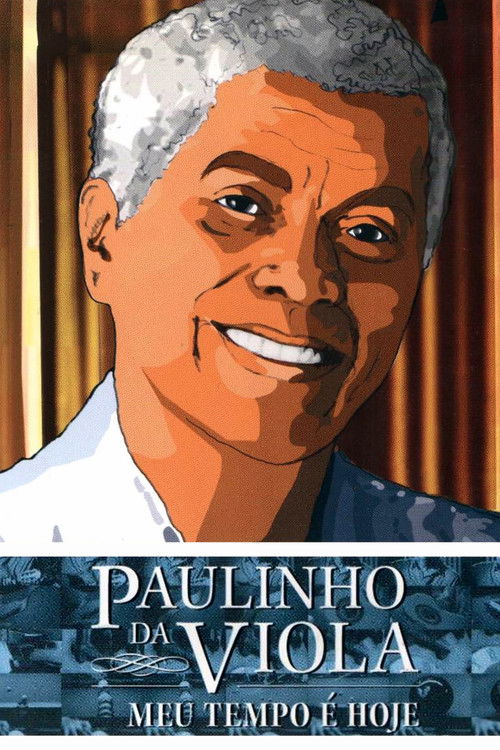
Documentary about Brazilian samba songwriter and singer Paulinho da Viola, one of the most sophisticated musicians of the genre. The film shows his biography, influences, masters and friends, as well his simple and peculiar way of life, with activities like restoring old cars, working with wood, playing billiards.
Books
Os 500 Maiores Álbuns Brasileiros de Todos os Tempos
Ricardo Alexandre · 2022
The largest Brazilian music election ever conducted: 162 specialists, spanning journalists, critics, musicians, producers and podcasters, each nominated 50 essential albums, supported by a masterlist of more than 2,000 works. Led by Ricardo Alexandre with tabulation by Sérgio Jomori, it was published in December 2022 as a 200-page hardcover book with graphic design by Fernando Pires.
Paulinho da Viola, Nervos de Aço
Charles Gavin, Paulinho da Viola, Monarco · 2015
This book presents the full interviews with Paulinho da Viola and Monarco conducted by Charles Gavin for the 'Som do Vinil' episode exclusively dedicated to the anthological album 'Nervos de Aço', released in 1973. It offers a deep analysis and detailed conversations about the album's conception and impact, highlighting its experimental nature and its construction based on an ostinato.

300 Discos Importantes da Música Brasileira
Charles Gavin, Tárik de Souza, Carlos Calado, Arthur Dapieve · 2008
Conceived by Titãs drummer and musical researcher Charles Gavin, the 434-page book brings together covers and reviews of albums released between 1929 and 2007. The texts were written by journalists Tárik de Souza, Arthur Dapieve and Carlos Calado.
Analyses
Nervos de Aço – Wikipedia
Wikipedia, the free encyclopaedia
Nervos de Aço – The 100 Greatest Albums of Brazilian Music
Antônio do Amaral Rocha · Rolling Stone Brasil
"Nervos de Aço" (Lupicínio Rodrigues), a heartbreak classic.
Como Nervos de Aço, de Paulinho da Viola, reuniu grandes músicos em 1973
rollingstone.com.br
Nervos de Aço (1973) is one of the albums reviewed in the 'Especial 80 Anos de Música', an exclusive edition of Rolling Stone Brasil dedicated to the 'Geração 1942', which brings together essential names from MPB, such as Gilberto Gil, Milton Nascimento, Caetano Veloso and Paulinho da Viola himself.
G. Álbuns: Paulinho da Viola | Nervos de Aço (1973) - Na Mira do Groove
namiradogroove.com.br
More versatile than he showed on his previous 'Dança da Solidão' (1972), Paulinho da Viola navigates popular rhythms with the serenity of someone who found maturity, both artistic and sentimental, in the streets (and in disillusionment).
Paulinho da Viola em Nervos de Aço - TV Cultura
cultura.uol.com.br
This week, 'Nervos de Aço' by Paulinho da Viola. We will listen to the album in full, with stories and testimonies from pianist Cristóvão Bastos, critic Tárik de Souza, and the author of the controversial cover, Elifas Andreatto.