Paulinho da Viola
Paulinho da Viola
1971
Rankings
Why This Album Matters
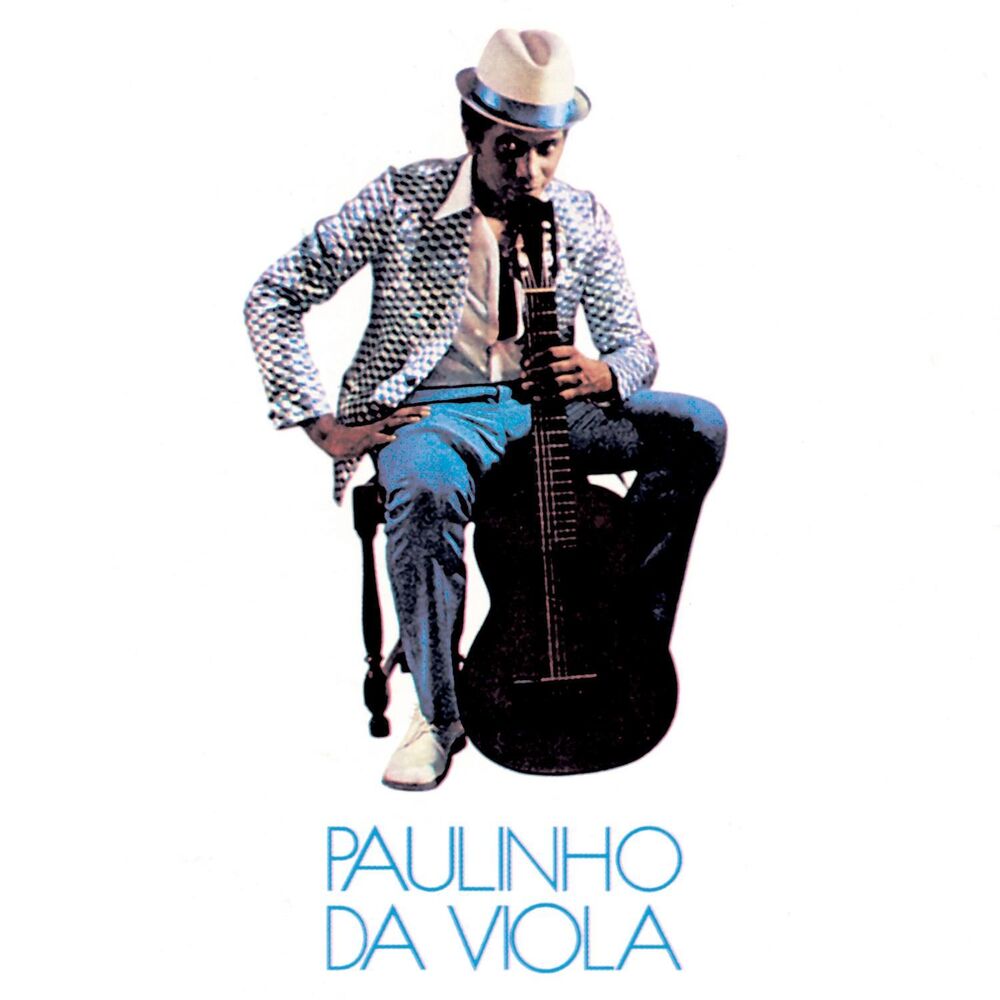
Paulinho da Viola, his fourth studio album released in 1971, consolidates the mastery of the Carioca samba artist. This work stands out for its carefully curated repertoire, which balances his own compositions with the revelation of emerging samba talents. The album is a celebration of the genre's authenticity, presenting a rich and diverse panorama of Brazilian popular music of the era.
Context
This 1971 album is notably the second of two eponymous LPs released by the artist in the same year, demonstrating a period of great productivity and creativity from Paulinho da Viola.
Recording
The technical sheet details the team behind the production, with Milton Miranda as production director and Lindolfo Gaya acting as musical director and orchestrator. The recording was conducted by technicians Jorge and Nivaldo, under the technical direction of Z. J. Merky, with Reny R. Lippi in the laboratory. The team of musicians included figures such as Copinha on flute and clarinet, Elton Medeiros, Mestre Marçal and Oscar on rhythm, as well as Elizeu and Juquinha on drums, Dininho on double bass, Norato on trombone, and Maurílio on piston. The layout and drawings were by Elifas Andreato, with photography by Geraldo Guimarães / Abril Press.
Songs
The album is notable for introducing then-unknown composers to the general public, such as Mauro Duarte and Walter Nunes (Walter Alfaiate) on the song "Cuidado, Teu Orgulho Te Mata", and Monarco and Chico Santana on "Lenço". His collaboration with Elton Medeiros yielded "Moema Morenou", a track crafted in the partido-alto style. Paulinho da Viola also dedicated a personal tribute in the song "Para um amor no Recife", directed at Dedé Aureliano from Pernambuco. The repertoire also includes compositions by Benil Santos and Raul Sampaio ("Mal de amor"), and Paulo Gesta, Guilherme de Brito and Nelson Cavaquinho ("Depois da vida"), in addition to Valzinho and Orestes Barbosa ("Óculos escuros").
Tracks
Credits
Lindolfo Gaya
Lyrio Panicali
Milton Miranda
Z. J. Merky
Jorge Teixeira, Nivaldo Duarte
Reny R. Lippi
Roselie Tolentino Castro Rebelo
Marisa Alves
Films

Paulinho da Viola: Meu Tempo É Hoje
2004
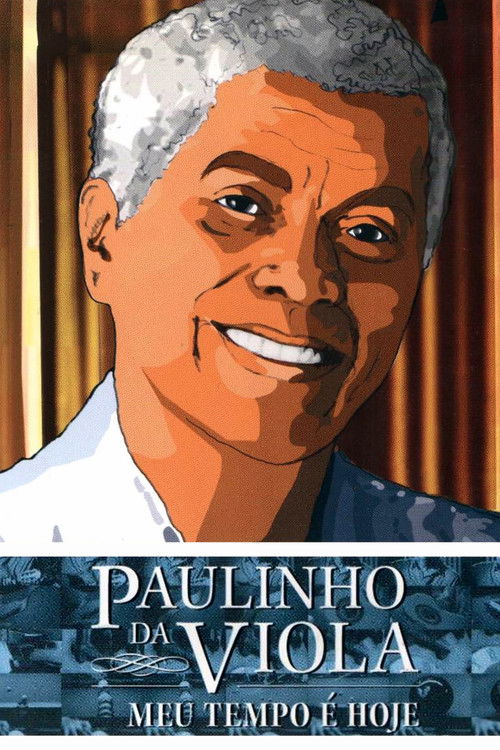
Documentary about Brazilian samba songwriter and singer Paulinho da Viola, one of the most sophisticated musicians of the genre. The film shows his biography, influences, masters and friends, as well his simple and peculiar way of life, with activities like restoring old cars, working with wood, playing billiards.
Paulinho da Viola - Série Grandes Nomes TV Globo
Paulinho da Viola - Série Grandes Nomes TV Globo
1980
The program brings a career resume of the Samba's master Paulinho da Viola playing classics of MPB like "Sinal Fechado"(Closed Signal), "Nervos de Aço" (Nerves of Steel), "Pecado Capital", "Foi um rio que passou em minha vida" (It was a river that passed in My Life), "Cantando para não chorar" (Singing for not cry) and many others.
Books
Os 500 Maiores Álbuns Brasileiros de Todos os Tempos
Ricardo Alexandre · 2022
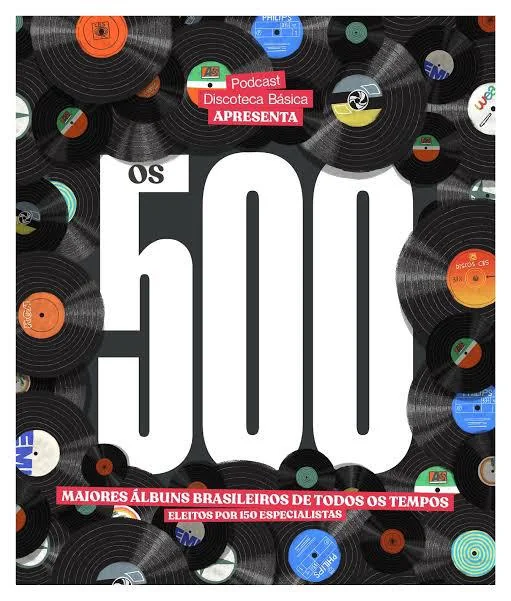
The largest Brazilian music election ever conducted: 162 specialists, spanning journalists, critics, musicians, producers and podcasters, each nominated 50 essential albums, supported by a masterlist of more than 2,000 works. Led by Ricardo Alexandre with tabulation by Sérgio Jomori, it was published in December 2022 as a 200-page hardcover book with graphic design by Fernando Pires.
Paulinho da Viola
João Máximo · 2002
This book presents a comprehensive profile of the life and work of Paulinho da Viola, one of the most important samba artists and composers in Brazilian music. The work addresses his artistic career, his main compositions, and the relevance of his contribution to MPB, covering in depth essential albums such as the self-titled one from 1971.
Analyses
Paulinho da Viola – Wikipedia
Wikipedia, the free encyclopaedia
Paulinho da Viola - Paulinho da Viola (1971, Mono pressing)
flabbergasted-vibes.org
Paulinho Da Viola - Paulinho Da Viola 1971 Odeon - MOFB 3670 Style: Samba, MPB Format: Vinyl, LP, Album, Mono Tracklist A1 - Num Samba Curto (02:48) A2 - Pressentimento (02:47) A3 - Para Ver As Meninas (02:47) A4 - Nas Ondas Da Noite (02:06) A5 - Filosofia Do Samba (02:10) A6 - Consumir E Viver (02:42) B1 - Lapa Em Três Tempos (Musica Incidental: Abre A Janela) (02:48) B2 ...

Zero G Sound : Paulinho da Viola - Paulinho da Viola (1971) - Blogger
zerosounds.blogspot.com
Donnerstag, 23. April 2020 Paulinho da Viola - Paulinho da Viola (1971) This album, originally from 1971, was reissued in CD format in 1996 with the original cover and was digitally remastered at the Abbey Road studios in London.
O samba nas nuvens: um disco de Paulinho da Viola (1971)
revistas.usp.br
This essay analyses the first album released by Paulinho da Viola in 1971. The early 70s marked the height of the military dictatorship's repression and the economic miracle.
Paulinho da Viola e o disco que o consolidou como um gênio musical
rollingstone.com.br
Paulinho da Viola (1971) is one of the albums reviewed in 'Especial 80 Anos de Música', an exclusive edition of Rolling Stone Brasil dedicated to the 1942 Generation, which brings together essential names from MPB, such as Gilberto Gil, Milton Nascimento, Caetano Veloso and Paulinho da Viola himself.