Gente da Antiga
Pixinguinha, Clementina de Jesus e João da Baiana
1968

Rankings
Why This Album Matters
Gente da Antiga is a seminal Brazilian music album, released in 1968, bringing together three pillars of samba and choro: Pixinguinha, Clementina de Jesus, and João da Baiana. This encounter of generations and musical styles not only recorded historical performances by masters but also served as a retrieval and celebration of the deepest roots of Brazilian popular music. The album is characterised by its authentic sound, blending the virtuoso instrumental choro with the strength and tradition of samba and Afro-Brazilian chants. The album stands out as a living document of an era, capturing the essence of an art that time has crystallised. It offers a musical experience that transcends simple entertainment, acting as a bridge between the past and present of MPB, and allowing new generations to appreciate the purity and genius of these artists. The reunion of Pixinguinha, Clementina, and João da Baiana in a single work is, in itself, an event of great cultural and artistic value. It is a testament to Brazil's cultural richness, presenting a repertoire that includes choros, sambas, and folklore, interpreted with the mastery and soul of each of those involved. The collaborative work of these icons resulted in an album that is a true lesson in musical history, resonating with a spontaneity and love for music that are palpable on every track.
Context
In the late 1960s, a period of cultural and political effervescence in Brazil, Gente da Antiga emerged as a link to the musical traditions that shaped the country's sonic identity. Pixinguinha, one of the greatest composers and instrumentalists in Brazilian music, was already a living legend of choro, his career marked by the formation of groups like Os Oito Batutas in the early 20th century and by timeless compositions such as "Carinhoso" and "Rosa". Despite having faced financial difficulties and the decline in choro's popularity in previous decades, his presence on the album celebrated his 70th birthday and his inestimable legacy. João da Baiana, a percussionist and sambista who participated in the legendary samba circles at Tia Ciata's house and was a crucial figure in the development of Rio samba, brought with him the ancestry and vigour of the batuques. Clementina de Jesus, in turn, represented the powerful voice and living memory of African chants and roots samba, her career having been consolidated from the 1960s onwards and her being revered for her authenticity and connection to traditions. The album, therefore, brought together the 'holy trinity' of samba and choro, each with their consolidated trajectory and unquestionable importance in Brazilian music.
Recording
The album Gente da Antiga was recorded by Odeon in January 1968, with sessions on the 10th, 11th, and 17th. Production was handled by Hermínio Bello de Carvalho, who sought a recording environment that would preserve the artists' spontaneity and essence. The intention was to recreate the atmosphere of the old 'festas da Penha', where music was made purely for love and without excessively elaborate arrangements, resulting in a raw and true sound. To ensure this authenticity, no complex arrangements were planned, allowing each artist to express their inventiveness and emotion organically. The record featured the participation of flautist Manoelzinho, who had previously worked with Hermínio Bello de Carvalho, further enriching the album's sound. This minimalist approach, focused on the genuine performance of the musicians, became one of the album's hallmarks and most appreciated features.
Songs
The repertoire of Gente da Antiga is a rich tapestry of the artists' own compositions and folk songs, reflecting the diversity and depth of Brazilian popular music. The album features twelve tracks that alternate between instrumental choro moments and vocal numbers laden with emotion and history. Among Pixinguinha's songs, "Os Oito Batutas" and "Yaô" stand out, showcasing his melodic and harmonic genius, and "Fala Baixinho", with Hermínio Bello de Carvalho's lyrical collaboration. João da Baiana contributes vibrant sambas such as "Quê, Quê, Rê, Quê, Quê" and "Batuque na Cozinha", which highlight his talent as a composer and the contagious energy of his percussion and voice. Clementina de Jesus, with her unique voice, brings to life folk songs like "Roxá" and "A Tua Sina", as well as "Mironga de Moça Branca", which underscore her deep connection to African roots and oral tradition. The lyrics, when present, are simple and direct, evoking everyday life, festivities, and popular beliefs, while the instrumental passages allow Pixinguinha to demonstrate his mastery of the saxophone and flute.
Legacy
Gente da Antiga is widely recognised as an emblematic and highly relevant album in Brazilian discography. Its importance lies in having documented the meeting of three masters at a crucial moment for the preservation and appreciation of roots music. The album is frequently cited for its authenticity and for being a historical document of the samba and choro 'old guard'. Although easily available data on sales or chart positions from the period does not exist, the album is constantly revered by critics and other musicians, being considered a landmark in Clementina de Jesus' career and one of the last significant recordings by Pixinguinha and João da Baiana. Its influence is manifested in the way it served as inspiration for subsequent generations of artists seeking the essence of Brazilian music. More than five decades after its release, the album continues to be rediscovered and even gained a reinterpretation in 2023, titled "Gente nova da antiga", which attests to its lasting cultural and artistic impact.
Tracks
Credits
Lyrio Panicali
Maestro Nelsinho
Milton Miranda
Anescar Pereira Filho, Copacabana, Jair Avellar, Jairzinho Da Portela, Nelson Sargento, Pedrinho Rodrigues, Zézinho
Clementina De Jesus, João Da Baiana
Canhoto
Jorge Arena
Manoelzinho Da Flauta
Dino 7 Cordas, Meira
Gilberto, Luna
Nilton Delfino Marçal
Hermínio Bello De Carvalho
Pixinguinha
Maestro Nelsinho
Jorge Teixeira Da Rocha, Reny R. Lippi, Z. J. Merky
Glauco Rodrigues
Pedro De Moraes
Films

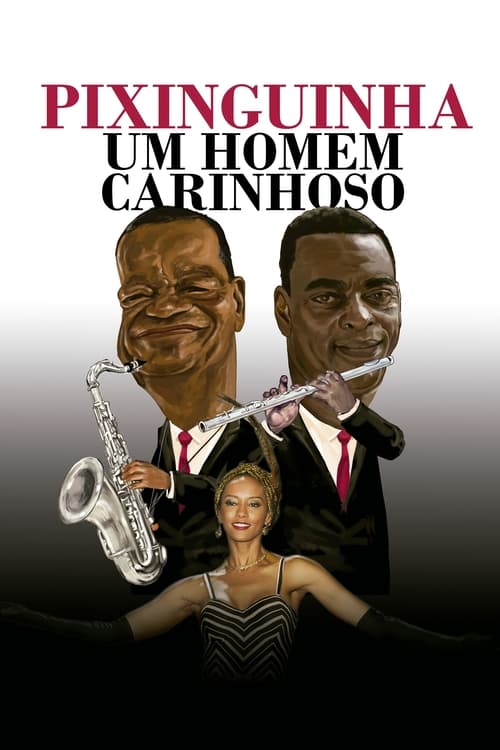
Pixinguinha, an Affectionate Man
2021
The life of legendary Brazilian musician Alfredo da Rocha Vianna Filho, better known as Pixinguinha.
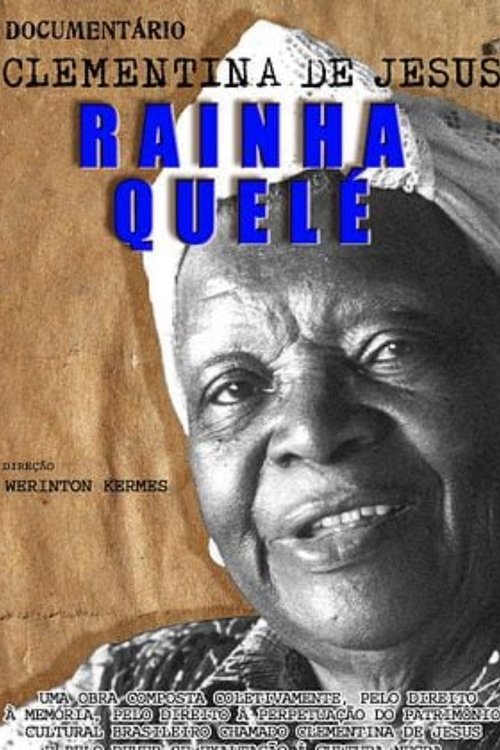
Clementina de Jesus — Rainha Quelé
This documentary aims to honour singer Clementina de Jesus, a poor Black woman who sang with Paulinho da Viola, João Bosco and Pixinguinha, but garnered little interest from record labels. Using testimonies and archive material collected over more than ten years, the film believes that "it is the right of every Brazilian citizen to know the figure and the unique voice of Clementina de Jesus".
Books
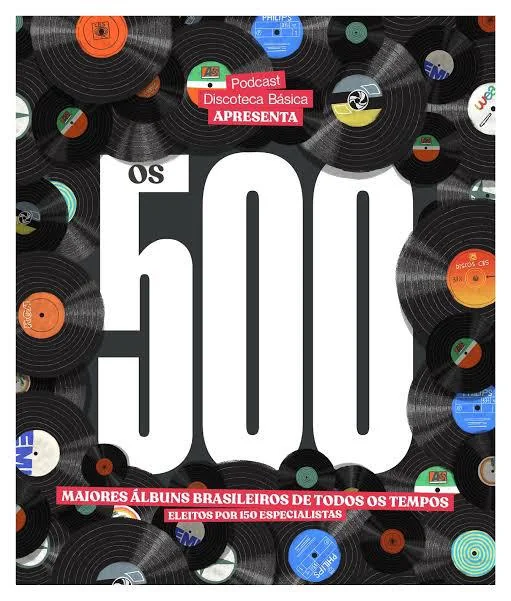
Os 500 Maiores Álbuns Brasileiros de Todos os Tempos
Ricardo Alexandre · 2022
The largest Brazilian music election ever conducted: 162 specialists, spanning journalists, critics, musicians, producers and podcasters, each nominated 50 essential albums, supported by a masterlist of more than 2,000 works. Led by Ricardo Alexandre with tabulation by Sérgio Jomori, it was published in December 2022 as a 200-page hardcover book with graphic design by Fernando Pires.
Álbum 1 - 1950 a 1972
Pedro Alexandre Sanches · 2021
How to tell the story of Brazilian music? The Álbum series proposes to start from these creations that transcend time and mark the experience of different generations: the records. Starting in 1950 and continuing to the present day, the journalist and music critic Pedro Alexandre Sanches recounts this story by visiting the trajectory of crucial albums. The volume 'Álbum 1' covers the period from 1950 to 1972, in which the album 'Gente da Antiga' (1968) is included, making its analysis or significant mention probable due to its relevance and the artists involved.
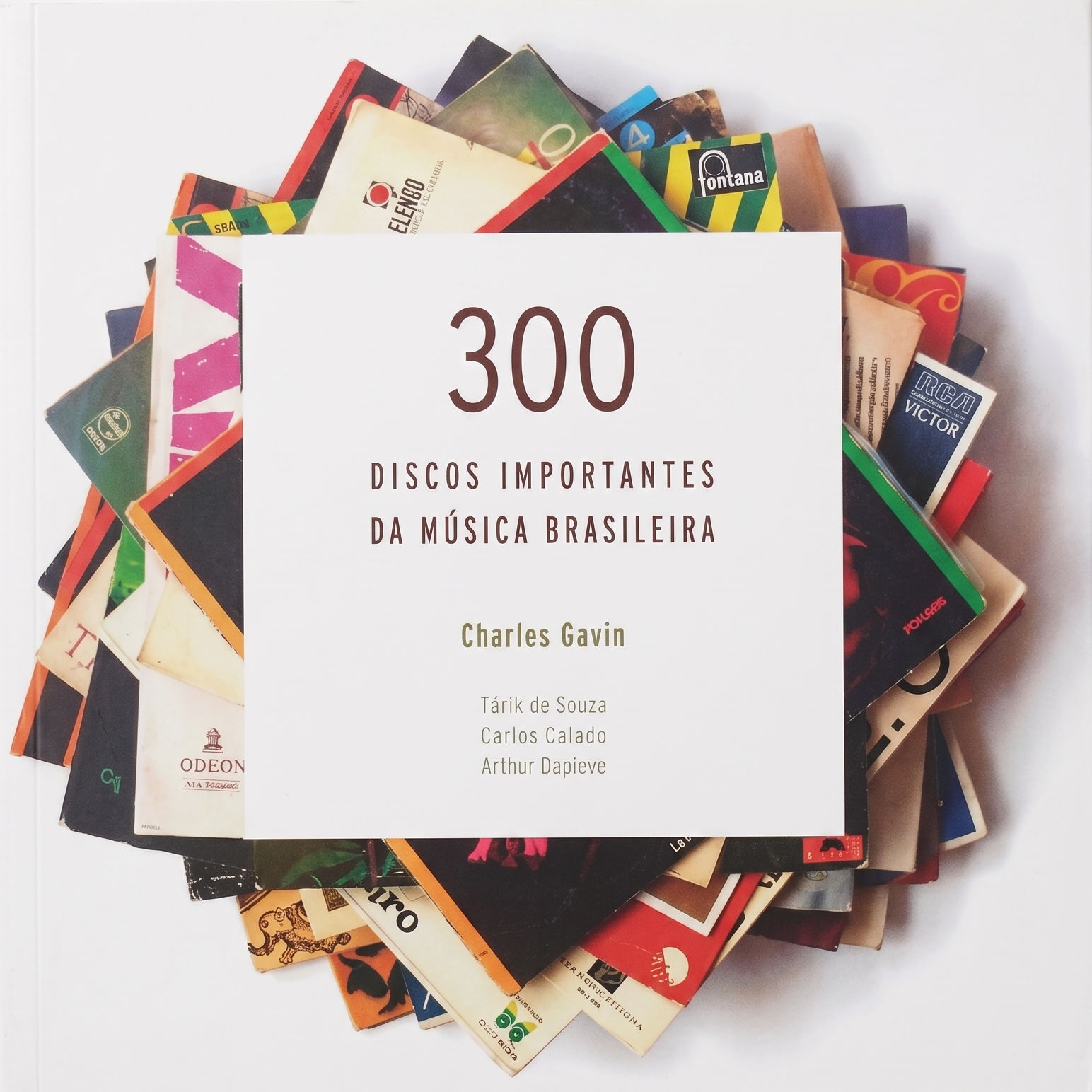
300 Discos Importantes da Música Brasileira
Charles Gavin, Tárik de Souza, Carlos Calado, Arthur Dapieve · 2008
Conceived by Titãs drummer and musical researcher Charles Gavin, the 434-page book brings together covers and reviews of albums released between 1929 and 2007. The texts were written by journalists Tárik de Souza, Arthur Dapieve and Carlos Calado.
Analyses

Saciricando: Gente da Antiga (1968) - sacipererebrasil.blogspot.com
sacipererebrasil.blogspot.com
GENTE DA ANTIGA (1968) Pixinguinha, Clementina De Jesus & João Da Baiana CD EMI Music Brasil 2003 DISCOTECA F

Álbum de Clementina de Jesus, João da Baiana e Pixinguinha ganha ...
mrznoticias.wordpress.com
The 1968 album features the repertoire recreated by Áurea Martins, André Gabeh and Vidal Assis with arrangements by Lui Coimbra. Clementina de Jesus, Pixinguinha (in the centre) and João da Baiana in the cover photo of the 1968 album 'Gente da antiga'.
Álbum de Clementina de Jesus, João da Baiana e Pixinguinha ganha ... - G1
g1.globo.com
A Rio de Janeiro journalist who has been writing about music since 1987, with stints at 'O Globo' and 'Bizz'. Provides a guide for all tribes. The 1968 album features the repertoire recreated by Áurea Martins, André Gabeh and Vidal Assis with arrangements by Lui Coimbra.

MUSICA&SOM: 1968 - Pixinguinha, Clementina de Jesus, João da Baiana ...
tabernanovostempos.blogspot.com
In chronicling each track on this album, I want to highlight the tremendous power given to this LP by the trio Canhoto-Dino-Meira, excellent, privileged, unique musicians in the genre.
Reverência e reinvenção - NewMag
newmag.com.br
Áurea Martins joins Vidal Assis and André Gabeh to recreate the repertoire of the album that brought together MPB geniuses. Three great talents of our Black music came together in 1968 on an album that would go down in the history of Brazilian music.