Quarteto Novo
Quarteto Novo
1967

Rankings
Why This Album Matters
Quarteto Novo, the only album released by the group of the same name in 1967, is a seminal work and a watershed moment in Brazilian instrumental music. Recognised for its innovative fusion of Northeastern rhythms, such as baião and forró, with the sophistication of bebop and folk elements, the record solidified a genuinely Brazilian sound while projecting it onto the global jazz scene. NPR, for instance, described the album as "a pastoral stroll through the Brazilian countryside, with long trails of joy flowing behind it", capturing the work's lyrical and vibrant essence. With a predominantly acoustic aesthetic and arrangements of notable inventiveness, Quarteto Novo built a bridge between Brazil's rich regional musical traditions and the language of modern jazz. This work, which condenses the pulse of the Northeast into an acoustic format and infuses jazz improvisation with the earthy insistence of baião and rural folk traditions, is a living testament to musical collaboration and cross-pollination. Beyond its intrinsic artistic relevance, the album played a crucial role in launching and consolidating the careers of some of its members, who would become leading figures in global instrumental music, such as Hermeto Pascoal and Airto Moreira.
Context
Quarteto Novo emerged in São Paulo in 1966, initially as Trio Novo, with Theo de Barros (double bass and acoustic guitar), Heraldo do Monte (viola caipira and electric guitar), and Airto Moreira (drums and percussion). The group's initial purpose was to accompany the renowned singer and composer Geraldo Vandré in his performances and recordings. This partnership was fundamental during an effervescent period of MPB, marked by song festivals, where the group already demonstrated its mastery by accompanying Vandré on "Canto Geral" and, notably, on the song "Disparada", performed by Jair Rodrigues at the 1966 Festival de Música Popular Brasileira. With the arrival of flautist and pianist Hermeto Pascoal, Trio Novo transformed into Quarteto Novo, adding an extra layer of virtuosity and experimentation to the already promising line-up. In 1967, the group consolidated its reputation by accompanying Edu Lobo and Marília Medalha in their performance of "Ponteio", the winning song of the 3º Festival de Música Popular Brasileira, showcasing the power of its innovative sound to a wide audience. The members, hailing from various regions of Brazil, brought with them a rich influence from regional styles, especially the Northeastern baião, which would become a distinctive mark of the album.
Recording
The album Quarteto Novo was recorded in 1966 and released in 1967 by the Odeon Records label. The album's production was handled by Quarteto Novo itself, which allowed the group complete freedom to explore its musical vision. The album's sound is notably organic, rooted in acoustic instrumentation and developed through a collective intuition that valued spontaneity and interaction among the musicians. This recording approach, focused on the acoustic essence of the instruments, allowed the rich timbres of Heraldo do Monte's viola caipira, Theo de Barros's bass and acoustic guitar, Hermeto Pascoal's flute and piano, and Airto Moreira's drums and percussion to shine with clarity and depth. The technical quality and intrinsic musicality of the arrangements were crucial for capturing the rhythmic complexity and melodic inventiveness that would become the album's signature.
Songs
Quarteto Novo's tracklist is a mosaic of compositions that explore the richness of Brazilian music, with contributions from Geraldo Vandré, Hermeto Pascoal, Luiz Gonzaga, Zé Dantas, Heraldo do Monte, Airto Moreira, and Theo de Barros. The opening track, "O Ôvo", by Geraldo Vandré and Hermeto Pascoal, is described as lively and choro-inspired, immediately establishing the work's innovative tone. Another highlight is "Algodão", a classic by Luiz Gonzaga and Zé Dantas, which, in Quarteto Novo's arrangement, receives an exquisite deconstruction, with sensually elegant piano figures scattered throughout its seven minutes, a considerable duration for Brazilian music of the time. Songs such as "Canto Geral" already foreshadowed the experimentalism that would mark Hermeto Pascoal's career. The album is notable for the fluidity and mutual responsiveness among its members, with a cohesive dialogue between Brazilian forms and jazz vocabulary. Furthermore, it was one of the first Brazilian albums to feature compositions using odd time signatures with a samba feel, a touch of audacity that demonstrated the group's avant-garde nature.
Legacy
Quarteto Novo, despite being the group's only album, left an immense and lasting musical legacy. Specialist critics received it with enthusiasm, with NPR classifying it as "a pastoral stroll through the Brazilian countryside". Its importance was quickly recognised, winning the Troféu Imprensa for "Best Televised Recording by a Musical Group" and the Troféu Roquette Pinto in 1967. Over the decades, the album became a "cult object" both in Brazil and abroad, directly influencing jazz and pop music. Popular artists in America, the United Kingdom, and Europe incorporated elements of the baião style into their own works, demonstrating the wide resonance of Quarteto Novo's sound. The album not only launched the recording careers of its young members but also paved a new path for Brazilian instrumental music. Hermeto Pascoal and Airto Moreira, in particular, achieved international renown, with Airto becoming a sought-after percussionist for names such as Miles Davis, Weather Report, and Chick Corea, and Hermeto being considered a fundamental influence by Miles Davis himself. Heraldo do Monte's work is celebrated for introducing the viola caipira into instrumental music, and Theo de Barros consolidated his career as a composer, with songs such as "Disparada". The album has been regularly reissued, with versions in 1973, 2002, 2003, 2008, and even a recent reissue in 2025, which attests to its continuous relevance and collectors' demand for this record, considered rare. The instigating and modern sound of Quarteto Novo continues to inspire and be rediscovered by new generations of listeners and musicians.
Tracks
Credits
Moacyr Rocha
Studio Maitiry
Podcasts
Antigas Novidades - podcast de heavy metal, rock progressivo, jazz, blues, MPB e rock classico · Antigas Novidades do Rock
O Quarteto Novo era composto por Theo de Barros (contrabaixo e violão); Heraldo do Monte (viola e guitarra); o flautista Hermeto Pascoal e Airto Moreira (bateria e percussão). Em 1967 o conjunto grava o seu único LP: Quarteto Novo, o melhor disco instrumental que o Brasil já produziu!. Além do Aroldo Glomb temos na bancada Thiago Pacheco, do podcast Estante Secreta, o Eduardo Masses, do Conversa
Books
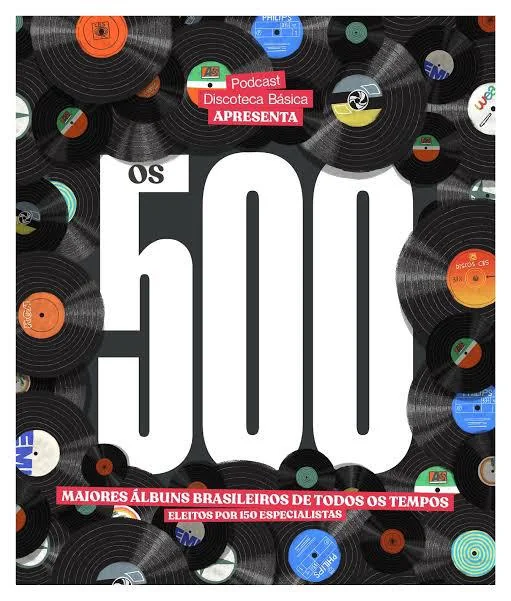
Os 500 Maiores Álbuns Brasileiros de Todos os Tempos
Ricardo Alexandre · 2022
The largest Brazilian music election ever conducted: 162 specialists, spanning journalists, critics, musicians, producers and podcasters, each nominated 50 essential albums, supported by a masterlist of more than 2,000 works. Led by Ricardo Alexandre with tabulation by Sérgio Jomori, it was published in December 2022 as a 200-page hardcover book with graphic design by Fernando Pires.
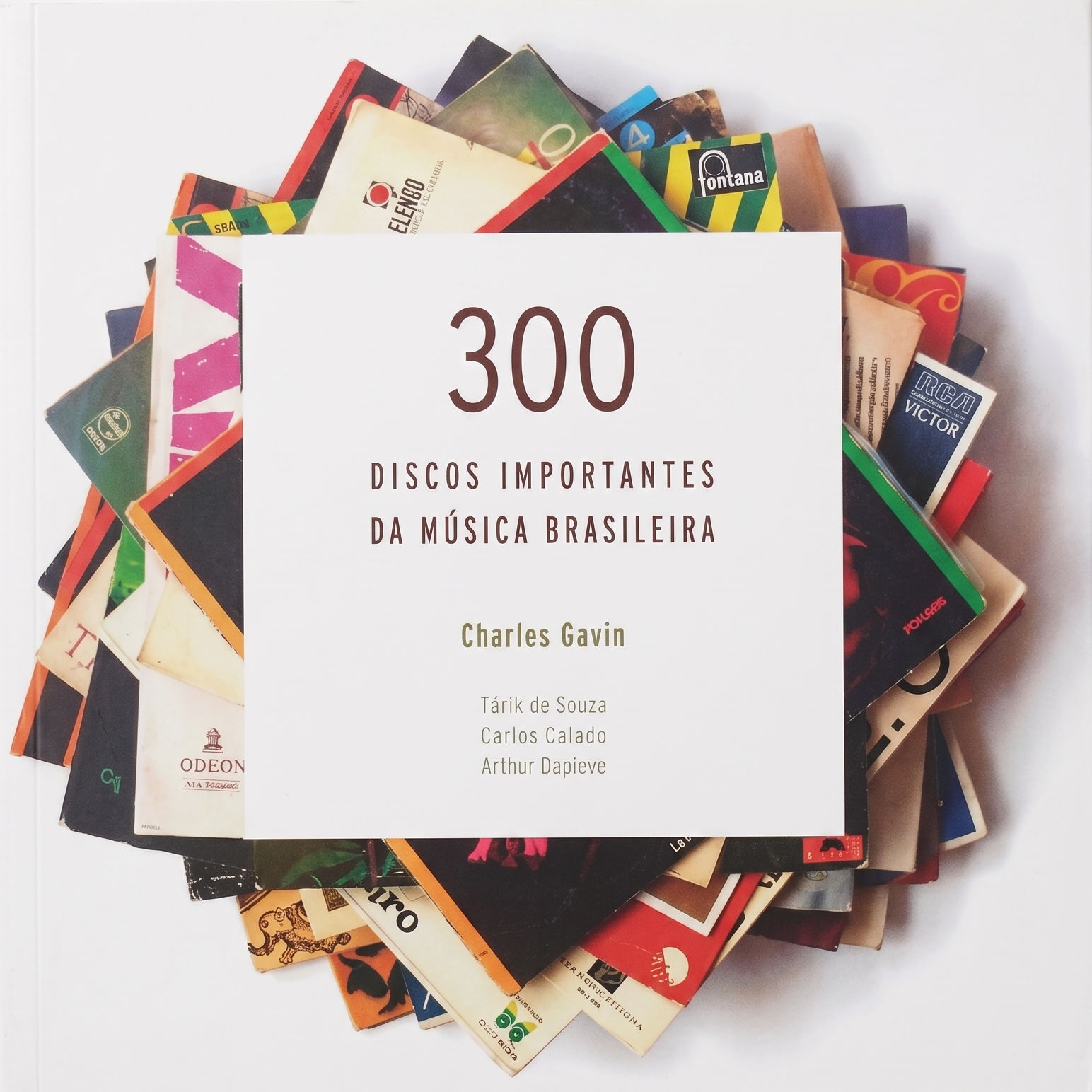
300 Discos Importantes da Música Brasileira
Charles Gavin, Tárik de Souza, Carlos Calado, Arthur Dapieve · 2008
Conceived by Titãs drummer and musical researcher Charles Gavin, the 434-page book brings together covers and reviews of albums released between 1929 and 2007. The texts were written by journalists Tárik de Souza, Arthur Dapieve and Carlos Calado.
Analyses
Quarteto Novo – Wikipedia
Wikipedia, the free encyclopaedia
Quarteto Novo - Quarteto Novo (1967) - Flabbergasted Vibes
flabbergasted-vibes.org
Quarteto Novo - Quarteto Novo (1967) by Dr. Vibes March 28, 2023 5 Comments Quarteto Novo - Quarteto Novo 1967 Odeon (S)MFOB 3505 EU Reissue 2008 EMI - 5099921674624 Holy hell somebody grab a fire extinguisher because this record cooks so much it started a grease fire and may burn your whole house down. Don't believe me?

Quarteto Novo - Quarteto Novo (1967) ~ Sonora-teste
sonora-teste.blogspot.com
Quarteto Novo is a unique, avant-garde album, far ahead of its time. It is a pioneering work, exploring the full musicality of the musical genre known as Baião, fusing it through arrangements and phrasing that converse with Bossa and Jazz.
Quarteto Novo (1967) | Toque Musical
toque-musicall.com
The supergroup, Quarteto Novo, was formed. And it was right then, in '67, that they recorded this album for Odeon, which today stands as one of the most beautiful works of Brazilian instrumental music. A truly and literally unique album and, in my view, a work that deserved greater attention and promotion.
Quarteto Novo - Quarteto Novo [1967] - musicasdonordeste.net
musicasdonordeste.net
Quarteto Novo was formed by Theo de Barros, Heraldo do Monte, Airto Moreira, and Hermeto Pascoal. The group stayed together for only two years and recorded this single album.