Nada como um Dia após o Outro Dia
Racionais MC's
2002
Rankings
Why This Album Matters
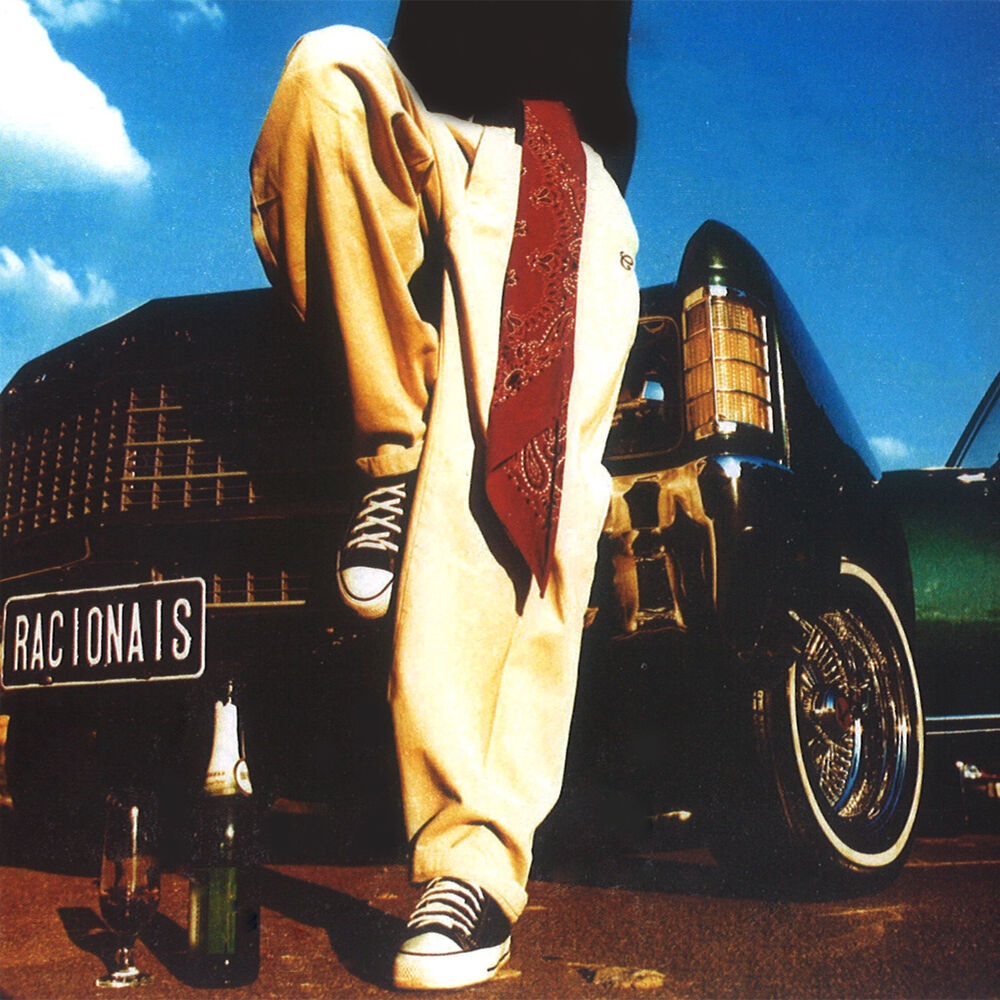
Nada Como um Dia Após o Outro Dia, Racionais MC's' third studio album, released in 2002, represents a landmark in Brazilian music, elevating national rap to a level of artistic and social relevance that transcends the genre's boundaries. This double album, conceptually divided into "Chora Agora" and "Ri Depois", is an ambitious work with 21 tracks exploring the duality of existence in the favelas, transitioning between despair and resilience. Its critical reception was warm, solidifying the group as an unquestionable force in the country's musical landscape. Musically, the album is a rich tapestry that blends rap with influences from soul, funk, and Brazilian popular music. The arrangements are dense and cinematic, built from skilled samples of artists like Marvin Gaye, Curtis Mayfield, and Jorge Ben Jor, creating a soundscape that functions as an authentic urban soundtrack. Songs like "Vida Loka I", "Vida Loka II", "Negro Drama", "Jesus Chorou", and "Estilo Cachorro" emerged as instant classics, defining the sonic and lyrical identity that would become synonymous with the group. The thematic division between the volumes is central to the album's proposition: "Chora Agora" delves into more introspective and darker reflections, while "Ri Depois" offers a more hopeful and affirmative perspective. This conceptual structure, often compared to yin-yang, illustrates the complexity of the emotions and experiences portrayed, solidifying the work as a mirror of Brazilian peripheral reality.

The Racionais are the Legião Urbana of the country's poorer regions, and Renato Russo was just a stroppy indie compared to Mano Brown's magnetism.
Alexandre Matias · Rolling Stone Brasil
Context
The release of Nada Como um Dia Após o Outro Dia occurred after a transitional period for Racionais MC's, who came from the phenomenal success of Sobrevivendo no Inferno (1997), a cult album that sold around one million copies independently. The termination of their distribution contract with Sony and the meticulous dedication to producing new material were factors that delayed the album's arrival. The group approached the project with the vision that it would be "a book: it has a cover, introduction, middle, and end", which explains the long period of a year dedicated to writing, production, and refining the lyrics and sound. This conceptual approach and artisanal care marked the album's creation.
Recording
The album was entirely produced by Racionais MC's themselves, a testament to their autonomy and artistic vision. Recording and technical finalisation were conducted by Daniel Ganjaman, who also contributed with mixing and instrumental arrangements on some tracks, and Zé Gonzales, responsible for co-production and technical direction on several songs. Studio work took place at Estúdio Instituto and Dub Studios, both located in São Paulo, with the mixing finalised at Dub Studios. Mastering was entrusted to Ricardo Garcia, at Magic Master. Art direction for the sleeve was handled by Giuliano Cesar, complemented by photographs by Klaus Mitteldorf on the cover and sleeve, and Marco Venicio in the booklet, lending a striking visual identity to the work.
Songs
The lyrics of Nada Como um Dia Após o Outro Dia maintain Racionais MC's' tradition of presenting a raw, unfiltered portrait of the reality of Brazilian favelas. The album delves deeply into themes such as structural racism, police violence, social inequality, incarceration, and the incessant difficulties faced by the Black and impoverished population in major metropolises. Emblematic tracks like "Negro Drama" and "Vida Loka (Parte I e II)" are notable examples, as they synthesise both social denunciation and an autobiographical dimension of the members, reflecting their personal trajectories and the collective experiences of São Paulo's peripheral communities. The album's conceptual division is also reflected in the musical composition: the Chora Agora volume is characterised by heavier and more melancholic songs, while Ri Depois offers tracks with a more reflective and hopeful tone.
Legacy
Nada Como um Dia Após o Outro Dia was widely acclaimed by critics and quickly established itself as an unquestionable classic of national rap. João Hermogenes, in his "Classic Review" for the Inverso RAP website, highlighted Racionais MC's' relevance as the greatest rap group in Brazilian history, stating that the album deserved the fame it achieved and endures as a classic even decades after its release. However, Hermogenes also pointed out specific criticisms, such as sexism in some lyrics, the length of certain tracks, and aspects of the mixing that might sound dated. The album was honoured with the Hutúz Award for Album of the Year in 2002, the most important national rap award. Amailton Magno de Azevedo, a doctor in history and specialist in Black music, recognised the work as a milestone in the consolidation of "political rap" in Brazil, describing it as a "rap of affirmation, of Black pride, which affirms a proud, dignified, beautiful, and unashamed Black presence". The group itself recognised the importance of this work; KL Jay affirmed that, despite Sobrevivendo no Inferno being a classic, it was Nada Como um Dia Após o Outro Dia that truly solidified Racionais' career. Mano Brown added: “I consider this the greatest album. It went from A to Z in its ideas within the context of the 'quebrada'... of what will last forever.” Released independently by the Cosa Nostra Fonográfica label, the album had an initial run of 50,000 double CD copies, sold predominantly at shows and alternative distribution points, a common practice in rap at the time. Its promotion was based on word of mouth and live performances, gaining significant popularity even with little airplay on radio and television, and its tracks "Vida Loka (Parte I e II)", "Negro Drama", and "Jesus Chorou" became anthems of national rap.
Tracks
Credits
Racionais MC's
Ricardo Garcia
Daniel Ganjaman, Gustavo Lenza
Tejo
Giuliano Cesar
Daniel Ganjaman, Zé Gonzales
Marco Venicio, Robson
Klaus Mitteldorf
Podcasts
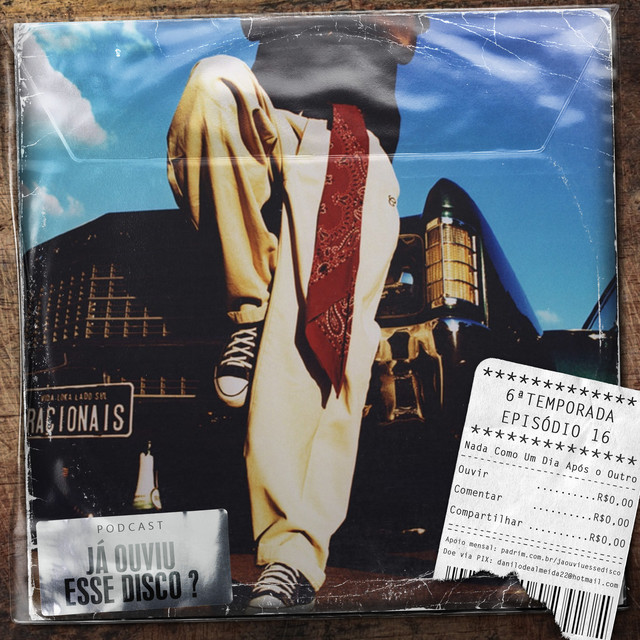
Já ouviu esse disco? · Danilo de Almeida
Quando os Racionais MC's viviam seu auge no fim dos anos 90 após o lançamento de Sobrevivendo no Inferno (1997) o grupo decide se retirar de cena e se reconectar com suas raízes. Após 5 anos de hiato, o grupo retorna maior ainda com o lançamento do disco duplo Nada Como um Dia Após o Outro Dia em 2002, disco que apresentou clássicos como Nego Drama, Jesus Chorou, Vida Loka Pt.1 e Da Ponte pra Cá.

Obra Fechada · Marcelo Fonseca
Olá Eu sou Marcelo Fonseca e esse é o Obra Fechada. O meu podcast que chega a seu segundo ano de existência. Quatro dezenas de episódios depois de seu lançamento, o projeto avança, me conectando com mais gente e fazendo com que possamos pensar juntos, sobre discos, livros e audiovisuais que gostamos. E principalmente buscar entender o impacto que tudo isso, tem em nós. Se você gosta do projeto, si
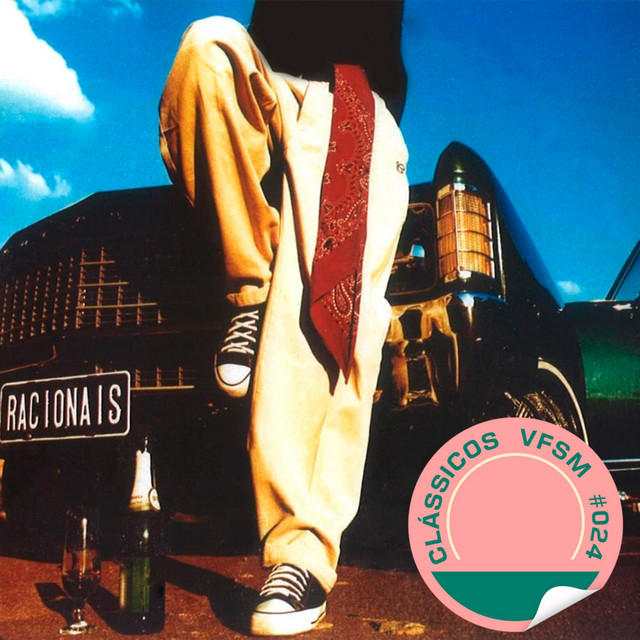
Nesta edição, Helô Cleaver (@helocleaver) e a jornalista Thaís Regina (@apropriathaisregina) revisitam o clássico "Nada Como Um Dia Após o Outro Dia", terceiro álbum de estúdio dos Racionais MC's e obra que apresentou algumas das principais composições do grupo paulistano, como "Vida Loka", "Jesus Chorou" e "Negro Drama".💵 Gostou do nosso podcast? Apoie a gente em padrim.com.br/podcastvfsm e tenh
Videos
Racionais - BASTIDORES + ENTREVISTA - 2002 - Nada Como Um Dia Após o Outro Dia
All Rap Forever
Clássicos VFSM #024 - Racionais MC's: "Nada Como Um Dia Após o Outro Dia"
Vamos Falar Sobre Música
CRISE CRISE CRISE - RACIONAIS MC'S - "NADA COMO UM DIA APÓS O OUTRO DIA"
Telefonemas Podcast
Films

Books
Racionais Entre o Gatilho e a Tempestade
Acauam Oliveira, Ana Lúcia Silva Souza, Bruno de Carvalho Rocha, Janaina Machado, Paula Costa Nunes de Carvalho, Paulo César Ramos, Rachel D'ipolitto de Oliveira Sciré, Silvana Carvalho da Fonseca, Tiaraju Pablo D'andrea, Waldemir Rosa, Walter Garcia da Silveira Junior · 2023
This collective work analyses Racionais MC's, possibly the most important and influential group in Brazilian music over the last 35 years. Directly reaching young people in the peripheries of large Brazilian cities, the group addresses themes of great social impact, such as police violence, social and racial discrimination. The album 'Nada como um Dia após o Outro Dia' is a fundamental piece in the group's discography and would, with high probability, be analysed in depth in this study.
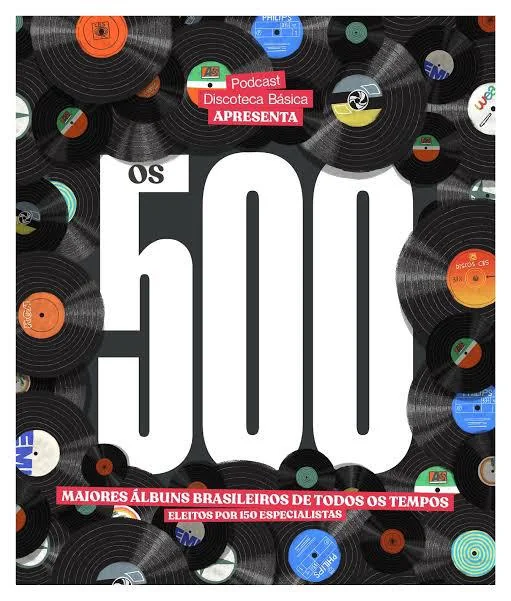
Os 500 Maiores Álbuns Brasileiros de Todos os Tempos
Ricardo Alexandre · 2022
The largest Brazilian music election ever conducted: 162 specialists, spanning journalists, critics, musicians, producers and podcasters, each nominated 50 essential albums, supported by a masterlist of more than 2,000 works. Led by Ricardo Alexandre with tabulation by Sérgio Jomori, it was published in December 2022 as a 200-page hardcover book with graphic design by Fernando Pires.
Analyses
Nada como um Dia após o Outro Dia – Wikipedia
Wikipedia, the free encyclopaedia
Nada como um Dia após o Outro Dia – The 100 Greatest Albums of Brazilian Music
Alexandre Matias · Rolling Stone Brasil
The Racionais are the Legião Urbana of the country's poorer regions, and Renato Russo was just a stroppy indie compared to Mano Brown's magnetism.
Racionais MC's: Quando "Nada Como um Dia Após o Outro Dia" virou ...
rapgrowing.com
The release that made history. On 27th October 2002, Racionais MC's released the double album 'Nada Como um Dia Após o Outro Dia', also known as Chora Agora / Ri Depois. With 21 tracks and over two hours long, the project is considered a watershed moment in Brazilian music.
Nada como um dia após o outro dia - Racionais Mc's - Crítica
intrometendo.com.br
Loved by some, demonised by others, Racionais MC's, a four-man team representing the favelas of São Paulo's periphery, pioneered hardcore hip-hop in Brazil with its gritty sound production and intricate narrative structures that portray the harsh reality of the country's marginalised urban communities.
Nada como um dia após o outro dia, 23 anos depois
tinocomurilo.substack.com
Most of the time, the ruralist capital lobby wins, but, in some cases, there is immediate identification with the songs and their authors, as in the case of funk and trap. On this year's list, I was surprised to see, in seventh place, an album released in 2002: Nada Como um Dia Após o Outro Dia, by Racionais MC's.