Raimundos
Raimundos
1994
Rankings
Why This Album Matters
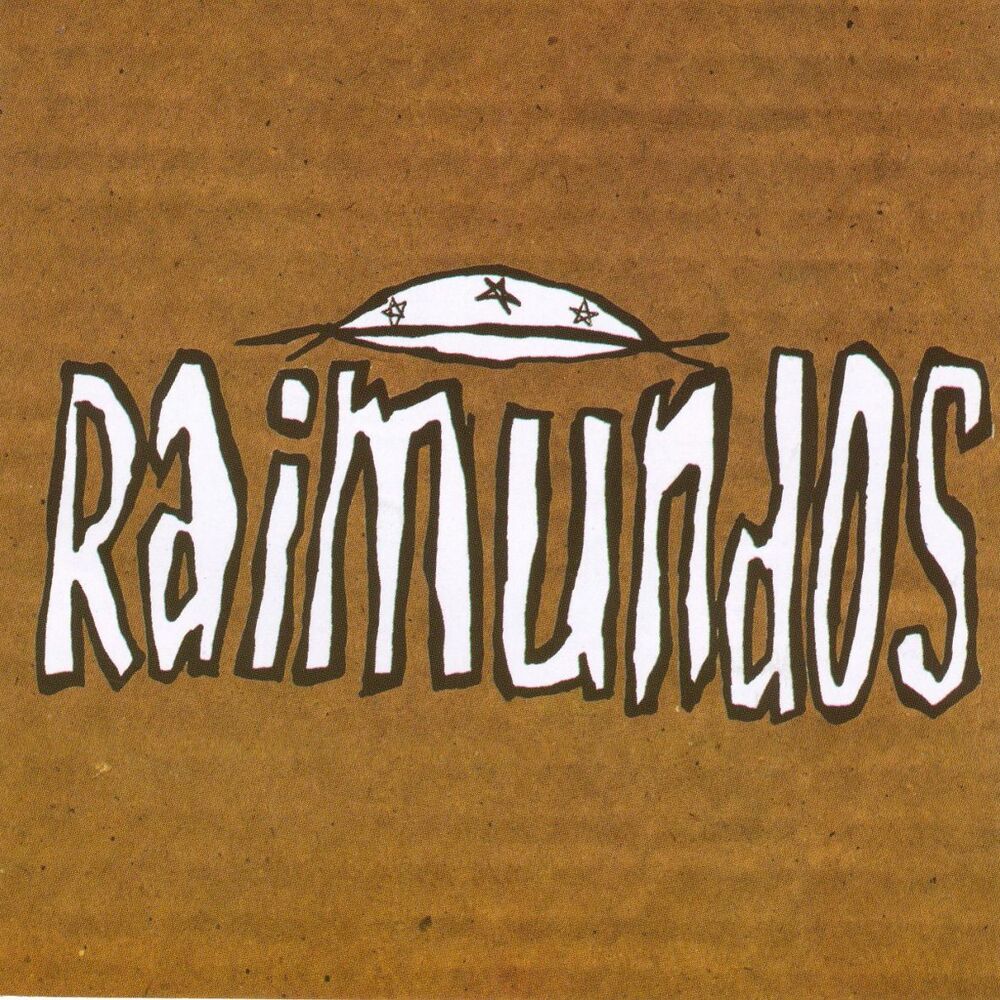
Raimundos is the acclaimed debut album by the eponymous band, released in 1994, which quickly became a landmark in Brazilian rock of the 90s. Produced by the Banguela Records label, an initiative by Titãs in partnership with Carlos Eduardo Miranda, the album solidified the group's irreverent and energetic proposition, blending hardcore punk with elements of forró and Northeastern Brazilian culture. Its unique sound and provocative lyrics captured the attention of a vast audience, establishing the band as a singular force in the musical landscape of the time.

Their debut album, if not the best-selling of their entire career, was the most important of all: it marked a new cycle of bands that would not repeat the clichés (at least not all of them) of the previous generation.
José Julio do Espírito Santo · Rolling Stone Brasil
Context
Before its official release, the band had already been paving its way in the underground scene. In 1993, a year after drummer Fred Castro joined, Raimundos released a demo featuring four tracks: "Nêga Jurêma", "Marújo", "Palhas do Coqueiro" and "Sanidade". This crucial demo served as a passport to the phonographic market, propelling the band to become one of the icons of Brazilian rock from the 90s onwards.
Recording
The album's recording process took place between January and February 1994 at Be Bop studio in São Paulo, utilising 24 channels. Production was a collaboration between the band itself and Carlos Eduardo Miranda, who also handled the artistic direction and mixing, alongside Titãs. The mastering phase was completed at Magic Master in Rio de Janeiro. The technical sheet also details the participation of various additional musicians, such as Nando Reis, João Gordo and Titãs members Paulo Miklos, Branco Mello and Sérgio Britto, adding rich layers to the album's sound.
Songs
The album's lyrics were predominantly written by Rodolfo Abrantes, while the musical compositions were collectively credited to Raimundos. Among the standout tracks, "Nêga Jurema" received a music video directed by José Eduardo Belmonte, which, despite its precarious production, was selected to represent Brazil on MTV in the United States. Other songs such as "Puteiro em João Pessoa", "Palhas do Coqueiro", "Rapante" and "Bê a Bá" also had their own music videos, consolidating the band's visual identity.

Hailing from Brasília, a city built by Northeastern candangos, the quartet Raimundos was in a way in tune with the revolution that Nação Zumbi and mundo livre s/a were playing at the same time in Pernambuco.
Arthur Dapieve · 300 Discos Importantes
Legacy
The album received significant commercial reception, reaching the mark of 200,000 copies sold by mid-1996. The band's visibility was also boosted by the inclusion of "Nêga Jurema" in an MTV selection, competing to represent Brazil internationally, although Sepultura's music video was the winner.
Tracks
Credits
Carlos Eduardo Miranda, Titãs
Lara Pinheiro
Carlos Eduardo Miranda, Raimundos
Rodolfo
Raimundos
Guilherme Bonolo
Tatiana Iranocici Kwiezynski
Daniel Cazalli, Eduardo S.O.D. (Caveria), Rogério Duarte
Ricardo Garcia
Carlos Eduardo Miranda, Guilherme Bonolo, Raimundos, Roberto Leite
Guilherme Bonolo, Roberto Leite
Maurício Leite
Cesar Gavin
Renato Yada, Speto
José Carlos Costa Netto
Rui Mendes
Podcasts

Pânico · Jovem Pan
É DIA DE ROCK! Se você sobreviveu aos anos 90, sabe que o rock nacional não pedia licença pra chutar a porta. Nesta quarta (01), o Pânico recebe o cara que viu tudo isso acontecer de dentro do furacão: Digão, o frontman que lidera os Raimundos até hoje! O maluco que já era um dos melhores bateristas de Brasília aos 15 anos, quase ficou surdo, pegou a guitarra em 1994 e virou a voz de uma das maior
Videos
Raimundos - Discoteca MTV - Raimundos 1994
Canal CMB - Central da Música Brasileira
1994 - Raimundos no Aeroanta SP (Estreia do primeiro Disco) HD
Raimundos -MG
Films

Books
Os 500 Maiores Álbuns Brasileiros de Todos os Tempos
Ricardo Alexandre · 2022
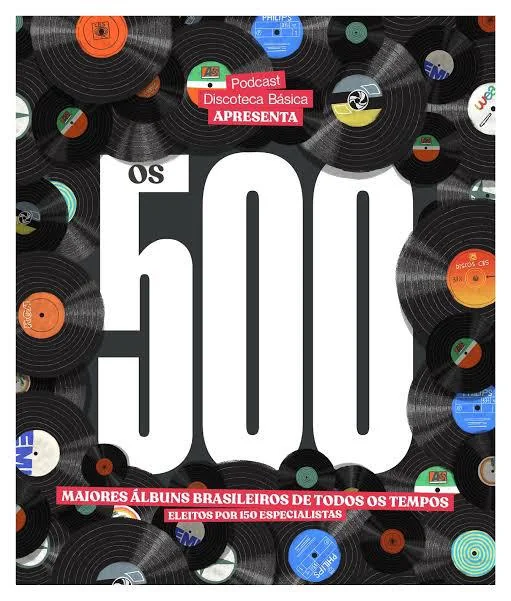
The largest Brazilian music election ever conducted: 162 specialists, spanning journalists, critics, musicians, producers and podcasters, each nominated 50 essential albums, supported by a masterlist of more than 2,000 works. Led by Ricardo Alexandre with tabulation by Sérgio Jomori, it was published in December 2022 as a 200-page hardcover book with graphic design by Fernando Pires.
300 Discos Importantes da Música Brasileira
Charles Gavin, Tárik de Souza, Carlos Calado, Arthur Dapieve · 2008
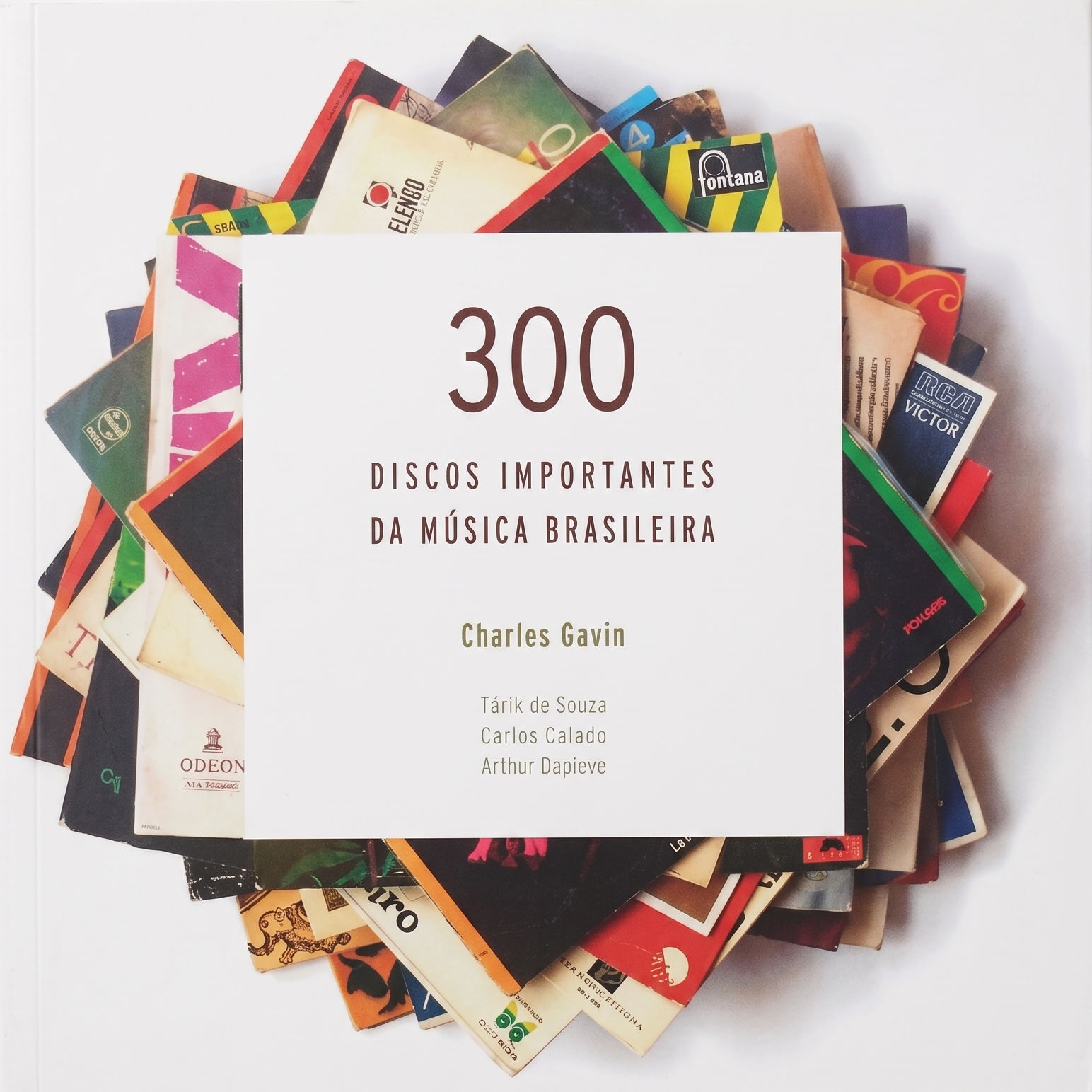
Conceived by Titãs drummer and musical researcher Charles Gavin, the 434-page book brings together covers and reviews of albums released between 1929 and 2007. The texts were written by journalists Tárik de Souza, Arthur Dapieve and Carlos Calado.

Raimundos - O show que nunca terminou
Sergio Vieira
This book addresses the journey of the band Raimundos, exploring its history and impact on the Brazilian rock scene, being an essential source for understanding the group's career and the context of its debut album.
Analyses
Raimundos – Wikipedia
Wikipedia, the free encyclopaedia
Raimundos – The 100 Greatest Albums of Brazilian Music
José Julio do Espírito Santo · Rolling Stone Brasil
Their debut album, if not the best-selling of their entire career, was the most important of all: it marked a new cycle of bands that would not repeat the clichés (at least not all of them) of the previous generation.
Álbuns Históricos: Raimundos (1994) — O choque que virou referência
xrockbrasil.com.br
In 1994, something exploded onto the Brazilian rock scene: the impossible blend between the rage of punk/hardcore and the beats and wordplay of forró. Raimundos' debut album wasn't just a new sound — it was a cultural shock with acid humour, attitude, and choruses that stuck like glue.
A empolgada análise do primeiro disco dos Raimundos publicada nas ...
whiplash.net
One of the most iconic names in Brazilian rock, Raimundos rose to prominence with their eponymous debut album, released in September 1994.
Raimundos - Raimundos [1994] - Consultoria do Rock
consultoriadorock.com
Raimundos sold 150,000 copies, receiving a gold disc, and proved that it was possible to make heavy music with Portuguese lyrics and simultaneously pay the bills, serving as an influence for countless subsequent groups, even if they were far less relevant and of inferior quality.