Há 10 Mil Anos Atrás
Raul Seixas
1976
Rankings
Why This Album Matters
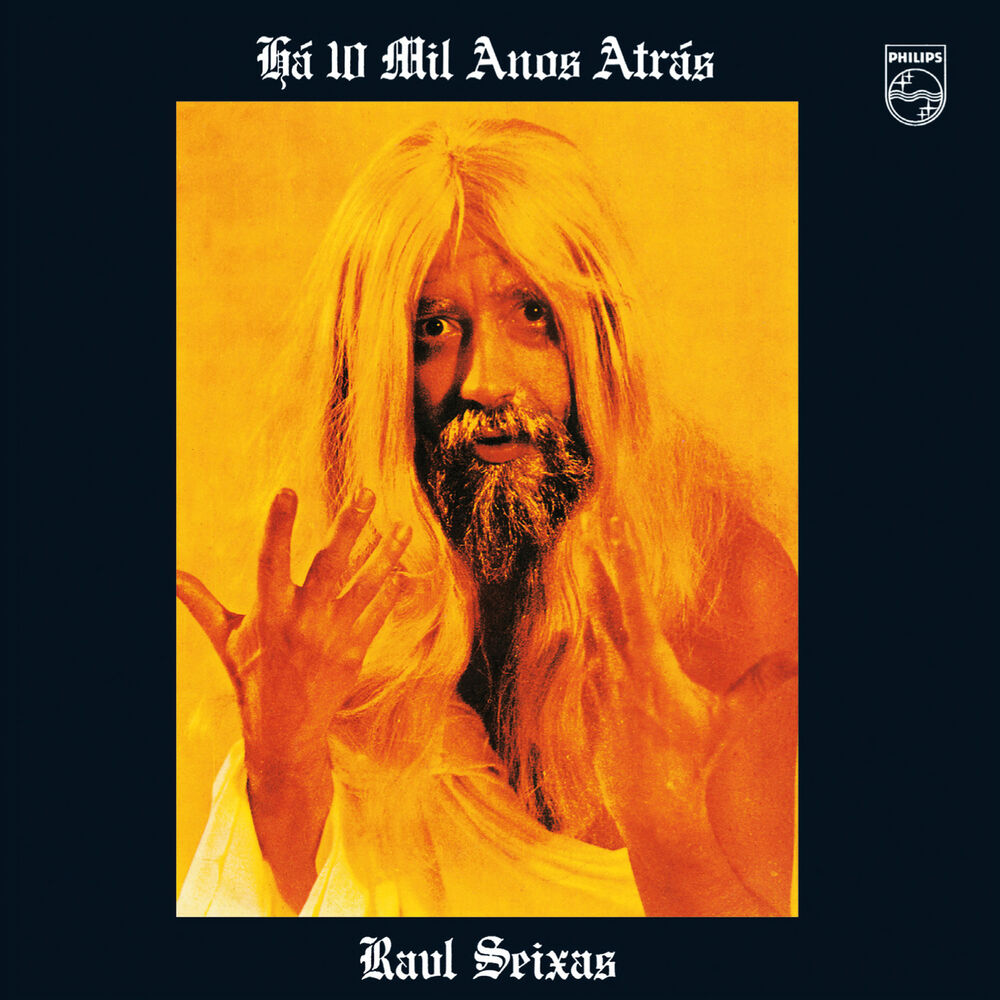
Há 10 mil anos atrás, released in 1976, is one of Raul Seixas's most emblematic albums, solidifying his image as the "Maluco Beleza" (Crazy Beauty) and a master in fusing rhythms and themes. The record stands out for a return to the mysticism and existential reflections that marked the peak of his career, following a period of experimentation on Novo Aeon. It is a work that masterfully navigates between rock, MPB, forró, tango, and country rock, creating a distinctive and unmistakable sound. This album is a time capsule of Raul's irreverence and genius, featuring lyrics that blend philosophy, social criticism, and a touch of irony. Its relevance lies in how Seixas articulates his worldview, inviting the listener on an introspective and questioning journey, always with his trademark musical originality. The instrumental richness, with striking drum timbres, elaborate basslines, and orchestrated arrangements, serves as a conduit for the artist's anarchic and spiritualised ideas.
Context
The album was released in December 1976 by Philips Records, during a period when Raul Seixas was under pressure to deliver a new commercial success. Following the great success of Gita (1974), which sold over 100,000 copies and was certified gold, the album Novo Aeon (1975) had a more modest sales reception, although it still reached 60,000 copies. The record label expected better results, considering Raul's artistic freedom and the production costs of his records. This context of expectation and the need to reaffirm his success prompted Raul to revisit more mystical and introspective themes, which had previously captivated audiences, culminating in the creation of Há 10 mil anos atrás. The record also marks the last album with significant participation from Paulo Coelho as a compositional partner, bringing an end to one of the most prolific and turbulent collaborations in Brazilian music, although they briefly reunited for Mata Virgem in 1978.
Recording
Há 10 mil anos atrás was recorded between May and November 1976 at Phonogram studios, located in Barra da Tijuca, Rio de Janeiro. The album's production was overseen by Sérgio de Carvalho. The recording of the song "Eu Nasci Há 10 Mil Anos Atrás", for example, specifically took place in May and June of the same year, also at Philips' studios in Barra da Tijuca.
Songs
The tracks on Há 10 mil anos atrás showcase remarkable thematic and musical diversity, balancing Raul Seixas's characteristic mysticism with reflections on life and social criticism. Songs such as "Canto para Minha Morte", "O Homem", and the title track "Eu Nasci Há 10 Mil Anos Atrás" delve into introspective and philosophical narratives. "Eu Nasci Há 10 Mil Anos Atrás", in particular, co-written with Paulo Coelho, is one of the biggest successes of the album and Raul's career, with lyrics laden with symbolism, irony, and historical and cultural references that became a true existential manifesto. The album also includes songs with more upbeat atmospheres, such as "Os Números" and "Eu Também Vou Reclamar", which became another major hit. A more electric, guitar-driven version of "As Minas do Rei Salomão", originally from his first album Krig-Há, Bandolo!, is also part of the repertoire. Compositions like "Quando Você Crescer" address simple life in society and the difficulties of social mobility, reflecting on the nuances of an existence considered ordinary, but fulfilling for a suburban family.
Legacy
Há 10 mil anos atrás had a positive reception in terms of sales, marking a recovery compared to the previous album and selling over 100,000 copies. The song "Eu Nasci Há 10 Mil Anos Atrás" received excellent radio airplay, leading Raul to participate twice in the Globo de Ouro programme and to have a music video shown on Fantástico. Although specialised critics initially gave it a cool reception, the record is now widely recognised as one of the highlights of the Bahian composer's career, housing two of his biggest hits: the title track and "Eu Também Vou Reclamar". The album consolidated Raul Seixas's mysticism and his ability to blend musical genres such as rock, MPB, tango, hard rock, repente, forró, and country rock. Raul's legacy, strongly influenced by albums like this one, extends beyond music, as he is perceived as a provocateur and questioner who paved the way for numerous artists. His songs, including those from this album, remain alive in Brazilian popular culture, with the artist's daughter, Vivi Seixas, managing his work.
Tracks
Credits
Miguel Cidras
Sérgio De Carvalho
Ary Carvalhaes, Luigi Hoffer, Luis Cláudio Coutinho
Luigi Hoffer, Sérgio De Carvalho
Jorge Vianna, José Paulo
Aldo Luiz
Januário Garcia
Podcasts
CMM · Crazy Metal Mind
Episódio originalmente publicado em 11/10/2021. No 537º episódio do Podcast mais Rock’n Roll da internets Rômulo Konzen, Patricia Giovanetti e Flávio Bandeira batem papo sobre o disco Há 10 Mil Anos Atrás do Raul Seixas. Trilha sonora do podcast (na ordem): *Raul Seixas - Eu Nasci Há 10 Mil Anos Atrás *Raul Seixas - Meu Amigo Pedro *Raul Seixas - Eu Também Vou Reclamar *Raul Seixas - Canto Par
Crazy Metal Mind
No 537º episódio do Podcast mais Rock’n Roll da internet Rômulo Metal, Patricia Giovanetti e Flávio Bandeira conversam sobre o disco Há 10 Mil Anos Atrás de Raul Seixas, analisando faixa por faixa. O post PodCast #537 – Raul Seixas: Há 10 Mil Anos Atrás apareceu primeiro em Crazy Metal Mind.
Videos
Raul Seixas – Há Dez Mil Anos Atrás: O Disco Místico e Polêmico de 1976
Vinilteca
Episódio 13 - Raul Seixas - Discografia + Bio - 1976 - Há 10 Mil Anos Atrás
Sylvio Passos
"Há 10 Mil Anos Atrás" - Raul Seixas - (1976) - Crítica
LIS - Letra, Imagem e Som
Mel Douglas "Eu nasci a dez mil anos atrás" e " Pare o mundo que eu quero descer"
Genemusical
Raul Seixas - Eu Nasci Há Dez Mil Anos Atrás
Descompactado
Raul Seixas - Eu nasci há dez mil Anos Atrás
Ismael Quines - irquines
Analyses
Há 10 Mil Anos Atrás – Wikipedia
Wikipedia, the free encyclopaedia
Há 10 Mil Anos Atrás é o quinto álbum de estúdio solo do cantor e compositor brasileiro Raul Seixas, lançado em dezembro de 1976 pela gravadora Philips Records e gravado entre maio e novembro do mesmo ano nos estúdios Phonogram na Barra da Tijuca, no Rio de Janeiro. Este disco representou uma volta ao misticismo que marcou o auge de sua carreira, após a relativa baixa de vendas de Novo Aeon, no ano anterior, em que o músico tinha mudado sua postura e a temática de suas canções. O álbum teve uma
Os cinquentões de 2026: Raul Seixas faria sucesso hoje, há cinquenta ou ...
musicult.com.br
Raul Seixas's fifth album, Há Dez Mil Anos Atrás, turns 50 in December 2026. Read a special feature on the album.
Raul Seixas - Há 10 Mil Anos Atrás (1976) - PEQUENOS CLÁSSICOS PERDIDOS
pequenosclassicosperdidos.com.br
Há 10 Mil Anos Atrás was Raulzito's album that really grabbed me, that made me want to know more about this 'maluco beleza' and led me to the rest of his discography. Released 40 years ago, the Bahian artist's fifth album was and remains my companion in silent mental monologues and/or singalongs.

Raul Seixas 7 - Há 10 Mil Anos Atrás (1976) - Blogger
discoadisco.blogspot.com
Raul Seixas 7 - Há 10 Mil Anos Atrás (1976) Hi, I'm Salinas! Following the weak result of Novo Aeon, this is Raul Seixas's second biggest success, losing only to Gita. This album also marks the interruption of his partnership with Paulo Coelho, who co-wrote only one track.
Eu nasci há dez mil anos atrás: desvendando a canção
edneiprocopio.com.br
In this text, we will analyse the song by Raul Seixas and Paulo Coelho, revealing how THE BOOK can be the true narrator of humanity's great events: from Moses in the Red Sea to the myths of rock, from Umbanda to medieval taverns.