Krig-ha, Bandolo!
Raul Seixas
1973
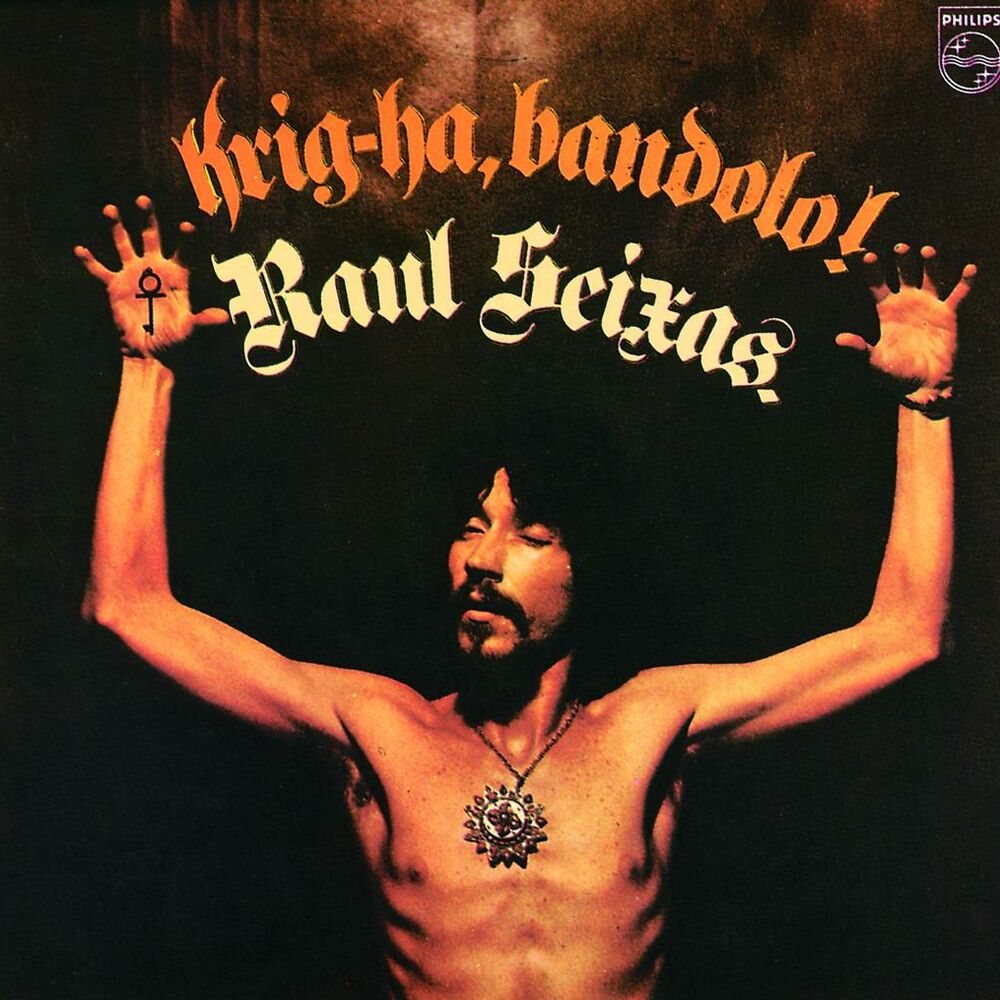
Rankings
Why This Album Matters
Released in 1973, Krig-ha, Bandolo! is not just Raul Seixas's solo debut album, but a definitive milestone that resonated deeply in Brazilian music. With it, the 'Maluco Beleza' consolidated his artistic persona, mixing rock and roll, baião, psychedelic elements, and a philosophical, rebellious lyricism. The album presented an audacious and multifaceted sound, breaking away from the conventions of MPB of the time and establishing a new paradigm for national rock. This singular work is a melting pot of influences, from rockabilly to folk rock, permeated by a lyrical intelligence that employed mockery, irony, and wordplay to address sophisticated themes in a popular manner. Krig-ha, Bandolo! stood out for its musical audacity and Raul Seixas's ability to transition between social engagement and mysticism, establishing his identity as a restless and unconventional artist, whose genius lies in refusing to be categorised into a single label or musical segment.

The foundations of the Sociedade Alternativa were laid, and the first soundtrack of this utopia, frowned upon by the military dictatorship, was Krig- Ha, Bandolo!
José Julio do Espírito Santo · Rolling Stone Brasil
Context
Before his solo success with Krig-ha, Bandolo!, Raul Seixas already had a career marked by experimentation and attempts to establish his artistic vision. In the 60s, he led the group Raulzito e os Panteras, a band that stood out in the Jovem Guarda movement and provided backing for other artists, demonstrating his early passion for rock, influenced by names such as Elvis Presley and Little Richard. Subsequently, Raul worked as a producer at CBS Records, an experience which, though frustrating for his aspirations as a singer, yielded the eccentric and misunderstood album Sociedade da Grã-Ordem Kavernista Apresenta Sessão das 10, alongside Sérgio Sampaio, Miriam Batucada, and Edy Star. In 1973, before the release of Krig-ha, Bandolo!, he was also involved in the project Os 24 Maiores Sucessos da Era do Rock, initially credited to a fictitious band. This journey of exploration and maturation culminated in Krig-ha, Bandolo!, his first work to achieve national repercussion in Brazil under a military dictatorship, where censorship was constant and demanded great sagacity from artists to convey their messages.
Recording
The album Krig-ha, Bandolo! was recorded and released by Philips (now Universal Music) in July 1973. The title is a direct reference to a war cry of the Tarzan character from EBAL comic books, meaning "Beware, I kill!" or "Beware, the enemy is coming!", a warning of danger that perfectly aligned with the album's provocative tone. Artistic production was handled by Marco Mazzola and Raul Seixas, with coordination by Roberto Menescal. The technical credits list a team of notable musicians, including Jay Anthony Vaquer on guitar, Paulo César Barros and Alex Malheiros on bass, and a series of other instrumentalists who contributed to the album's rich and diverse sound. Curiously, some songs were recorded in English with the aim of seeking success in the United States, but the idea of releasing these versions did not materialise.
Songs
Krig-ha, Bandolo! is a repository of songs that became anthems of counterculture and libertarian thought. The opening track, "Introdução (Raul Aos 9 Anos)", features a home recording of a young Raul singing Roy Brown's "Good Rockin' Tonight", a celebration of the roots of rock and roll. The album presents classics such as "Ouro de Tolo", a biting critique of conformist society and exacerbated materialism, in which Raul questions the pursuit of small material achievements to the detriment of a greater purpose. "Metamorfose Ambulante", co-written with Paulo Coelho, is perhaps the song that best encapsulates Raul's personal philosophy, expressing a rejection of dogmas and fixed truths, and a celebration of constant change and individual freedom. Another highlight is "Mosca na Sopa", an irreverent and provocative song that uses the metaphor of the fly to represent the uncomfortable presence of the individual who challenges established norms and the system, with verses that have become iconic. Songs such as "Dentadura Postiça" (interpreted as a veiled critique of the military dictatorship) and "Al Capone" (which playfully engages with historical figures) complement the repertoire, showcasing Raul and Paulo Coelho's lyrical genius and sagacity in sidestepping censorship and offering sharp social critiques.

Despite the Tropicalist precursors, it was not easy being a rocker in Salvador in the late 1960s.
Arthur Dapieve · 300 Discos Importantes
Legacy
Krig-ha, Bandolo! left an immense cultural and musical legacy, recognised as one of the most important albums in Brazilian music. In 2007, Rolling Stone Brasil magazine included it in its list of the 100 greatest Brazilian music albums, placing 12th. Later, in September 2012, it was voted the fifth-best Brazilian album in history by the public of Rádio Eldorado FM, the Estadao.com portal, and Caderno C2+Música, reiterating its lasting relevance and appreciation. The album not only launched Raul Seixas to stardom but also consolidated his position as an icon of Brazilian counterculture and the father of national rock, influencing generations of artists. The success of tracks such as "Ouro de Tolo" and "Metamorfose Ambulante", which also feature in lists of the greatest Brazilian songs, ensured the album a permanent place in the country's emotional and critical memory, celebrating its audacity, innovation, and Raul Seixas's ability to translate complex philosophical and social ideas into popular and engaging language.
Tracks
Credits
Mazzola, Raul Seixas
Paulo Coelho, Raul Seixas
Apocalipse Girls, As Meninas Do Teppeiro, Raul Seixas
Raul Seixas, Zé Menezes
Zé Menezes
Paulo César Barros
Alexandre, Paulo César Barros
Paulo César Barros
Paulinho Batera
The Apocalipse Girls
"The Spirituals Sisters Quintet"
Hermes E Seu Primo
Raul Seixas
Bill French, Mamão, Pedrinho Batera
Conjunto Ritmico Cream Craeker
Gay Vaquer, Raul Seixas, Raul Seixas
Gay Vaquer
Gay Vaquer
Gay Vaquer
Gay Vaquer, Raul Seixas
Raul Seixas
Raul Seixas
Luiz Claudio
Miguel Cidras
Na Macumba
Mazola
José Roberto Bertrami, Miguel Cidras
Gay Vaquer
Luiz Simas
Roberto Menescal
Podcasts

Ouvindo Estrelas · Marco Mazzola
EPISÓDIO #04 - DESCOBRINDO E PRODUZINDO RAUL SEIXAS: KRIG-HA, BANDOLO! E GITA Ao ser convidado para uma reunião apenas para acompanhar a diretoria, o jovem Marco Mazzola conhece um produtor musical chamado Raulzito, que acompanhava Sérgio Sampaio. Após uma conversa despretensiosa, Mazzola fica sabendo que aquele Rauzito também era compositor, músico e existia um grande artista ainda não reveleado.
Este é o DROPS do Prisioneiros do Rock, um episódio mais curto e em “trabalho solo”. O disco escolhido para este primeiro episódio é "Krig-ha, Bandolo!", do mestre Raul Seixas, lançado em 1973. A estreia solo de Raul Seixas, depois de dois álbuns que não aconteceram, já trazia músicas que se tornariam clássicas no repertório do cantor, além de contar com um repertório musicalmente brilhante e cont
CMM · Crazy Metal Mind
Episódio originalmente publicado em 23/05/2021. No 517º episódio do Podcast mais Rock’n Roll da internets Rômulo Konzen, Daniel Iserhard e Flávio Bandeira batem papo sobre o disco Krig-Ha, Bandolo do Raul Seixas. Trilha sonora do podcast (na ordem): *Raul Seixas - Metamorfose Ambulante *Raul Seixas - Al Capone *Raul Seixas - Ouro de Tolo *Raul Seixas - Good Rockin Tonight *Raul Seixas - Mosca
Sons e Histórias · Daniel Queiroz
O Sons & Histórias presta homenagem a um dos maiores ícones da música brasileira: Raul Seixas.No episódio 89, mergulhamos no icônico álbum Krig-Ha Bandolo! (1973), obra que marcou gerações, abriu caminho para o rock brasileiro e consolidou Raul como “Maluco Beleza” e profeta do caos.Com a presença especial do grande Philipe Seixas, vocalista da banda tributo Cachorro Urubu e referência do rock ala
Videos
Raul Seixas - Krig-Ha, Bandolo! | ALBUM REVIEW
Som de Peso
"Krig-Ha, Bandolo!" - Raul Seixas | Os melhores discos da MPB nos anos 70 | Alta Fidelidade
Alta Fidelidade
Por Dentro de Krig-Ha, Bandolo! e Gita — Raul Seixas: Segredos e Bastidores dos Clássicos (EP 04)
Ouvindo Estrelas
Episódio 05 - Raul Seixas - Discografia + Bio - 1973 - Krig-ha, Bandolo! e mais PARTE 2.
Sylvio Passos
"Krig-Ha, bandolo!" - Raul Seixas - (1973) - Review
LIS - Letra, Imagem e Som
Cd : Raul Seixas- Krig-ha,bandolo!(1973) (Resenha)
Canal Gilmar Dias (Oficial)
Books
AS MÚSICAS DIABÓLICAS DE RAUL SEIXAS
Escriba de Cristo · 2022
This work analyses Raul Seixas's songs from a Christian perspective, investigating his lyrics and themes considered 'diabolical' or controversial, which would certainly include analyses of songs from albums such as 'Krig-ha, Bandolo!'.
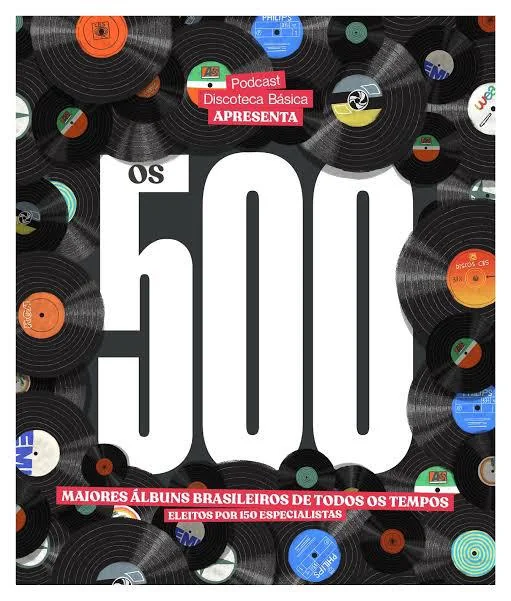
Os 500 Maiores Álbuns Brasileiros de Todos os Tempos
Ricardo Alexandre · 2022
The largest Brazilian music election ever conducted: 162 specialists, spanning journalists, critics, musicians, producers and podcasters, each nominated 50 essential albums, supported by a masterlist of more than 2,000 works. Led by Ricardo Alexandre with tabulation by Sérgio Jomori, it was published in December 2022 as a 200-page hardcover book with graphic design by Fernando Pires.
Raul Seixas
Jotabê Medeiros · 2019
Written by renowned journalist Jotabê Medeiros, this biography covers the complete trajectory of Raul Seixas, from his origins to becoming an icon of Brazilian pop culture, and is considered one of the most comprehensive about the artist. It would certainly include an in-depth analysis of his most important albums, such as 'Krig-ha, Bandolo!'.
Krig-há, Bandolo!
Rosana da Câmara Teixeira · 2008
This book by Rosana da Câmara Teixeira is an in-depth analysis of Raul Seixas's album 'Krig-há, Bandolo!'. The work explores the lyrics, philosophical concepts, and cultural impact of the album, being a dedicated and specific study of this musical work.
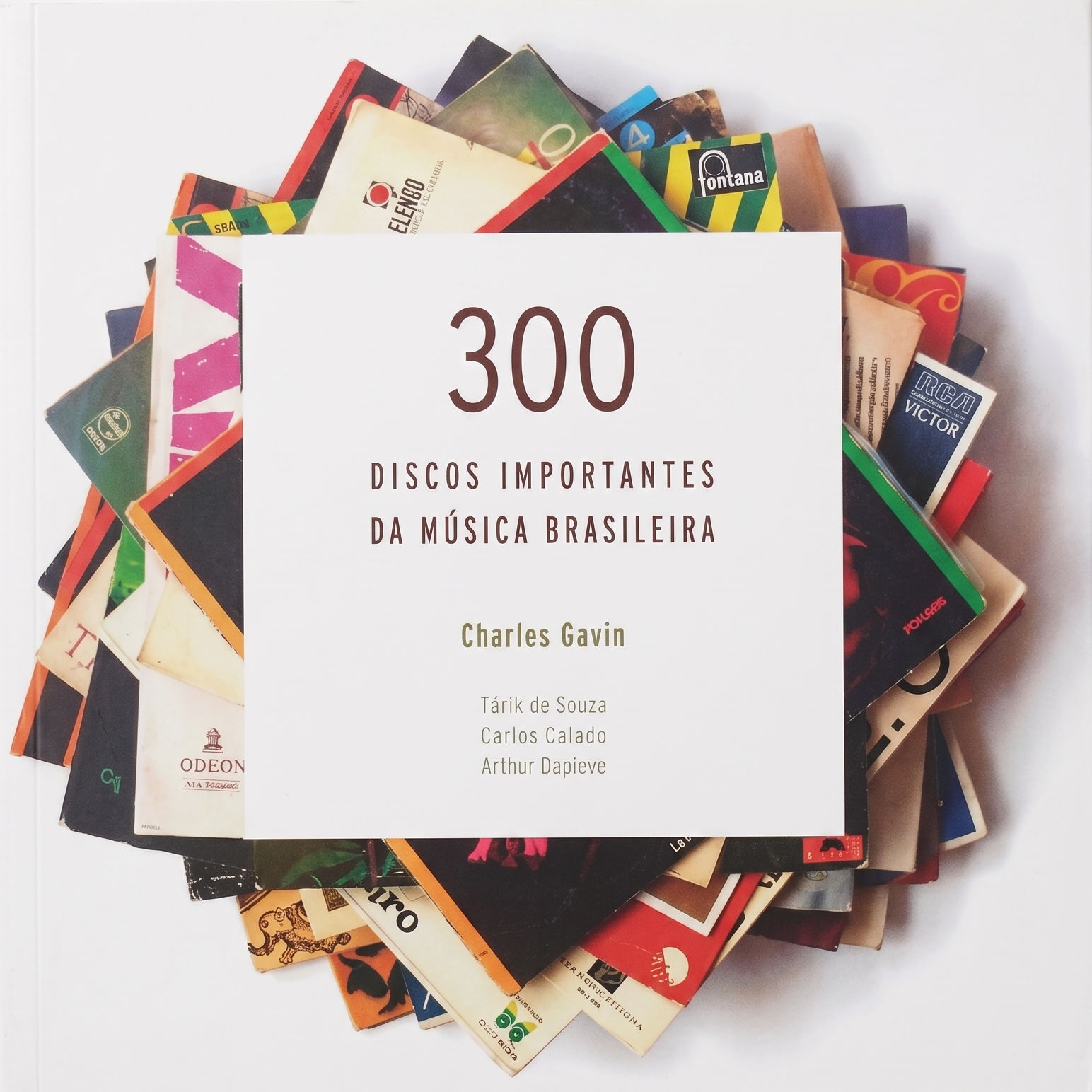
300 Discos Importantes da Música Brasileira
Charles Gavin, Tárik de Souza, Carlos Calado, Arthur Dapieve · 2008
Conceived by Titãs drummer and musical researcher Charles Gavin, the 434-page book brings together covers and reviews of albums released between 1929 and 2007. The texts were written by journalists Tárik de Souza, Arthur Dapieve and Carlos Calado.
Analyses
Krig-ha, Bandolo! – Wikipedia
Wikipedia, the free encyclopaedia
Krig-ha, Bandolo! – The 100 Greatest Albums of Brazilian Music
José Julio do Espírito Santo · Rolling Stone Brasil
The foundations of the Sociedade Alternativa were laid, and the first soundtrack of this utopia, frowned upon by the military dictatorship, was Krig- Ha, Bandolo!
Aquela Musica Apresenta "Krig-ha, Bandolo! - 1973"
aquelamusica.com
Following Raul Seixas's success, the album would then be credited to his name. The title "Krig-há, Bandolo!" refers to a war cry of the character Tarzan, known at the time from EBAL comic books, and which means "Beware, I Kill!".

Há 52 anos, em 21 de julho de 1973, Raul Seixas lançava Krig-Ha, Bandolo!
tabernanovostempos.blogspot.com
The work was subsequently acclaimed by critics, with Rolling Stone magazine including it at position #12 among the 100 Greatest Brazilian Music Albums, with many fans of the musician considering the album to be Raul Seixas's best.

Raul Seixas - Krig-Ha, Bandolo! (1973) - Disconomicon
disconomicon.wordpress.com
"Krig-Ha, Bandolo!" is released and immediately well-received, propelling the singer's name to rock stardom, as well as being included as one of the best Brazilian albums of all time by Rolling Stone magazine.