Novo Aeon
Raul Seixas
1975

Rankings
Why This Album Matters
Novo Aeon, Raul Seixas' fourth solo album released in 1975, marks a significant transitional phase in the artist's career, representing a shift in his image and compositions. After previous experiences, Raul opted for a less mystical and symbolic path, directing his lyrics towards a deeper reflection on everyday challenges and issues. The album, which is today recognised as one of the high points of his discography, features a musical style that traverses rock, ballads and fusions with Brazilian rhythms, revealing the singer's versatility. This work stands out for having generated classics that remain extremely popular among fans of Raul Seixas and MPB. Tracks like "Tente Outra Vez" and "A Maçã" are examples of the artist's ability to create timeless songs that address universal themes, with epic arrangements and striking lyrics. Although initially released under the Sociedade Alternativa label, the album already signalled a new era for Raul, with a more direct and personal approach.

But it is in epics like “Tente Outra Vez” and the title track that the words 'rock' and 'brasileiro', seemingly antagonistic, sound as one.
Alexandre Matias · Rolling Stone Brasil
Context
The release of Novo Aeon was preceded by a significant turning point in Raul Seixas' career, following the resounding success of his previous work, Gita. The artist broke with his then manager, Guilherme Araújo, due to disagreements about how his image was being constructed and promoted. Raul did not align with the extravagant and aggressive aesthetic, based on overexposure and bold marketing practices for the time. This rupture culminated in a deliberate reduction in the amount of symbolism in his albums and lyrics, as well as a decrease in media visibility and the use of image to shock. Raul even started to wear his hair shorter, signalling this new phase of his career, less focused on explicit esotericism and more on everyday issues, although some mystical elements were still present.
Recording
The recording sessions for Novo Aeon took place between 1st September and mid-October 1975, at Estúdios CBD, located in Rio de Janeiro. Prior to this, in May of the same year, Raul Seixas had retreated to Bahia, dedicating himself to composing the songs that would make up the new project. By mid-August, the artist had the repertoire and the general concept of the album ready, which was initially to be called Opus 666 and would be a thematic continuation of Gita. Although the record label was in the process of moving to the new 16-channel Phonogram Studios, the recordings for Novo Aeon were carried out in the old facilities, proceeding without incident. The album was finalised, including mixing and post-production, without the presence of the singer, who travelled to New York soon after the recordings ended in October.
Songs
The album Novo Aeon opens with the rock ballad "Tente Outra Vez", a powerful ode to perseverance with an epic arrangement. Next, the 1950s-style rock "Rock do Diabo" satirises the popular conception of the devil, while the falsetto ballad "A Maçã" addresses sexual freedom, with rich references to Aleister Crowley's mysticism and a metaphor of the forbidden fruit associated with the female sexual organ, in addition to being a source of disagreement with Marcelo Motta. Other notable tracks include the 1950s-style rock "Eu Sou Egoísta", which explores Stirner's anarcho-individualism and criticises hippies and ideological policing, and the pulsating "Tu És o MDC da Minha Vida", an ultra-romantic song praised for its humour with the 'brega' style. Side B presents "A Verdade Sobre a Nostalgia", another 1950s-style rock criticising the appropriation of counterculture, and "Para Nóia", a moving song that deals with the fear of the divine's omnipresence and contains references to masturbation. The diversity is completed by "Peixuxa (O Amiguinho dos Peixes)", with an ecological theme, and "É Fim de Mês", which mixes forró, baião, rock, rumba, blues and candomblé, being considered a spectacle of rhythms. The album concludes with the title track, which redefines the meaning of Sociedade Alternativa and the new era.
Legacy
Upon its release, Novo Aeon did not achieve the same commercial success as its predecessor, Gita, selling around 60,000 copies in contrast to the more than 140,000 of his previous work, and was largely met with a cool reception from specialised critics. Criticism frequently labelled Raul's attempt to make rock in Brazil as something popularist and 'underdeveloped', in addition to finding his mystical messages strange, even though these had been reduced on this album. However, there were notable exceptions, such as Nelson Motta, who praised the album's eclecticism and lyrics, comparing it to The Beatles' Sgt. Pepper's Lonely Hearts Club Band and choosing it as the album of the year in his O Globo column. Despite the lukewarm initial reception and frustrating sales for the record label, time has conferred upon Novo Aeon the status of one of Raul Seixas' most celebrated albums and one of the most beloved by fans. Tracks such as "Tente Outra Vez", "A Maçã", "Tu És o MDC da Minha Vida" and "Eu Sou Egoísta" became classics. Its importance is underlined by its inclusion on Rolling Stone magazine's list of the 100 best Brazilian music albums, where it holds the 53rd position. Furthermore, Sylvio Passos, president of Raul Seixas' fan club, reported that the singer himself considered Novo Aeon his favourite album.
Tracks
Credits
Miguel Cidras, Raul Seixas
Mazzola
Raul Seixas, Rick Ferreira
Zé Menezes
Jamil Joanes, Luizão Maia, Paulo César Barros
Lécio Do Nascimento, Mamão, Pedrinho Batera
José Roberto Bertrami
Altamiro Carrilho
Antenor Suares Gandra Neto, Gabriel O'Meara, Luiz Claudio Ramos, Rick Ferreira
Maria Célia Machado
Chico Batera, Conjunto Ritmico Cream Craeker
Antonio Adolfo, Hugo Bellard, Miguel Cidras
Zé Bodega
Edson Maciel, Manoel Araújo
Joaquim Figueira
Paulo Sergio
Mazzola
Paulo Sergio, Zé Guilherme
João Moreira, Luigi Hoffer, Luis Cláudio Coutinho
José Paulo
Aldo Luiz
João Castrioto
Podcasts

Brazuca Sounds on Patreon · Leandro Vignoli
In episode #83, we are celebrating the 80th birthday of Raul Seixas [1945-1989], and the release of his fourth album, "Novo Aeon", on November 1975. The most popular Brazilian rock artist, Raul's music is characterized by intense guitar riffs, soulful vocals and blend with several music genres, including forró, baião and afrosounds. Novo Aeon is an album signifacantly inspired by Alistair Crowley
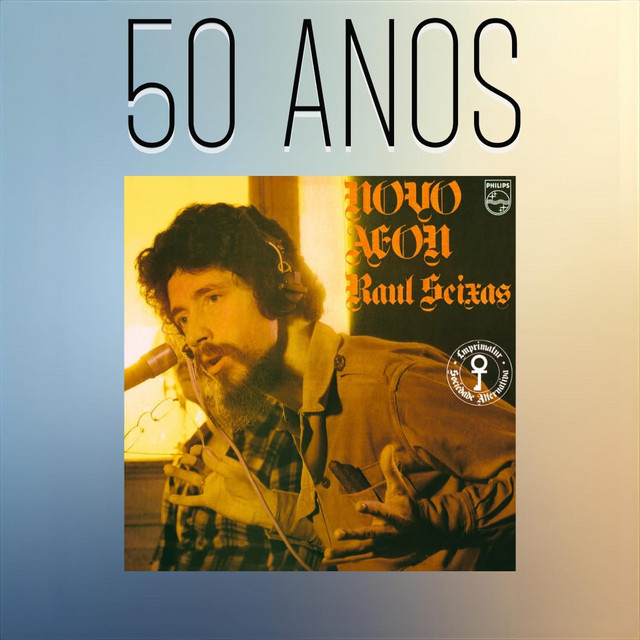
Lançado em 12 de novembro de 1975, Novo Aeon foi considerado um fracasso comercial à época, mas acabaria se tornando o disco preferido do próprio Raul Seixas e de muitos de seus fãs. Neste episódio, conversamos sobre como o misticismo, a repressão da ditadura e a fama alcançada com os trabalhos anteriores influenciaram Raul a criar Novo Aeon.See omnystudio.com/listener for privacy information.
CMM · Crazy Metal Mind
Episódio originalmente publicado em 25/09/2023. No 635º episódio do Podcast mais Rock’n Roll da internets Rômulo Konzen, Daniel Iserhard e Mileto Neto (Os Podrinhos) batem papo sobre o disco Novo Aeon do Raul Seixas. Trilha sonora do podcast (na ordem): *Raul Seixas - Tente Outra Vez *Raul Seixas - Tu És o MDC da Minha Vida *Raul Seixas - Tente Outra Vez *Raul Seixas - Rock do Diabo *Raul Seix
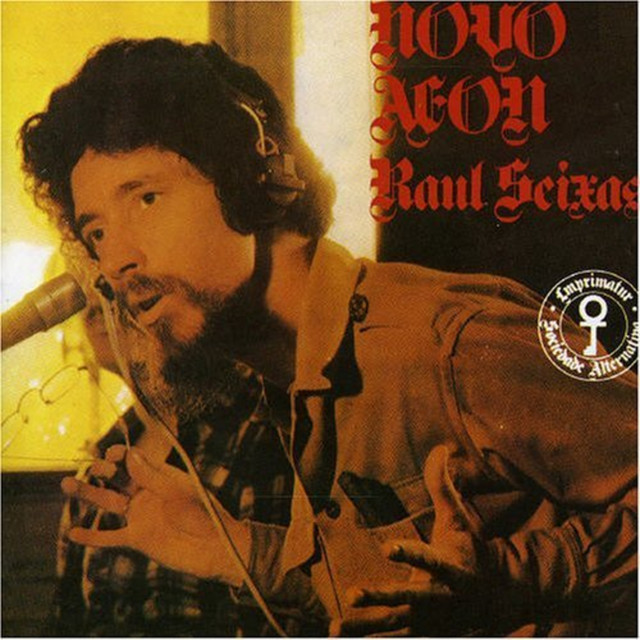
Lado A Anti-sepsia. Mistura viva importante de tudo que há de bom na música brasileira. Catedrático Sr. Lucas Borges. Documentário recente sobre o Raulzito. Figura pitoresca, maluco beleza versus profundidade da obra. O Lennon brasileiro. Raulseixistas. Crítica à estrutura religiosa. Virada do Raulzito do Raul Seixas. Sociedade da Grã-Ordem Kavernista Apresenta Sessão das 10. Paulo Coelho e o envo
No 635º episódio do Podcast mais Rock’n Roll da internet Rômulo Konzen, Daniel Iserhard e Mileto Neto (Os Podrinhos) batem papo sobre o disco Novo Aeon do Raul Seixas, passando faixa por faixa. O post PodCast #635 – Raul Seixas: Novo Aeon apareceu primeiro em Crazy Metal Mind.
Videos
NOVO AEON: O DISCO PREFERIDO DE RAUL SEIXAS
Vinilteca
Raul Seixas e Novo Aeon: Os Segredos e Bastidores Que Você Nunca Soube (EP 11)
Ouvindo Estrelas
Books
O Silêncio Do Maluco Beleza
Estêvão Zizzi · 2025
The book details the functioning of the censorship machine in Brazil between 1964 and 1985 and how it targeted Raul Seixas. The work analyses his songs, unravelling the symbols and coded messages the artist used to circumvent censorship, a crucial theme for understanding the context and lyrics of the album 'Novo Aeon', released in 1975.
Álbum 2 - 1972 a 1978
Pedro Alexandre Sanches · 2022
Part of a series that retells the history of Brazilian music through its albums, this volume covers the period from 1972 to 1978. Journalist and music critic Pedro Alexandre Sanches revisits the journey of iconic albums from that era, contextualising their creations and their impact on different generations, and is highly likely to include a detailed analysis of 'Novo Aeon' (1975).
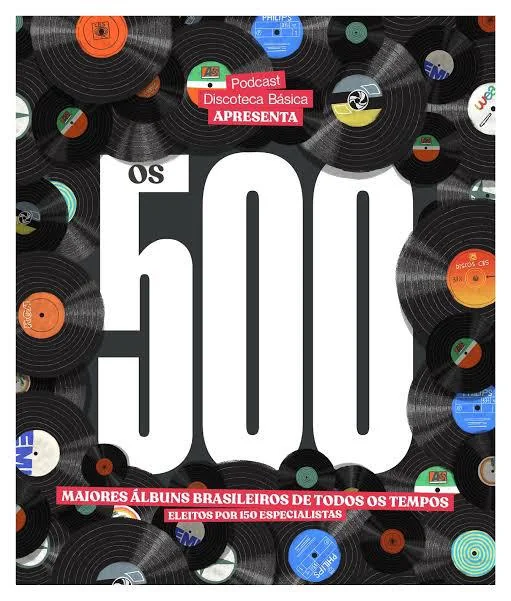
Os 500 Maiores Álbuns Brasileiros de Todos os Tempos
Ricardo Alexandre · 2022
The largest Brazilian music election ever conducted: 162 specialists, spanning journalists, critics, musicians, producers and podcasters, each nominated 50 essential albums, supported by a masterlist of more than 2,000 works. Led by Ricardo Alexandre with tabulation by Sérgio Jomori, it was published in December 2022 as a 200-page hardcover book with graphic design by Fernando Pires.
Raul Seixas
Jotabê Medeiros · 2019
This is the journey of one of the most iconic names in Brazilian music. The work explores how Raulzito, the middle-class boy from Salvador and Elvis Presley fan, transformed into Raul Seixas, one of the greatest icons of Brazilian pop culture, detailing his life, career, and the creative process of his works.
Analyses
Novo Aeon – Wikipedia
Wikipedia, the free encyclopaedia
Novo Aeon – The 100 Greatest Albums of Brazilian Music
Alexandre Matias · Rolling Stone Brasil
But it is in epics like “Tente Outra Vez” and the title track that the words 'rock' and 'brasileiro', seemingly antagonistic, sound as one.
War Room: Raul Seixas - Novo Aeon [1975] - Consultoria do Rock
consultoriadorock.com
Mairon: I consider Novo Aeon to be Raul Seixas's best album. People generally prefer Krig-Ha Bandolo! or Gita, but I think here he managed to make an album that is musically perfect, whether in the beautiful guitar work or the female vocalizations, and 'Tente Outra Vez' is the best example of this.
Discos para descobrir em casa - 'Novo aeon', Raul Seixas, 1975
g1.globo.com
It took time for the album Novo Aeon to establish itself as one of the best records in the eventful career of Raul Santos Seixas (28 June 1945 - 21 August 1989), generating...
"Novo Aeon", de 1975, um marco na carreira de Raul Seixas
cultura.uol.com.br
This Tuesday's (20/05) "Dissonantes" highlights the fiftieth anniversary of "Novo Aeon", Raul Seixas's 1975 album. After the huge success of "Gita", Raul fell out with his manager and decided to adopt a shorter-haired image, reducing the use of mystical symbols.