Gaita-Ponto
Renato Borghetti
1984
Rankings
Why This Album Matters
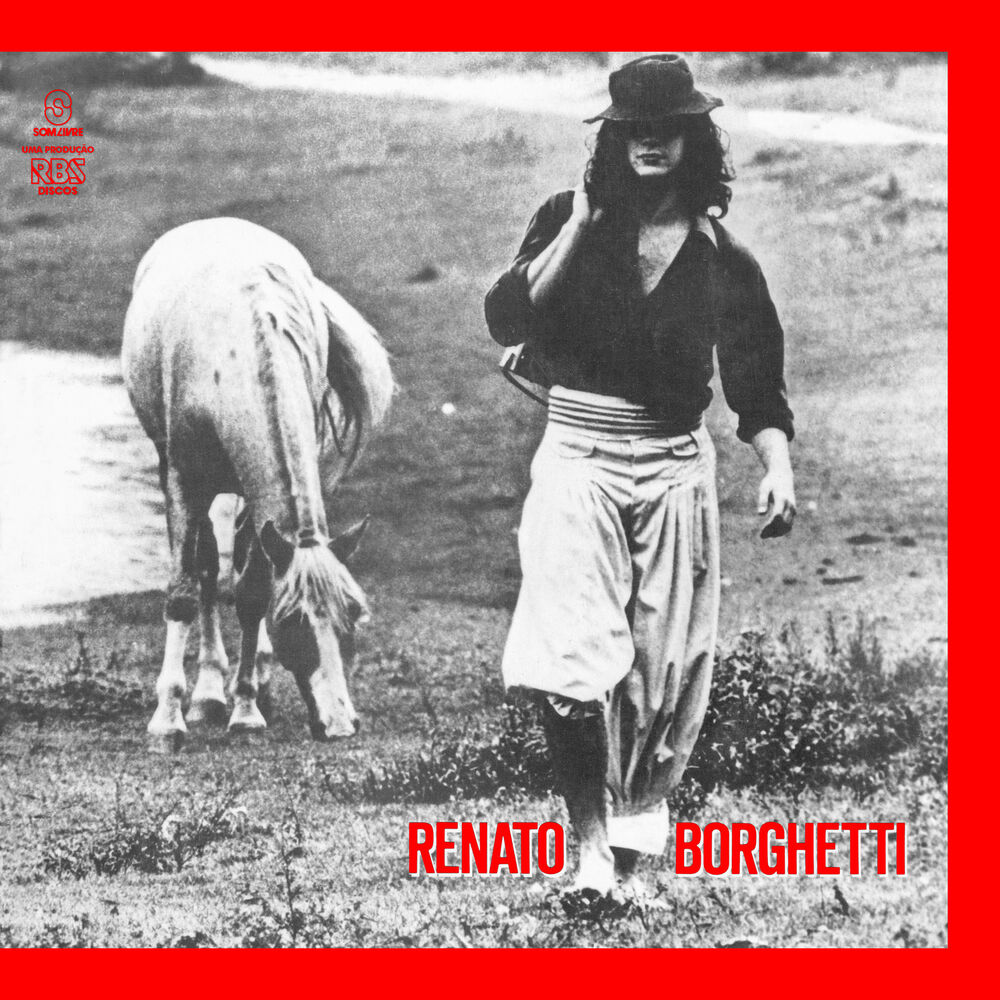
Gaita-Ponto, released in 1984 by Renato Borghetti, is an indelible landmark in Brazilian instrumental music, notably for its audacious revitalisation of the gaita-ponto and traditional Gaúcho rhythms. The album not only introduced a wider audience to the richness of Southern Brazilian music, but did so with an energy and virtuosity that transcended regional boundaries. Borghetti's sound is an elegant and vibrant fusion, blending the roots of chamamé, milonga, and other border genres with elements of jazz, blues, and classical music. This debut work by the Porto Alegre-born instrumentalist demonstrated the gaita-ponto's capacity to be a versatile and expressive instrument, demystifying it and elevating it to a new level of recognition. Borghetti's mastery in reconciling tradition with a contemporary approach resulted in an unmistakable style, captivating both folk music enthusiasts and those seeking innovation and genre fusion. Gaita-Ponto is, therefore, an essential work for understanding the evolution of Brazilian instrumental music, demonstrating how the appreciation of cultural roots can coexist with experimentation and international projection. It is an album that celebrates Gaúcho identity, while also re-signifying it for a broader musical dialogue.
Context
Born in Porto Alegre in 1963, Renato Borghetti was immersed from an early age in Gaúcho culture and the strong rural heritage of his region, which shares roots with Argentine chamamé rhythms and Uruguayan folk music. His father, involved with the Centro de Tradições Gaúchas (CTG) of Porto Alegre, introduced him to music as a child. At the age of ten, Borghetti received his first eight-bass accordion, an instrument that became his speciality and symbol. His professional debut occurred at the age of 15 at a major regional festival in Rio Grande do Sul in the 80s, before the release of his acclaimed debut album. In 1984, when Gaita-Ponto was released, the Brazilian music scene, though vibrant, had MPB and pop as its commercial pillars. Regional instrumental music, especially from the South of the country, lacked national, let alone international, projection. Borghetti's work emerged in this context, demonstrating the potential of a genre that until then was seen as niche, but which, in his hands, gained universal appeal through his virtuous technique and innovative arrangements.
Recording
The album Gaita-Ponto was released in 1984 by RNS Discos. Production was handled by Renato Borghetti himself, with coordination by Ayrton Dos Anjos. Alfeu Junges was responsible for the album's recording and mixing. Although specific details about the studio and recording techniques are not widely publicised, the album's technical specifications point to a production focused on capturing the essence of the instrumental sound of the artist and his accompanying musicians. The recording team worked to enhance the sound of Borghetti's gaita-ponto, which is the heart of the project.
Songs
The twelve tracks on Gaita-Ponto are a celebration of the rhythmic richness of Southern Brazil and the Río de la Plata region. The album presents a collection of songs that navigate styles such as chamamé, rancheira, milonga, chacarera, and polka. Songs like "Milonga Para As Missões", "Llegada", "Redomona", "Kilómetro 11", and "Merceditas" stand out as examples of how Borghetti employs the gaita-ponto to explore evocative melodies and engaging rhythms. Borghetti's gaita-ponto is the central element, but the compositions are enriched by the presence of acoustic guitars (Enio Rodrigues and Oscar Soares) and bass (Francisco Castilhos), which create a cohesive and vibrant sonic texture. The accordionist's virtuous performance lends the pieces a character that is both traditional and modernised, with improvisations and nuances that expand the boundaries of the genres.
Legacy
Gaita-Ponto achieved remarkable success, becoming the first Brazilian instrumental album to sell over 100,000 copies, earning it a Gold Record. The CD re-release of the album further extended its reach, selling around 250,000 copies and achieving platinum status. This achievement was particularly significant for a traditional genre in a country predominantly known for samba and bossa nova. The positive reception of the work boosted Borghetti's international career, leading him to perform on renowned stages in Europe and Latin America. The album established Renato Borghetti as one of the leading representatives of Southern Brazilian music and an ambassador for Gaúcho culture. His work is recognised by critics and other musicians; throughout his career, Borghetti has collaborated with great names such as Hermeto Pascoal, Sivuca, Dominguinhos, Stephane Grappelli, and Ron Carter, and was honoured by APCA (Associação Paulista de Críticos de Arte) in 1991.
Tracks
Credits
Renato Borghetti
Renato Borghetti
Enio Rodrigues, Oscar Soares
Francisco Castilhos
Alfeu Junges
Alfeu Junges
Fototipo
Ayrton Dos Anjos
Juarez Fonseca
Tude Munhoz
Podcasts

Cinco Minutos de Português Brasileiro · Melissa Barbosa
O gaiteiro Renato Borghetti ganhou o primeiro disco de ouro da história da música instrumental brasileira com o seu primeiro álbum, que foi gravado em 1984. https://www.melissabarbosa.com.br/110-renato-borghetti-e-a-gaita-ponto/
Books
Analyses
Renato Borghetti e a Gaita Ponto: 40 anos de sucesso e um Disco de Ouro
jornaldocomercio.com
The one who achieved this feat was Renato Borghetti, with his debut album Gaita Ponto. It was May 1984 when Gaita Ponto hit the stores and, within four months, had already reached sales of hundreds of thousands of copies.
Renato Borghetti celebra 40 anos de "Gaita Ponto", seu ... - Farofafá
farofafa.com.br
ZR: Gaita Ponto is a landmark in his career and also in the Brazilian instrumental music scene. To this day, it is the only album that has achieved gold record status for an instrumental music work in Brazil.
Renato Borghetti
renatoborghetti.com.br
Renato Borghetti, with his first album, recorded in 1984, earned the first gold record in the history of Brazilian instrumental music. With a unique style and his gaita-ponto, he has performed different interpretations of works from the music of Rio Grande do Sul, incorporating influences from other Brazilian and international styles.
Cliquemusic : Disco : GAITA PONTO
cliquemusic.com.br
Renato Borghetti (1984) 1984 RBS/Som Livre 407.6010 Tracks 1 Milonga para as Missões (Gilberto Monteiro) 2 Llegada (F.P.Cardoso) 3 Redomona (Os Serranos) 4 Kilómetro 11 (Trancito Cocomarola) 5 Bailinho na capela (Bertussi, Mattana) 6 Carreirada (P. Silveira, Renato Borghetti) 7 O rancho (M. Lima) Cerca de pedra (M. Lima) 8 Merceditas (Rios)
Renato Borghetti - LP Renato Borghetti - Gaita Ponto - Música ...
site.musicatradicionalista.com.br
With 12 memorable songs, the album Renato Borghetti - Gaita Ponto showcases the essence of Renato Borghetti's work in 1984.
