Sambas da Bahia
Riachão, Batatinha & Panela
1973

Rankings
Why This Album Matters
Released in 1973 by Riachão, Batatinha, and Panela, the album Sambas da Bahia is a masterpiece that transcends time, presenting the purest and most authentic essence of Bahian samba to Brazil. It stands out for bringing together three of the greatest composers and performers of the genre in Bahia, who, despite their local importance, had not previously achieved significant national recognition. This album is a celebration of the cultural and musical richness of Salvador, a landmark that captured the voice of a living tradition. With a style deeply rooted in samba de raiz, the album offers an organic and visceral sound that resonates with the spontaneity of samba circles and the wisdom of the streets. The aim was to present samba in its most genuine form, with lyrics that address everyday life, love, social critique, and 'malandragem' (roguish charm), all permeated by the engaging melody and infectious rhythm that are the hallmarks of Bahian samba. Sambas da Bahia is a musical testament to Afro-Brazilian cultural identity, fundamental for understanding the history of samba in the country. Its relevance lies not only in the intrinsic quality of its compositions and performances, but also in immortalising the work of these masters, offering a vivid panorama of the samba that bloomed from the soul of Bahia.
Context
Before the recording of Sambas da Bahia, Riachão, Batatinha, and Panela were already established figures in the Bahian music scene, each with a solid trajectory in Salvador's samba. Batatinha, for instance, had started his musical career early, and his compositions, often marked by a melancholic beauty, were already recognised within Salvador's bohemian circles, having been influenced by names such as Wilson Batista and Noel Rosa. He composed his first samba, "Inventor do Trabalho", in 1943, although it was only recorded on this album. Samba, historically linked to Black and peripheral populations in Brazil, was a symbol of resistance and cultural expression that often faced marginalisation and criminalisation. In this context, bringing together these three pillars of Bahian samba on one album was an important move to give visibility and recognition to this strand of the genre, which is considered the foundation of Brazilian samba history, with deep roots in the Bahian Recôncavo.
Recording
The recording of Sambas da Bahia took place in 1973, under the production direction of Paulo Lima and with arrangements by Edil Pacheco. A notable fact that contributed to the album's particular sound is that it was recorded at the Teatro Vila Velha, in Salvador, a venue that did not possess studio acoustics. This choice lent the record a rawer, more authentic atmosphere, with the recording environment blending into the artists' performance. Edil Pacheco, responsible for the arrangements and production, highlighted that the experience of working with Riachão, Panela, and Batatinha and making an album in a theatre without acoustics, with street noise and even the appearance of a cricket, perhaps provided the magnetism that led to the record being so beautiful. Musicians who participated in the recording included José Menezes on cavaquinho, Edson Sete Cordas on 7-string acoustic guitar, Armandinho on mandolin, and a robust percussion section featuring Cacau, Sambador, Tamborim, and Miguel, among others.
Songs
The album Sambas da Bahia is structured to showcase the talent of each of the sambistas. Side A of the LP is dedicated entirely to Riachão, with seven tracks of his own composition, including "Vou Chegando", "Fufú", and the celebrated "Cada Macaco No Seu Galho". Riachão's songs reflect his genius as a chronicler of everyday life, with lyrics that blend humour, popular wisdom, and 'ginga malandra' (roguish sway). Side B features the contributions of Batatinha and Panela. Batatinha signs four compositions, among them "Diplomacia", co-written with J. Luna, and "Ministro do Samba", a tribute to Paulinho da Viola. His song "Direito de Sambar" goes beyond celebration, serving as a social appeal for cultural freedom and dignity in peripheral areas, highlighting the struggle for fundamental rights amidst repression. Panela contributes the tracks "Não Suje Meu Caixão", in partnership with Garrafão, and "O Patrão É Meu Pandeiro", with Carlos Napoli, closing the album with his authenticity and swing.
Legacy
Since its release, Sambas da Bahia has established itself as an essential document of Brazilian music, projecting Riachão, Batatinha, and Panela nationally. The album's reception has been consistently positive over the decades, being frequently praised for its authenticity and for capturing the essence of Bahian samba de raiz. Singer and songwriter Edil Pacheco, who worked on the album's production and arrangements, points out that it 'seems like it was made today, extremely current', indicating its relevance and timelessness. Although specific sales figures and awards from the time are difficult to track, the album's cultural impact is undeniable. It is recognised for introducing and solidifying samba made in Bahia to a wider audience, influencing generations of sambistas and MPB enthusiasts. The compositions featured on the album, such as Riachão's "Cada Macaco No Seu Galho" and Batatinha's "Direito de Sambar", have become benchmarks, being constantly celebrated and rediscovered, evidencing the lasting contribution of these masters to the richness of Brazilian musical heritage.
Tracks
Films

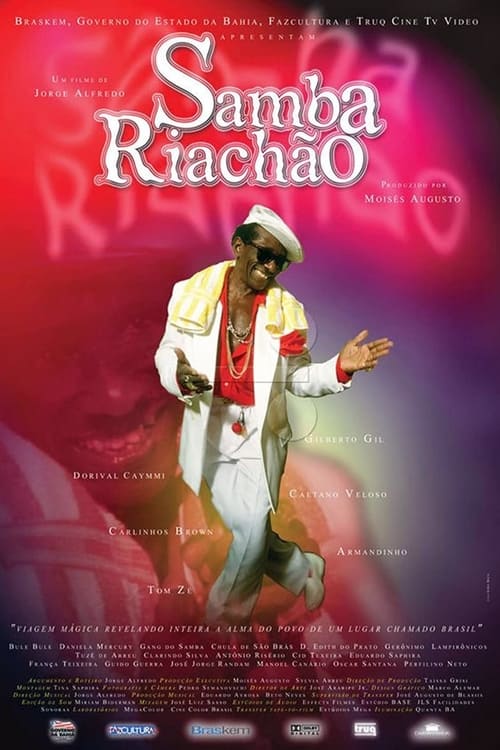
Samba Riachão
2001
Documentary about samba musician from Bahia Clementino Rodrigues, aka Riachão.

Batatinha, Poeta do Samba
2009
A portrayal of the life of one of the most important samba musicians in Brazil, Bahian sambista Oscar da Penha, popularly known as Batatinha (1924 -1997). Through memories of their father, his nine children share their perspectives, as well as interviews with family, friends and musicians, to tell the story of Batatinha’s life, history and work.
Books
Analyses
Riachão Batatinha E Panela - Samba Da Bahia (1973)
toque-musicall.com
This time we're featuring the LP "Samba da Bahia", bringing together three great names of Bahian samba: Batatinha, Panela and Riachão. Released in 1973 by the Fontana label, this is another album that deserved a re-release, even if only on CD.

"Samba da Bahia" (Fontana/Philips, 1973), Riachão, Batatinha e Panela
discosessenciais.blogspot.com
Their sambas are more than simple songs; they are accounts of their lives and of Bahia's rich musical tradition. By listening to Samba da Bahia, we are transported to a world where music transcends adversities and authentically reflects the Brazilian soul.
#EditaisSetoriais - Teatro do IRDEB recebe lançamento do álbum coletivo ...
ba.gov.br
Following the oral tradition, these songs were not recorded in audio or written down on paper, which makes the album extremely necessary for preserving the memory of these artists' work and the roots of samba produced in Bahia.
SAMBARIO - O site dos sambas-enredo
sambariocarnaval.com
Despite the very well-worn theme - praising Bahia, its customs and traditions - the samba is very beautiful, endowed with poetic lyrics, a very engaging melody, and full of lovely variations.
Riachão - Portal Café Brasil
portal.lucianopires.com.br
In 1973, he recorded the album Sonho de Malandro, sponsored by Desenbanco in celebration of the 15th anniversary of the company where he had worked since '71. On the album, the mischievous sambas that also characterise his work predominate, seasoned with brass, accordion, flute, a choir of 'pastoras', and even a choro ensemble.