Rita Lee
Rita Lee
1979
Rankings
Why This Album Matters
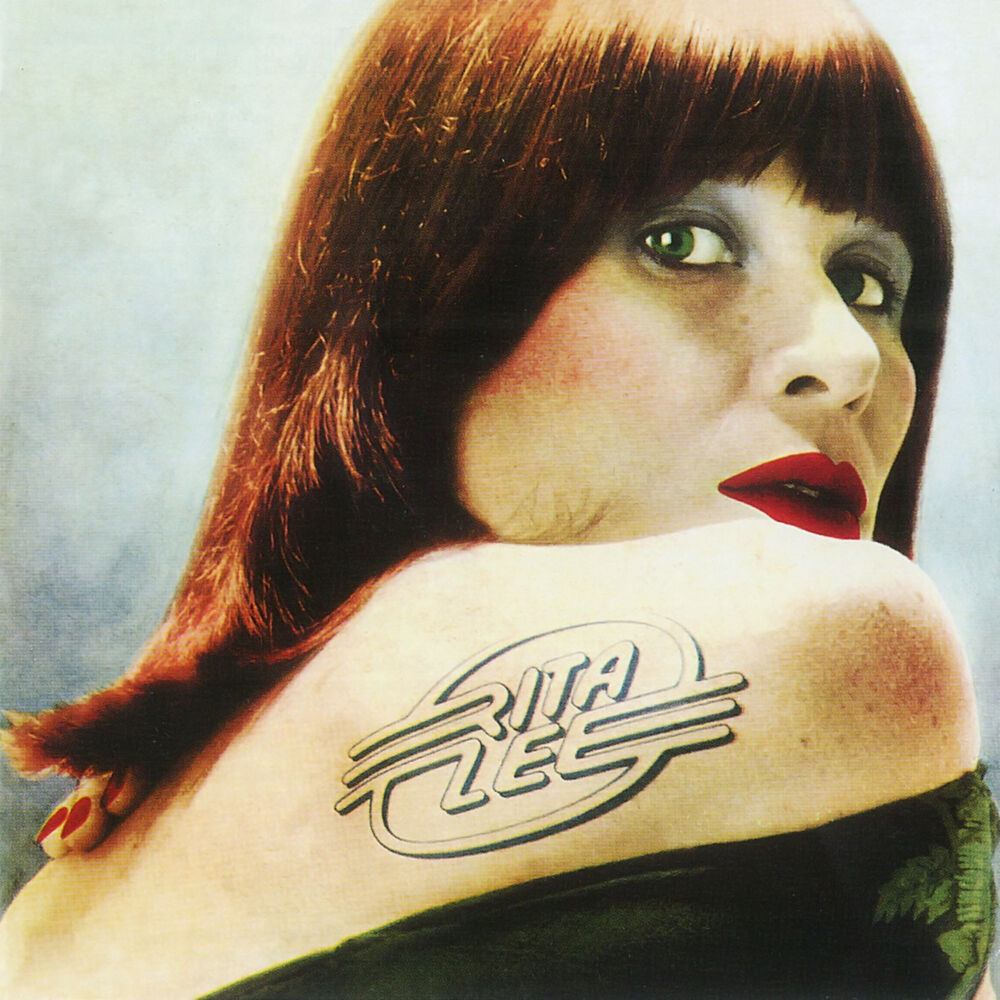
Rita Lee (1979), often known as Mania de Você, marks a watershed moment in the career of the queen of Brazilian rock. Released during a period of musical effervescence, the album not only consolidated her solo trajectory but also introduced the public to the magic of her newly formed partnership with multi-instrumentalist Roberto de Carvalho, who would prove fundamental to her discography. This work is notable for its shift towards a more pop, accessible sound and, above all, for being influenced by disco music, which was in vogue at the time. The transition, whilst surprising for some fans of her rockier phase with Os Mutantes and Tutti Frutti, demonstrated Rita Lee's artistic versatility, paving the way for a new chapter of massive success and hits that transcended generations, establishing a new standard for MPB with a touch of modernity and detachment.
Context
Before Rita Lee (1979), the artist already possessed a consolidated and effervescent trajectory in the Brazilian music scene. After departing from Os Mutantes, an iconic band of psychedelic rock and Tropicália, Rita Lee embarked on her solo career with albums such as Hoje É o Primeiro Dia do Resto da Sua Vida (1972). Subsequently, she led the band Tutti Frutti, with whom she released four works of great impact on national rock, reinforcing her image as a rebellious and innovative icon. This 1979 album, her seventh studio album and third as a solo artist, emerged after this rockier phase, signalling a new artistic direction and the introduction of her partnership with Roberto de Carvalho, which would define much of her output in the following decades.
Recording
The recording of the album Rita Lee (1979) marked the beginning of a musical collaboration that would become legendary: the partnership between Rita Lee and Roberto de Carvalho. Rita Lee took on lead vocals, classical guitar, and flute on some tracks, in addition to percussion, whilst Roberto de Carvalho excelled on electric guitar, electric piano, keyboards, and backing vocals. The technical sheet reveals a rich sonic tapestry, with the participation of renowned musicians who added layers of sophistication to the record. Lincoln Olivetti, for instance, contributed significantly with Yamaha piano, electric piano, Oberheim synthesizer, and synthbass on several tracks, imprinting a modern and disco sound. Other instrumentalists such as Picolé on drums, Robson Jorge on guitar, and Jamil Joanes on electric bass were also fundamental to the album's characteristic sound, which fused Rita's pop-rock with disco music trends.
Songs
The album Rita Lee (1979) is a treasure trove of songs that quickly became anthems of MPB and Brazilian pop culture. Notable tracks include "Chega Mais", "Doce Vampiro" and, of course, "Mania de Você", which became radio and television phenomena, widely celebrated by both public and critics. These tracks exemplify the more commercial and seductive sound that Rita Lee and Roberto de Carvalho explored, combining intelligent and, at times, irreverent lyrics with danceable arrangements and captivating melodies. Rita Lee's ability to approach everyday and love themes in a unique way, coupled with vibrant instrumentation, made these songs resonate deeply with the audience, consolidating her status as an unparalleled composer and performer.
Legacy
The impact of Rita Lee (1979) on Brazilian music was immediate and lasting. The album was a resounding success with audiences and critics alike, selling an impressive 500,000 copies by the end of 1979. Several of its tracks became timeless classics, solidifying Rita Lee's position as one of the greatest icons of national music. The album's songs continue to reverberate in Brazilian culture. "Chega Mais" and "Mania de Você" served as theme songs for eponymous telenovelas, with "Mania de Você" receiving a re-recording as an electronic music version by singer Anitta in 2024. The album's recognition is evidenced by the various reinterpretations of its tracks by other artists, such as Marisa Monte and Ney Matogrosso on "Doce Vampiro", Simone and Lulu Santos on "Mania de Você", and Sandy & Junior on "Maria Mole", attesting to the timelessness and lasting influence of Rita Lee's work.
Tracks
Credits
Naila Skorpio
Guto Graça Mello
Antonio Carlos, Felipe Nery, Jorge Garrafa
Ieddo Gouveia
Célio Martins
Hans Donner
Vera Roesler
Câmara Três, Luiz Garrido
Podcasts
Rita Lee - Discografia comentada · Ziriguidum
Aqui começa uma nova história. Chega mais! participam desse episódio: Jane Duboc, Lufe Steffen, Danilo Casaleti, Hans Donner, Caetano Veloso, Carlos Malta, Claudio Lins, Guto Graça Mello, Leonardo Lichote, Ed Motta e Fafy Siqueira. ****** A discografia de Rita Lee, além de rica e diversa, faz um panorama do crescimento do pop/rock brasileiro. Rita é personagem fundamental desde a Tropicália, pa
Primeiro álbum de inéditas longe dos companheiros de banda da Tutti Frutti, o autointitulado disco lançado por Rita Lee em 1979 é uma obra de transição. Enquanto parte das canções preservam a relação com o rock, outras destacam o interesse da artista paulistana por uma sonoridade cada vez mais dançante. No segundo da série de três programas sobre a rainha do rock brasileiro, Cleber Facchi (@cleber
Videos
Analisando a discografia da Rita Lee (1975-1985) | Conversa de Botequim | Alta Fidelidade
Alta Fidelidade
LANÇA PERFUME: RITA LEE 1980 | ALBUM REVIEW
Vinilteca
"Fruto proibido" - Rita Lee & Tutti Frutti | Os melhores discos da MPB nos anos 70 | Alta Fidelidade
Alta Fidelidade
A song inspired by a "perfect slap"! The story of "MANIA DE VOCÊ" (Rita Lee)
Júlio Ettore
Babilonia - Rita Lee - Álbum [Review]
Discomaníacos
"Rita Lee" (1980) - Rita Lee | Melhores discos brasileiros dos anos 80 | Alta Fidelidade
Alta Fidelidade
Films

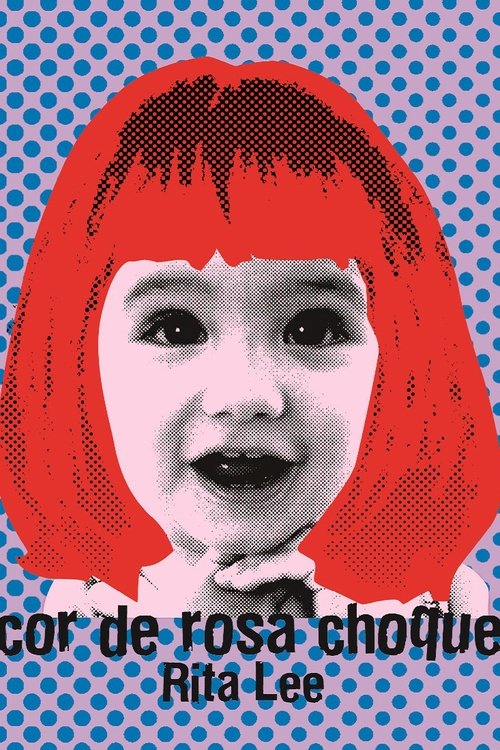
Rita Lee - Biograffiti: Cor de Rosa Choque
2007
Rita Lee became the main reference point for Brazilian rock-pop. She composed iconic songs addressing the feminine universe, the theme of 'Cor de Rosa Choque' (Shocking Pink), the third part of the 'Biograffiti' documentary series. Subjects such as the enchantment of women, the muses that inspired her, the wonders of ageing, and the untold mysteries of the female soul are treated in this documentary in a humorous and emotional way. 'Todas as Mulheres do Mundo', 'Pagu' and 'Erva Venenosa' are some of the many songs featured, taken from the concert recorded in November 2006 at Morro da Urca, Rio de Janeiro. There are also precious historical archives, such as the meetings of Rita and Elis in 1978, singing 'Doce de Pimenta', and Rita and Cássia Eller in 1998, singing 'Luz del Fuego'. 'Cor de Rosa Choque' also includes the recording of the unreleased rock song 'Tão'.

Rita Lee - Biograffiti: Baila Comigo
2007
Life on the road is the theme of 'Baila Comigo' (Dance With Me), the second part of the 'Biograffiti' documentary trilogy about the life and work of Rita Lee. The singer talks about the pleasure of composing, her affinity with the audience, and tells how some of her songs were born. She also talks about cinema, drugs, and Rio de Janeiro. The documentary shows the encounter between Rita and João Gilberto singing 'Joujoux et Balangandans', captures Rita and Roberto de Carvalho finishing a new song called 'Dinheiro' (Money), and features songs from the singer's concert in January 2007 on Copacabana Beach. There Rita sang hits like 'Mania de Você', 'Lança Perfume', 'Agora só falta Você' and 'Flagra', among others. And to honour the Marvellous City, she sang the song 'Valsa de Uma Cidade' (Waltz of a City) alongside the 180,000 people present on the beach.

Rita Lee - Biograffiti: Ovelha Negra
2007
Brazilian singer Rita Lee narrates moments about her life, from her childhood to the meeting with Roberto de Carvalho. The documentary is permeated with excerpts from the singer's concerts, with songs sung entirely.
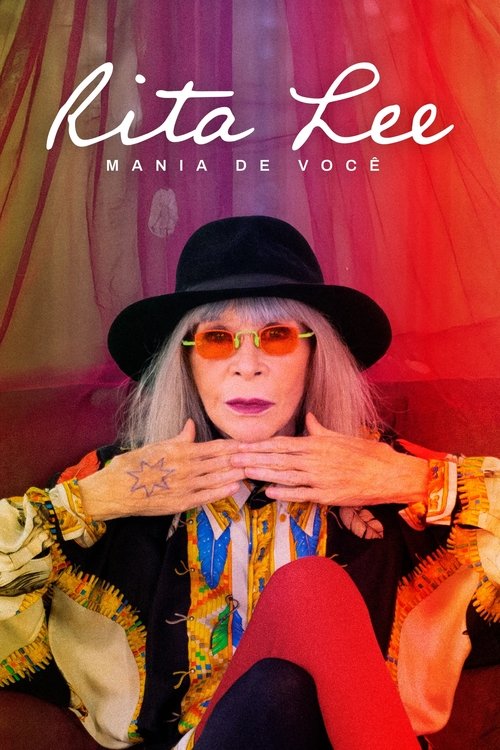
Rita Lee: Mania de Você
2025
Just before her departure, Rita Lee writes a farewell letter to her three children and her husband and musical partner, Roberto de Carvalho, in which she reflects on her life and joyfully celebrates her family. Her final moments also mark the time to look back and review a career full of unforgettable successes, which led her to sell more than 55 million records. But it is also a time to reveal her downfalls, her vulnerable side, and her excesses as the queen of rock. With completely unseen personal archives and exclusive testimonies from her own family, as well as producers, journalists, musicians, and celebrities such as Gilberto Gil and Ney Matogrosso, "Rita Lee: Mania de Você" presents her definitive legacy.
Books
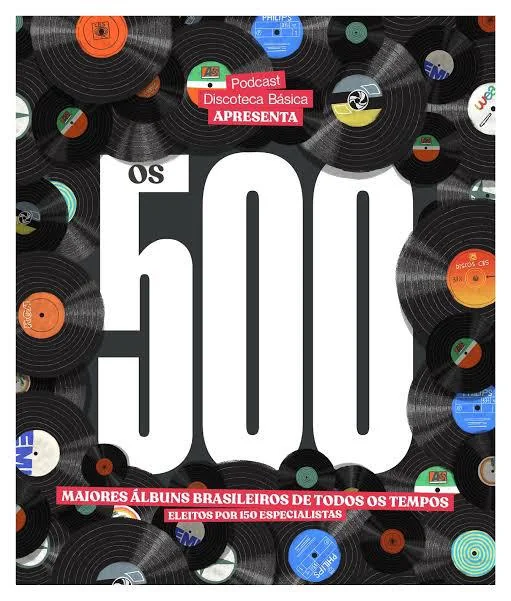
Os 500 Maiores Álbuns Brasileiros de Todos os Tempos
Ricardo Alexandre · 2022
The largest Brazilian music election ever conducted: 162 specialists, spanning journalists, critics, musicians, producers and podcasters, each nominated 50 essential albums, supported by a masterlist of more than 2,000 works. Led by Ricardo Alexandre with tabulation by Sérgio Jomori, it was published in December 2022 as a 200-page hardcover book with graphic design by Fernando Pires.

favoRita
Rita Lee · 2018
A celebration of Rita Lee's 70th birthday, favoRita is a special and luxurious edition featuring autobiographical texts, the author's musings, rare and unreleased photos from the artist's more than 50-year career, and a comprehensive dossier on her trajectory and personality. As it covers over 50 years of her career, it is highly probable that it will significantly address the period of the album 'Rita Lee (1979)'.
Analyses
Rita Lee – Wikipedia
Wikipedia, the free encyclopaedia
Rita Lee (1979 album) explained
everything.explained.today
Rita Lee is the third solo album by Rita Lee and her first following her split with Tutti Frutti, released in 1979. [1][2] Heavily influenced by the disco sound that was popular at the time, Rita Lee can be seen as a transitional album with Lee veering away from her signature stadium rock sound towards a more accessible mainstream sound.
Revisitando Rita Lee (1979) - eu sou tão retrô!
eusoutoretro.substack.com
Rita Lee (1979) is an album that seems less concerned with proving anything and more interested in having fun with its own language. And only those who like or follow the world of rock know how this scene is full of people who insist on appearing cult and take themselves too seriously.
"Rita Lee (1979)": Um disco perfeito de Rita Lee e Roberto de Carvalho.
entreacordes.blog
That line-up of releases is marvellous and today we're going to talk a little about one of the best of them, the perfect "Rita Lee". Released in 1979, this album is remembered as a milestone in the consolidation of the partnership between Rita Lee and Roberto de Carvalho.
Rita Lee reedita em LP o álbum de 1979 em que consolidou a ... - G1
g1.globo.com
It was the year the singer and songwriter, in tune with the guitarist in music and in life, began the most pop and most successful phase of her discography with the release of the album Rita Lee (1979).