Fruto Proibido
Rita Lee & Tutti Frutti
1975

Rankings
Why This Album Matters
Fruto Proibido, released in 1975 by Rita Lee and the band Tutti Frutti, is a seminal work that redefined the artist's career and established her as an icon of Brazilian rock. This album marked a significant turning point in her trajectory, solidifying the artistic freedom Lee so yearned for after her previous experiences. Musically, the album predominantly incorporates glam rock and blues styles, with a sound that overflows with rebellion and a touch of suffering, moving away from the mocking inflections of her time with Os Mutantes. The lyrics of Fruto Proibido are a manifesto of self-empowerment and a longing for freedom, addressing themes such as parental disdain, farewells, and narratives that celebrate personalities unburdened by modesty, such as Luz del Fuego and Isadora Duncan. Rita Lee's vocals are noted for their spontaneity and for displaying a rawer and more authentic facet, a characteristic that would become a trademark of her work. With Rita Lee signing or co-writing all the tracks, Fruto Proibido is a genuine expression of the artist's and her band's vision. It is an album that, since its release, captures attention for its sonic innovation and the power of its messages, elements that make it an indispensable piece in the history of Brazilian music.

The first album of Brazilian rock that didn't sound like a version of the English original.
Marcus Preto · Rolling Stone Brasil
Context
After her turbulent departure from Os Mutantes in 1972, due to musical and personal differences, Rita Lee faced a period of career restructuring. Rejected by the band, which sought a more progressive sound, Lee moved back in with her parents and began composing, looking for a new way to present her music. An initial attempt with As Cilibrinas do Éden, alongside Lúcia Turnbull, did not achieve the expected success at a 1973 festival. The formation of the band Tutti Frutti, with Luis Sérgio Carlini, Lee Marcucci, and Emilson Colantonio (later replaced by Franklin Paolillo), marked the beginning of a new phase. The first album from this partnership, Atrás do Porto Tem uma Cidade (1974), released by Philips, did not achieve the expected commercial performance and was marked by friction and limited creative freedom. The record label's neglect and the lack of autonomy in production led Lee and Tutti Frutti to seek a new musical home, finding in Som Livre the promise of complete freedom for the next project.
Recording
The break with Philips and the search for a new contract led Rita Lee and Tutti Frutti to Som Livre, under the direction of João Araújo, who guaranteed complete creative freedom. The recording of Fruto Proibido was preceded by an intense period of rehearsals, with the band and Rita Lee residing for some months in a borrowed house on the edge of the Ibiúna dam. During this retreat, the artist kept two snakes, supposedly taken from singer Alice Cooper after a show in São Paulo. It was in this context that Rita Lee met Andy Mills, Cooper's sound engineer, whom she invited to produce the album due to an immediate musical connection. The recording sessions took place in April 1975 at Estúdio Eldorado in São Paulo, a pioneer in Brazil for possessing a 16-channel mixing desk. Mills opted to keep all the musicians in the same room to capture a more live atmosphere, which contributed to the album's innovative sound. Most of the songs were composed by Lee, who in some tracks shared authorship with Paulo Coelho, and in others with Marcucci and Carlini. A notable anecdote involved the finalisation of "Ovelha Negra", whose guitar solo, dreamt up by Carlini, required persistence to be included on the album during the mixing stage, but was ultimately approved and praised by everyone.
Songs
From a musical point of view, Fruto Proibido is a powerful fusion of glam rock and blues, enriched by a range of instruments including striking guitars, acoustic guitars, Minimoog, and synthesiser. The lyrics, although not making direct political references, capture the zeitgeist of the youth of the era, with themes of the search for freedom and rebellion against the established order. Rita Lee's vocals, with youthful inflections, now express rebellion and even suffering, abandoning the mocking tone of her previous works. A striking feature of the album is the citation of notable women in history, a constant in Lee's work. "Dançar Pra Não Dançar" opens the album by recalling the story of the ballerina Isadora Duncan, a symbol of breaking dogmas and searching for freedom of movement and creative spirit. The song is carried by a guitar solo that invites a freedom with a psychedelic bent. "Agora só Falta Você" explores liberation from a toxic relationship and the search for personal fulfilment, celebrating self-esteem and the pleasure of being authentic, while still longing for love.

Dissatisfied with the band's progressive direction and worn out by personal disagreements, Rita Lee ejected herself from Mutantes in 1972. Before that, she had even released two solo albums, Build up and Hoje é o primeiro dia do resto da sua vida, a title that couldn't be more defiant.
Arthur Dapieve · 300 Discos Importantes
Legacy
Fruto Proibido provided Rita Lee with an unprecedented level of commercial success, projecting her as one of the biggest album sellers in Brazil at that time. The album reached seventh position in the IBOPE music chart and became the first rock album by an artist to surpass the 50,000 units sold mark on Brazilian soil, securing Lee the second best commercial performance for a female singer in the year of its release. For promotion, the artist participated in television programmes and embarked on the acclaimed Fruto Proibido Tour, praised for her stage presence and technical quality. Critical reception was one of acclaim, with praise directed at Lee's vocals, the instrumental work, and the spontaneity of her performance. Retrospectively, Fruto Proibido is widely considered the album that consolidated Rita Lee's status as one of the greatest artists of Brazilian rock and a symbol of female expression and representation within the genre and Brazilian music in general, both during the military dictatorship and in contemporary times. Its influence is undeniable, with artists such as Manu Gavassi, Zelia Duncan, and Pitty crediting the work and its songs as a crucial point for their own musical constructions. The album was ranked 16th on Rolling Stone Brazil's list of the 100 best albums in the history of Brazilian music, and the US version of the magazine listed it among the best Latin American rock albums of all time.
Tracks
Credits
Rita Lee, Tutti Frutti
Rita Lee
Otávio Augusto
Andy Mills
Gilberto Nardo, Rubens Nardo
Rita Lee
Lee Marcucci
Franklin Paolillo
Luis Sérgio Carlini
Manito
Manito
Snake
Guilherme S. Bueno
Manito
Luis Carlos Baptista
Gaivota
Flávio Augusto Ferreira, Luis Carlos Baptista
Kélio Rodrigues
Meca
Podcasts
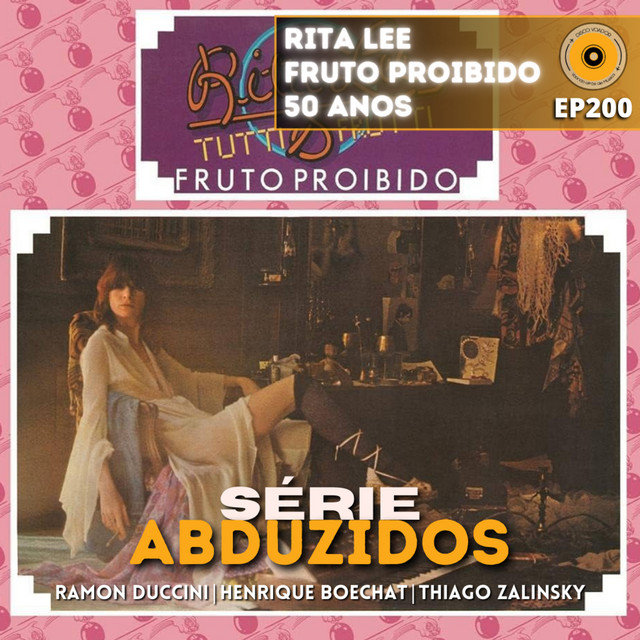
Disco Voador · Ramon Duccini
Comemoração dupla hoje no Disco Voador!A série Abduzidos chega ao seu episódio de número 200 festejando os 50 anos do antológico álbum "Fruto Proibido", de Rita Lee & Tutti Frutti!
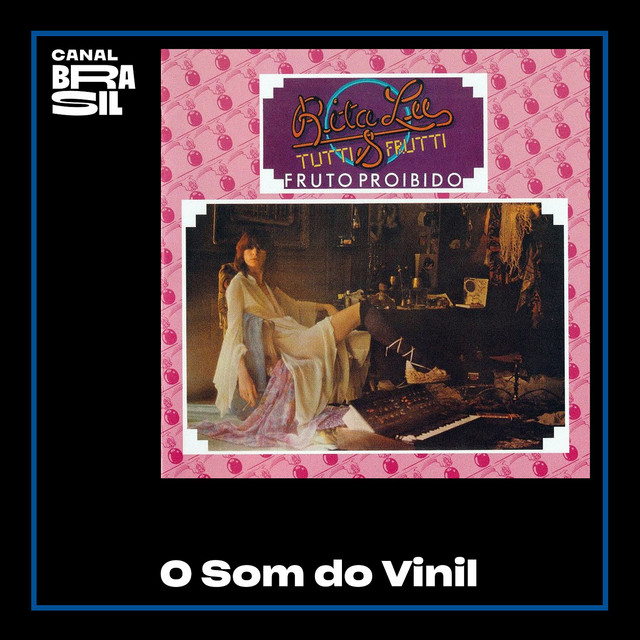
O Som do Vinil | Podcast · Canal Brasil
Charles Gavin comenta o disco “Fruto Proibido”, segundo disco de Rita Lee com a banda Tutti Frutti, lançado em 1975.
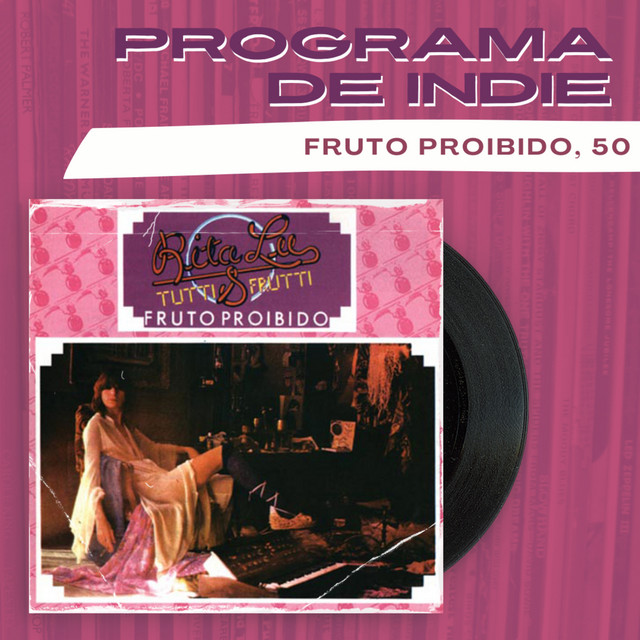
OUÇA A PLAYLIST!“Comer um fruto que é proibido/você não acha irresistível?”Nossos indies rabugentos acham – e não é à toa que a gente coloca velinhas na maçã envenenada e comemora 50 anos dessa obra-prima do rock brasileiro no programa dessa semana. Segundo álbum de Rita Lee e do Tutti Frutti, Fruto Proibido não é só uma coleção de incríveis canções: é também uma prova viva de como a liberdade e a
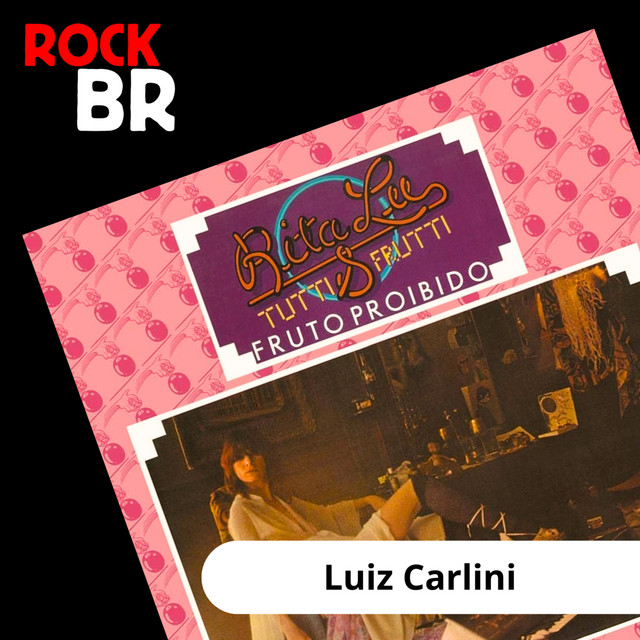
Rock BR · Henrique Inglez de Souza
Neste episódio, Henrique Inglez de Souza revisita Fruto Proibido, uma obra-prima do rock nacional. Para essa viagem, alguns convidados mais que especiais: o jornalista Antônio "Tony" Carlos Monteiro, Roberto Frejat e o guitarrista do Tutti Frutti, Luiz Carlini.
Videos
"Fruto proibido" - Rita Lee & Tutti Frutti | Os melhores discos da MPB nos anos 70 | Alta Fidelidade
Alta Fidelidade
Fruto Proibido: Um Marco No Rock Nacional || Album Review
Agulha Quebrada
Rita Lee, review da reedição do Fruto Proibido e a edição de 1975. #ritalee #musica #cultura
De Volta Ao Passado
Ep. 83 - Rita Lee e o Fruto Proibido: O disco que mudou o rock brasileiro
Sons e Histórias
Rita Lee: Fruto Proibido e os relançamentos da Universal Music
Universo do Vinil
RITA LEE - FRUTO PROIBIDO (1975) - A história de um clássico ⭐️ ARREPIÔMETRO
KazaGastão
Films

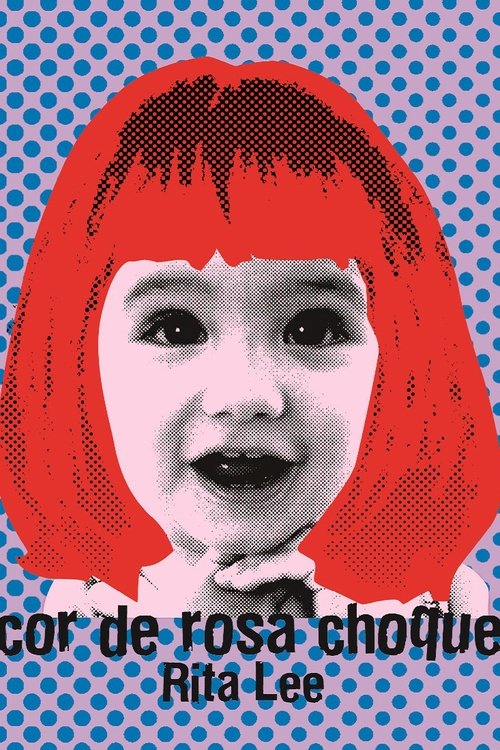
Rita Lee - Biograffiti: Cor de Rosa Choque
2007
Rita Lee became the main reference point for Brazilian rock-pop. She composed iconic songs addressing the feminine universe, the theme of "Cor de Rosa Choque", the third part of the documentary series "Biograffiti". Topics such as the witchcraft of women, the muses who inspired her, the wonders of ageing, and the untold mysteries of the feminine soul are treated in this documentary in a humorous and moving way. "Todas as Mulheres do Mundo", "Pagu" and "Erva Venenosa" are some of the many songs shown, taken from the concert recorded in November 2006 at Morro da Urca, Rio de Janeiro. There are also precious historical archives, such as the meetings of Rita and Elis in 1978, singing "Doce de Pimenta", and Rita and Cássia Eller, in 1998, singing "Luz del Fuego". "Cor de Rosa Choque" also features the recording of the unreleased rock song "Tão".

Rita Lee - Biograffiti: Baila Comigo
2007
Life on the road is the theme of ‘Baila Comigo’, the second part of the documentary trilogy "Biograffiti" about the life and work of Rita Lee. The singer talks about the pleasure of composing, her affinity with the audience, and tells how some of her songs were born. She also talks about cinema, drugs, and Rio de Janeiro. The documentary shows the meeting of Rita and João Gilberto singing Joujoux et Balangandans, catches Rita and Roberto de Carvalho finishing a new song called ‘Dinheiro’ and presents the songs from the singer's show in January 2007 on Copacabana Beach. There Rita sang the hits ‘Mania de Você’, ‘Lança Perfume’, ‘Agora só falta Você’ and ‘Flagra’, among others. And to honour the Marvellous City, she sang the song ‘Valsa de Uma Cidade’ along with the 180,000 people present on the beach.

Rita Lee - Biograffiti: Ovelha Negra
2007
Brazilian singer Rita Lee narrates moments about her life, from her childhood to the meeting with Roberto de Carvalho. The documentary is permeated with excerpts from the singer's concerts, with songs sung entirely.
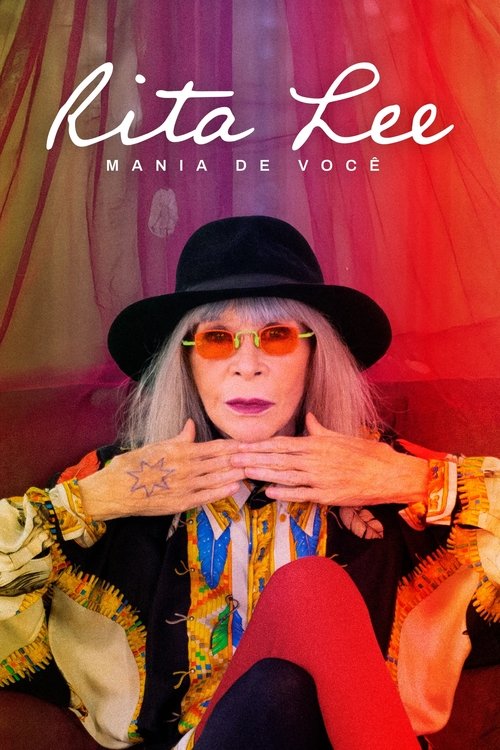
Rita Lee: Mania de Você
2025
Just before her departure, Rita Lee writes a farewell letter to her three children and her husband and musical partner, Roberto de Carvalho, in which she reflects on her life and joyfully celebrates her family. Her final moments also mark the time to look back and review a career full of unforgettable successes, which led her to sell more than 55 million records. But it is also a time to reveal her downfalls, her vulnerable side, and her excesses as the queen of rock. With completely unseen personal archives and exclusive testimonies from her own family, as well as producers, journalists, musicians, and celebrities such as Gilberto Gil and Ney Matogrosso, "Rita Lee: Mania de Você" presents her definitive legacy.
Books
Álbum 2 - 1972 a 1978
Pedro Alexandre Sanches · 2022
Part of the 'Álbum' series, which retells the history of Brazilian music through its records, this volume focuses on the period from 1972 to 1978. 'Fruto Proibido', released in 1975, fits directly into this timeframe. Written by renowned journalist and music critic Pedro Alexandre Sanches, it is highly probable that the book will dedicate a significant analysis to such an emblematic album from this period.
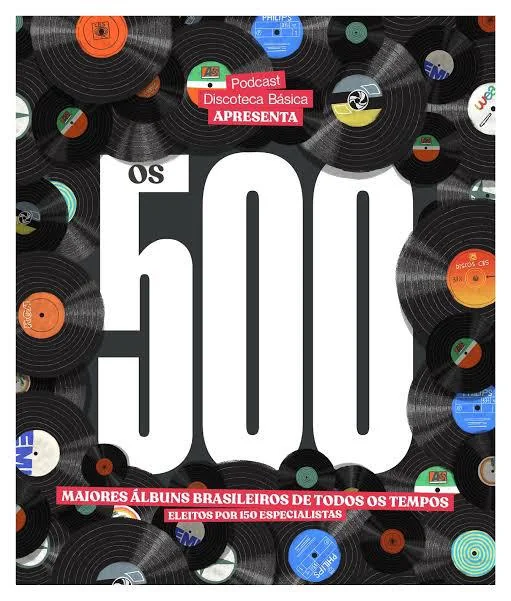
Os 500 Maiores Álbuns Brasileiros de Todos os Tempos
Ricardo Alexandre · 2022
The largest Brazilian music election ever conducted: 162 specialists, spanning journalists, critics, musicians, producers and podcasters, each nominated 50 essential albums, supported by a masterlist of more than 2,000 works. Led by Ricardo Alexandre with tabulation by Sérgio Jomori, it was published in December 2022 as a 200-page hardcover book with graphic design by Fernando Pires.
Rita Lee: uma autobiografia
Rita Lee · 2016
This is Rita Lee's first autobiography, considered one of the most honest and revealing works about her life and career. It covers her childhood, her first steps in the artistic life, and crucial moments such as her imprisonment in 1976, offering a direct and in-depth context to understand the period of the album 'Fruto Proibido' (1975) and her overall trajectory.
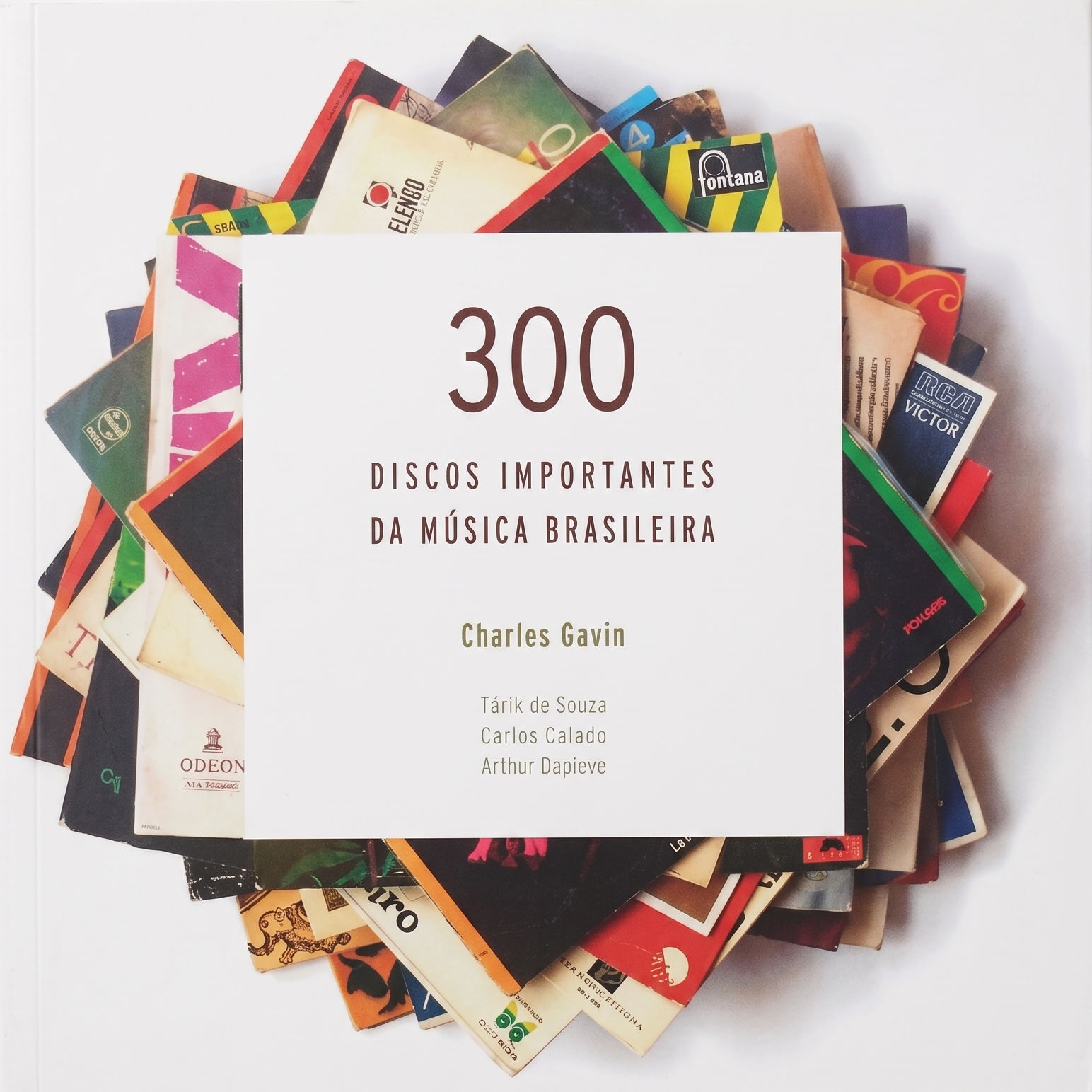
300 Discos Importantes da Música Brasileira
Charles Gavin, Tárik de Souza, Carlos Calado, Arthur Dapieve · 2008
Conceived by Titãs drummer and musical researcher Charles Gavin, the 434-page book brings together covers and reviews of albums released between 1929 and 2007. The texts were written by journalists Tárik de Souza, Arthur Dapieve and Carlos Calado.
Analyses
Fruto Proibido – Wikipedia
Wikipedia, the free encyclopaedia
Fruto Proibido – The 100 Greatest Albums of Brazilian Music
Marcus Preto · Rolling Stone Brasil
The first album of Brazilian rock that didn't sound like a version of the English original.
Leia faixa-a-faixa de 'Fruto Proibido' (Rita Lee & Tutti Frutti) por ...
rollingstone.com.br
50 years ago, on 30 June 1975, one of the most important albums in the history of Brazilian rock was released to the public: Fruto Proibido, Rita Lee's fourth solo album and her second with the band Tutti Frutti.
Rita Lee e o frescor de 'Fruto Proibido', 50 anos depois
rollingstone.com.br
This begins to explain the success of Fruto Proibido (1975), Rita Lee's fourth solo album and her second with Tutti Frutti. An album so powerful that, 50 years later, it sounds as strong as it did when it was released.