É Proibido Fumar
Roberto Carlos
1964

Rankings
Why This Album Matters
É Proibido Fumar, released in August 1964, is a seminal album in Roberto Carlos's discography and a milestone in the history of Brazilian rock. Representing the artist's third studio work, it marks Roberto Carlos's definitive shift towards rock and roll, establishing the sound that would consecrate him as the "King" and pave the way for the Jovem Guarda phenomenon. This record not only consolidated Roberto's musical identity but also became one of the pillars of youth rock in Brazil, incorporating influences from rockabilly, surf rock and doo-wop. With a duration of just over 28 minutes, the album is an explosion of youthful energy and rebellion, featuring timeless classics that resonate to this day. Roberto Carlos's audacity in fully investing in rock after the success of his previous work transformed him from a promising talent into a true phenomenon of Brazilian music, capturing the spirit of a generation and shaping the country's soundscape. The album demonstrates Roberto's ability to move between his own compositions and covers, always with an authentic and vibrant flair that would make him stand out in the musical scene.
Context
Before É Proibido Fumar, Roberto Carlos sought affirmation in the Brazilian music scene. His first career steps, in the late 1950s, included forays into bossa nova and samba-canção, which did not achieve the desired success. It was upon returning to rock and roll, a style that captivated him since his youth, that Roberto began to find his true artistic voice, boosted by the good performance of his previous album, Splish Splash, from 1963. The year 1964, marked by the album's release, coincided with the beginning of the military dictatorship in Brazil, a period of moral repression and conservatism. In this scenario, Roberto Carlos's album emerges as an act of attitude and defiance, with lyrics that, at times, challenged social norms. The rise of youth culture and rock, with its electric guitars and a new way of expressing love and life, represented a significant musical novelty, and Roberto Carlos positioned himself as its main spokesman.
Recording
The album É Proibido Fumar was recorded in June 1964 at the renowned CBS studios in Rio de Janeiro, with production by Evandro Ribeiro. Roberto Carlos, in addition to vocals, contributed with acoustic and electric guitar, demonstrating his instrumental involvement in creating the sound. The accompaniment was provided by the band The Angels, later known as The Youngsters, who handled the instrumentation on all tracks and featured Sérgio Becker on saxophone. A notable episode during the recording involves the song "O Calhambeque". Originally planned to feature brass arrangements, the night-time recording prevented the presence of wind musicians. The solution found was an acoustic and improvised arrangement, with percussion performed creatively: drummer Romir used a tape reel tin, played with drum brushes, lending a unique touch to the track.
Songs
É Proibido Fumar presents a rich tapestry of songs that became symbols of the era. The title track, a partnership between Roberto and Erasmo Carlos, and "O Calhambeque", a version of "Road Hog" credited to Erasmo, stand out as absolute classics of Brazilian rock and constant presences in the King's shows. The album also includes other widely acclaimed songs, such as "Um Leão Está Solto Nas Ruas", "Minha História De Amor" and "Rosinha", as well as notable covers like "Nasci Para Chorar" (from Dion DiMucci's "I Was Born To Cry") and "Desamarre O Meu Coração" (from "Unchain My Heart", a Ray Charles hit). "Broto Do Jacaré" is a vibrant example of surf music style included in the repertoire, reminiscent of the sound popularised by The Beach Boys. Erasmo Carlos's contribution was fundamental, co-writing not only the title track, but also "Broto do Jacaré" and "Louco Não Estou Mais", in addition to being responsible for the versions of "O Calhambeque" and "Nasci Para Chorar". The lyrics address youthful themes and, in tracks such as "É Proibido Fumar", carried a provocative message, aligned with the spirit of a youth reacting to the repression of the time.
Legacy
É Proibido Fumar is widely recognised as one of the most important albums in Brazilian rock, essential for the genre's formation in the country. Its release boosted Roberto Carlos's sales from 9,000 copies in 1963 to nearly 60,000 in 1964, marking his ascent from a promising talent to a musical phenomenon. It was a decisive catalyst for the emergence and consolidation of the Jovem Guarda movement, positioning Roberto Carlos as the main spokesman and icon of that generation. The album's influence transcended its era. Songs such as "É Proibido Fumar" became true anthems and were revisited by various generations of artists. Bands like Skank re-recorded the title track in 1994, bringing it back to the charts and demonstrating its timelessness. The song was also interpreted by names such as Rita Lee and Samuel Rosa, evidencing its lasting impact on Brazilian pop culture. Furthermore, the album received Platinum certification in Brazil, with 250,000 units sold, attesting to its commercial success and popularity.
Tracks
Credits
Armando Canuto
Videos
ANÁLISE DOS DISCOS DE ROBERTO CARLOS - É PROIBIDO FUMAR - 1964 - por DANIEL BUENO
Daniel Bueno Oficial
Roberto Carlos (Álbum É Proibido Fumar 1964) Comentário
Roni Fernandes
Books
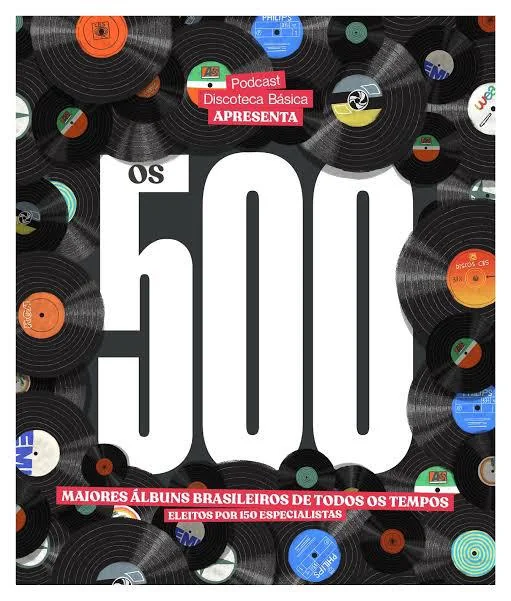
Os 500 Maiores Álbuns Brasileiros de Todos os Tempos
Ricardo Alexandre · 2022
The largest Brazilian music election ever conducted: 162 specialists, spanning journalists, critics, musicians, producers and podcasters, each nominated 50 essential albums, supported by a masterlist of more than 2,000 works. Led by Ricardo Alexandre with tabulation by Sérgio Jomori, it was published in December 2022 as a 200-page hardcover book with graphic design by Fernando Pires.
Roberto Carlos outra vez: 1941-1970
Roberto Carlos outra vez: 1941-1970
Paulo Cesar de Araújo
A work by renowned biographer Paulo Cesar de Araújo, this book focuses on Roberto Carlos' trajectory between 1941 and 1970, a period that covers the first steps of his career and his rise as the "King" of Jovem Guarda, including the release of crucial albums like "É Proibido Fumar" in 1964. It is essential for understanding the singer's artistic evolution during this phase.
Analyses
É Proibido Fumar – Wikipedia
Wikipedia, the free encyclopaedia

MUSICA&SOM: É Proibido Fumar (CBS,1964), Roberto Carlos
tabernanovostempos.blogspot.com
Here, Roberto Carlos sings about emotional liberation, breaking away from a deceitful love. A vigorous conclusion to an album that balances irreverence and romanticism, reaffirming Roberto as the great name of national youth music.

Roberto Carlos: 60 anos de "É Proibido Fumar"
bcfblogculturaefutebol.wordpress.com
This August, Roberto Carlos' third album, "É Proibido Fumar", celebrates 60 years since its release. Recorded at Estúdio CBS in Rio de Janeiro in June 1964, the album was produced by Evandro Ribeiro and released by Discos CBS/Sony Music.

Roberto Carlos - 1964 - É Proibido Fumar (Mono)
thebestofvinil.blogspot.com
Congratulations on the wonderful work, salvaging and restoring these vinyl albums in their original edition and with excellent quality, especially the records by singer Roberto Carlos.
Roberto Carlos - É Proibido Fumar (1964)
agoraerock.forumeiros.com
Released by CBS in July 1964, "É Proibido Fumar" is the third album by the Capixaba singer. The LP shows Roberto Carlos seeking affirmation on the Brazilian music scene.