Jovem Guarda
Roberto Carlos
1965

Rankings
Why This Album Matters
Jovem Guarda is the fifth album by singer and songwriter Roberto Carlos, released in 1965. This work is considered a milestone in the artist's career, solidifying the style that would name the influential cultural movement and the popular TV programme of the same name. The record features a vibrant and contagious sound, characteristic of the era. Recorded with the band The Youngsters and featuring the crucial involvement of organist Lafayette, the album offers a repertoire that has become iconic. Tracks such as "Quero que Vá Tudo pro Inferno", which opens the record, had a significant impact and established themselves as some of the singer's greatest successes.

Roberto Carlos's sixth album became famous for helping to popularise the phrase "jovem guarda".
Antônio do Amaral Rocha · Rolling Stone Brasil
Context
The album was strategically named after the programme hosted by Roberto Carlos on TV Record, an audience phenomenon in the 1960s. The idea, proposed by Othon Russo, a director at CBS, aimed to boost both record sales and programme viewership, capitalising on the growing popularity of the Jovem Guarda musical and cultural movement.
Recording
The album Jovem Guarda was recorded in September 1965. The band The Youngsters participated in all tracks, contributing their characteristic instrumentation and sound, and even appear in the photos on the back cover and booklet of the record. The recording featured the prominent participation of keyboardist Lafayette, whose analogue Hammond organ was instrumental in songs such as "Escreva uma Carta meu Amor", "Mexerico da Candinha", "Eu Te Adoro", "Meu Amor" and in the main track that opens the record.
Songs
Among the album's tracks, "Quero que Vá Tudo pro Inferno" stands out as one of the biggest successes of Roberto Carlos's career, opening the record with great impact. Other notable songs include "Lobo Mau", "O Feio", "Mexerico da Candinha", "Pega Ladrão" and "Não é Papo Pra Mim". Organist Lafayette's participation was crucial to the sonic identity of several compositions, lending a special touch to tracks such as "Escreva uma Carta meu Amor", "Mexerico da Candinha", "Eu Te Adoro", "Meu Amor" and the title track.
Legacy
The importance of Jovem Guarda has been widely recognised over the years, being voted in 2007 by Rolling Stone Brasil magazine as the 85th best Brazilian record of all time. In 2013, the album reached an even higher level of international recognition by being inducted into the Latin Grammy Hall of Fame, solidifying its place in the history of Brazilian music.
Tracks
Credits
Armando Canuto
Videos
ANÁLISE: DISCO JOVEM GUARDA DO CANTOR RC DE 1965!
DS Animações
O Rei do Iê-iê-iê E o Seu Lado Beatle! Review do Disco Jovem Guarda e do Disco Mais Beatle do Rei Rc
lorenzo demetrius
Books
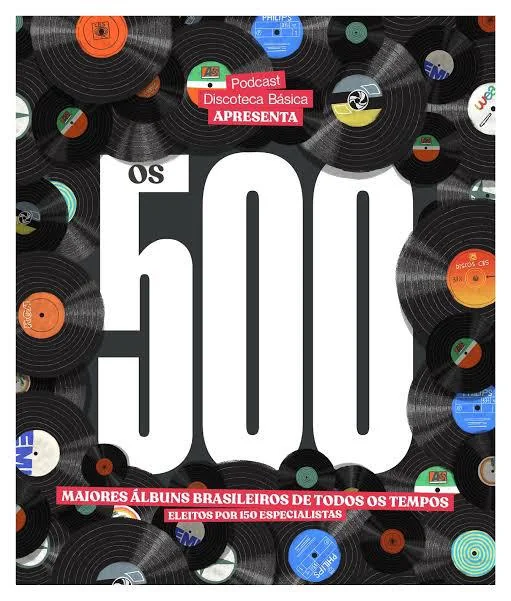
Os 500 Maiores Álbuns Brasileiros de Todos os Tempos
Ricardo Alexandre · 2022
The largest Brazilian music election ever conducted: 162 specialists, spanning journalists, critics, musicians, producers and podcasters, each nominated 50 essential albums, supported by a masterlist of more than 2,000 works. Led by Ricardo Alexandre with tabulation by Sérgio Jomori, it was published in December 2022 as a 200-page hardcover book with graphic design by Fernando Pires.
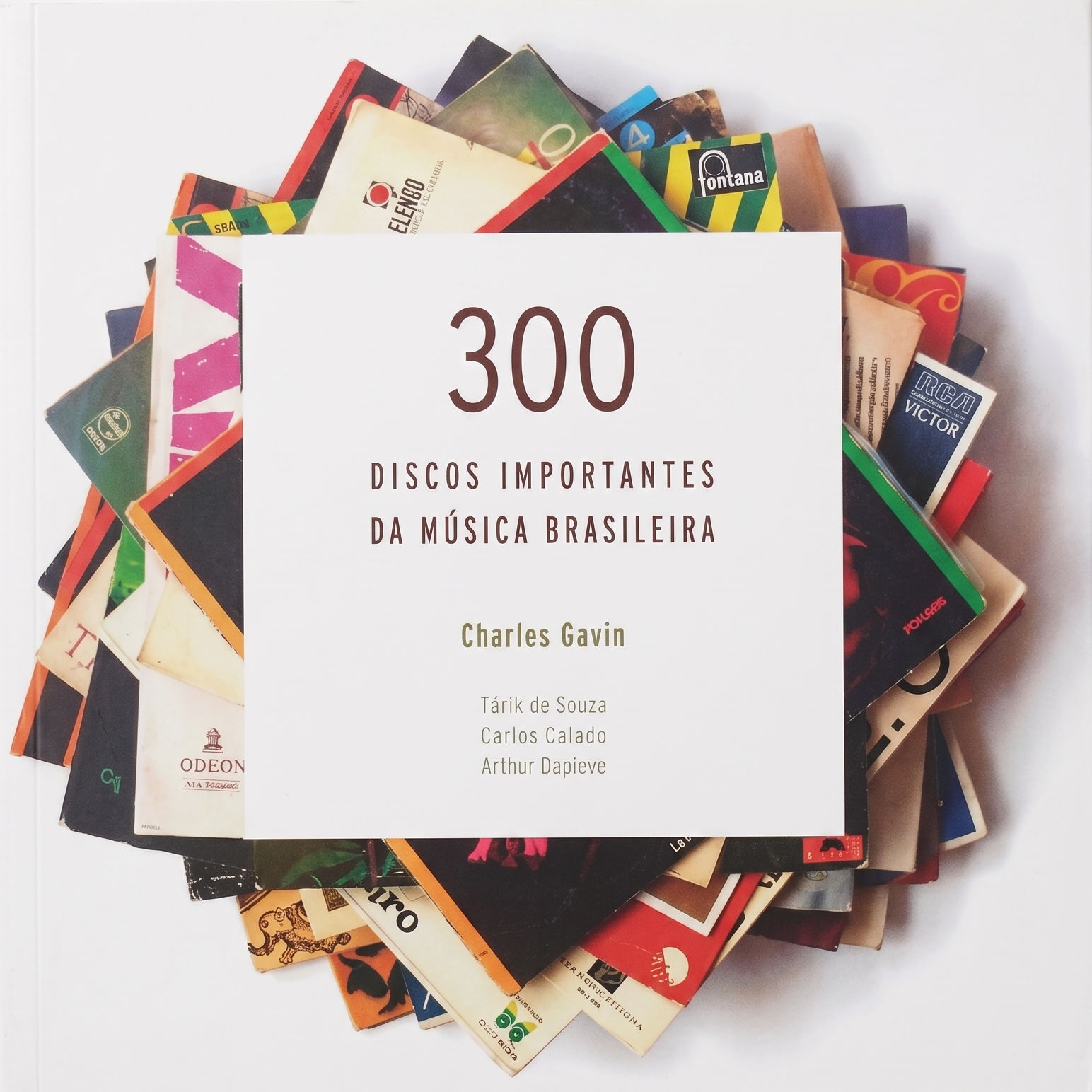
300 Discos Importantes da Música Brasileira
Charles Gavin, Tárik de Souza, Carlos Calado, Arthur Dapieve · 2008
Conceived by Titãs drummer and musical researcher Charles Gavin, the 434-page book brings together covers and reviews of albums released between 1929 and 2007. The texts were written by journalists Tárik de Souza, Arthur Dapieve and Carlos Calado.
Histórias da Jovem Guarda
Antônio Aguillar, Débora Aguillar, Paulo César Ribeiro · 2005
Written by Antônio Aguillar, a key figure in Jovem Guarda, this book offers a collection of stories and memories of the musical and cultural movement, providing an authentic insight into the period when Roberto Carlos's "Jovem Guarda" album was released.
Jovem Guarda
Marcelo Fróes · 2000
This book details the Jovem Guarda movement, from the trajectories of its main figures such as Wanderléa, Erasmo, and Roberto Carlos, to the behind-the-scenes stories and the importance of the instrumental groups of the era. It is a rich source of information for understanding the context of the "Jovem Guarda" album.
Roberto Carlos outra vez: 1941-1970
Roberto Carlos outra vez: 1941-1970
Paulo Cesar de Araújo
An in-depth biography of Roberto Carlos covering the years 1941 to 1970, dedicating significant attention to the Jovem Guarda period, where the eponymous 1965 album fits in, and his rise as the "King" of Brazilian music. Paulo Cesar de Araújo is one of the artist's most respected biographers.
Analyses
Jovem Guarda – Wikipedia
Wikipedia, the free encyclopaedia
Jovem Guarda – The 100 Greatest Albums of Brazilian Music
Antônio do Amaral Rocha · Rolling Stone Brasil
Roberto Carlos's sixth album became famous for helping to popularise the phrase "jovem guarda".
Jovem Guarda (album) explained
everything.explained.today
Jovem Guarda is the fifth studio album by the Brazilian singer and writer Roberto Carlos, which was released in 1965.

MUSICA&SOM: Roberto Carlos - Jovem Guarda (1965)
tabernanovostempos.blogspot.com
"Jovem Guarda" was voted on a list by the Brazilian version of Rolling Stone magazine as the 85th best Brazilian album of all time. Musicians from the groups Renato e Seus Blue Caps, Youngsters, and keyboardist Lafayette participated in the recording of this album.
Roberto Carlos e a Jovem Guarda em 1965: Contexto, Sucesso e Impacto
blog.atomicpapers.com.br
In this context, the album "Roberto Carlos Jovem Guarda 1965" stands out as an authentic representation of this musical movement. With songs addressing themes such as love, longing, and rebellion, the album became a success that captivated the audience of the time and left a lasting legacy in Brazilian culture.