Roberto Carlos
Roberto Carlos
1969

Rankings
Why This Album Matters
The 1969 album Roberto Carlos represents a fundamental landmark in the artistic trajectory of the 'King', consolidating his transition from a Jovem Guarda idol to a singer and songwriter of greater depth and maturity. Distinguishing itself from his previous works, this record is a first real dive into lyrical and harmonic sophistication, a balance between the romantic pop that had already established him and the expressiveness of MPB. In this work, one perceives a rich tapestry of musical influences, ranging from soul to pop rock, passing through waltz and elements that flirt with funk and rhythm and blues, demonstrating Roberto Carlos's versatility and his ability to absorb and reinterpret genres. The album not only presented the public with one of his greatest successes, the iconic "As Curvas da Estrada de Santos", but also delineated the path for the romantic phase that would definitively establish him with a more adult audience.
Context
At the turn of the 1960s, Roberto Carlos was already a central figure in the Brazilian music scene, recognised as one of the pillars of the Jovem Guarda movement, which popularised rock in the country and inspired successful films. However, the 1969 album symbolises a decisive turning point in his career, marking a move away from the 'yé-yé-yé' style and a search for a more introspective and mature sound. This period of 1969 was a phase of cultural effervescence and political uncertainties in Brazil, and Roberto Carlos's music reflected a new stance. The King, who had already established a strong partnership with Erasmo Carlos, began to direct his art towards more universal and sentimental themes, redefining his target audience and solidifying his image as Brazil's great romantic singer.
Recording
The album Roberto Carlos (1969) was recorded between July and October of the same year, at the CBS record label studios, where many of his successes were registered. Production was handled by Evandro Ribeiro, a constant and influential figure in the singer's early works at the record label. During the recording sessions, a three-channel system was used, which, although still considered a modest advance, allowed for important sonic experimentations on the record, contributing to the cohesion and elegance of the final work. This technical approach helped to shape the diversity of arrangements and influences that characterise the album, from orchestrations to flirtations with soul and rock.
Songs
The 1969 album is packed with compositions that became classics, many of them stemming from the inspired partnership with Erasmo Carlos. The song "As Curvas da Estrada de Santos" is one of the greatest highlights, using the famous road as a metaphor for life's emotional journeys, especially after a romantic loss. "Sua Estupidez" is another powerful romantic ballad co-written with Erasmo Carlos, which quickly became a success and reinforced Roberto's new direction. Also on the album is the first recording of "Não Vou Ficar", a composition by Tim Maia, which Roberto Carlos released even before Tim Maia recorded his own version, demonstrating the musical exchange of the time. The track "O Diamante Cor de Rosa" marks Roberto Carlos's debut in an instrumental song of his career, being the theme of the eponymous film he starred in with Erasmo and Wanderléa, and where Roberto himself performs the main accompaniment on the harmonica. Compositions such as "Nada Vai Me Convencer" still retain vestiges of the Jovem Guarda sound with a soul flair, while "Oh! Meu Imenso Amor" surprises with an ironic and amusing approach to the waltz rhythm, demonstrating Roberto's versatility in exploring different styles.
Legacy
With approximately 400 thousand copies sold, the album Roberto Carlos (1969) was a significant commercial success, consolidating the importance of the partnership between Roberto and Erasmo Carlos and marking a watershed moment in the singer's career. The record was a fundamental step for the King to definitively embrace his more romantic phase, moving away from the exclusive Jovem Guarda label. Considered a "real dive into artistic maturity", the album paved the way for Roberto Carlos's image as the greatest icon of Brazilian romantic music. The album's repercussion, which included the success of the film "Roberto Carlos e o Diamante Cor-de-Rosa", whose instrumental theme is present on the album, reaffirmed his position as a mass-market artist with growing musical sophistication. His influence extended, enriching the MPB repertoire and impacting other genres and artists in the following decades.
Tracks
Credits
Armando Canuto
Podcasts
Bota O Disco Aí · Bota O Disco Ai
Sammyr Muradi e Caveira resgatam o primeiro episódio do Bota O Disco Aí, trazendo um Remake dele, falando mais a fundo sobre o álbum que tentava renovar a imagem do cantor Roberto Carlos, o vamos disco da Praia, lançado em 1969.Instagram:@botaodiscoai @eu_sou_a_caveira @muradisammyr#mpb #romantismo #robertocarlos #1969 #erasmocarlos #soul #tropicalia #jovemguarda 2019 #disco #vinil #re
Bota O Disco Aí · Bota O Disco Ai
No primeiro episódio do Bota O Disco Aí, a Caveira indica sozinha o 8° disco do Rei Roberto Carlos lançado em 1969, contando um pouco da historia por traz desse álbum e comentando faixa por faixa.Instagram:@botaodiscoai @eu_sou_a_caveira @muradisammyr#mpb #romantismo #robertocarlos #1969 #erasmocarlos #soul #tropicalia #jovemguarda 2019 #disco #vinil #reviewalbum #album #review #podcast #mus
PodCália · Gigola
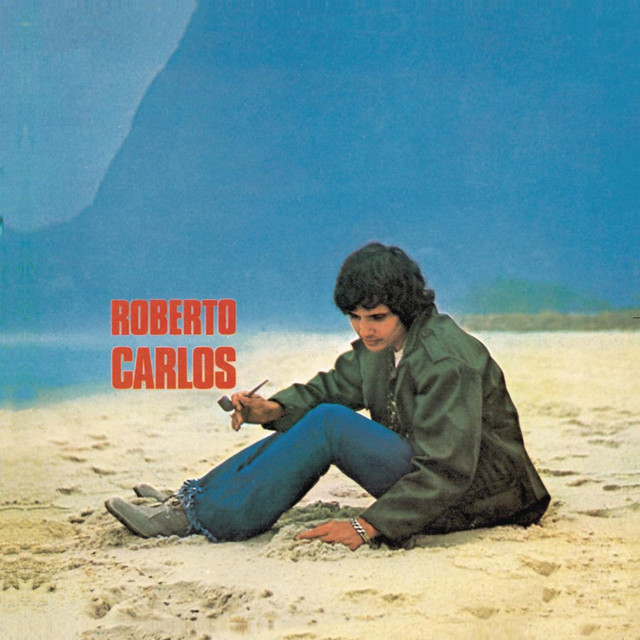
Abram o champanhe, coloquem roupas bonitas (menos as da cor marrom) e joguem fora as uvas-passas! O fim do ano chegou! E com ele, já sentimos aquele cheirinho de “Roberto Carlos”. Robertão está de volta ao PodCália para comemorar os 50 anos do seu especial na TV, e por isso, nosso podcast irá resenhar um dos mais icônicos da carreira do "Rei", o álbum de 1969. Nesse trabalho, Roberto Carlos con
Videos
10 Discos que Mostram Por Que Roberto Carlos É o Rei do Brasil
Vinilteca
ROBERTO CARLOS - O INIMITÁVEL (1968) | ALBUM REVIEW
Vinilteca
ROBERTO CARLOS 1971 | ALBUM REVIEW
Som de Peso
ANÁLISE DOS DISCOS DE ROBERTO CARLOS - 1969 - com DANIEL BUENO
Daniel Bueno Oficial
ANÁLISE DOS DISCOS DE ROBERTO CARLOS - LP 1966 - com DANIEL BUENO
Daniel Bueno Oficial
ANÁLISE DOS DISCOS DE ROBERTO CARLOS - O INIMITÁVEL - 1968 - com DANIEL BUENO
Daniel Bueno Oficial
Books
Os 500 Maiores Álbuns Brasileiros de Todos os Tempos
Ricardo Alexandre · 2022
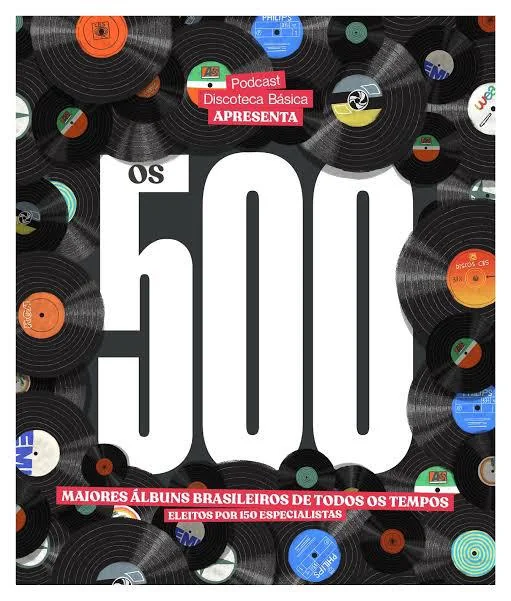
The largest Brazilian music election ever conducted: 162 specialists, spanning journalists, critics, musicians, producers and podcasters, each nominated 50 essential albums, supported by a masterlist of more than 2,000 works. Led by Ricardo Alexandre with tabulation by Sérgio Jomori, it was published in December 2022 as a 200-page hardcover book with graphic design by Fernando Pires.
Roberto Carlos outra vez: 1941-1970
Roberto Carlos outra vez: 1941-1970
Paulo Cesar de Araújo
This work by renowned biographer Paulo Cesar de Araújo is part of an in-depth study of Roberto Carlos' trajectory, covering the period from 1941 to 1970. By encompassing the years of Jovem Guarda and the beginning of his romantic phase, a period in which the album 'Roberto Carlos (1969)' was released, it is an essential source for understanding the artist's context and musical production at that time, with a high probability of dedicating significant attention to this specific album and its place in his discography.
Analyses
Roberto Carlos – Wikipedia
Wikipedia, the free encyclopaedia
Do rock ao soul: o álbum de 1969 que mudou Roberto Carlos para sempre
radios.ebc.com.br
It was time to be Roberto Carlos. The material features the first songs in the romantic style that would be consecrated by the artist in the following decade, as well as a sort of recognition from MPB, which for years harshly criticised the Jovem Guarda movement.

Roberto Carlos (CBS,1969), Roberto Carlos - discosessenciais.blogspot.com
discosessenciais.blogspot.com
The album Roberto Carlos, released in December 1969, is not just the ninth studio album of his career. It is his first real dive into artistic maturity, a crossing from the mirrored iê-iê-iê world of Jovem Guarda to a more introspective, sophisticated, and painfully human ocean.

MUSICA&SOM: Roberto Carlos (CBS,1969), Roberto Carlos
tabernanovostempos.blogspot.com
The album Roberto Carlos, released in December 1969, is not just the ninth studio album of his career. It is his first real dive into artistic maturity, a crossing from the mirrored iê-iê-iê world of Jovem Guarda to a more introspective, sophisticated, and painfully human ocean.
"Roberto Carlos" (1969), Roberto Carlos - A música de
amusicade.com
Sanches discusses the melancholy of the album, associating it with the post AI-5 period and the song As Flores do Jardim da Nossa Casa, decisive in its interpretation. Composed by the singer when his newborn son was facing vision problems, the music would also carry a collective sadness, present throughout the entire LP.