Roberto Carlos
Roberto Carlos
1971

Rankings
Why This Album Matters
Roberto Carlos, the singer's eleventh studio album, released in December 1971 by CBS, represents a landmark in the artist's career and in Brazilian music. This work is considered a transitional album, in which Roberto Carlos, already acclaimed by the public as a great national idol, solidified critical recognition as one of the most important creators of Brazilian music, often in partnership with Erasmo Carlos. Upon reaching 30 years of age, Roberto Carlos entered a phase of greater artistic maturity, definitively embracing his romantic vein. The album was crucial for his consecration as the greatest romantic idol in Brazilian music, a status that endures to this day. His entry into the pantheon of great MPB authors is due both to his modern style of interpreting romantic songs and to the thematic emphasis of tracks like "Detalhes", which distanced itself from the conventional lament of unrequited love by evoking striking memories of ended relationships. For many, Roberto Carlos of 1971 is considered the best and most important album of his career, a work that brings together the artist's diverse facets into a cohesive and profoundly significant piece.

Roberto, at the time, was pure romanticism, without being sappy.
Toninho Spessoto · Rolling Stone Brasil
Context
In the 1960s, Roberto Carlos emerged as the main icon of the Jovem Guarda, establishing himself as a reference for Brazilian youth. From 1968 onwards, the singer began a process of maturing his repertoire, which would culminate in albums released in 1968 and 1969, strongly influenced by African-American music. As 1971 began, Roberto, then 30 years old, started to reinforce and deepen his romantic facet, culminating in this album which is seen as a watershed moment in his artistic and thematic maturity.
Recording
The album Roberto Carlos of 1971 marked a significant point in the artist's production, being the first to be recorded in the United States. The recording work was carried out in October 1971 at the CBS record label's studio, located in New York, while the pre-production phase took place in Rio de Janeiro. The musical arrangements were the responsibility of renowned American pianist and conductor Jimmy Wisner, who signed most of the orchestrations, with the exception of the tracks "Amada Amante" and "Eu Só Tenho Um Caminho". The executive production of the album was by Evandro Ribeiro, with Eugênio and Dilmar acting as recording technicians. The team of musicians included Roberto Carlos on vocals, Paulo César Barros, from Renato e Seus Blue Caps, on bass, and Altamiro Carrilho with his flute on "Detalhes". In addition, various studio musicians participated, all under the baton and arrangements of conductor Jimmy Wisner.
Songs
The 1971 album is a treasure trove of compositions that explore the multiple nuances of Roberto Carlos's romanticism and identity. The track "Detalhes" is widely recognised as the zero-point of his consecration as the country's greatest romantic singer, standing out for its lyrical approach which, instead of resentment, evokes striking memories of a relationship. This lyrical precision, one of many present on the album, also manifests itself in "Debaixo dos Caracóis dos Seus Cabelos" and "Amada Amante". The first, a romantic ballad that the public sang for over two decades, was revealed in 1992 as a tribute to Caetano Veloso during his exile in London. "Amada Amante", in turn, presents a seductive and audacious Roberto, who advocates for a love free from conventions. Even as a transitional album, the influence of soul music and funk from Roberto Carlos's previous phase is still palpable. This is evident in the blues arrangement of Caetano Veloso's "Como Dois e Dois", in the soul-gospel groove of Getúlio Cortes's "Eu Só tenho Um Caminho", and in the vibrant funk "Todos Estão Surdos". The sensitive and irresistible performer shines in "A Namorada", "Se Eu Partir" and in the self-penned "De Tanto Amor", the latter chosen by Jornal do Brasil in 2005 as one of the ten most beautiful Brazilian songs of all time. The album also treats us to the playful and relaxed Roberto Carlos in fox-trots like "Você Não Sabe o Que Vai Perder" and "I Love You", where he pays homage to the romantic old guard of MPB and even seems to satirise his own mawkishness with an affected voice. Finally, the artist's autobiographical dimension emerges in the confessional "Traumas", where, with a certain reserve, he addresses his childhood accident for the first time, in verses that reveal the delicacy of his soul.

Almost simultaneously with the end of the Jovem Guarda programme in 1969, Roberto Carlos began to effect the transition from King of Wayward Youth to King of Well-Behaved Maturity, which did nothing to improve his image among the left's ideological watchdogs.
Arthur Dapieve · 300 Discos Importantes
Legacy
Roberto Carlos of 1971 definitively consolidated Roberto Carlos's figure as the "King" of Brazilian music, transcending his image as a Jovem Guarda icon. The critique from the newspaper O Estado de S. Paulo, at the time of its release, already affirmed that Roberto could be "placed, without favour, among the best interpreters of Brazilian music". The album's lasting relevance is attested to by various publications and polls. It was elected by Rolling Stone Brasil as the 28th greatest Brazilian album. In September 2012, a joint vote by Rádio Eldorado FM, the Estadao.com portal, and Caderno C2+Música elected it as the tenth best Brazilian album of all time. In a later analysis, journalist Mauro Ferreira highlighted that the album is one of the few that "preserve their charm and, in a way, their topicality by touching on timeless themes", solidifying Roberto Carlos's lifelong enthronement as one of Brazil's most popular singers.
Tracks
Credits
Jimmy Wisner
Armando Canuto
Podcasts
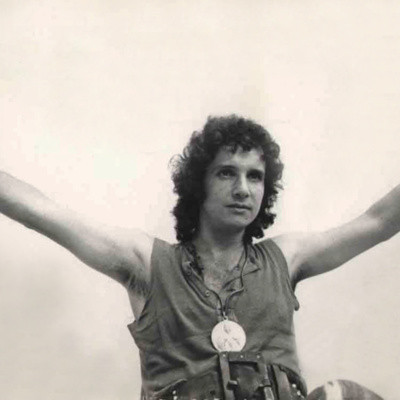
Brazuca Sounds · Leandro Vignoli
In episode #10 we celebrate Roberto Carlos' 80th birthday discussing his self-titled album released 50 years ago in 1971. After a short transitional period of immersing himself in Soul and Funk music, this is the record that would set the tone for the rest of his career. From being a Brazilian Elvis to a full-blown version of a Brazilian Sinatra, or simply, O Rei (The King). Follow our playlist on
Discoteca Básica Podcast · Parasol Storytelling
O PRIMEIRO DISCO DO RESTO DA VIDA DE ROBERTO CARLOS. Em 1971, Roberto Carlos completa seu ciclo de amadurecimento com o álbum de “Detalhes” e “Amada Amante”. Convidado do episódio: Xico Sá Confira os episódios extras do CLUBE DISCOTECA BÁSICA. Saiba como assinar e aproveitar 30 dias grátis: https://podcastdiscotecabasica.com/assine/ Conheça o novo site do programa: https://podcastdiscotecabasica.c
QUER QUE EU RESENHE? · André Marx
Em outra belíssima resenha, o grande George Teixeira volta ao canal pra falar sobre uma obra-prima, aquele que pra imensa maioria é o maior álbum do Rei: o disco de 71, com "Detalhes". Sejam bem-vind@s ao Canal/Podcast QUER QUE EU RESENHE? e esperamos que vocês gostem.
Videos
ROBERTO CARLOS 1971 | ALBUM REVIEW
Som de Peso
Roberto Carlos 1971 Album [Review]
Discomaníacos
Review do cd Roberto Carlos (1971) #37
Canal do Sebosão
Álbum Roberto Carlos 1971 Comentário
Roni Fernandes
Detalhes: Por que o disco de 1971 muda tudo na carreira de Roberto Carlos?
Pitadas do Sal
Roberto Carlos 1971: A influência gospel em Roberto que muita gente não percebeu
Pitadas do Sal
Films

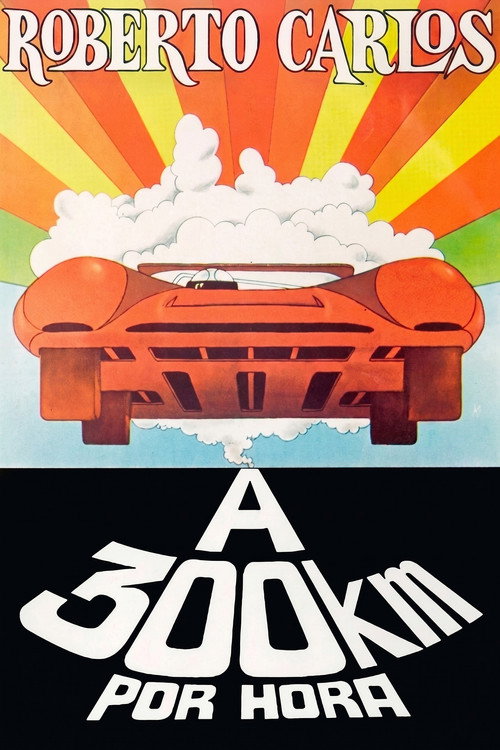
Roberto Carlos a 300 Quilômetros por Hora
1971
A mechanic who wants to become a race car pilot has his great opportunity when he has to take the place of another pilot who had suffered an accident.
Roberto Carlos, Looking for Adventure
1968
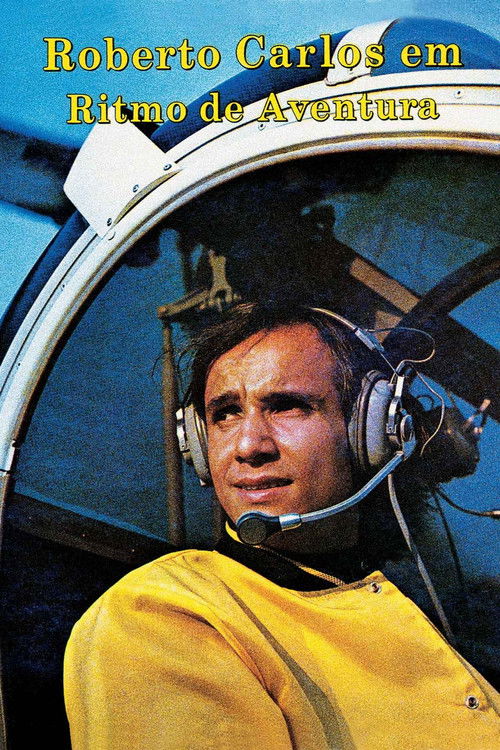
While making a movie in Rio de Janeiro, the singer Roberto Carlos is kidnapped by an international gang that wants to make money with his songs in a computer, together with Pierre, the villain of the movie, and sent to New York.
Books
Os 500 Maiores Álbuns Brasileiros de Todos os Tempos
Ricardo Alexandre · 2022
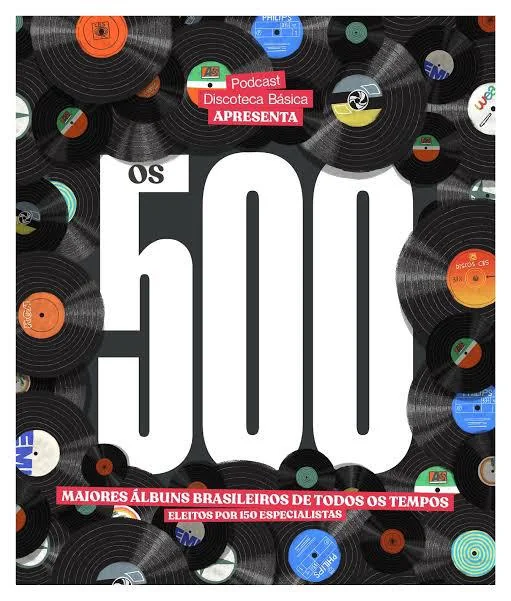
The largest Brazilian music election ever conducted: 162 specialists, spanning journalists, critics, musicians, producers and podcasters, each nominated 50 essential albums, supported by a masterlist of more than 2,000 works. Led by Ricardo Alexandre with tabulation by Sérgio Jomori, it was published in December 2022 as a 200-page hardcover book with graphic design by Fernando Pires.
Roberto Carlos
Jotabê Medeiros · 2021
This is a comprehensive biography of Roberto Carlos, written by Jotabê Medeiros, a respected music journalist. The book explores the trajectory of Brazil's most popular artist, from his omnipresence on television in the 1960s, his hits that marked generations, his artistic triumphs and personal dramas, to his reserved public figure and his religiosity. It covers the decades of his career, including the 1970s, the period in which the 1971 album was released, being essential for understanding its context and impact.
300 Discos Importantes da Música Brasileira
Charles Gavin, Tárik de Souza, Carlos Calado, Arthur Dapieve · 2008
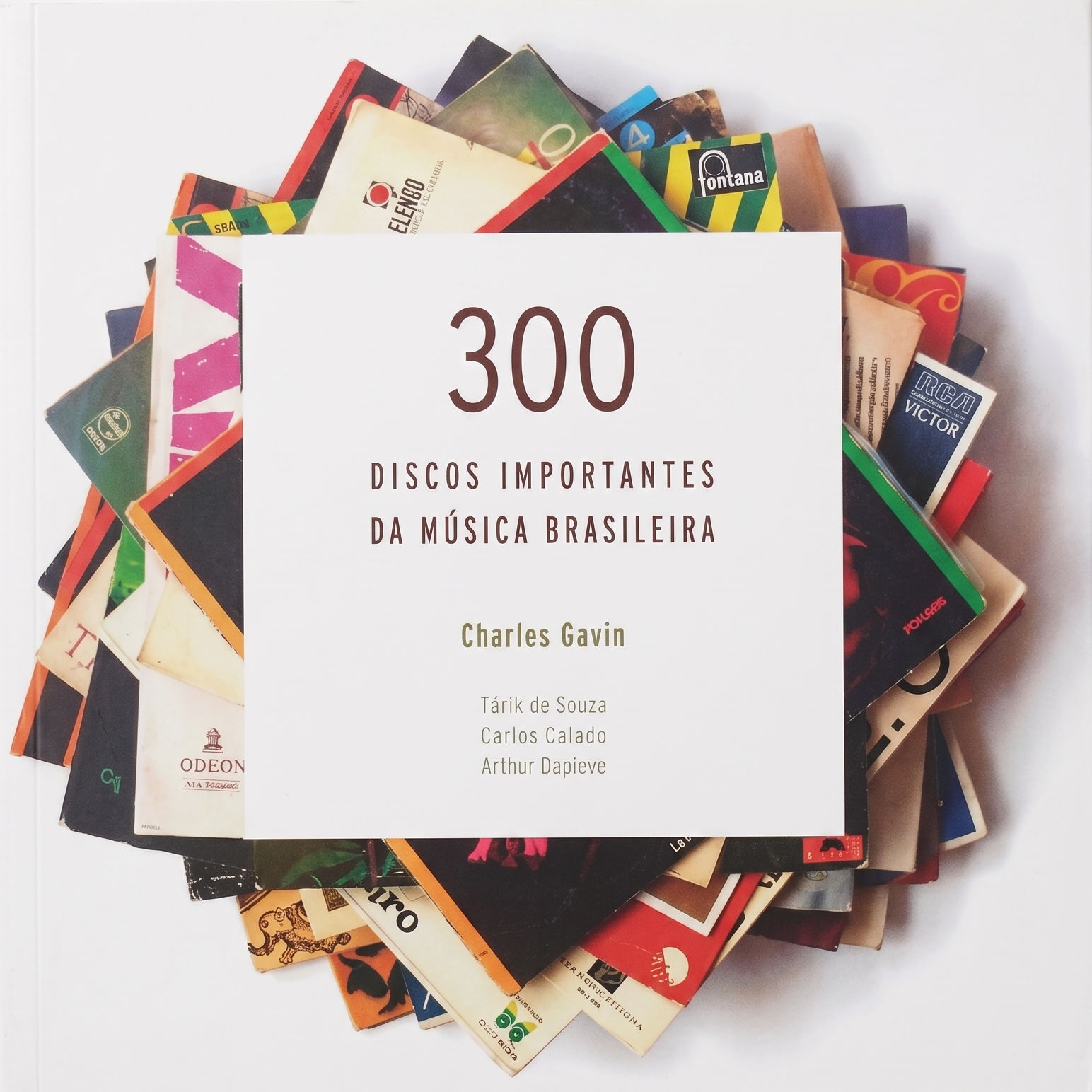
Conceived by Titãs drummer and musical researcher Charles Gavin, the 434-page book brings together covers and reviews of albums released between 1929 and 2007. The texts were written by journalists Tárik de Souza, Arthur Dapieve and Carlos Calado.
Analyses
Roberto Carlos – Wikipedia
Wikipedia, the free encyclopaedia
Roberto Carlos – The 100 Greatest Albums of Brazilian Music
Toninho Spessoto · Rolling Stone Brasil
Roberto, at the time, was pure romanticism, without being sappy.
Álbum de 1971 que consolidou reinado de Roberto Carlos faz 50 ... - G1
g1.globo.com
Released in December 1971, the album Roberto Carlos cemented the artist's gradual transformation and consolidated the singer's reign in the conformist and anaesthetised Brazil of the early 1970s.

"Roberto Carlos" (CBS, 1971), Roberto Carlos
discosessenciais.blogspot.com
The success of the gospel song "Jesus Cristo", from the 1970 album, opened up a new line of work for Roberto Carlos: that of Christian-themed songs. At that point, upon becoming a more mature and romantic singer, Roberto Carlos's popularity grew fantastically.
T03E16: Roberto Carlos - Roberto Carlos (1971) - Discoteca Básica
podcastdiscotecabasica.com
THE FIRST ALBUM OF THE REST OF ROBERTO CARLOS'S LIFE. In 1971, Roberto Carlos completed his cycle of maturation with the album featuring "Detalhes" and "Amada Amante".