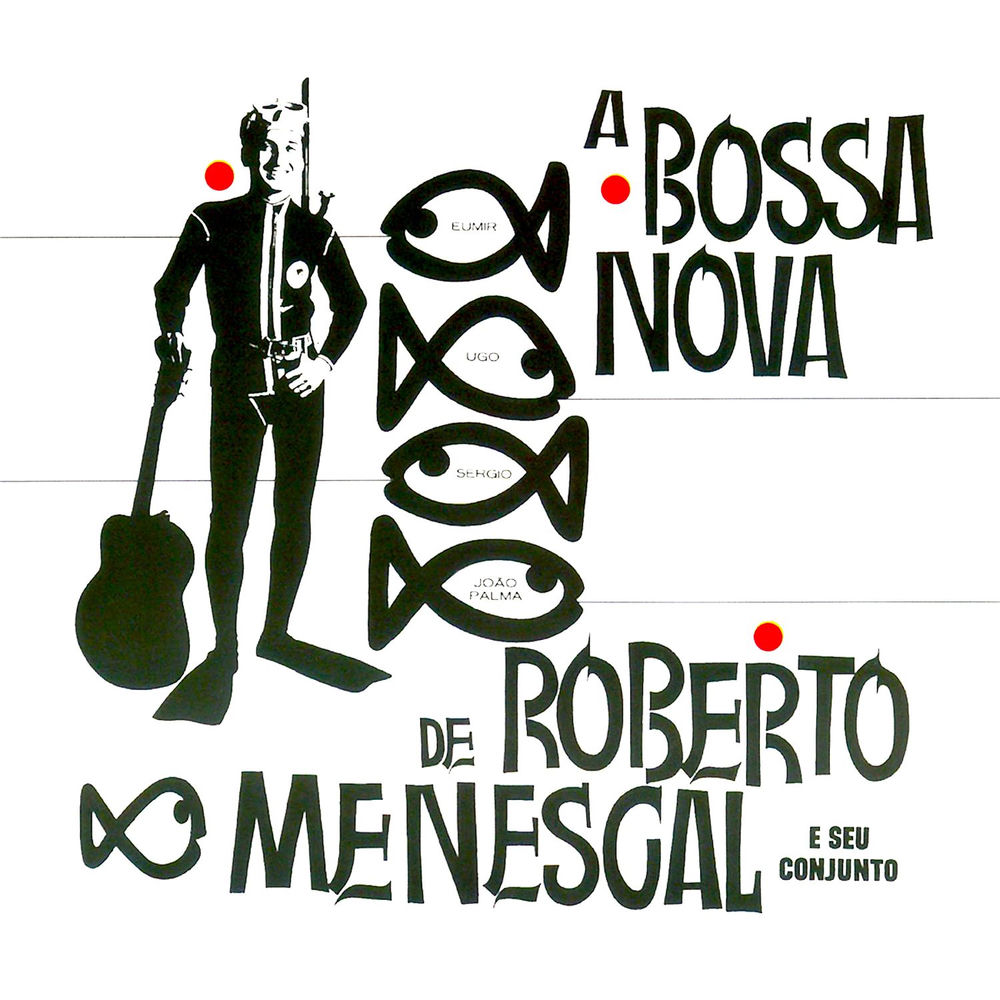
A Bossa Nova de Roberto Menescal e Seu Conjunto
Roberto Menescal
1963
Rankings
Why This Album Matters
Released in 1963, A Bossa Nova de Roberto Menescal e Seu Conjunto is a seminal album that encapsulates the instrumental essence of bossa nova at its peak. The work of Roberto Menescal, one of the genre's fundamental architects, stands out for its elegant and sophisticated approach, which would become the hallmark of his career and of the movement as a whole. The record features a light and swaying sound, with Menescal's acoustic guitar leading an ensemble that explores the complex harmonies and subtle rhythms that define bossa nova. This album is a superb demonstration of the fusion between traditional samba and jazz influences, resulting in music that exudes relaxed lyricism and an innovative modernity for its time. Menescal, known for his "batida diferente" (different beat) on the acoustic guitar, constructs arrangements that value melody and space, creating an atmosphere that evokes the Rio de Janeiro landscape and the lightness of life. The work stands as an indispensable record for understanding the evolution of bossa nova, offering a panorama of the melodic and harmonic sophistication that the genre introduced to Brazilian and global music. It is a classic example of bossa nova's purest and most instrumental phase, before many of its songs became popular with lyrics and vocals, preserving the mastery of the instrumentalists and composers.
Context
In 1963, Brazil was experiencing a period of intense cultural effervescence and significant political tensions. The country, under the presidency of João Goulart, faced a political, economic, and institutional crisis, with rampant inflation, heated debates about fundamental reforms, and a climate of instability that foreshadowed the 1964 coup. Despite the turbulent political scenario, Brazilian culture was experiencing a moment of great creativity, and bossa nova, in particular, had already consolidated its space and was beginning to gain international recognition. Roberto Menescal, since the late 1950s, was a central figure in the bossa nova movement. He actively participated in the gatherings at Nara Leão's apartment in Copacabana, where the genre flourished, and was already recognised as one of the most important composers, with constant partnerships with Ronaldo Bôscoli. Menescal had already accompanied artists such as Sylvinha Telles and participated in crucial events like the Bossa Nova Concert at Carnegie Hall, in New York, in 1962, solidifying his position as one of the style's pioneers and ambassadors.
Recording
The album A Bossa Nova de Roberto Menescal e Seu Conjunto was released in 1963 by the Elenco label, produced by Aloysio de Oliveira, a key figure in the history of bossa nova. The recording sessions took place at the Rio Som studio in Rio de Janeiro. Although the album's original liner notes did not specify all musicians per track, it is known that the ensemble featured talents such as Eumir Deodato on piano, Sérgio Barrozo on double bass, João Palma on drums, Ugo Marotta on vibraphone, and Henri Ackselrud on flute, in addition to Menescal himself on guitar. The album's recording is characterised by its quality and the clarity in capturing the instruments, distinctive elements of Elenco's productions at the time. Aloysio de Oliveira's supervision ensured a standard of excellence that valued the clean sound and instrumental elegance of bossa nova. There are no credits for the arrangers in the album's liner notes.
Songs
The repertoire of the album A Bossa Nova de Roberto Menescal e Seu Conjunto features a selection of compositions that would become classics of the genre, interpreted with Menescal's characteristic instrumental mastery. Among the notable tracks are "Desafinado", "Batida Diferente", "Garota de Ipanema", "Rio", "Nós e o Mar", and "Só Danço Samba". Many of these songs, co-written by Menescal with partners like Ronaldo Bôscoli, often explore themes related to the sea and the Rio de Janeiro landscape, with lyrics that, even if not sung on this predominantly instrumental album, already evoked a lightness and poetry intrinsic to bossa nova. The sound is marked by Menescal's "batida diferente" (different beat) on the acoustic guitar, which became a defining element of bossa nova. The compositions demonstrate an economy of resources and an aesthetic refinement, valuing concision and melody. The instrumental execution of the ensemble, with the interaction between Menescal's guitar, Eumir Deodato's piano, and the other instruments, creates a sound texture rich in subtle harmonies and rhythms, essential for the album's relaxed and sophisticated atmosphere.
Legacy
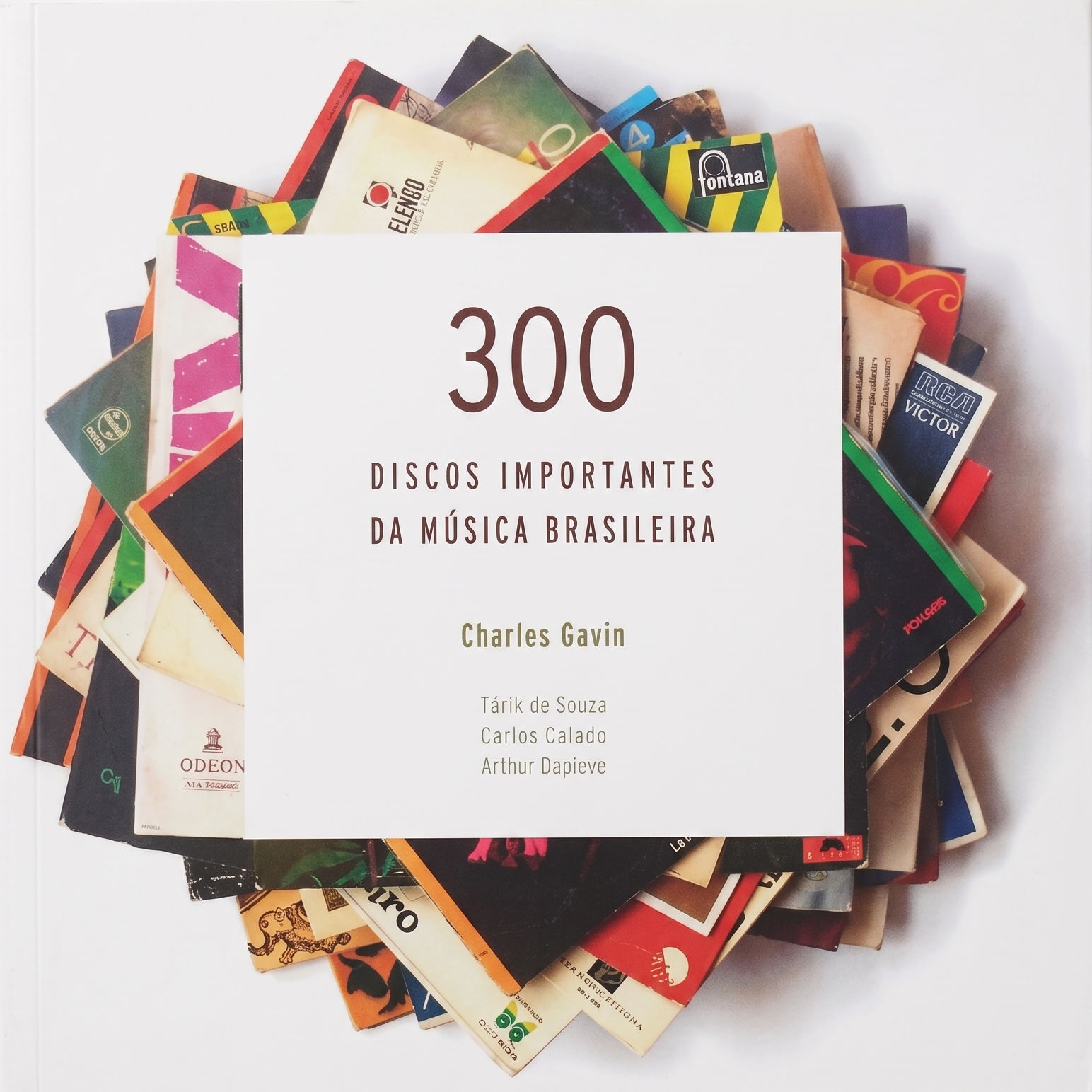
A Bossa Nova de Roberto Menescal e Seu Conjunto is widely considered an "essential album" within the bossa nova discography. It solidified Roberto Menescal's reputation as one of the pillars of the movement and a guitarist and composer of undeniable talent. Although specific details regarding sales or chart positions for this particular album are scarce, its importance is unquestionable for understanding instrumental bossa nova. Menescal's work, both on this album and throughout his broader career, profoundly influenced the genre's sound and the way the guitar was incorporated into Brazilian popular music. He is recognised as one of the "30 greatest Brazilian guitar and acoustic guitar icons" by Rolling Stone Brasil magazine. The album is constantly rediscovered by new generations and appreciated by bossa nova lovers for its purity and representativeness of the movement's golden age. Its CD reissue, supervised by Charles Gavin, demonstrates the continued interest and recognition of its musical relevance.
Tracks
Credits
Aloysio De Oliveira
José Delphino Filho
Norman Sternberg
Cesar G. Villela
Aloysio De Oliveira
Peter Keller
Francisco Pereira
Books
Analyses

A Bossa Nova de Roberto Menescal e Seu Conjunto (1963)
parallelrealitiesmusic.blogspot.com
01. Desafinado (Tom Jobim / Newton Mendonça) 02. Batida Diferente (Durval Ferreira / Maurício Einhorn) 03. Balansamba (Roberto Menescal / Ronaldo Bôscoli) 04. O Amor Que Acabou (Chico Feitosa / Luis Fernando Freire) 05. Você E Eu (Carlos Lyra / Vinicius de Moraes) 06. Samba Torto (Tom Jobim / Aloysio de Oliveira)
Roberto Menescal: A Nova Bossa - Jazz Journal
jazzjournal.co.uk
This two-albums-plus package from guitarist Robert Menescal E Seu Conjunto - a combination of A Nova Bossa, Bossa Nova and extra tracks - offers a variety of answers.
Lp Vinil Roberto Menescal e Seu Conjunto A Bossa Nova De Roberto ...
loja.bileskydiscos.com.br
Discover the essence of bossa nova with the white vinyl LP by Roberto Menescal e Seu Conjunto, a special edition from the Série Elenco. Authentic sound and quality for collectors and fans of the genre.
Roberto Menescal: a vida produtiva do último guardião da bossa nova
veja.abril.com.br
Another one of the ironies in the history of Brazilian music is that one of the composers renowned for praising the beauties of Rio de Janeiro is, surprisingly, a native of Espírito Santo: Roberto Menescal.
Roberto Menescal - Bossa Nova Exposição
bossanovahojeesempre.com.br
The recording was released in 1963 on the album "Bossa Nova at Carnegie Hall", where he performs his original song "O Barquinho" (Roberto Menescal/Ronaldo Bôscoli), alongside Oscar Castro Neves' ensemble.