A Misteriosa Luta do Reino de Parassempre Contra o Império de Nuncamais
Ronnie Von
1969
Rankings
Why This Album Matters
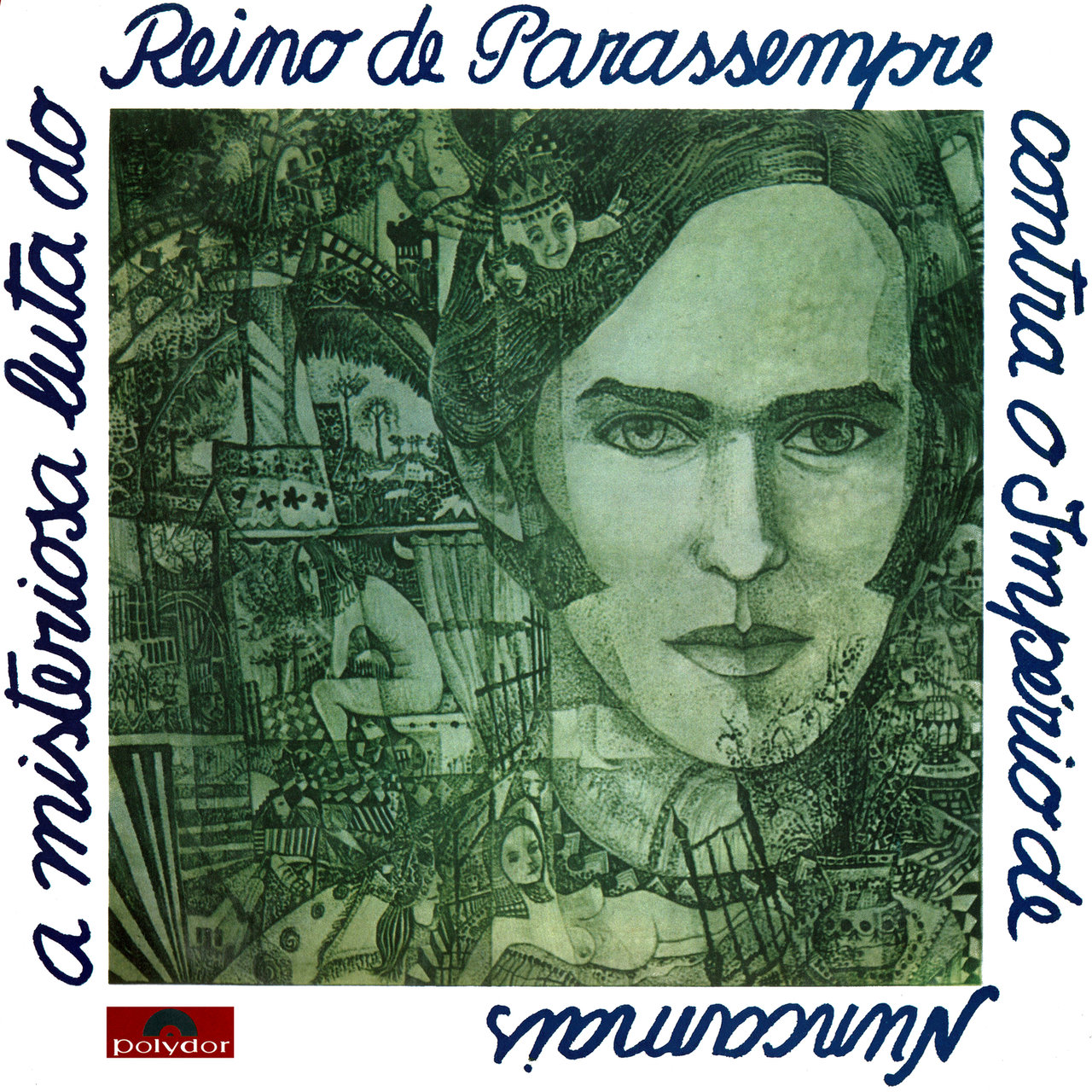
A Misteriosa Luta do Reino de Parassempre Contra o Império de Nuncamais, released in 1969, is an indelible landmark in Ronnie Von's discography and in Brazilian music. The album represents a bold and fascinating foray by the artist into the universe of psychedelic rock, definitively breaking away from the 'prince' image of Jovem Guarda that had made him famous. This work stands out for its innovative fusion of psychedelic references, comparable to bands like The Beatles and Pink Floyd, with elements of Tropicalismo and classical music, creating an avant-garde aesthetic for its time. It is widely considered by many to be Ronnie Von's masterpiece and a cornerstone of psychedelic rock in Brazil, notable for its conceptual approach and musical audacity.
Context
In the late 1960s, Ronnie Von, already known for the success of "A Praça" and "Meu Bem", and nicknamed 'Little Prince', found himself at an inflection point in his career. Despite having been associated with Jovem Guarda, he was never part of the movement, and in fact, his affinity was with Tropicália, evidenced by his openness to artists such as Os Mutantes, Gilberto Gil, and Caetano Veloso on his television programme "O Pequeno Mundo de Ronnie Von". Influenced by foreign bands like The Beatles and with the desire to translate surrealism into music, Ronnie Von embarked on a phase of experimentation. A Misteriosa Luta do Reino de Parassempre Contra o Império de Nuncamais is the second work in what would become known as his 'psychedelic trilogy', preceded by the eponymous 1968 album and followed by Máquina Voadora, from 1970.
Recording
The album was recorded and released in 1969 by Polydor. Production was handled by Manoel Barenbein, with assistance from Arnaldo Saccomani, and musical direction and arrangements were by Maestro Damiano Cozzella, elements that gave the project an experimental character and an unusual degree of artistic control for the singer at the time. The album's lengthy and enigmatic title, incidentally, was a provocative response from Ronnie Von to pressures from the record label, which complained about the difficulty of marketing records with short names or just the artist's name. The recording process featured the participation of the group Beat Boys, including Tony Osanah and Cacho Valdez on guitars, Toyo on keyboards, Willy Verdaguer on bass, and Marcelo Frias on drums. The album's sound is enriched by elaborate orchestral arrangements, with brass and string sections, fuzz-effect guitars, sound collages, and surreal lyrics, reflecting influences from The Beatles' psychedelia between 1966 and 1967.
Songs
The repertoire of A Misteriosa Luta do Reino de Parassempre Contra o Império de Nuncamais is a rich tapestry of original compositions and covers of international songs, with Ronnie Von co-authoring three tracks and being responsible for three versions. The opening track, "De Como Meu Herói Flash Gordon Irá Levar-me de Volta a Alfa do Centauro, Meu Verdadeiro Lar", a partnership between Ronnie Von and Arnaldo Saccomani, immediately sets the tone with its fanciful title, a homage to a comic book hero and a 'plea for help', and a grandiose string arrangement. Other highlights include the psychedelic "Pare de Sonhar Com Estrelas Distantes", by Tom Gomes and Luiz Vagner, considered one of the pinnacles of psychedelia. The album also features surprising interpretations of classics such as "Dindi", by Tom Jobim and Aloysio de Oliveira, an emotional "My Cherie Amour" by Stevie Wonder, with Portuguese lyrics written by Ronnie Von himself, as well as "Atlântida" (a version of Donovan's "Atlantis") and "Comecei Uma Brincadeira" (a version of the Bee Gees' "I Started a Joke"). The lyrical diversity is notable, with surreal lyrics that blend mythology and comic book characters with psychedelic sounds.
Legacy
A Misteriosa Luta do Reino de Parassempre Contra o Império de Nuncamais initially faced an adverse reception. Critics at the time reacted with strangeness, and the album did not achieve commercial success, as the public was unprepared for the artist's experimental turn. A notorious incident involved the journalist Sérgio Bittencourt, who broke the record live on a TV programme. However, decades later, the album was widely rediscovered and recognised as a fundamental landmark of Brazilian psychedelic rock, achieving cult status. Its importance was solidified with CD reissues in the 2000s and, more recently, on 180-gram vinyl from the original tapes, expanding its reach and critical acclaim. Currently, the album and Ronnie Von's 'psychedelic trilogy' are revered by the press and musicians, and original vintage records have become true rarities and collector's items.
Tracks
Podcasts
Disco Voador · Ramon Duccini
Um sonho realizado: assim que podemos definir esse episódio! No dia 13/05/2021 o Disco Voador pousou na casa do grande Ronnie Von em São Paulo para investigar sua lendária trilogia psicodélica, com ênfase no cultuado "A Misteriosa Luta do Reino de Parassempre contra o Império de Nuncamais", lançado em 1969. Pérolas como "Silvia 20 Horas Domingo", "Espelhos Quebrados", "A Máquina Voadora" se ju
Films

Books
Analyses
Cliquemusic : Disco : A MISTERIOSA LUTA DO REINO DE PARASSEMPRE CONTRA ...
cliquemusic.com.br
A MISTERIOSA LUTA DO REINO DE PARASSEMPRE CONTRA O IMPÉRIO DE NUNCAMAIS Ronnie Von / Beat Boys (1969) 1969 Polydor LPNG 44.037
#57 - Ronnie Von - A Misteriosa Luta do Reino De Parassempre Contra o ...
pressenza.com
A misteriosa luta do reino de Parassempre contra o império de Nuncamais (1969) is the second album in Ronnie Von's so-called "psychedelic trilogy". According to Ronnie himself, he achieved absolute creative freedom on his eponymous 1969 album; however, it was requested that it gradually return to "normality". Fortunately, fewer eccentricities and ...