Ronnie Von
Ronnie Von
1969

Rankings
Why This Album Matters
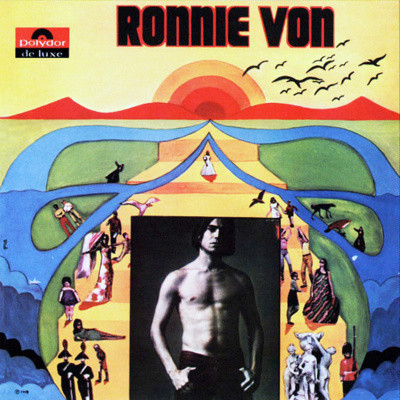
Ronnie Von, the artist's fifth studio album, released by Polydor in 1969, marks the beginning of his psychedelic phase and represents a significant break with the 'prince' image that associated him with Jovem Guarda. This record, which would be positively re-evaluated by critics decades later, presented a bold and modern sound for its time. The work stands out for its avant-garde aesthetic, combining psychedelic influences, such as those of the Beatles and Pink Floyd, with touches of Tropicalismo and elements of classical music. This fusion resulted in an experimental work that redefined Ronnie Von's musical trajectory and consolidated an innovative strand in Brazilian pop.
Context
In the late 1960s, Ronnie Von sought a bolder, more modern sound, moving closer to key figures of Tropicalismo, such as Gilberto Gil, Caetano Veloso and Os Mutantes. This phase represented a desire to break with his 'good boy' image and the more 'palatable' sounds that marked his previous records.
Recording
The album's production featured the expertise of Manoel Barenbein, the assistance of Arnaldo Saccomani, and the arrangements and conducting of maestro Damiano Cozzella. This team gave the work an experimental character and an artistic control uncommon in the singer's career until then. The album was released by the Polydor label.
Songs
The work presents a fusion of psychedelic references with glimpses of Tropicalismo and elements of classical music, creating an avant-garde sound. Tracks such as “Silvia: 20 horas, Domingo”, “Espelhos Quebrados” and “Anarquia” were particularly highlighted by critics. “Silvia: 20 horas, Domingo” became a symbol of the album's aesthetic turning point. “Espelhos Quebrados”, meanwhile, is notable for its 'Elizabethan' string arrangements and shattered glass effects, being compared to the atmosphere of 'Eleanor Rigby'. The song “Anarquia”, in turn, captures the countercultural impetus present in the album.
Legacy
At the time of its release, Ronnie Von was not well received by the public or critics, resulting in low sales. The journalist and composer Sérgio Bittencourt even broke the record on a television programme, demonstrating the initial strangeness with the new sound. Despite the lukewarm reception, the track “Sílvia: 20 Horas, Domingo” did receive some radio airplay. Decades later, the album was recognised as a landmark of Brazilian psychedelic rock. Successive CD reissues in the 2000s expanded its reach and promoted a critical rediscovery. Ronnie Von, along with the subsequent albums A Misteriosa Luta do Reino de Parassempre contra o Império de Nuncamais and A Máquina Voadora, is seen as part of a psychedelic trilogy that redefined the singer's image beyond Jovem Guarda, consolidating an experimental strand in Brazilian pop of the era.
Tracks
Credits
Damiano Cozzella
Podcasts
Doublecast Podcast · Danilo de Almeida e Leonardo Nocete
Não, você não está vendo errado!! Neste episódio do Doublecast Danilo de Almeida e Leozão Nocete falam sobre o álbum de 1969 lançado por Ronnie Von, que já chegou a ser eleito o melhor álbum de Rock Psicodélico do mundo (sim, isso é verdade também).

Antigas Novidades - podcast de heavy metal, rock progressivo, jazz, blues, MPB e rock classico · Antigas Novidades do Rock
Quando falamos de psicodelia na música brasileira, muitos lembram de nomes como Os Mutantes, Caetano Veloso e Gilberto Gil. Mas um artista que merece destaque especial nesse universo é Ronnie Von. Conhecido inicialmente como o “Príncipe” da Jovem Guarda, Ronnie surpreendeu o Brasil no final dos anos 1960 e início dos anos 1970 ao mergulhar de cabeça em uma estética sonora ousada, experimental e re
Films

Books

Analyses
Ronnie Von – Wikipedia
Wikipedia, the free encyclopaedia

MUSICA&SOM: Ronnie Von - Ronnie Von (1969)
tabernanovostempos.blogspot.com
The album bears specific hallmarks of the work of The Beatles and The Beach Boys, imbuing the work with a wealth of unprecedented sounds in national production at the time. With this album, Ronnie Von would kick off a series of works focused on psychedelia, continuing until the release of the equally classic Máquina Voadora, in 1970.
Ronnie Von - A Misteriosa Luta do Reino de Parassempre ... - Altamont
altamont.pt
A Misteriosa Luta do Reino de Parassempre contra o Império de Nuncamais (1969) was Ronnie Von's second foray into psychedelia and experimentation. The previous year, the eponymous album marked the beginning of the unusual trilogy, concluding it with Minha Máquina Voadora, in 1970.
#57 - Ronnie Von - A Misteriosa Luta do Reino De Parassempre Contra o ...
pressenza.com
A misteriosa luta do reino de Parassempre contra o império de Nuncamais (1969) is the second album in Ronnie Von's so-called 'psychedelic trilogy'.

"Ronnie Von" (Polydor, 1969), Ronnie Von
discosessenciais.blogspot.com
The reception by much of the critics to the album Ronnie Von, which inaugurated the singer's psychedelic phase, was not the best. Already accustomed to the "palatable" songs from his previous albums and the singer's "good guy" image, critics reacted to that album with bewilderment.