Apresentando Rosinha de Valença
Rosinha de Valença
1963
Rankings
Why This Album Matters
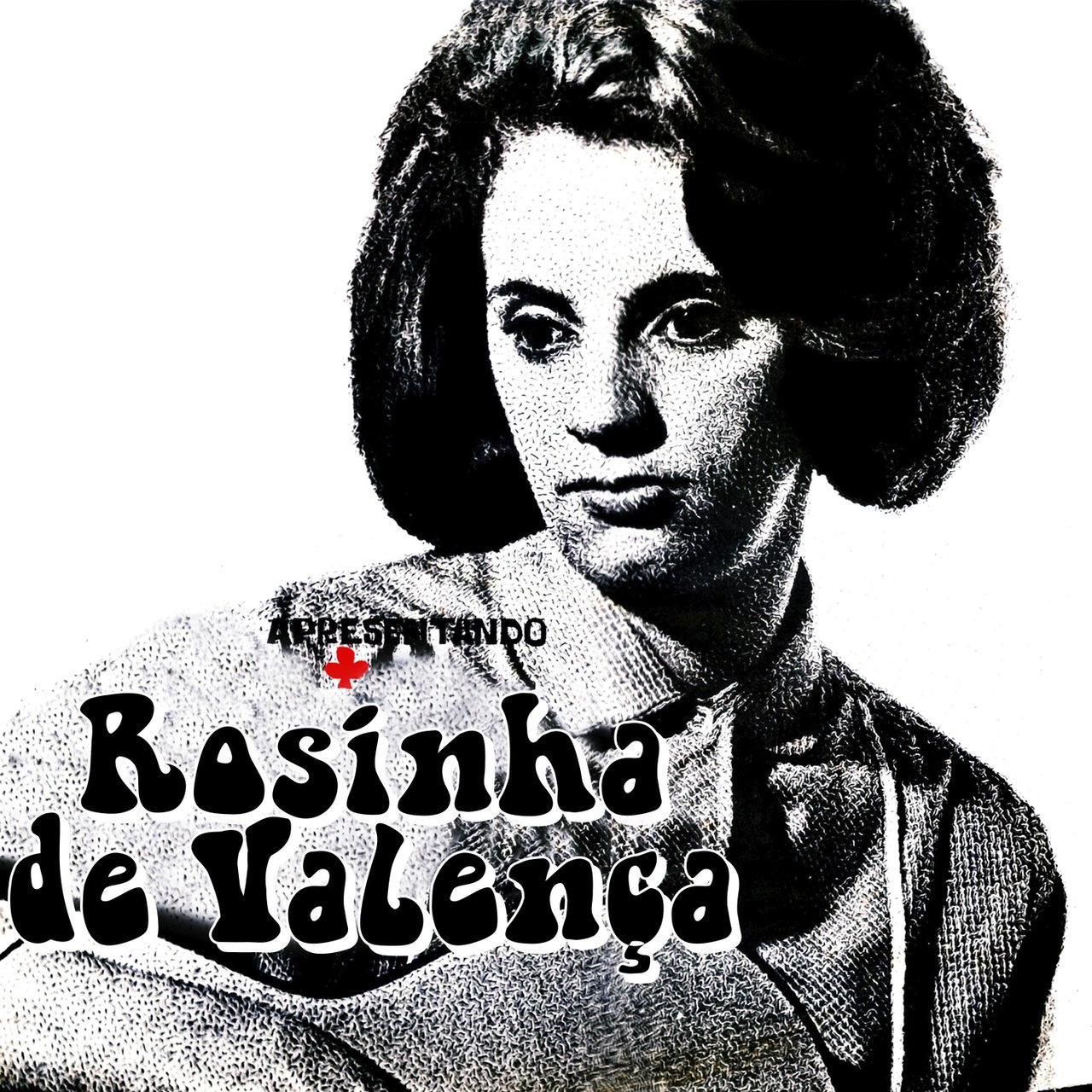
Released in 1963, Apresentando Rosinha de Valença is the debut album by guitarist Maria Rosa Canelas, whom the world would come to know as Rosinha de Valença. This album is a fundamental piece in the history of MPB and, in particular, in the evolution of bossa nova's instrumental style. It not only revealed to the public Rosinha's early talent and mastery of the acoustic guitar but also solidified her position as one of Brazil's greatest instrumentalists. The album stands out for its elegant and sophisticated sound, characteristic of bossa nova, but enriched by Rosinha's unique approach. Her technique is marked by a deeply resonant tone, insistent rhythm, dynamic and often dazzling phrases, and elaborations of subtle beauty, which bring her close to the virtuosity of Baden Powell. Rosinha de Valença brought an indefinable quality to bossa nova, with sounds that, though rooted in her interior origins, adapted perfectly to the urban environment and the genre's quiet revolution. Considered essential for acoustic guitar enthusiasts, Apresentando Rosinha de Valença is a testament to the genius of one of the great and often underestimated guitar heroines in the Western musical tradition. It is a formative record that, even in its first outing, already displayed all the hallmarks of her unmistakable style.
Context
Maria Rosa Canelas was born in Valença, a city in the interior of Rio de Janeiro, in 1941. Her interest in the guitar arose in childhood, observing her brother, and she became self-taught, learning to play by listening to the radio. By the age of 12, she was already performing at parties and on local radio with an impressive technique. In 1960, she abandoned her studies to dedicate herself entirely to music, initially facing a period of little public recognition. In 1963, Rosinha moved to Rio de Janeiro in search of greater exposure for her career. There, she was 'discovered' by the influential journalist and chronicler Sérgio Porto (known as Stanislaw Ponte Preta), who brought her to public performances and introduced her to Aloysio de Oliveira, producer of the legendary Elenco label, and to guitarist Baden Powell. It was Sérgio Porto who gave her the stage name 'Rosinha de Valença,' stating that she played for an entire city. After her arrival in Rio, Rosinha began an acclaimed eight-month residency at the famous Bottles, a vital club in Beco das Garrafas, consolidating her name in the instrumental scene.
Recording
The album Apresentando Rosinha de Valença was released by the prestigious Elenco label, known for its contribution to bossa nova. Production was handled by Aloysio de Oliveira, a key figure at the label, and direction and arrangements were by Oscar Castro-Neves, another prominent name in Brazilian music. The album cover is an aesthetically striking work, with graphic art by Cesar Villela and photography by Francisco Pereira. For the recording, Rosinha de Valença collaborated with talented musicians, including Oscar Castro-Neves himself on piano, Nelsinho on trombone, Jorginho on flute, and Doum on drums, who contributed to the album's refined atmosphere. There is also the participation of a string orchestra on two tracks, "Ela É Carioca" and "Atirei o Pau no Gato," although the specific credits for this orchestra are not detailed in the album's technical notes. The LP's back cover features a text by Sérgio Porto, her 'godfather,' who, in addition to praising her, explains the origin of her stage name.
Songs
The repertoire of Apresentando Rosinha de Valença is a careful selection that blends classics of nascent bossa nova with sambas from earlier eras, demonstrating the versatility and interpretive depth of the guitarist. Among the standout tracks, we find the beautiful "Consolação," by Baden Powell and Vinicius de Moraes, where Rosinha's talent blossoms impressively. Her delicacy and exquisite execution are evident in "Ela É Carioca," by Tom Jobim and Vinicius de Moraes. Rosinha de Valença also reinterprets "Com Que Roupa," a samba-canção by Noel Rosa, transforming it into a highly personalised and delightfully eccentric performance. Other notable tracks include "Até Londres," by Oscar Castro-Neves, which features vibrant vocal scats with the arranger himself, and "Minha Saudade," by João Donato and João Gilberto. Her voice, when present, is described as having astute conversational qualities and "funky" reticence, with "burps and squeals" on "Minha Saudade" and an "urgent dib-a-dob duel" with Castro-Neves on "Até Londres," demonstrating her vocal expressiveness beyond instrumental mastery. The album also includes "Tristeza em Mim," "Tema do Boneco de Palha," "Praça 11," the popular "Atirei o Pau no Gato" (with an arrangement by Oscar Castro-Neves), and "Estrada do Nada."
Legacy
Apresentando Rosinha de Valença is considered a seminal and crucial album in the artist's career, serving as a powerful calling card to the world of music. After its release, Rosinha de Valença quickly gained recognition, being invited to perform on radio and television programmes, including the emblematic "O Fino da Bossa" in São Paulo. The album, and her subsequent prominence, paved the way for Rosinha to join Sérgio Mendes's group on an eight-month tour of the United States, Brasil '65, contributing to two live albums: Brasil '65 Wanda de Sah featuring The Sergio Mendes Trio and In Person at El Matador!. This international experience consolidated her reputation and led her to other tours throughout Europe and Africa, where she even played with legends such as Stan Getz, Sarah Vaughan, and Henri Mancini. Although she herself claimed she did not receive all the praise she deserved, Rosinha de Valença is universally recognised as one of Brazil's greatest guitarists and instrumentalists, and a central figure in the second generation of bossa nova. Apresentando Rosinha de Valença is celebrated for showcasing her guitar mastery and remains an engaging and elegant album, with an average of 4.85 out of 5 stars on platforms such as Discogs. The album had reissues, such as a Japanese CD in 2002, allowing new generations to discover the seminal work of this Brazilian "guitar heroine."
Tracks
Credits
Oscar Castro-Neves
Aloysio De Oliveira
Sergio Barroso
Dom Um Romao
Jorginho da Flauta
Sérgio Porto
Books
Bossa Nova
Ruy Castro · 2016
In 'Bossa Nova', Ruy Castro reconstructs the vibrant bohemian and cultural life of Rio de Janeiro during the Bossa Nova period, detailing locations, fans, and stories. The work is considered one of the most definitive on the genre, and as Rosinha de Valença's album was released in 1963, at the height of Bossa Nova, the book is essential for understanding the musical and cultural environment in which the record was conceived and released, probably mentioning the artist and her relevance.
300 Discos Importantes da Música Brasileira
Charles Gavin, Tárik de Souza, Carlos Calado, Arthur Dapieve · 2008
Conceived by Titãs drummer and musical researcher Charles Gavin, the 434-page book brings together covers and reviews of albums released between 1929 and 2007. The texts were written by journalists Tárik de Souza, Arthur Dapieve and Carlos Calado.
Analyses
Rosinha de Valença: Disco de 1963 | PDF - Scribd
pt.scribd.com
The document describes Rosinha de Valença's first album, Apresentando Rosinha de Valença, released in 1963. The album highlighted her talent as an instrumentalist, especially alongside Baden Powell, and was fundamental for the development of the instrumental bossa nova style.
Especial: Rosinha de Valença - 3discos
3discos.home.blog
Rosinha de Valença's world extends beyond herself. Much of what her artistic flair demonstrated over an tireless four-decade career transcended the musician's name and came to rest among the great works of world music.
O violão soberano de Rosinha de Valença - ARTE!Brasileiros
artebrasileiros.com.br
Three years later, in early 1963, overcoming her immense shyness, Rosinha moved to the capital of Rio de Janeiro state in search of greater projection for her artistic career. In Cidade Maravilhosa, she was lucky enough to cross paths with the chronicler Sergio Porto – the cherished and brilliant Stanislaw Ponte Preta.
Apresentando Rosinha de Valença - Acervo Digital do Violão Brasileiro
violaobrasileiro.com.br
Tristeza em mim - Apresentando Rosinha de Valença (mp3) Tristeza em mim - Apresentando Rosinha de Valença by Violão Brasileiro (mp3) Tema do Boneco de Palha - Rosinha de Valença by Violão Brasileiro

O Púbis da Rosa: ROSINHA DE VALENÇA - Apresentando Rosinha de Valença ...
opubisdarosa.blogspot.com
At his invitation, Valença recorded her debut album, Apresentando Rosinha de Valença, which was followed by a very successful eight-month season at the Bottle's nightclub, at the Beco das Garrafas.