Diletantismo
Rumo
1983

Rankings
Why This Album Matters
Diletantismo, released by Grupo Rumo in 1983, is a landmark in Brazilian music due to its unique and innovative approach. The album solidifies the group's aesthetic proposal, which emerged on the music scene in the early 1980s with remarkable originality. The band stood out for its in-depth research into Brazilian song from the 1920s, 1930s, and 1940s, while simultaneously presenting an original repertoire that improbably blended melodies with the expressive use of spoken singing. This fusion created arrangements that emphasised unconventional vocal contours, emulating the cadence of everyday speech. The work is an authentic representation of Rumo's style, characterised by experimentalism and the rupture of prevailing musical canons, consolidating its position within the Vanguarda Paulista.
Context
Grupo Rumo emerged in 1974, formed predominantly by students from the School of Communications and Arts (ECA) at the University of São Paulo (USP), and rose to prominence in Brazilian music in the early 1980s. The band was part of the effervescent Vanguarda Paulista scene, which included names such as Arrigo Barnabé, Itamar Assumpção, Língua de Trapo and Premeditando o Breque. This movement was characterised by experimental music production, seeking a break from traditional structures, often on the fringes of the phonographic industry. Before Diletantismo, Rumo had already simultaneously released two independent LPs in 1981: Rumo and Rumo aos Antigos. The first featured original repertoire, while the second presented re-interpretations of less widely known songs from Brazil's musical past, by composers such as Noel Rosa and Lamartine Babo.
Recording
Diletantismo was recorded at Estúdio Áudio Patrulha, in São Paulo, during August and September 1983. The album's production was handled by Grupo Rumo itself in partnership with Wilson Souto, also known as Gordo. The recording engineers were Hélcio Alves and Ivo Barreto, the latter also being responsible for the album's mixing, alongside Wilson Souto. The album was released with a gatefold sleeve that featured laser-cut artwork on the back, in addition to an insert with the credits and song lyrics. A particularity of the original vinyl edition was the inclusion of a bonus 7-inch single, titled "Disco Leve", which accompanied the LP.
Songs
The album Diletantismo, comprising 15 tracks, is marked by the exploration of spoken singing and arrangements that highlight the main vocal line. One of the most recognised songs, which received widespread airplay on radio stations in São Paulo and Rio, was "Ladeira da Memória". This track, composed by Zecarlos Ribeiro, stands out for its lyrics that discuss the daily routine of the city of São Paulo and for the remarkable vocal harmony between the composer and Ná Ozzetti. The title track, "Diletantismo", authored by Luiz Tatit, is also an example of the group's poetics, with lyrics that explore nuances of language and human interaction. Other compositions, such as "Saudade Moderna" and "Hora da Vida", exemplify Luiz Tatit's insistence on exploring the possibilities of spoken singing, a central element in Rumo's sonic identity.
Legacy
Diletantismo was Grupo Rumo's third LP and continued the aesthetic experimentations recorded in previous works. The album was widely received on radio stations in São Paulo and Rio de Janeiro, particularly with the song "Ladeira da Memória", which became one of the group's most well-known tracks. The record helped consolidate Rumo as one of the prominent names of the Vanguarda Paulista, a movement that sought experimentalism and innovation in Brazilian music. The influence of the group and its albums, including Diletantismo, is noticeable in the subsequent careers of its members, who excelled in solo careers and other projects. Notable examples include Hélio Ziskind, known for soundtracks for children's television programmes, Luiz Tatit, composer and music theorist, Ná Ozzetti, with a prolific solo career, and Paulo Tatit, co-founder of the children's project Palavra Cantada. Rumo's albums, including Diletantismo, were reissued on CD by Dabliú Discos, keeping the work accessible to new generations.
Tracks
Credits
Helio Ziskind, Luiz Tatit
Rumo, Wilson Souto Jr.
Geraldo Leite
Luiz Tatit
Paulo Tatit
Pedro Mourão
Ná Ozzetti
Zecarlos Ribeiro
Gal Oppido
Akira Ueno
Ciça Tuccori
Helio Ziskind
Ivo Barreto
Hélcio Alves, Ivo Barreto
Américo Marques Pinto
Wilson Souto Jr.
Edith Derdyk
Edith Derdyk, Gal Oppido
Carlos Fadon Vicente
Films


Books
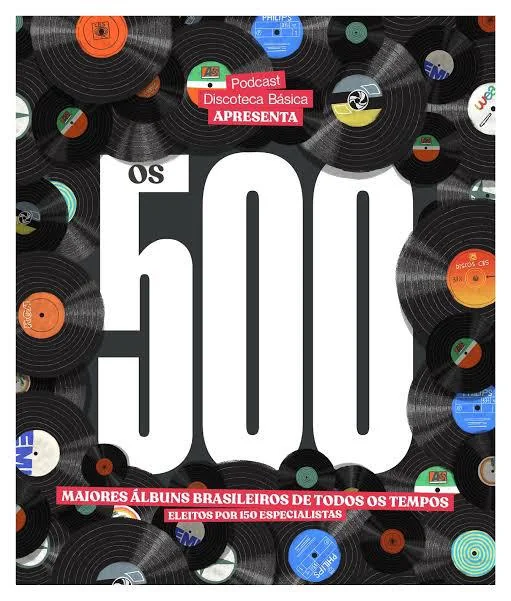
Os 500 Maiores Álbuns Brasileiros de Todos os Tempos
Ricardo Alexandre · 2022
The largest Brazilian music election ever conducted: 162 specialists, spanning journalists, critics, musicians, producers and podcasters, each nominated 50 essential albums, supported by a masterlist of more than 2,000 works. Led by Ricardo Alexandre with tabulation by Sérgio Jomori, it was published in December 2022 as a 200-page hardcover book with graphic design by Fernando Pires.
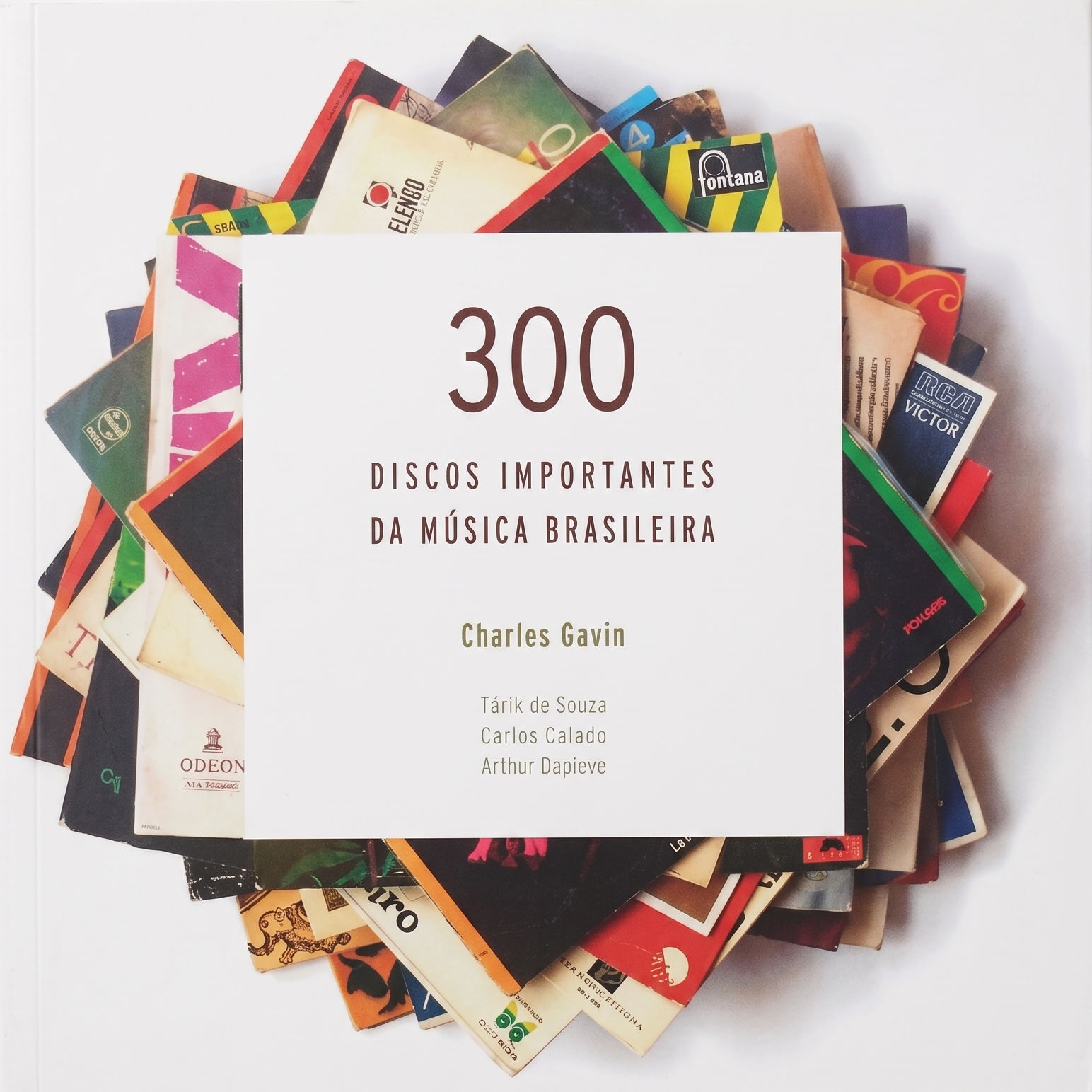
300 Discos Importantes da Música Brasileira
Charles Gavin, Tárik de Souza, Carlos Calado, Arthur Dapieve · 2008
Conceived by Titãs drummer and musical researcher Charles Gavin, the 434-page book brings together covers and reviews of albums released between 1929 and 2007. The texts were written by journalists Tárik de Souza, Arthur Dapieve and Carlos Calado.
Analyses
RUMO - Diletantismo - Album Blitz
albumblitz.com
Album Info Artist: RUMO Title: Diletantismo Year: 1983 Cover Art, via Spotify (Click to View) Click Anywhere to Close
Diletantíssimo, o novo disco do grupo RumoDiletantíssimo, o novo disco ...
cineines.com
Diletantismo is a much more fluent album than the previous one, even more accessible, one might say. After all, that's what Rumo aims for: to make pleasant and creative music, fun and intelligent, but, above all, popular music. Enjoyable to listen to, and at the same time, something that adds value to people.

Rumo - Diletantismo (1983)
br320.blogspot.com
The group Rumo was formed in 1974 by a group of students from the School of Communication and Arts at USP, led by Luiz Tatit. In 1979, Ná Ozzetti joined. With the emergence of the so-called Vanguarda Paulistana, they managed to record their first LP in 1981. Diletantismo is the third album by the São Paulo group.
Diletantismo | Rumo | Dabliu
dabliu.bandcamp.com
In 1983, RUMO released Diletantismo, their third LP, continuing the experiments recorded in previous works and receiving great reception on radio stations in São Paulo and Rio with the song Ladeira da Memória.
Grupo Rumo - Diletantismo - Ouvir todas as 15 músicas
ouvirmusica.com.br
Come and listen to "A Banda de Cá e o Bando de Lá", "Ladeira da Memória", "Saudade Moderna" and many other songs from the album Grupo Rumo - Diletantismo!