Sambalanço Trio
Sambalanço Trio
1964
Rankings
Why This Album Matters
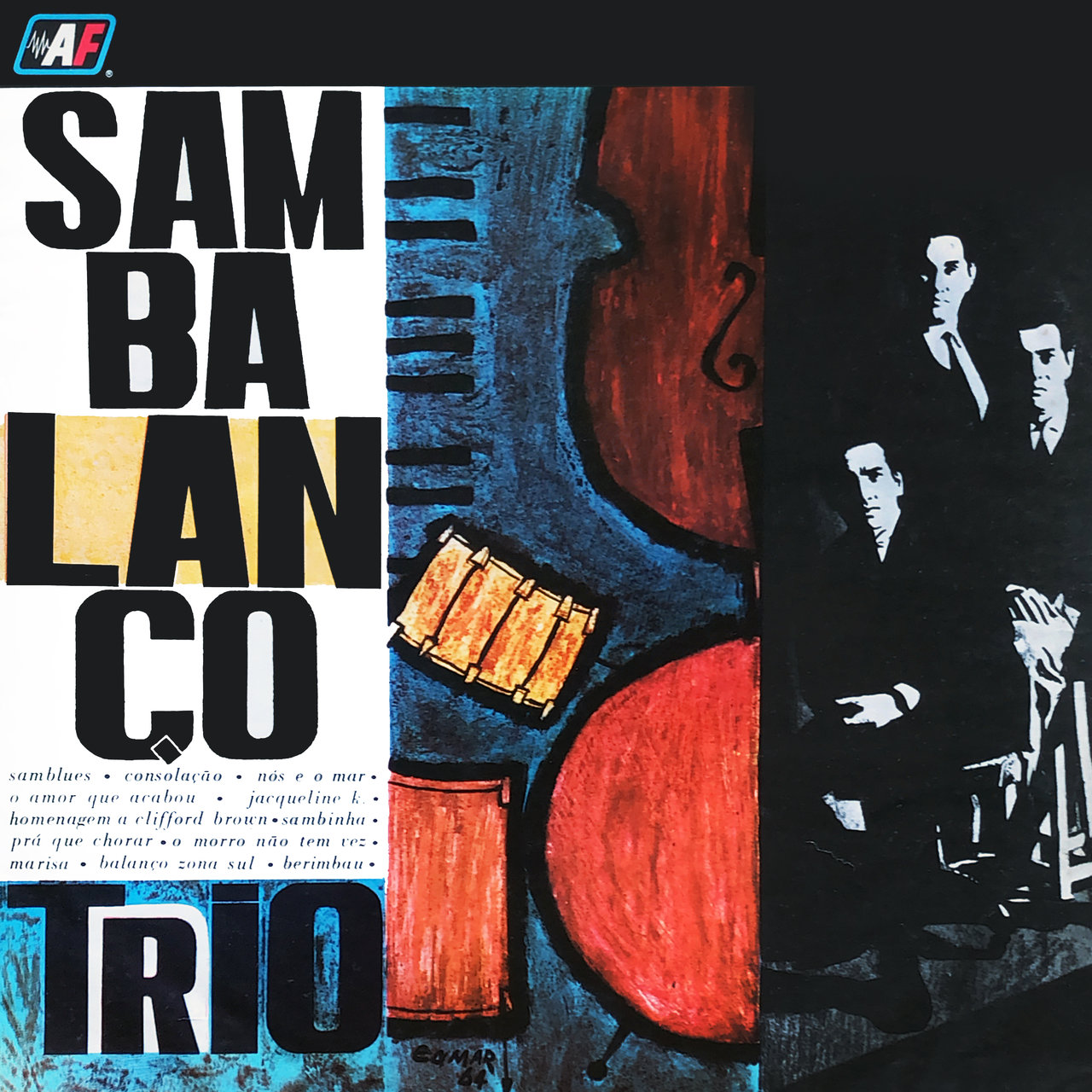
Sambalanço Trio, the eponymous group's debut album released in 1964, is a cornerstone of Brazilian samba-jazz, notable for its sophisticated and multifaceted sound. In a musical landscape dominated by the softer bossa nova, this work brought a vital injection of energy, with vigorous rhythms, cutting-edge jazz harmonies, and a refreshing spontaneity. The album is an exquisite demonstration of the fusion between the rhythmic aggression of samba school samba and the melodic subtlety of names such as Antônio Carlos Jobim and João Gilberto, also incorporating the elegance of jazz trios like Bill Evans'. The chemistry between César Camargo Mariano on piano, Humberto Clayber on double bass and Airto Moreira on drums created a sound that not only defined a genre but also opened new avenues for Brazilian instrumental music.
Context
The early 1960s in Brazil was a period of cultural and political effervescence, marked by the rise of bossa nova and, subsequently, the development of samba-jazz. This instrumental subgenre emerged to reconcile Brazilian samba with North American jazz, especially bebop and hard bop, styles already widely explored by Brazilian musicians. While bossa nova was characterised by its intimate spirit and gentle sound, samba-jazz stood out for improvisation and greater intensity. Politically, the country was experiencing a period of transition, culminating in the 1964 military coup, the year the album was released, which would establish an authoritarian regime for over two decades. By 1964, the members of Sambalanço Trio already possessed considerable musical experience. César Camargo Mariano was a child prodigy pianist who started playing by ear at 13, quickly becoming known for his swing and his legendary left hand, already active in forming instrumental groups and mentored by Johnny Alf in the art of arranging and composing. Humberto Clayber, one of the decade's leading bossa nova bassists, had started his musical career at 8 and worked with Manfredo Fest before joining the trio. Airto Moreira, in turn, already demonstrated extraordinary talent for percussion from childhood, having a radio programme at six and performing professionally in nightclubs and television in São Paulo before forming Sambalanço Trio. The union of these talents in São Paulo resulted in the group's rapid success at João Sebastião Bar, one of the city's main bossa nova strongholds.
Recording
The album Sambalanço Trio was recorded in São Paulo, Brazil, and released in 1964 by the Audio Fidelity and Ubatuqui labels. In the same year as its original release, the record was re-released with the title Samblues. Although specific details about the studio and sound engineer are not widely documented, it is known that Jordi Pujol acted as producer on the reissues, and the original liner notes were written by J.L. Ferrete.
Songs
The album features a repertoire of 12 tracks that skillfully blend original compositions with interpretations of Brazilian music classics. Among César Camargo Mariano's own compositions, the title track "Samblues" and "Marisa" stand out, as well as "Sambinha", co-written with Humberto Clayber. The trio also pays homage to great masters with reinterpretations such as "O Morro Não Tem Vez" by Antônio Carlos Jobim and Vinícius de Moraes, "Nós E O Mar" by Ronaldo Bôscoli and Roberto Menescal, and a trio of compositions by Baden Powell and Vinícius de Moraes: "Berimbau", "Consolação" and "P'ra Que Chorar". The album's musicality is characterised by its "energetic rhythms, cutting-edge jazz harmonies and spontaneity". The opening track, "Samblues", for example, combines Airto Moreira's partido alto rhythms, derived from samba, with Mariano and Clayber's cool, blues-influenced melodies. In "Berimbau", traditional elements, such as a berimbau introduction and syncopated capoeira rhythms, are skillfully and creatively fused with a melodic passage in 5/4 time, which evokes the sound of Dave Brubeck's "Take Five", showcasing the trio's inventiveness.
Legacy
Sambalanço Trio is considered a landmark in the history of Brazilian instrumental music, frequently cited as one of the highlights of Brazilian jazz and a "cornerstone of samba-jazz innovation". The fusion of bossa nova and jazz that the group proposed became a pillar of Brazilian popular music of its time. Although the trio's original line-up lasted only about two years, they released five albums that continue to be seen as essential works and which influenced countless other samba and jazz groups. After the trio's dissolution in 1965, the members pursued highly distinguished individual careers: Airto Moreira emigrated to the United States, where he became a percussion legend and collaborated with icons such as Miles Davis, Weather Report and Chick Corea. César Camargo Mariano established himself as one of Brazil's most renowned pianists, arrangers and producers, working with artists such as Elis Regina and Tom Jobim, and releasing over thirty instrumental albums. Humberto Clayber continued his journey in other samba-jazz line-ups and achieved international recognition as a harmonica player. The album's enduring relevance was reiterated in 2018, when the original Sambalanço Trio line-up reunited for a series of shows, celebrating its impact and innovation.
Tracks
Credits
J. L. Ferrete
Books

Analyses
Sambalanço Trio – Wikipedia
Wikipedia, the free encyclopaedia

O Baú Dos Discos: Sambalanço Trio
baudosdiscos.blogspot.com
The Sambalanço Trio was a group formed in São Paulo in 1964 by César Camargo Mariano, Humberto Cláiber and Airto Moreira. They participated in the inauguration of the João Sebastião Bar, one of bossa nova's strongholds in São Paulo.

do vinil#17 - sambalanço trio '64 | bolachada [dubem] - cepedube
cepedube.wordpress.com
The Sambalanço Trio was formed in São Paulo in the 1960s. A fundamental group for jazz in Brazilian music, it featured César Camargo Mariano, Humberto Cláiber and Airto Moreira. This one, near the deactivated cage, is one of their first two albums, released in 1964, in this instance, by the Som Maior label. The recording of the song...