Sivuca
Sivuca
1974

Rankings
Why This Album Matters
Although the provided text does not detail a specific album titled 'Sivuca', it highlights the importance of the artist's contribution to the creation of one of MPB's most emblematic songs, 'João e Maria'. The melody, composed by Sivuca in 1947, is a testament to his early musical talent and his ability to create timeless works. The song, with its delicate waltz, illustrates the sensitivity and melodic richness that characterise Sivuca's work, serving as a focal point for appreciating his compositional mastery.
Context
The genesis of the 'João e Maria' melody dates back to 1947, a period prior to its popularisation and collaboration with Chico Buarque. Sivuca's original composition remained in his personal archive for almost three decades before being revisited and gaining the lyrics that made it famous. This time lapse reveals a curious journey for the song, which awaited the right moment to emerge and captivate the public.
Recording
The track 'João e Maria' was recorded with Sivuca playing the accordion, adding his characteristic instrumentation to the melody he himself composed. The best-known version was released on Nara Leão's album Os Meus Amigos São Um Barato in 1977, featuring Chico Buarque's vocals.
Songs
The melody of 'João e Maria', created by Sivuca in 1947, is a little waltz that Chico Buarque described as 'children's music', inspired by a dialogue between children. Chico Buarque's lyrics, composed in 1976, lend a playful and imaginative character to the melody. A peculiar detail is the line 'e o meu cavalo só falava inglês' [and my horse only spoke English], which intrigued even Chico himself, being interpreted by Francis Hime as a characteristic of a 'very well-behaved horse'. The song has an earlier history, with different lyrics by Rui Moraes e Silva, entitled 'Amanhecendo', recorded by Nadja Maria, a fact unknown to Chico Buarque until he was later approached by a woman after a show.
Legacy
The song 'João e Maria' achieved great popularity when it was included in the soundtrack of Rede Globo's telenovela Dancin' Days in 1978. The success led to confusion over the complete authorship of the music, causing Sivuca to have to publicly clarify, during his shows, that the lyrics were by Chico, but the melody had been his for a long time. The song had a resurgence in 2012 with a version by Larissa Manoela for the telenovela Carrossel, consolidating its status as a classic of Brazilian music.
Tracks
Credits
Dave Collins
Cindy Kimball, Sue Cummins
Charlie Chappelear
Sadiq Shabazz
Sivuca
Angel Allende
Morris Goldberg
Jeff Zaraya
Jules Halfant
David Wilkes
Jerry Wainwright
Books
Sivuca e a música do Recife
Sivuca e a música do Recife
Flavia Barreto, Fernando Gasparini · 2010
This book recounts the ten years musician Sivuca worked in the Pernambuco capital, Recife. The work brings together testimonies from friends and partners of the Paraiban singer-songwriter in the city he considered his university, offering an in-depth study of a significant period of the artist's career, which contextualises the production of his albums from that era, including the one from 1974.
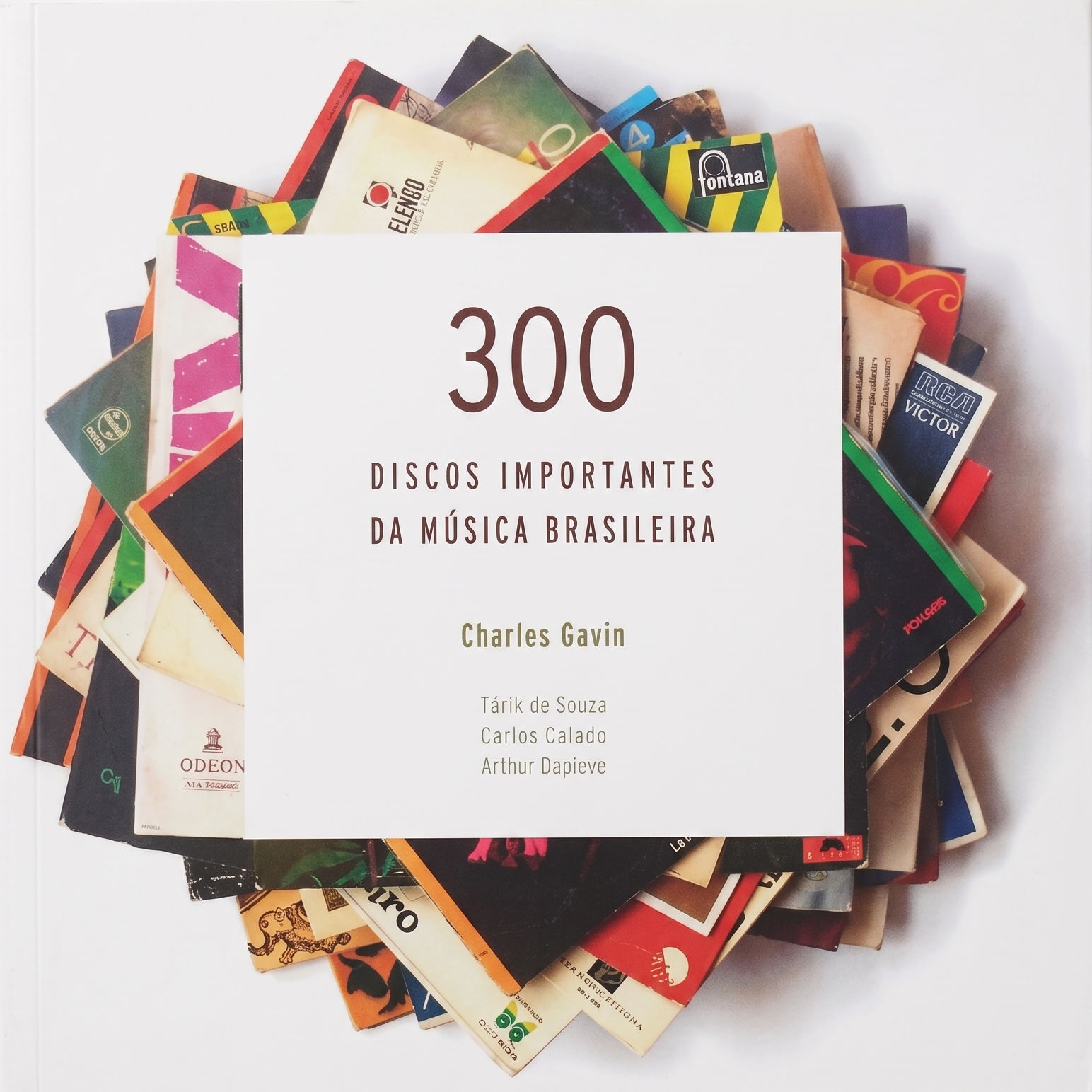
300 Discos Importantes da Música Brasileira
Charles Gavin, Tárik de Souza, Carlos Calado, Arthur Dapieve · 2008
Conceived by Titãs drummer and musical researcher Charles Gavin, the 434-page book brings together covers and reviews of albums released between 1929 and 2007. The texts were written by journalists Tárik de Souza, Arthur Dapieve and Carlos Calado.
Analyses
Sivuca 73 (1974) | Toque Musical
toque-musicall.com
Both LPs were also released in Brazil the following year, 1974. On this album, Sivuca plays accompanied by American musicians, which gives the work a somewhat jazzy atmosphere, or even very much in the style of another Brazilian, Sérgio Mendes.

Só Música ♫ ♫ ♫ ♫ : Sivuca - Sivuca (1974)
bugrim.blogspot.com
I've just downloaded Sivuca's album and was impressed by its musical quality. I didn't know he had released such a good LP back in the distant year of 1974, which sounds as if it were recorded today.
Sivuca - 1974 - (08.09.2010) - Acervo Origens
acervoorigens.com
These comments show that, although the USA welcomed Sivuca at a crucial moment in his life, he was seen as an exotic being, something from another planet.
Sivuca - Sivuca (1973) | cenaindie
cenaindie.com
Released in Brazil in 1974, along with the live album 'Live in from Village Gate', 'Sivuca' is an essential work for anyone who appreciates the richness of Brazilian music and the genius of one of its greatest exponents.