Calango
Skank
1994

Rankings
Why This Album Matters
Calango, the second album by the Minas Gerais band Skank, released in 1994, is a fundamental milestone in 90s Brazilian popular music. It not only consolidated the group's sonic identity but also redefined the national pop-rock landscape by presenting an innovative fusion of Jamaican reggae, ska, dancehall, and elements of pop and rock, all with a distinctly Brazilian accent. The album stands out for its strong reggae influences, punctuated by complex and vibrant brass arrangements that permeate almost every track. Samuel Rosa described the work as an amalgamation of 1990s sounds with musical characteristics of the 1960s, resulting in an intelligent and inventive pop aesthetic. This eclectic approach, which blended tropical rhythms with British influences from bands like The Police, gave Skank a unique and authentic sound, crucial for the band's success and recognition.
Context
Before Calango, Skank, originating from Belo Horizonte, had already demonstrated its potential with its self-titled debut album, independently released in 1992 and re-released by Sony Music in 1993. This first work, featuring hits like "Tanto" and "O Homem Que Sabia Demais", sold 250,000 copies and established the band on the music scene. The band, formed by Samuel Rosa (vocals and guitar), Henrique Portugal (keyboards), Lelo Zaneti (bass), and Haroldo Ferretti (drums), emerged in 1991 with the intention of blending dancehall with traditional Brazilian styles. The release of Calango in 1994 occurred during a period of musical effervescence in Brazil, with alternative rock gaining strength. The album was crucial for opening the mainstream to underground pop-rock bands of the 90s, solidifying Skank as one of the main groups on the scene.
Recording
The production of Calango was a decisive step for Skank, who opted to work with an external producer, Dudu Marote, known to the band after he remixed "Baixada News" from their first album. Recordings took place over the course of a month, between July and August 1994, at the renowned Nas Nuvens studio in Rio de Janeiro, an iconic location for Brazilian rock. The process involved the routine of travelling from Belo Horizonte to Rio de Janeiro every Monday at 7 am and returning on Friday evenings. In addition to Dudu Marote, guitarist Marcos Gauguin, who had previously worked on the mixing of the band's debut album and accompanied them live, also collaborated on the production. Two songs, "Amolação" and "Jackie Tequila", were already part of the band's live shows before recording. A notable inclusion was the track "É Proibido Fumar", a Roberto Carlos cover, originally recorded for the tribute album REI, produced by Frejat. Keyboardist Henrique Portugal used a borrowed keyboard during the sessions and contributed vocals to tracks like "A Cerca" and "Amolação". The album's graphic design was conceived by Jarbas Agnelli and developed from a costume created by Ilson Lorca for the 1994 FIFA World Cup celebrations, which entrepreneur Fernando Furtado had seen in a newspaper. In the liner notes, bassist Lelo Zaneti wears this costume, adding a distinctive visual element to the album.
Songs
Calango's songs explore a thematic diversity that includes ballads, the glorification of rural life, and social critique, all wrapped in intelligent lyrics and danceable melodies. The album's title itself, "Calango", refers to a rhythm and dance typical of northern Minas Gerais, characterised by an improvised 'duel' between two singers. This influence is vividly portrayed in the track "A Cerca", which simulates an argument between two 'caipiras' about the boundaries of their land, reminiscent of 'repente nordestino', but with a faster pace and distorted guitars. Other highlights include the vibrant "Jackie Tequila", a reggae ballad that became one of the album's big hits, and "Amolação", which mixes ska and dub to narrate the hardships of a farm labourer. The song "Esmola", despite its cheerful and danceable tone, presents a good-humoured social critique, addressing themes of unemployment and poverty. The version of Roberto and Erasmo Carlos's "É Proibido Fumar" became one of the biggest radio hits, and the band also scored a chart success with "Te Ver".
Legacy
Calango was a phenomenal success, selling 1.2 million copies and earning a diamond disc, firmly establishing Skank on the Brazilian music scene. The album propelled the band to the top of the national charts, with tracks like "Jackie Tequila", "Esmola", "Pacato Cidadão" and "Amolação" becoming widely played radio hits. The album not only achieved significant commercial success but also had a considerable cultural impact, with songs being included in telenovela soundtracks, such as "Chega Disso!" in Malhação and "Pacato Cidadão" in A Próxima Vítima. Critics recognised the importance of Calango for its ability to fuse different genres, maintaining Brazilian roots and offering a new and captivating sonic experience. In 2010, to commemorate the 15th anniversary of its release, a special edition of the album was launched, remastered and featuring alternative versions of eight tracks, demonstrating its lasting relevance.
Tracks
Credits
Jorge Davidson
Fernando Furtado
Dudu Marote, Skank
Lelo Zaneti
Ilson Lorca
Haroldo Ferretti
Samuel Rosa
Henrique Portugal
Chico Amaral
Edson Maciel
João Vianna
Vitor Farias
Guilherme Calicchio, Renato Muñoz, Vitor Farias
Elio Gomes
Ricardo Garcia
Everaldo Andrade, Marcio Thees, Renato Muñoz
Jarbas Agnelli
Edilson Lino
Ronaldo Viana
Claudio Elizabetsky
Podcasts
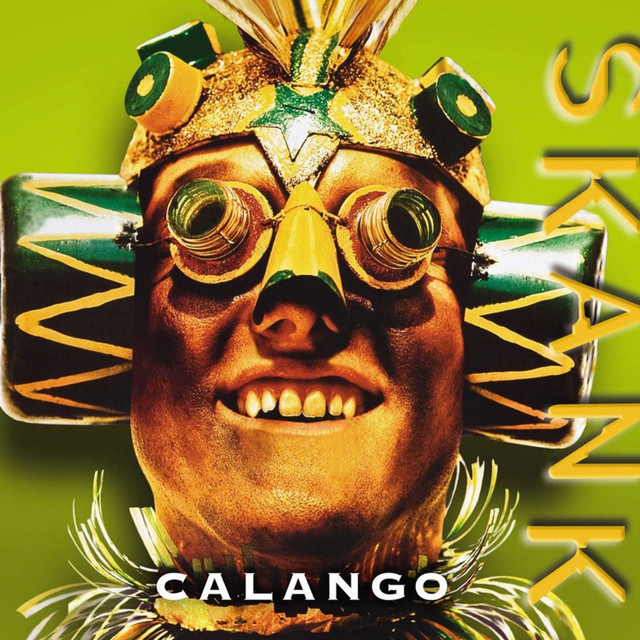
PodCália · Gigola
"Calango" é o segundo álbum de estúdio da banda brasileira Skank, lançado em 1994. O disco consolidou o quarteto como um dos grandes nomes do rock nacional dos anos 90, destacando-se pela fusão de reggae, rock e música brasileira.Com letras bem-humoradas e ritmos contagiantes, o álbum capturou a atenção do público e da crítica, vendendo mais de 1 milhão de cópias e recebendo discos de ouro e plat
No aniversário de 30 anos de "Calango", segundo álbum de estúdio do Skank, Cleber Facchi (@cleberfacchi) e Isadora Almeida (@almeidadora) conversam sobre o trabalho que revelou sucessos como "Jackie Tequila", "Esmola" e "Pacato Cidadão", vendeu mais de 1 milhão de cópias e fez do grupo mineiro um dos maiores fenômenos da história da música pop brasileira. Gostou do podcast? Então apoie a gente em
Da série de reviews de álbuns clássicos, dessa vez falaremos de Calango da banda Skank.Comenta lá no nosso instagram o que você achou da nossa análise!Instagram: @trocaodiscoTwitter: @trocaodisco_Links recomendados em: http://trocaodisco.com.brColabore com o Troca no Picpay ou Padrim! =)
Minas gerais é um estado que nos presenteou nos anos 90 com várias bandas que marcaram demais a década, hoje decidimos falar uma que é uma das principais bandas não só de Minas mas do Brasil, com temas de críticas sociais, baladas e cotidiano, Skank juntou o reggae, ska e rock em 1994 para começar a decolagem de uma carreira longa e brilhante, recheada de hits. Muitos deles inclusive aqui no Disse
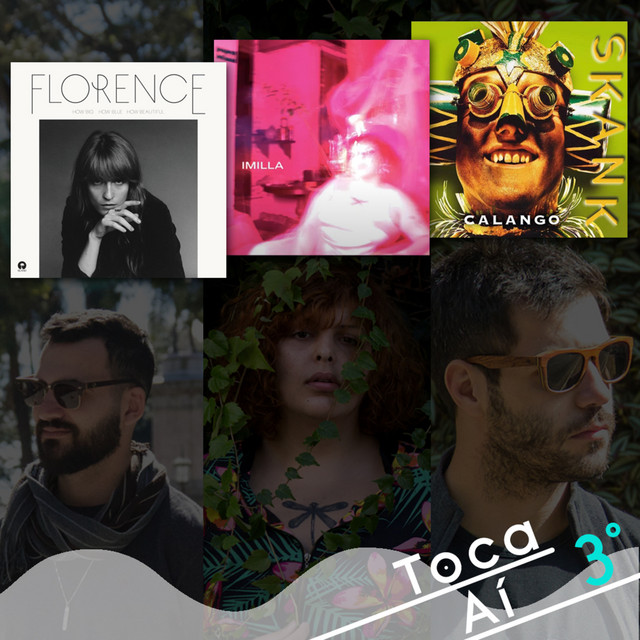
Toca aí · BRoad Trip
Sigam a gente no Instagram e Twitter @tocaaipodcast . Florence and the Machine - How Big, How Blue, How Beautiful O término, a turbulência e voltar a se conhecer. Florence and the Machine passa e repassa pela odisséia que é um relacionamento afetivo, que é muito sobre amar a si mesmo. Repleto de alusões cristãs e formações orquestrais, o disco também tem um tom religioso, mas a palavra dessa missa
Videos
"Calango" - Skank | Melhores discos brasileiros dos anos 90 | Alta Fidelidade
Alta Fidelidade
Skank - 'Calango' é um dos melhores discos brasileiros dos anos 90? + DICA QUALIDADE
Crítica Musical
Books
Analyses
Calango – Wikipedia
Wikipedia, the free encyclopaedia
Skank's Postmodern 'Calango' Keeps Trippin' at 30 - PopMatters
popmatters.com
Skank's Calango mixes Jamaican reggae, Latin percussion, keyboards, and guitars into a blend that sounds very much from Brazil and yet completely alien.

"Calango" (Chaos/Sony Music, 1994), Skank - Blogger
discosessenciais.blogspot.com
Skank's breakthrough came with their second album, Calango, released on 15th October 1994. Featuring a musical recipe that blends beach reggae, ragga, pop rock, electronic beats, humour, and social themes, the album was responsible for catapulting the Minas Gerais quartet to stardom.
Skank celebra 31 anos de 'Calango', álbum que revolucionou o pop ...
radiomundopop.com.br
Success was immediate: the album sold over 1 million copies, earned a platinum disc, and made Skank one of the most played bands on national radio. The songs, with lyrics that blended social criticism, humour, and everyday poetry, became the soundtrack to a generation.
31 anos do álbum "Calango" do Skank! - Rádio Mix FM
radiomixfm.com.br
Skank made its mark on the 1990s with a sound that mixed rock, reggae, ska, and Brazilian pop, and it was with the album "Calango", released in 1994, that the Minas Gerais band reached a wider audience and consolidated its musical identity.