O Samba Poconé
Skank
1996
Rankings
Why This Album Matters
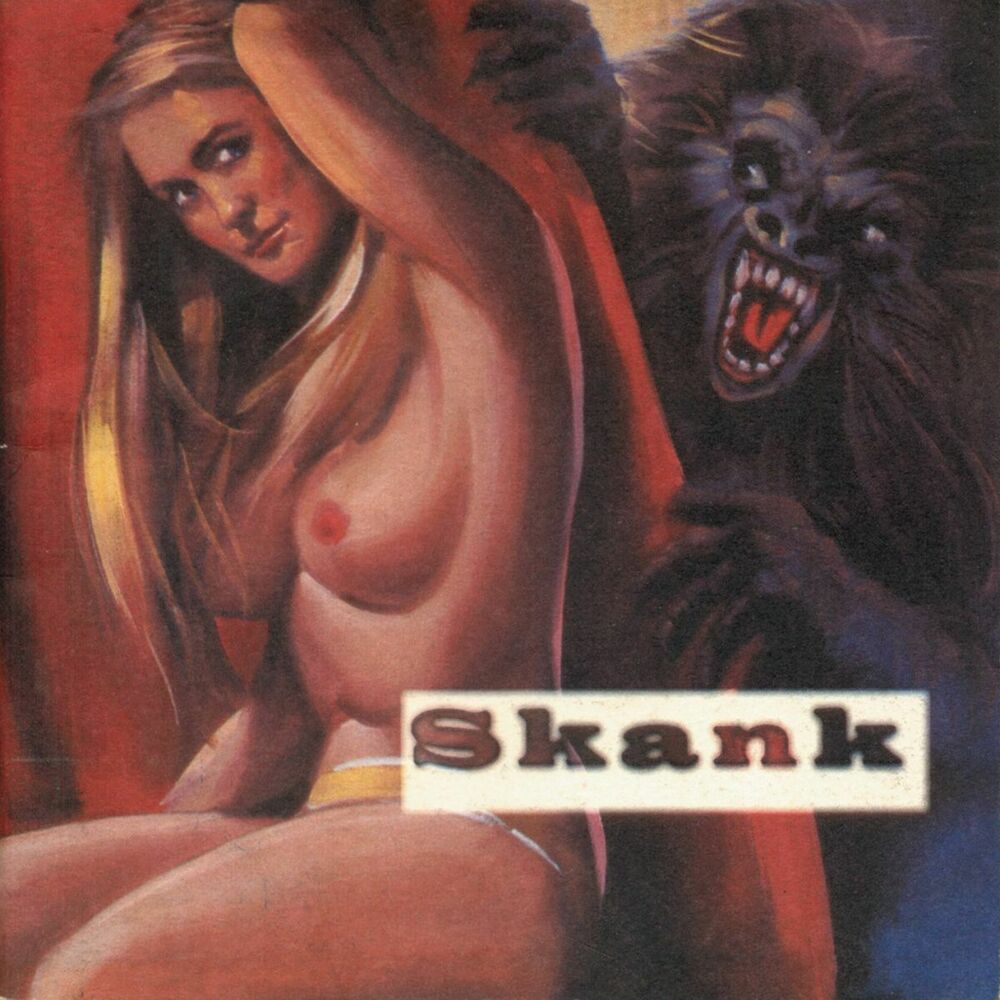
O Samba Poconé, released in 1996, represents a significant milestone in Skank's career, being the Minas Gerais band's third album. This audacious work marked a stylistic turning point, with the band opting to explore new sounds, moving away from Brazilian dancehall to incorporate elements of rock, rockabilly, Latin rock and forró. This experimentation resulted in a more elaborate and creative record, which challenged expectations and revealed a more mature and daring band in the studio. The album was conceived with an eclectic inspiration, referencing Atlântida films, with icons such as Zé Trindade, Renata Fronzi and Grande Otelo, as well as the small circuses that travel the country. The title, which alludes to the city of Poconé in Mato Grosso, was chosen by Henrique Portugal as a representation of 'the interior of Brazil and the mixtures of musical reference that influenced us at the time', evidencing the search for a sound identity rooted in national culture. Samuel Rosa described the album as a "baptism of fire" and an "improvement" compared to the previous work, Calango. He considered it aesthetically and musically more resolved and audacious, highlighting the presence of a broader spectrum of Skank in tracks like "Sem Terra" and "Los Pretos", which harmoniously blend with the record's pop vein.
Context
O Samba Poconé emerged as Skank's third album, released in 1996, succeeding the acclaimed Calango. The recording period represented a phase of transition and maturation for the band, which sought to expand its sonic palette. At this point, the Minas Gerais group consciously distanced itself from Brazilian dancehall, a style that had marked its initial works, to immerse itself in a fusion of rhythms that encompassed rock, rockabilly, Latin rock and forró. Despite the musical daring and the intention to explore new directions, the previous album, Calango, had stood out for having more radio hit songs. With O Samba Poconé, the challenge was to solidify this new artistic proposal and consolidate the "daring" sound the band was pursuing in the studio.
Recording
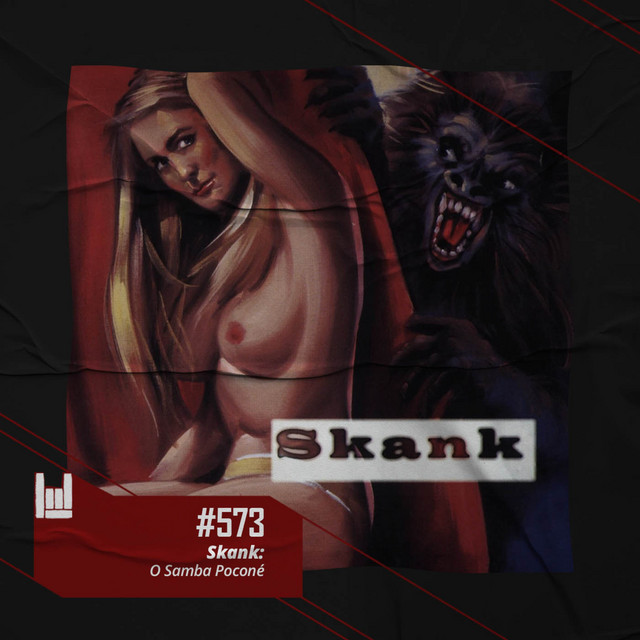
The album O Samba Poconé was produced by Dudu Marote and recorded at Mosh studio, in São Paulo. The creative process featured the notable participation of French singer Manu Chao, who collaborated on three tracks: "Los Pretos", "Sem Terra" and "Zé Trindade". The connection with Chao was established by Paco Pigalle, owner of a club in Belo Horizonte, who also lent his voice to the song "Los Pretos". In addition to the musical collaborations, the album's graphic design also received special attention. Gringo Cardia was responsible for the art direction, incorporating paintings by the Spanish artist José Robles. The choice for paintings, instead of photographs in the booklet, came from Samuel Rosa, who requested a search for the person responsible for the murals on the façades of São Paulo's cinemas. Robles created 18 works, thirteen of which were selected to compose the album's booklet.
Songs
Despite the sonic evolution, O Samba Poconé's radio performance was largely dominated by "Garota Nacional", the first single. Although "É Uma Partida de Futebol" and "Tão Seu" also gained radio airplay, the album had fewer major hits compared to the previous work. However, the record demonstrates a fusion of pop elements with a broader spectrum of Skank, evident in tracks such as "Sem Terra" and "Los Pretos". The compositions featured the participation of several guest musicians. Manu Chao contributed vocals to the songs "Los Pretos", "Sem Terra" and "Zé Trindade", while Paco Pigalle also sang on "Los Pretos". The track "Poconé" features Toninho Ferragutti's accordion sound, adding a particular texture to the album. According to Don Snowden's review from AllMusic, the album's first four tracks were highlighted as the strongest.
Legacy
O Samba Poconé solidified its position as Skank's most commercially successful album, surpassing the 1 million copies sold mark and reaching the impressive figure of over 1.8 million copies. Due to its expressive sales, the album was certified as a diamond record by the ABPD, evidencing its impact on the Brazilian music market. Critical reception was generally positive, with Don Snowden of AllMusic rating the album three out of five stars, praising the good production of the songs and highlighting the first four tracks as the strongest. Anderson Nascimento, from the Galeria Musical portal, also awarded the work three out of five stars. In recognition of its importance, commemorative editions of the album were released. On 11 November 2016, a 20th-anniversary edition was made available, including two bonus discs with demos, remixes, instrumentals, alternative versions and discarded tracks from the original album, accompanied by a commemorative tour. The album's influence is also reflected in several re-recordings of its songs, such as "Tão Seu" by Banda Eva, Roupa Nova and Raça Negra, and "Os Exilados" by Luiza Possi.
Tracks
Credits
Jorge Davidson
Chico Amaral
Fernando Furtado
Dudu Marote, Skank
Cesar Goulart, Marcelo Pianetti, Tieta
Débora Reis, Graça Cunha, Kelly Cruz, Paco Pigalle, Vânia Abreu
Toninho Ferragutti
Lelo Zaneti
Leonardo Eyer
Haroldo Ferretti
Samuel Rosa
Henrique Portugal
Pearl, Umbro, Zildjian
José Robles
Ed Côrtes, James Muller, Marcos Romera
Chico Amaral, Ed Côrtes, Nailor Proveta Azevedo, Teco Cardoso
Edivaldo Silva, Sidnei Borgani
João Vianna, Nahor Gomes, Walmir De Almeida Gil
Leon Zervos
Michael Fossenkemper
Guilherme Canaes
Primo, Silas de Godoy
Andre Ratones, Enrico Romano, Keko Mota, Sandro Estevam
Dominick Barbera, Steve Sola
Gauguin
Cláudia Stancioli
Ronaldo Viana
Gringo Cardia
Podcasts
Já ouviu esse disco? · Danilo de Almeida
Em 1996 o Skank lançou seu terceiro disco, O Samba Poconé, álbum repleto de hits que ajudaram a banda a furar a bolha das rádios brasileiras e ganhar o mundo, e que hoje é o destaque aqui do podcast 'Já Ouviu Esse Disco?' Siga noTwitter: @jaouviuodisco e no Instagram: @jaouviuessedisco Seja um colaborador mensal do 'JOED?'Via Padrim: padrim.com.br/jaouviuessedisco. Ou se preferir, doe a quantia qu
O Som do Vinil | Podcast · Canal Brasil
Charles Gavin revisita o “Samba Poconé”, álbum histórico do Skank. A banda fala sobre a diversidade de estilos da obra e comenta se existe uma fórmula para criar canções pop.
Vinilteca · José Ono Junior e Guilherme Colpani
Os versos de canções como "Garota Nacional" e "Tão Seu" projetaram o Skank definitivamente para fora de Belo Horizonte, para se tornar uma banda do Brasil e do mundo. Elas fazem parte de ‘O samba poconé’, um álbum divisor de águas na carreira da banda de Samuel Rosa. A Vinilteca é um projeto que nasceu no YouTube em 2016 e migrou para o rádio e para o podcast, com apresentação dos atores e colec
CMM · Crazy Metal Mind
Episódio originalmente publicado em 04/07/2022. No 573º episódio do Podcast mais Rock’n Roll da internets Rômulo Konzen, Patricia Giovanetti e Flávio Bandeira batem papo sobre o disco O Samba Poconé do Skank. Trilha sonora do podcast (na ordem): *Skank - É Uma Partida de Futebol *Skank - Garota Nacional *Skank - Tão Seu *Skank - É Uma Partida de Futebol *Skank - Eu Disse a Ela *Skank - Zé Trin
Analisando Discos! · Canal RIFF
🖤 SEJA MEMBRO DO RIFF E CONCORRA A PRÊMIOS: http://bit.ly/SejaMembrodoRIFF O Analisando Discos desta segunda-feira é sobre o Samba Poconé, terceiro álbum do Skank! ⚠️ MATRICULE-SE NA MUSICDOT (10% de DESCONTO) https://www.musicdot.com.br/promocao/canalriff
Videos
SKANK - O SAMBA POCONÉ (1996) | ALBUM REVIEW
Vinilteca
Diversidade e popularidade do Skank no álbum Samba Poconé (1996) | O Som do Vinil
Canal Brasil
"O samba poconé": A edição especial do Skank | Lançamento | Alta Fidelidade
Alta Fidelidade
Skank - O Samba Poconé | Analisando Discos #22
Canal RIFF
Books
Os 500 Maiores Álbuns Brasileiros de Todos os Tempos
Ricardo Alexandre · 2022
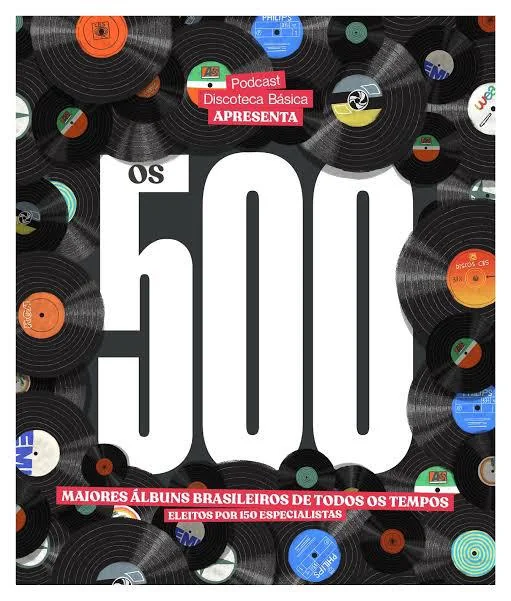
The largest Brazilian music election ever conducted: 162 specialists, spanning journalists, critics, musicians, producers and podcasters, each nominated 50 essential albums, supported by a masterlist of more than 2,000 works. Led by Ricardo Alexandre with tabulation by Sérgio Jomori, it was published in December 2022 as a 200-page hardcover book with graphic design by Fernando Pires.
Cheguei bem a tempo de ver o palco desabar
Ricardo Alexandre · 2016
An unauthorised history of the golden generation of 1990s Brazilian rock, told by one of the professionals who shaped the scene. The book explores the context of the re-democratised and globalised Brazil of the era, being highly likely to address the trajectory and albums of prominent bands like Skank, including the success of 'O Samba Poconé', which was a landmark of that period.
300 Discos Importantes da Música Brasileira
Charles Gavin, Tárik de Souza, Carlos Calado, Arthur Dapieve · 2008
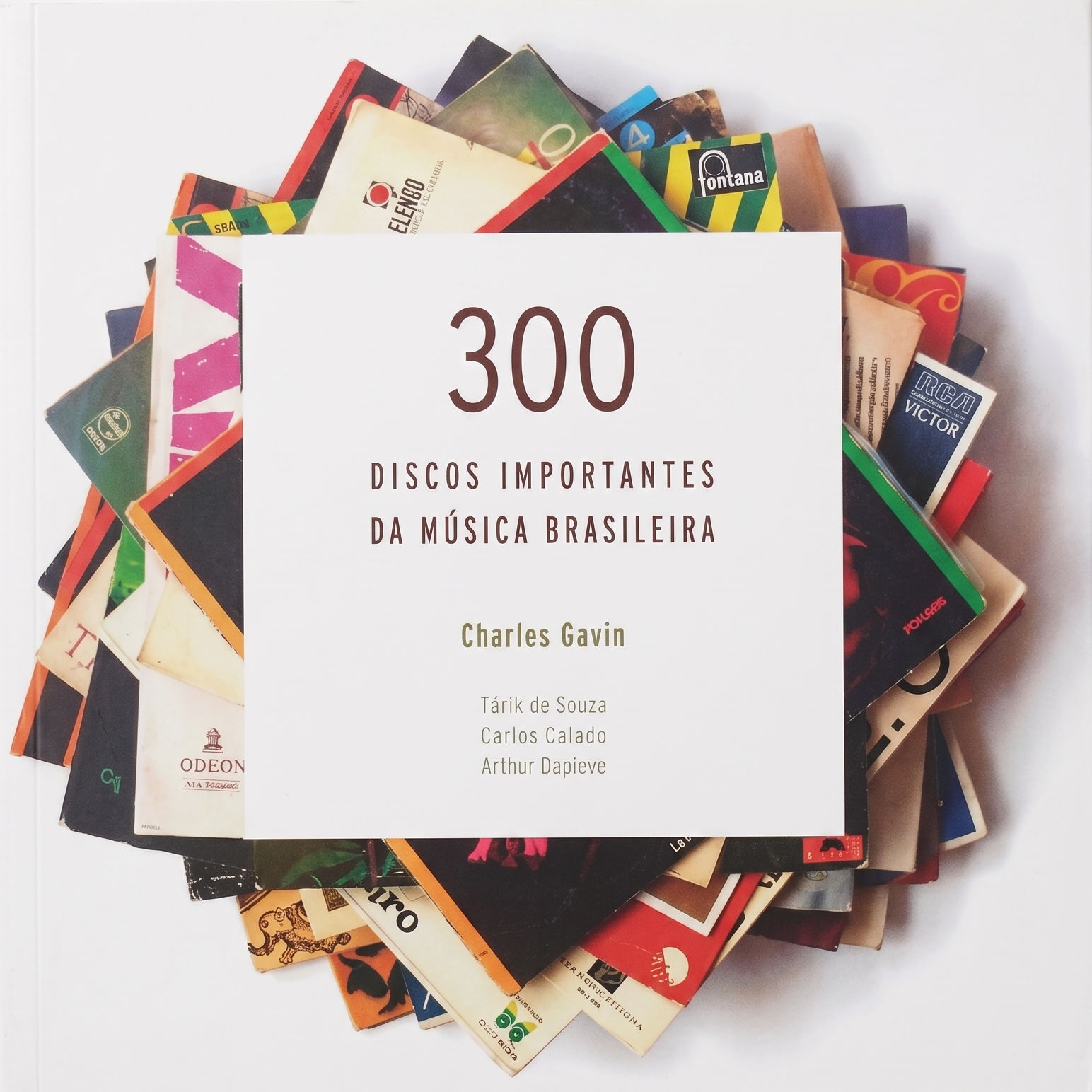
Conceived by Titãs drummer and musical researcher Charles Gavin, the 434-page book brings together covers and reviews of albums released between 1929 and 2007. The texts were written by journalists Tárik de Souza, Arthur Dapieve and Carlos Calado.
Analyses
O Samba Poconé – Wikipedia
Wikipedia, the free encyclopaedia
Crítica: 'O Samba Poconé' o disco do Skank que invadiu o mundo em 1996
teoriacultural.com.br
The album broke through barriers by topping several international music charts. This showed that "O Samba Poconé" has features as innovative as Chico Science's Manguebeat and João Gilberto's Bossa Nova.

Um disco indispensável: O Samba Poconé - Skank (Chaos/Sony Músic, 1996)
cardapiosonoro.blogspot.com
In a beautiful summary, O Samba Poconé briefly evoked the band's connection to the golden years of Atlântida's chanchadas with Zé Trindade, Renata Fronzi, and Grande Otelo – there are also many references to places in Belo Horizonte throughout the songs.
Skank - O Samba Poconé (1996) - ahistoriadodisco.com.br
ahistoriadodisco.com.br
For you, dear reader, who knows little about Skank, I will first mention some of the hits from this album: É Uma Partida de Futebol, Garota Nacional, and Tão Seu. The album's first track immediately won over the public, as it spoke of football, the great passion of Brazilians.
O Samba Poconé é considerado um dos cinco álbuns históricos ... - Skank
skank.com.br
The album earned a well-deserved prominence for representing something new, an explosion of a certain genre, or for being a guide for future generations, according to the text by journalist Tomaz de Alvarenga, from Portal Uai.