Matança do Porco
Som Imaginário
1973
Rankings
Why This Album Matters
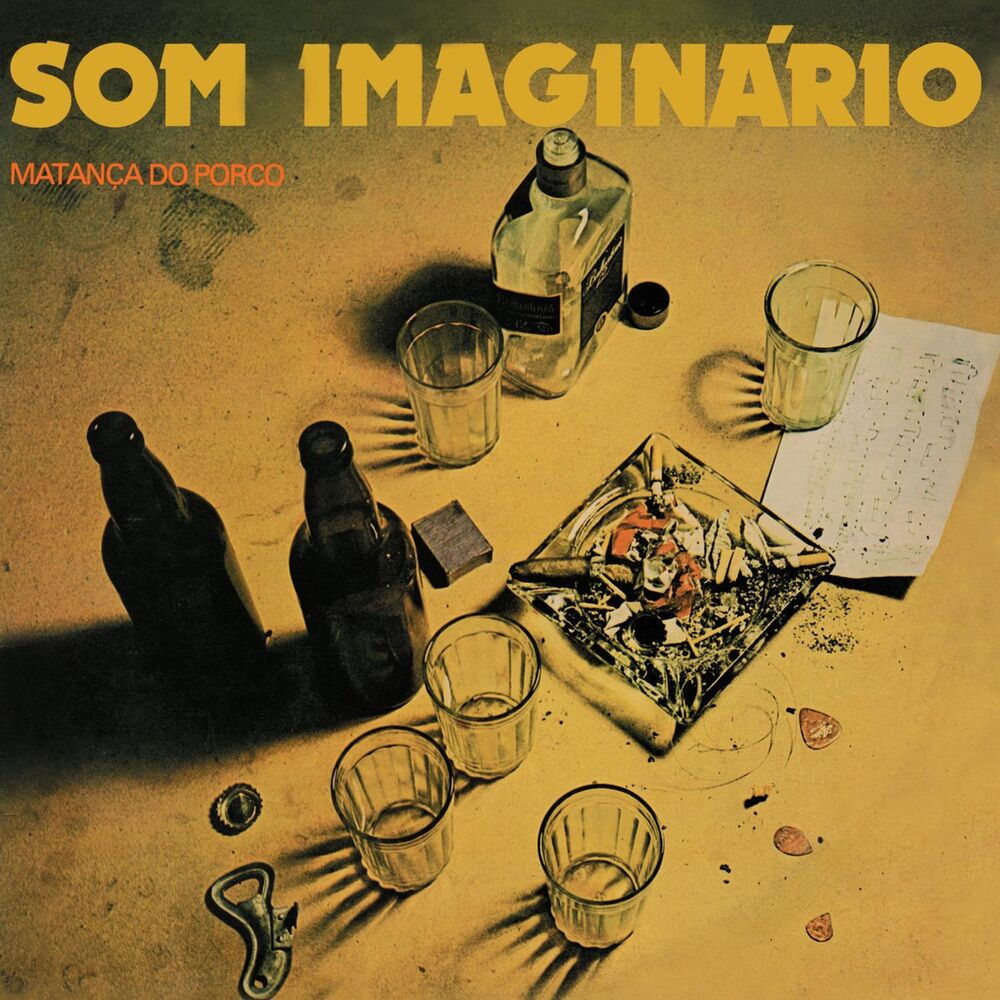
Matança do Porco, released in 1973, is Som Imaginário's third and final studio album and is widely acclaimed as the band's masterpiece. This work stands out for being predominantly instrumental, navigating with audacity and sophistication between jazz, classical music, MPB, and progressive rock. It solidified the group's sonic identity, making it one of the exponents of Brazilian instrumental music. The album is an exquisite demonstration of Wagner Tiso's compositional and arrangement mastery, as he emerged as the main leader and architect of the sound presented here. Its complex and elegant musicality, coupled with the virtuoso execution of the other members, makes Matança do Porco a singular and timeless record in the national discography, marking a high point in genre fusion and musical experimentation in Brazil.
Context
Formed in 1970, Som Imaginário initially emerged to accompany Milton Nascimento in his shows and recordings, building a reputation as a high-calibre backing band. The group's two previous albums, both eponymous and released in 1970 and 1971, explored a more psychedelic and folk sound. At the time of Matança do Porco's release, Brazil was living under a repressive military dictatorship regime. The musical landscape, although permeated by protest music, was also belatedly absorbing the influences of counterculture and international rock and jazz movements. The album's predominantly instrumental character can be interpreted as a form of artistic expression that transcends the barriers of censorship, allowing the music, in its essence, to communicate the feelings of that period.
Recording
The album Matança do Porco was recorded at the legendary Odeon Studios in Rio de Janeiro. Production was handled by Milton Miranda, with Antonio De Vincenzo as production assistant, and musical direction was overseen by Maestro Gaya. The line-up that participated in the recordings included Wagner Tiso (piano, Hammond organ, and electric piano), Luiz Alves (electric bass), and Robertinho Silva (drums). Although Fredera (guitar) had already left the band when the LP was released, his brilliant guitar solos are an evident and fundamental part of the album. The album also featured notable special appearances, such as Milton Nascimento's vocalizations, Danilo Caymmi's flute, and the Golden Boys' backing vocals, in addition to the Odeon Orchestra, conducted by Arthur Verocai and Gaya on different tracks.
Songs
Matança do Porco is a conceptual album, where seven of the nine tracks were composed exclusively by Wagner Tiso. The album is structured around the melancholic and erudite song “Armina”, which not only opens the album with Tiso's piano but is also featured in vignettes that punctuate and connect the other tracks, lending an atmospheric unity to the work. The title track, “A Matança do Porco”, is the album's culmination, extending for over 11 minutes and divided into three distinct movements. It features the stunning vocalizations of Milton Nascimento, Fredera's acid guitar and Tiso's intricate phrasing. The song was originally composed by Wagner Tiso for the soundtrack of Ruy Guerra's film “Os Deuses e os Mortos” (1971). Other notable pieces include “A 3”, with Tiso exploring phrases reminiscent of Kerry Minnear's style from Gentle Giant, the progressive “A N° 2”, featuring a spine-chilling organ timbre, and “Mar Azul”, which incorporates elements of samba-jazz and Danilo Caymmi's flute arpeggios.
Legacy
Considered by many to be the pinnacle of Som Imaginário's discography, Matança do Porco is revered as one of the first commercial successes of Brazilian instrumental music, paving the way for the genre's recognition. Its complexity and fusion of styles made it a precursor to the jazz fusion movement, which would gain strength in subsequent years, anticipating trends by about two to three years. The album had a lasting impact, significantly contributing to the literature of Brazilian music and to the understanding of Som Imaginário's creative process. Its tracks continue to be discovered by new generations, and the title track, in particular, remains present in playlists and is frequently cited as a landmark. The album was reissued on CD in 1997 and on 180-gram vinyl in 2020, attesting to its continuous relevance and its status as a true classic of Brazilian music, despite the original vinyl being today a collector's item of high value on the market.
Tracks
Credits
Arthur Verocai, Lindolfo Gaya, Paulo Moura
Lindolfo Gaya
Wagner Tiso
Milton Miranda
Antonio De Vincenzo
Z. J. Merky
Reny R. Lippi
Nivaldo Duarte
Dacy Rodrigues, Toninho
Rubens Maia
Podcasts
FURO Do VINIL · Evandro Carlos Canton
SOM IMAGINÁRIO, ROCK PSICODÉLICO. "EU VOU PLANTAR CENOURAS NA SUA CABEÇA". BANDA DE APOIO DE MILTON NASCIMENTO. UMA DAS BANDAS PSICODÉLICAS BRASILEIRA QUE MAIS SE ASSEMELHA AO SOM PSICODÉLICO INGLÊS, COMO DO PINK FLOYD. SEGUNDO EPISÓDIO, MAIS PSICODÉLICO QUE NUNCA.
MUSICOFILIA · Juliano Dupont
Wagner Tiso - Piano e Órgão Tavito - Violão Luiz Alves - Baixo Robertinho Silva - Bateria Músicos de Apoio Fredera - Guitarra Milton Nascimento - Vocal Danilo Caymmi - flauta Chiquito Braga - Guitarra Chico Batera - Percussão Golden Boys - Coros Orquestra Odeon conduzida por Arthur Verocai (3,6,9) e Gaya (4,5)
Films

Books
Os 500 Maiores Álbuns Brasileiros de Todos os Tempos
Ricardo Alexandre · 2022
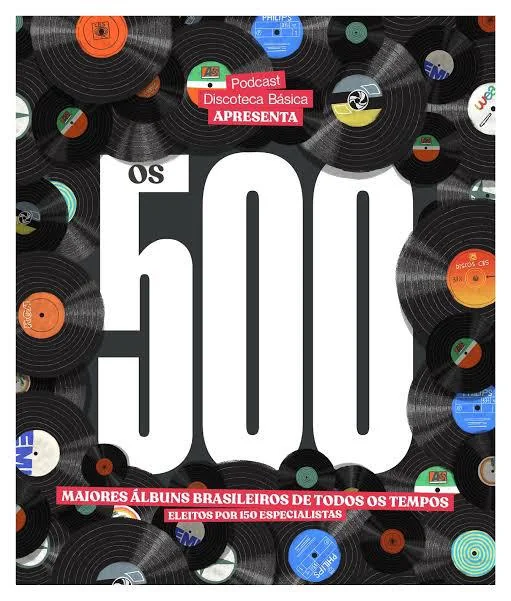
The largest Brazilian music election ever conducted: 162 specialists, spanning journalists, critics, musicians, producers and podcasters, each nominated 50 essential albums, supported by a masterlist of more than 2,000 works. Led by Ricardo Alexandre with tabulation by Sérgio Jomori, it was published in December 2022 as a 200-page hardcover book with graphic design by Fernando Pires.

300 Discos Importantes da Música Brasileira
Charles Gavin, Tárik de Souza, Carlos Calado, Arthur Dapieve · 2008
Conceived by Titãs drummer and musical researcher Charles Gavin, the 434-page book brings together covers and reviews of albums released between 1929 and 2007. The texts were written by journalists Tárik de Souza, Arthur Dapieve and Carlos Calado.
Analyses

Grandes álbuns do Prog-Rock: Som Imaginário - "Matança do Porco" (1973)
tabernanovostempos.blogspot.com
Having established itself as a superband, called for countless recordings, TV programmes and various festivals that were multiplying at the time, Som Imaginário prepared their third and final album, "Matança do Porco", already under the complete direction of Wagner Tiso, who composed all the themes and arrangements.

Grandes álbuns do Prog-Rock: Som Imaginário - "Matança do Porco" (1973)
muralcultural2.blogspot.com
Blog of selected news, reviews and information exchange about music, books, sports, films, concerts, behaviour and culture in general.

SOM IMAGINÁRIO - MATANÇA DO PORCO (1973) | Sinister Salad Musikal
sinistersaladmusikal.wordpress.com
But Som Imaginário's masterpiece is indeed this third and final work, the fantastic Matança do Porco, released in 1973. More of a leader than ever, keyboardist, arranger and conductor Wagner Tiso is credited for most of the themes and develops a sound that would also mark his solo work.

A Máquina de Fazer Sonhos: SOM IMAGINÁRIO Matança do Porco 1973
amakina.blogspot.com
The third and final studio album by the group SOM IMAGINÁRIO, "Matança do Porco", released in 1973 by the Odeon label, is widely considered the pinnacle of the band's studio output.
REVIEW Som Imaginário - A Matança do Porco (1973)
tabernanovostempos.blogspot.com
The group's third and final work, "A Matança do Porco", treads a more refined path than its predecessors and features songs strongly inspired by fusion music and progressive rock.