Som Nosso
Som Nosso de Cada Dia
1977
Rankings
Why This Album Matters
The album Som Nosso, released in 1977 by the band Som Nosso de Cada Dia, represents a notable turning point in the group's trajectory and in the Brazilian musical landscape of the era. Known for their intricate and virtuoso progressive rock on their debut album, Snegs, the band surprised by presenting in this second work a sound deeply immersed in funk and soul. This stylistic shift was not just a transition, but an audacious fusion of rhythms and influences that demonstrated the versatility and experimental ability of the musicians. The album stands out for its infectious energy and distinctive grooves, revealing a more danceable and rhythmic facet of Som Nosso de Cada Dia, which until then had been synonymous with progressive complexity. It is an essential record for understanding the breadth of Brazilian music of the 70s, which was not limited to pre-defined genres, but embraced creative freedom. Som Nosso is a testament to the cultural effervescence and the search for new expressions, solidifying its place as a milestone for the band and for listeners who appreciated innovation and instrumental quality, regardless of genre boundaries.
Context
Before the release of Som Nosso in 1977, the band Som Nosso de Cada Dia had established its reputation in the Brazilian progressive rock scene with the acclaimed album Snegs (1974). The group's initial line-up, with Manito on keyboards and wind instruments, Pedrão on bass, and Pedrinho Batera on drums, was known for elaborate arrangements and instrumental improvisations. However, for this second album, there were significant changes to the line-up, with Manito's departure and the inclusion of Dino and Paulinho on keyboards, and Rangel on percussion, alongside Pedrão and Pedrinho. This reconfiguration of the group, combined with the effervescent musical atmosphere of São Paulo in the 70s, which saw the emergence of various fusions and experimentations, paved the way for the exploration of sounds more linked to funk and black music, distancing itself from the pure progressive of its previous work.
Recording
The album Som Nosso was released in 1977 by the CBS record label. Production and mixing were overseen by Tony Bizarro, with artistic direction by Jairo Pires. These production choices and editorial label were instrumental in the more polished sound geared towards funk and soul that the album presented, in contrast to the production of the previous album, Snegs, which had been released by Continental.
Songs
The album is divided into two sides, subtitled 'Sábado' (Side A) and 'Domingo' (Side B), each with its particular atmosphere. The 'Sábado' side vigorously explores funk and soul, with tracks such as "Pra Swingar", "Levante a Cabeça" and "Estação da Luz", which feature infectious grooves and a vibrant rhythm. The lyrics and compositions reflect a search for a more direct and accessible sound, without losing the instrumental sophistication that characterised the band. Meanwhile, the 'Domingo' side brings songs such as "Bem No Fim", "Montanhas" and "Rara Confluência", which, while still imbued with the essence of funk, may present more melodic nuances and somewhat more elaborate arrangements, referencing a more introspective reflection. The presence of Pedrinho and Pedrão as composers on several tracks demonstrates the authorship and creative direction of the remaining members, exploring new musical languages with mastery.
Legacy
The reception of Som Nosso marked a surprise for many, given the band's strong roots in progressive rock with their debut album. However, over time, the record achieved 'cult' status for its audacity in moving through genres such as funk and soul, revealing an unusual versatility for the era. Although it did not achieve the same immediate recognition as the debut within the progressive niche, Som Nosso is today re-evaluated as an example of the capacity for reinvention in Brazilian music. The album is frequently cited by enthusiasts and critics as an important record for understanding the fusion of styles that characterised Brazil's musical output in the 70s. Its unique sound and the quality of the compositions and arrangements secured its place as a valuable piece in the band's discography, demonstrating that Som Nosso de Cada Dia was capable of going beyond expectations and exploring different aesthetic paths with excellence.
Tracks
Credits
Som Nosso De Cada Dia
Jairo Pires
Tony Bizarro
Armando Marçal, Egídio Conde, Marcinha, Tony Osanah, Tuca Camargo
Pedrão Baldanza
Pedrinho Batera
Dino Vicente, Paulinho Esteves
Rangel
Marcus Vinicius
Laci Miranda
Carlos Henrique Hyra
Videos
A Saga do SOM NOSSO DE CADA DIA: Prog Rock Raiz Brasileiro (Português, Inglês)
ROCK E EXPERIÊNCIA PROG
Som Nosso de Cada Dia breve histórico
Cultura Metal
Books
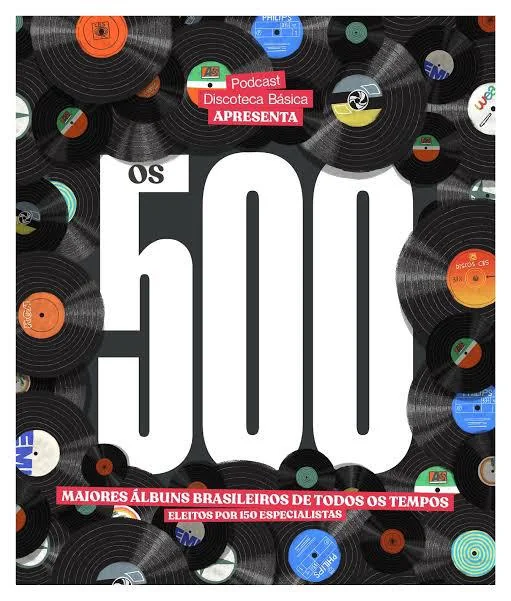
Os 500 Maiores Álbuns Brasileiros de Todos os Tempos
Ricardo Alexandre · 2022
The largest Brazilian music election ever conducted: 162 specialists, spanning journalists, critics, musicians, producers and podcasters, each nominated 50 essential albums, supported by a masterlist of more than 2,000 works. Led by Ricardo Alexandre with tabulation by Sérgio Jomori, it was published in December 2022 as a 200-page hardcover book with graphic design by Fernando Pires.
O som nosso de cada dia
Tárik de Souza · 1983
This book, authored by the renowned Brazilian music critic Tárik de Souza, shares the same title as the album and band 'Som Nosso de Cada Dia'. Given the author's reputation, it is a focused study that probably explores the band's work, with special attention to the eponymous album from 1977, its musical and cultural context.