Tim Maia
Tim Maia
1970
Rankings
Why This Album Matters
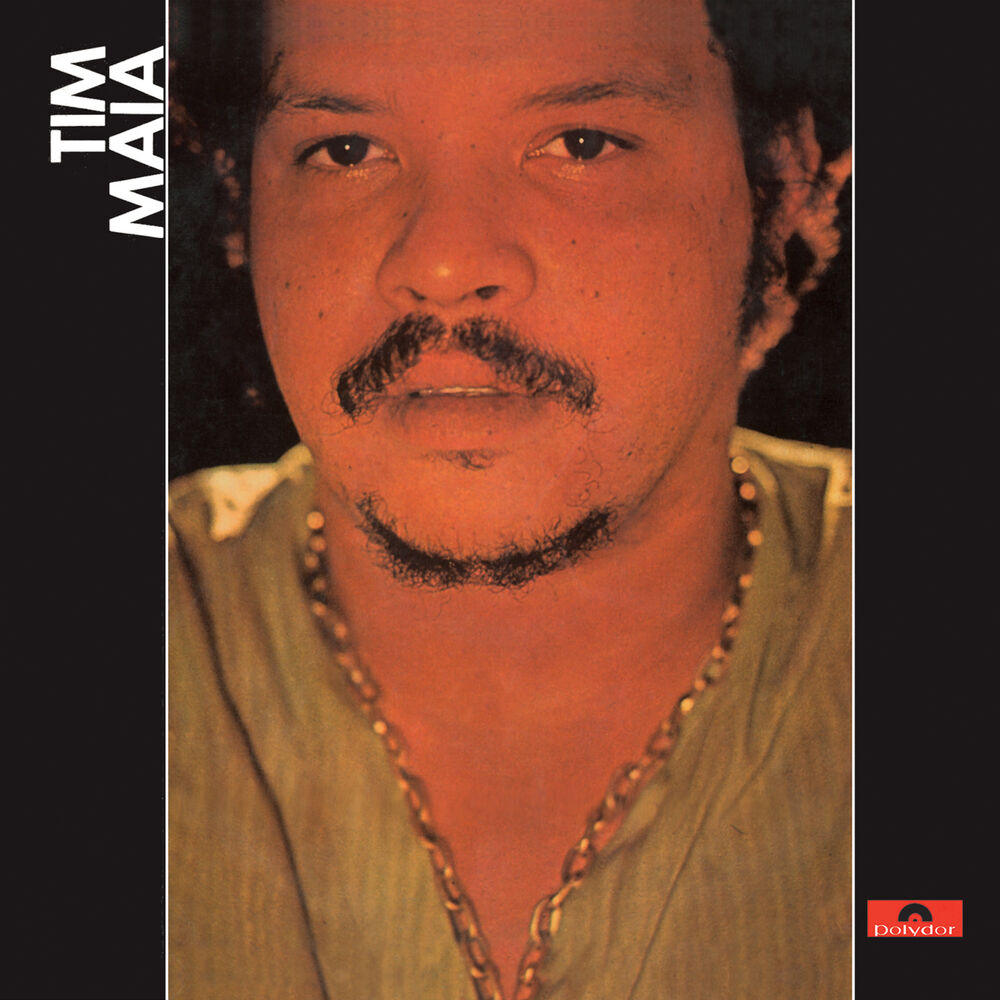
Tim Maia, the debut album by the iconic Brazilian singer and songwriter of the same name, released in June 1970, marked a pivotal turning point in Brazilian music. With it, the artist consolidated his unique sound, innovatively blending soul and funk with elements of Brazilian popular music, such as baião. This seminal work presented to the public the essence of what would become Tim Maia's trademark, characterised by his powerful voice and sophisticated arrangements. The album not only introduced a new sound to the music scene but also launched songs that would become instant classics and fundamental pieces of the Brazilian repertoire. Tracks such as "Coroné Antônio Bento", "Eu Amo Você", "Primavera (Vai Chuva)" and "Azul da Cor do Mar" stand out as examples of Tim Maia's versatility and talent as an interpreter and composer, revealing the soul of the Rio de Janeiro soulman from his first major step. Its warm reception by the public since its release paved the way for one of the most influential careers in national music.

All of a sudden, that booming voice emerged, capable of impressing even Elis Regina, and Brazilian funk and soul discovered their definitive interpreter.
Ramiro Zwersch · Rolling Stone Brasil
Context
Prior to the release of his debut album, Tim Maia had already made forays into the Brazilian music scene. After returning to Brazil, his compositions began to gain prominence, such as "Não Vou Ficar", which became a huge hit in the voice of Roberto Carlos in December 1969. Despite having released two singles of his own, "Meu País" / "Sentimento" (1968) and "These Are the Songs" / "What Do You Want to Bet" (1969), both had disappointing sales, indicating a challenging start to his career. Tim Maia's luck began to change with his signing to the Polydor label, part of the CBD-Philips record company. The new artistic director, Jairo Pires, who had known him previously, was instrumental in his entry. Furthermore, Os Mutantes and Erasmo Carlos had promoted Tim to André Midani, the president of the record company. A decisive moment occurred when Nelson Motta, producing Elis Regina's album, heard Tim record "Primavera (Vai Chuva)" and invited him to show his songs to Elis. The singer from Rio Grande do Sul recorded "These Are the Songs" in a duet with Tim, and the internal repercussions of this recording accelerated the production process of his own album.
Recording
The recording process for the album Tim Maia began in August 1969, with sessions at Scatena studio in São Paulo, under the production of Arnaldo Saccomani. During this initial period, two tracks were recorded: "Jurema" and "Primavera (Vai Chuva)". Recordings resumed in December 1969 at the same studio, where the instrumental backing tracks were laid down. Subsequently, Tim's vocals, backing vocals, and string and orchestra arrangements were finalised at CBD studios in Rio de Janeiro, under the direction of Jairo Pires, completing the production of the record that would be released the following year.
Songs
The album opens with the vibrant "Coroné Antônio Bento", an engaging blend of soul and baião by João do Vale and Luiz Wanderley, which Tim Maia decided to record after loving its performance by Os Diagonais in a rehearsal. Due to the last-minute decision, Camarão, from Os Diagonais, ended up singing the second part of the lyrics. Next, "Cristina" emerges as a soul track that Tim composed in partnership with Carlos Imperial, inspired by the hips of a friend's housekeeper. The energy continues with "Jurema", a fast-paced funk track punctuated by Motown-esque brass, also dedicated to a woman. "Padre Cícero" maintains the fusion of soul and baião, with an epic mood that narrates the story of the Brazilian religious icon. Side A concludes and Side B begins with a sequence of Cassiano compositions: "Você Fingiu", "Eu Amo Você" and the major hit "Primavera (Vai Chuva)", all enriched by the backing vocals of Os Diagonais and romantic Isaac Hayes-style string arrangements, credited to conductors Waltel Branco and Waldir Arouca Barros. Also noteworthy is "Azul da Cor do Mar", a song composed by Tim during a period of hardship, inspired by a wall poster.

Sebastião "Tim" Rodrigues Maia was part of the same group from Rua do Matoso, in Praça da Bandeira, Grande Tijuca, Rio de Janeiro, as Roberto and Erasmo Carlos.
Arthur Dapieve · 300 Discos Importantes
Legacy
Released in June 1970, the album Tim Maia was driven by extensive promotion, particularly the single containing "Primavera (Vai Chuva)", which received excellent airplay on radio stations. The record achieved significant commercial success, surpassing the 200,000 copies sold mark and earning Tim Maia a gold disc shortly after its release. Critical reception was also positive; the critic Carlos Vergueiro, at the time, praised Tim's interpretation in "Primavera" and considered this and nine other tracks to be the best of 1970. The album's lasting relevance is attested by its subsequent recognition, being elected by Rolling Stone Brasil magazine as the 25th best Brazilian album of all time, solidifying its place in the country's music history.
Tracks
Credits
Claudio Roditi, Waldir De Barros, Waltel Branco
Tim Maia
Paulinho Braga
Capacete, Zé Carlos
Cassiano
Guilherme Franco
Carlinhos
Arnaldo Saccomani, Jairo Pires
Garoto Da Portela
Ary Carvalhaes, Célio Martins, João Kibelkstis, João Moreira, Marcus Vinicius
Joaquim Figueira
Aldo Luiz
Podcasts
Discoteca Básica Podcast · Parasol Storytelling
OS LOUCOS ANOS INICIAIS DE TIM MAIA: das esquinas da Tijuca para o sucesso nacional. Convidado do episódio: KL Jay. Tem mais conteúdo para assinantes do CLUBE DISCOTECA BÁSICA: Assina lá! https://podcastdiscotecabasica.com/assine/ Tim ensinou três acordes para Erasmo. Você pode aprender muito mais. Aproveite os 10% de desconto no nosso link da MusicDot: https://www.musicdot.com.br/promocao/dis
Lado A Convidado Anderson Lee, japonês com sangue negro. Destino inexorável do Tião Marmiteiro. Quem é Cristina? Alma negra do Tim Maia. Funk com baião, soul e rock. Os trilhos da música popular brasileira. Ida aos Estados Unidos e a formação do The Ideals. Triatleta: fumava, bebia e cheirava. Programa de TV do Roberto Carlos. Vulgo Tião Maconha. Visual da jovem guarda. Beatles inflamando os ares
A décima primeira edição do Programa Ficha Técnica tem como tema o disco "Tim Maia", de 1970. Criação/produção/apresentação: Larissa Campos e Raul Fortes Edição: Luciano Campbell Acesse: www.instagram.com/programafichatecnica Primaverou! Larissa Campos/Raul Fortes Setembro chegou e, toda vez que ele chega, uma mesma palavra invade o pensamento de muitas pessoas: primavera! Na teoria, aquela estaç
Pod Música Boa? · Vitor Belarmino
Olá criaturas do universo, como estão vocês? Começando mais uma sequência de três discos, e desta vez, eu Vitor, escolhi o disco de estreia do rei Tim Maia, confira essa boa conversa sobre essa maravilhosa obra!!!
Ensaio de Mesa · Estúdio Elétrico
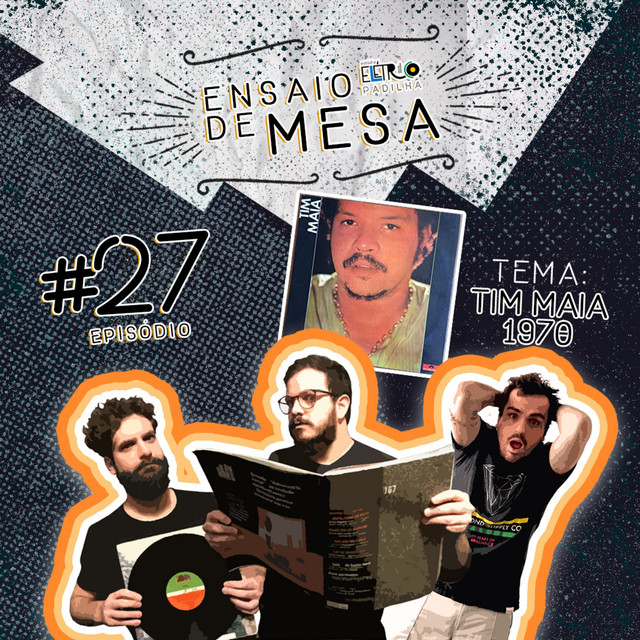
Fala audiência, como estamos? O 27º episódio do Ensaio de Mesa está no ar. Nessa semana, Álvaro Camões Padilha, Renato Zaccaro e Rodrigo Vita fazem uma análise do disco "Tim Maia 1970". O guitarrista da banda Inconsciente Coletivo, Bill Lessa, é o convidado especial desse papo. Aperte o play e entre na resenha.
Videos
Tim Maia - Tim Maia (1970) | ALBUM REVIEW
Som de Peso
Ensaio de Mesa - Tim Maia/1970 - #27
Estúdio Elétrico Padilha
Como a viagem de Tim Maia aos EUA influenciou o álbum de 1970 | O Som do Vinil
Canal Brasil
TIM MAIA (1970) | ALBUM REVIEW | O PRIMEIRO DISCO DO TIM
Vinilteca
Tim Maia (1970-1973) | Caravana do Delírio | Alta Fidelidade
Alta Fidelidade
ANÁLISE DO DISCO TIM MAIA DE 1970!
DS Animações
Films

Tim Maia
2014
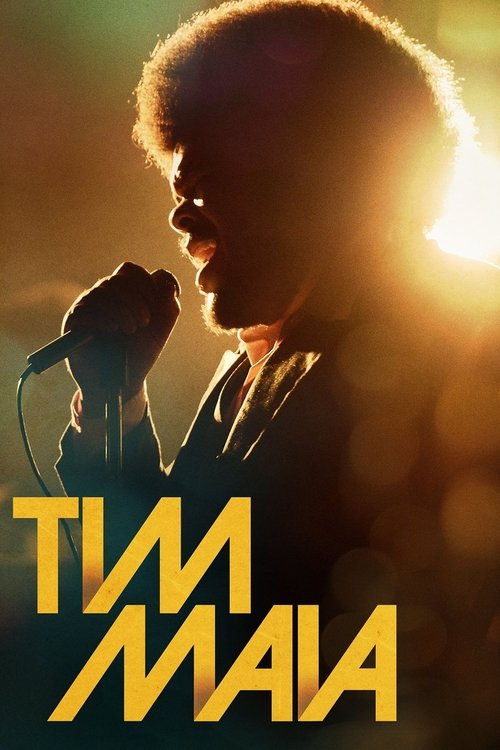
Biopic of Brazilian singer Tim Maia, from his childhood in Rio de Janeiro until his death at age 55, including his passage by the US, where he discovers a new style of music and is arrested for theft and drug possession.
Tim Maia: Vale o Que Vier
2015
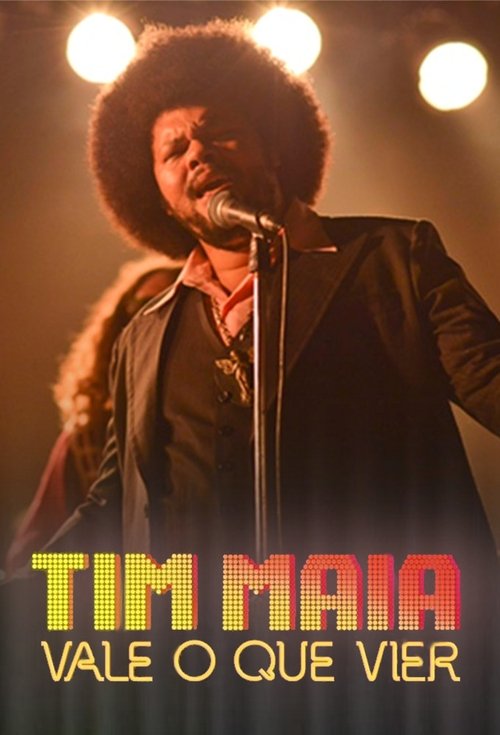
The story of Tim Maia, from his impoverished childhood to the peak of his career, detailing the singer's turbulent lifestyle and strong personality; he died in 1998.
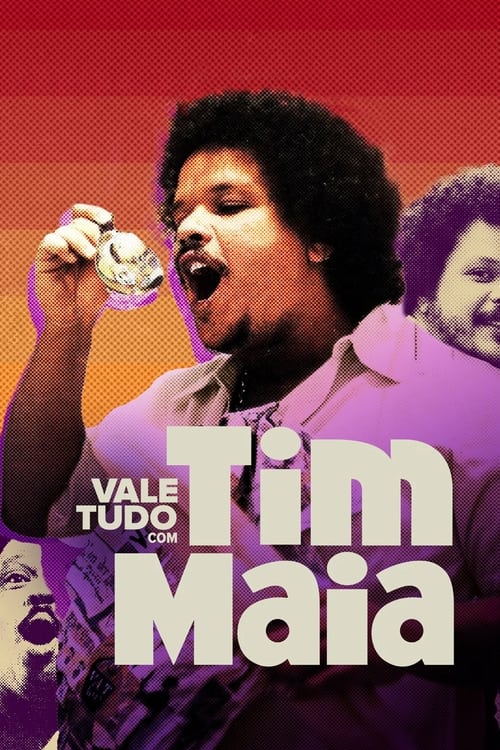
Vale Tudo com Tim Maia
2022
With never-before-seen footage, shows and rare interviews, the series bets on the irreverent way of the Brazilian music to narrate its own trajectory.
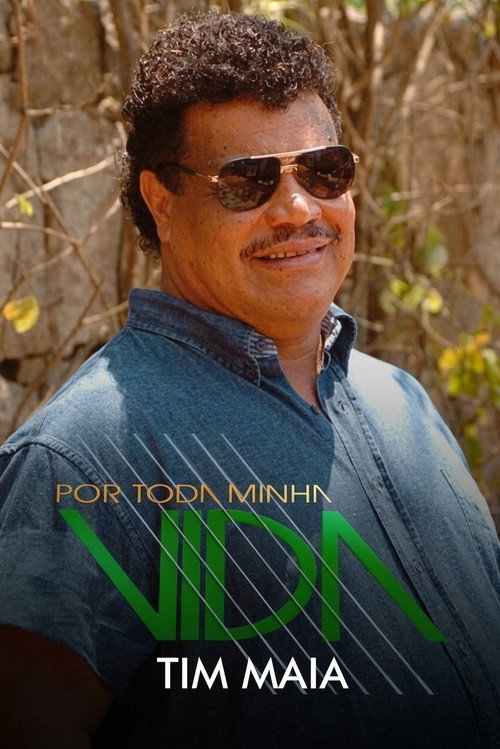
Por Toda Minha Vida - Tim Maia
2007
This special tells the story of Tim Maia from his humble childhood, when he delivered packed lunches in Tijuca, the northern Rio neighbourhood where he was born; until his death in March 1998.
Books
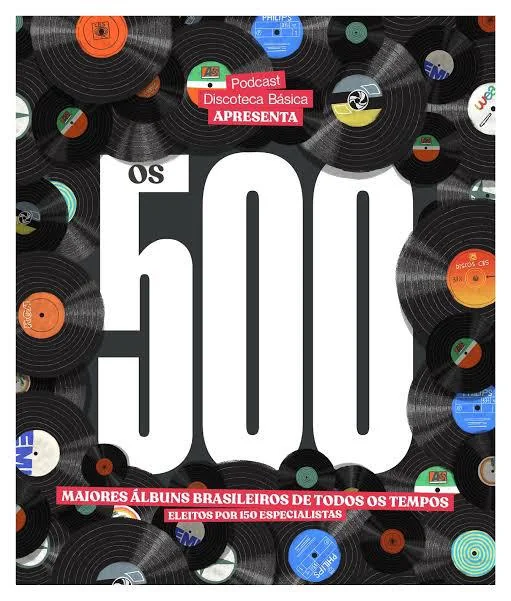
Os 500 Maiores Álbuns Brasileiros de Todos os Tempos
Ricardo Alexandre · 2022
The largest Brazilian music election ever conducted: 162 specialists, spanning journalists, critics, musicians, producers and podcasters, each nominated 50 essential albums, supported by a masterlist of more than 2,000 works. Led by Ricardo Alexandre with tabulation by Sérgio Jomori, it was published in December 2022 as a 200-page hardcover book with graphic design by Fernando Pires.
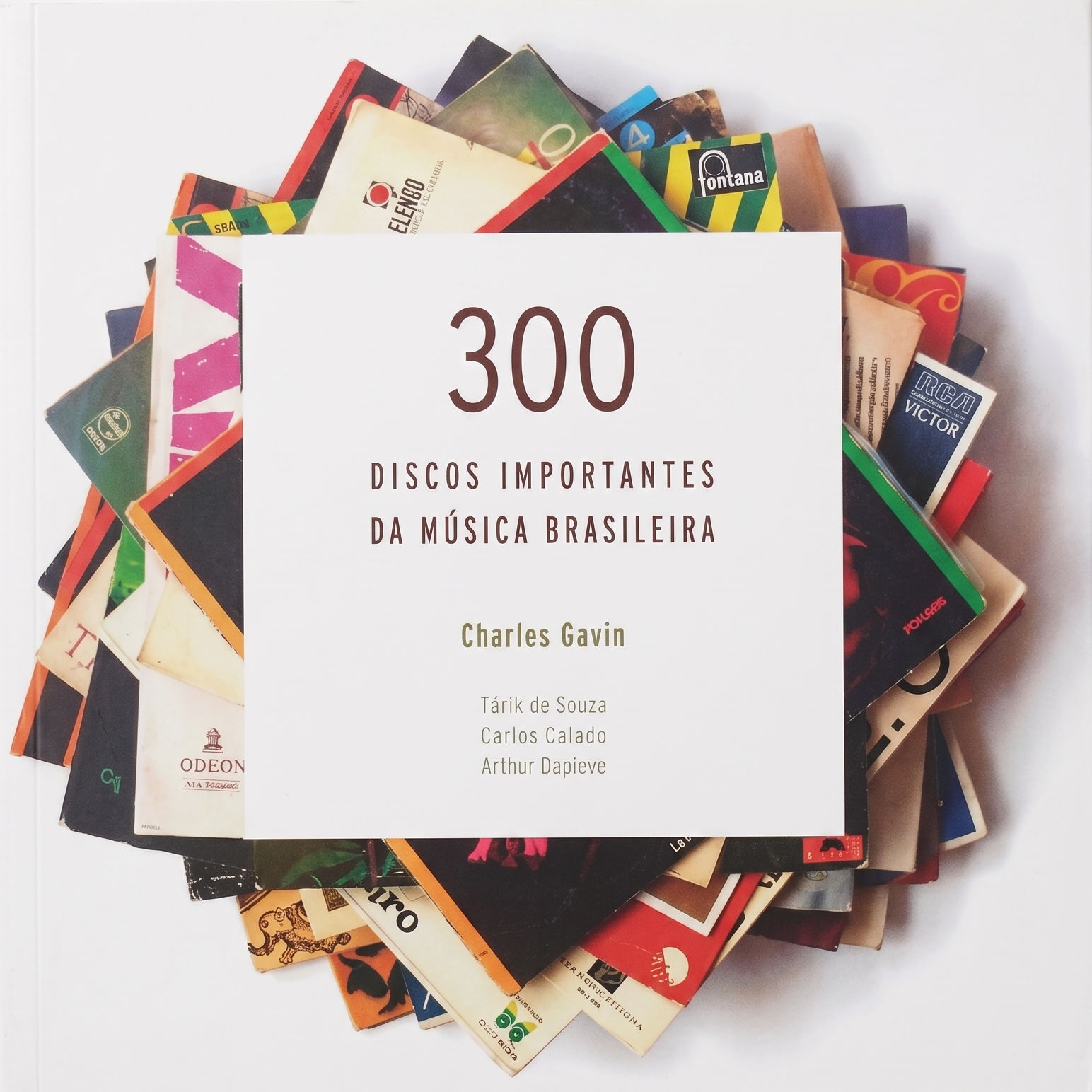
300 Discos Importantes da Música Brasileira
Charles Gavin, Tárik de Souza, Carlos Calado, Arthur Dapieve · 2008
Conceived by Titãs drummer and musical researcher Charles Gavin, the 434-page book brings together covers and reviews of albums released between 1929 and 2007. The texts were written by journalists Tárik de Souza, Arthur Dapieve and Carlos Calado.

Vale Tudo - O Som e a Fúria de Tim Maia
Nelson Motta · 2006
Considered the definitive biography of Tim Maia, written by Nelson Motta, the artist's friend and producer. The work delves deeply into Tim Maia's life and career, from his origins to his legacy, detailing the production of his most important albums, including the 1970 album, which marked the beginning of his successful phase in Brazil.
Analyses
Tim Maia – Wikipedia
Wikipedia, the free encyclopaedia
Tim Maia – The 100 Greatest Albums of Brazilian Music
Ramiro Zwersch · Rolling Stone Brasil
All of a sudden, that booming voice emerged, capable of impressing even Elis Regina, and Brazilian funk and soul discovered their definitive interpreter.
CULT CLASSIC: TIM MAIA 1970. | dereksmusicblog
dereksmusicblog.com
So did the followup Tim Maia 1971 and nowadays both albums are regarded as classic albums in Brazil and among the highlights of his three decade recording career. However, the album that launched his career was Tim Maia 1970 which is the work of a charismatic singer-songwriter career who was touched by genius but fundamentally flawed.
TIM MAIA 1970. | dereksmusicblog
dereksmusicblog.com
When Tim Maia 1970 was released later in 1970, the album was hailed a groundbreaking, genre-melting classic by critics. The album was a successful and seamless marriage disparate genres.
Tim Maia - 1970 - A História do Disco
ahistoriadodisco.com.br
And so, the inspiration arises to comment on the debut album by one of the best Brazilian artists – it's not demagoguery, folks, Tim Maia is still a major reference for many experienced musicians and for beginners too!