Tim Maia (1971)
Tim Maia
1971
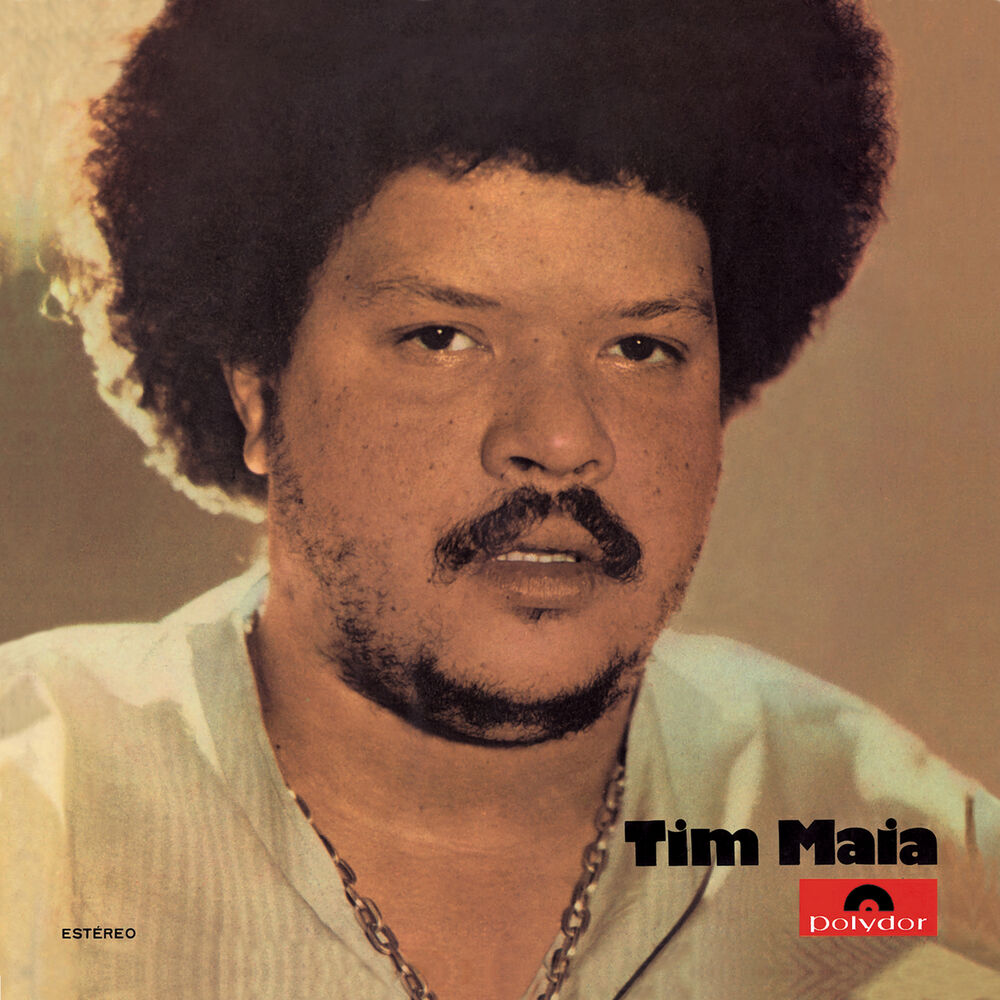
Why This Album Matters
Tim Maia, the 'Síndico's' second self-titled album released in 1971, consolidated the artist as an unmistakable force in Brazilian music, refining his already potent fusion of soul, funk, R&B and MPB. The record is a landmark due to its contagious sound, full of swing and emotion, which integrated influences from Black American music with genuinely Brazilian rhythms such as baião and samba. With richer arrangements and more precise rhythms, this work showcases Tim Maia's unmistakable, raw voice, combining emotional intensity with a dancefloor-focused energy. It is an album that demonstrates Tim's mastery in creating a singular musical identity, which was neither Tropicalista, nor purely MPB, nor rock, but rather “quintessentially Brazilian” and “Tim Maia”.

For Tim, the musical genre didn't matter much, as he adapted everything to suit his interpretation.
Antônio do Amaral Rocha · Rolling Stone Brasil
Context
Following the resounding success of his debut album in 1970, which sold over 200,000 copies and earned Tim Maia newcomer artist awards, the Rio-born singer enjoyed unprecedented prestige at his record label, CBD-Philips. This position granted him complete creative freedom for the recording of his second album. Furthermore, Tim Maia performed to sold-out audiences and enjoyed almost unanimous acclaim from specialist critics, quickly establishing himself as one of Brazilian music's biggest stars.
Recording
Leveraging his newfound artistic freedom, Tim Maia chose to record his second album at Estúdios Somil, in Botafogo, Rio de Janeiro, instead of his record label's studios. The accompanying band remained largely the same, with a notable change in guitarists: Cassiano was replaced by Hyldon and Paulinho Guitarra, then young talents aged just 17 and 16, respectively. The album's production was helmed by Tim Maia himself, with art direction by Jairo Pires and sound engineering by Célio Martins, while the acetate cutting was carried out by Joaquim Silva. In addition to the main band, the group As Gatas contributed backing vocals on the album's biggest hit track, adding an extra layer of sonic richness.
Songs
The album stands out for an “ambitious and innovative fusion of genres”, which blended soul and funk with samba and baião, even incorporating “hints of jazz, psychedelia and rock”. Side A opens with “A Festa do Santo Reis”, by Márcio Leonardo, a track that combines baião and soul, echoing the sound of “Coroné Antônio Bento” from the previous album. The album's major hit and sales driver was “Não Quero Dinheiro (Só Quero Amar)”, an emblematic samba-soul and considered one of the greatest songs of all time. Another highlight is “Você”, a melancholic and grandiose song, previously recorded by Eduardo Araújo. Tim also re-recorded other compositions of his that gained notoriety through other artists, such as “Não Vou Ficar” (recorded by Roberto Carlos) and “Meu País”, released as a single by Maia himself. Furthermore, the album surprises with the inclusion of “Preciso Aprender a Ser Só”, a bossa nova classic by brothers Marcos and Paulo Sérgio Valle, demonstrating his roots in this style. The album also innovated by featuring tracks in English, such as “I Don't Know What to Do with Myself”, a partnership between Maia and Hyldon, a samba-soul with international lyrics.
Legacy
Released in 1971, the album was an immediate success, with “excellent sales” and “adequate promotion”, driven by Tim Maia's growing fame. Specialist critics extensively praised the work, with Zé Rodrix from Rolling Stone magazine highlighting “Tim Maia's independence, his fusion of Brazilian and American rhythms” and the completeness of the credits. The record launched two of the singer's biggest hits, “Não Quero Dinheiro (Só Quero Amar)” and “Você”, which became timeless classics of Brazilian music. Considered an innovative album of “multiple genres”, it was acclaimed by critics and achieved “commercial success”. Over the years, the importance of Tim Maia (1971) has been ratified. The Brazilian version of Rolling Stone magazine elected it as the 25th best Brazilian album of all time, an even higher position than initially cited, which placed it at 75th. The album is seen as a landmark that “changed the game”, introducing modern Black music from the USA into national popular music, connecting funk and baião, bringing soul closer to bossa nova, and paving the way for new forms of music that were “quintessentially Brazilian”. Tim Maia's “deep and velvety” voice on this album, and throughout his discography, is credited with “starting the Black Rio movement” and giving voice to the Black population in Brazil, influencing generations of artists and genres such as baile funk and Brazilian hip-hop.
Rankings
Tracks
Credits
Jairo Pires
Dinorah, Euridice, Graça Lami, Renata Lú, Zenilda
Peter
Tim Maia
Aurino Ferreira
Capacete
Alceu De Almeida Reis, Ana Bezerra De Mello Devos
Paulinho Braga
Paulinho Guitarra
Chacal
Hyldon
Zé Bodega
Silvio, Zeca Do Trombone
Darcy Da Cruz, Waldir De Barros
Pinduca
Murilo Da Silva Loures, Nelson De Macedo
Adolpho Pissarenko, Gentil Dias, Homero Gelmini, Marcello Pompeu Filho, Nathercia Teixeira, Octávio Miranda Ilha, Otávio Canabrava Waladares, Pesach Nisembau, Quinidio Faustino Teixera
Célio Martins
Joaquim Silva
Aldo Luiz
Fernando Bergamasche, José Melo
Podcasts
Vinilteca · José Ono Junior e Guilherme Colpani
Em 1971, Tim Maia já tinha caído nas graças da gravadora Philips devido às vendas do seu primeiro disco. Ele já era o rei da soul music brasileira e abalava as estruturas da MPB. Era chegada a hora dele lançar seu segundo disco. Com uma produção cheia de regalias e prestígio, vinha aí mais um enorme sucesso. A Vinilteca é um projeto que nasceu no YouTube em 2016 e migrou para o rádio e para o pod
Videos
Tim Maia - Tim Maia (1970) | ALBUM REVIEW
Som de Peso
Tim Maia - Tim Maia 1971 Album [Review]
Discomaníacos
Tim Maia (1970-1973) | Caravana do Delírio | Alta Fidelidade
Alta Fidelidade
"Tim Maia disco club" (Tim Maia) | SomDois | Alta Fidelidade
Alta Fidelidade
Tim Maia - Racional: o Melhor Disco com o pior Motivo - Análise do Álbum #3
Pensando Nisso.
Tim Maia - Documentário de 1987
Top de Música
Films

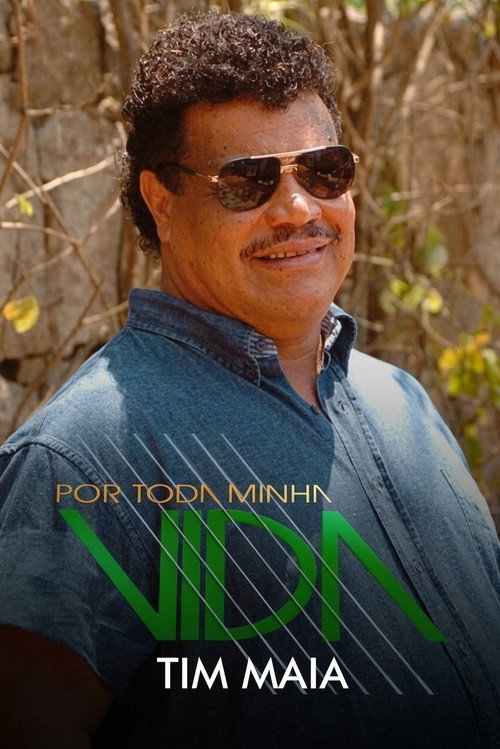
Por Toda Minha Vida - Tim Maia
2007
This special tells the story of Tim Maia from his humble childhood, when he delivered packed lunches in Tijuca, the northern Rio neighbourhood where he was born; until his death in March 1998.
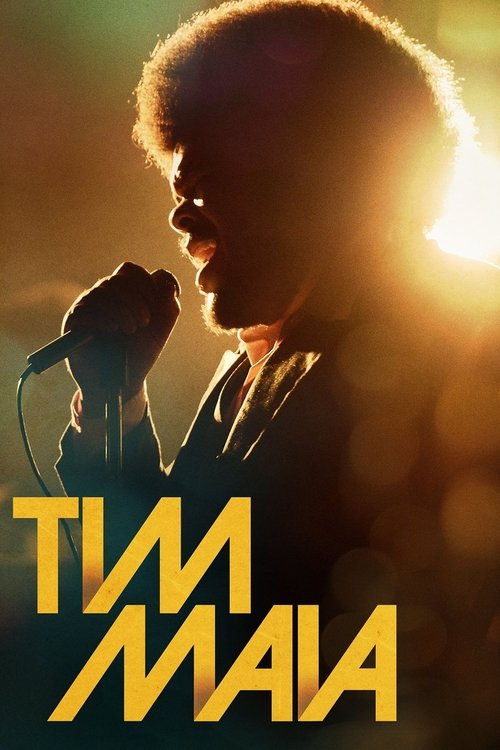
Tim Maia
2014
Biopic of Brazilian singer Tim Maia, from his childhood in Rio de Janeiro until his death at age 55, including his passage by the US, where he discovers a new style of music and is arrested for theft and drug possession.
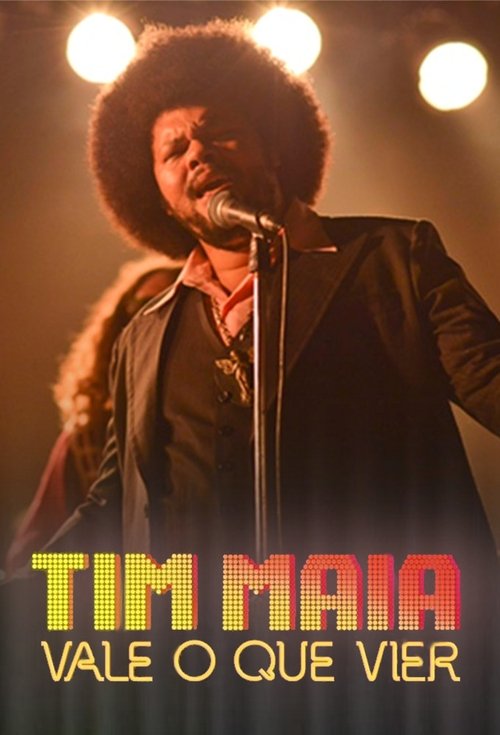
Tim Maia: Vale o Que Vier
2015
The story of Tim Maia, from his impoverished childhood to the peak of his career, detailing the singer's turbulent lifestyle and strong personality; he died in 1998.
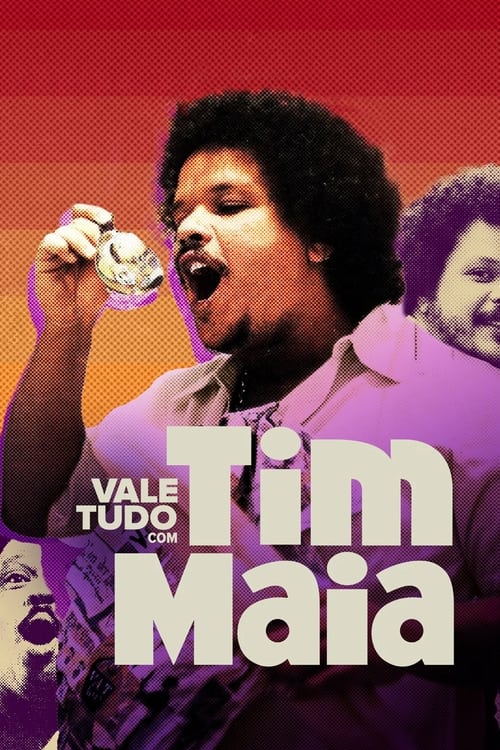
Vale Tudo com Tim Maia
2022
With never-before-seen footage, shows and rare interviews, the series bets on the irreverent way of the Brazilian music to narrate its own trajectory.
Books
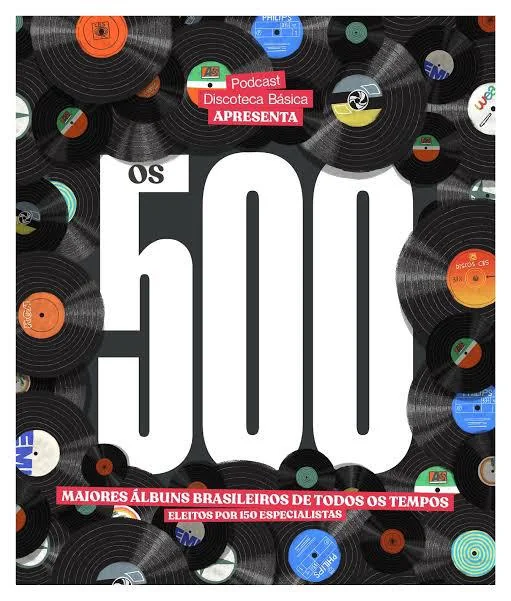
The 500 Greatest Brazilian Albums of All Time
Ricardo Alexandre · 2022
The election was spearheaded by journalist Ricardo Alexandre, creator of the Discoteca Básica podcast. Ricardo consulted 162 specialists including journalists, YouTubers, podcasters, musicians, record-shop owners and producers. The result was published as a 200-page hardcover book, with graphic design by Fernando Pires.

Vale Tudo - O Som e a Fúria de Tim Maia
Nelson Motta · 2006
Considerada a biografia definitiva de Tim Maia, escrita por seu amigo e jornalista Nelson Motta. O livro detalha a vida e a carreira do 'Síndico', desde sua infância no Rio de Janeiro, sua passagem pelos EUA, o retorno ao Brasil e o auge de sua fama, abordando sua vasta discografia e a personalidade complexa que o tornou um ícone da música brasileira. É fundamental para entender o contexto e a criação do álbum de 1971, que marcou um período crucial de sua carreira.
Analyses
Tim Maia (1971) – Wikipedia
Wikipedia, the free encyclopaedia
Tim Maia (1971) – The 100 Greatest Albums of Brazilian Music
Antônio do Amaral Rocha · Rolling Stone Brasil
Segundo álbum da carreira do mestre do soul brasileiro que, naquela época, já colecionava sucessos. Para Tim, não importava muito o gênero musical, uma vez que ele adaptava tudo para sua interpretação. É o caso do baião “A Festa do Santo Reis” (Márcio Leonardo) e o sambacanção “Preciso Aprender a Ser Só” (Marcos e Paulo Sérgio Valle). O disco também traz vários clássicos da autoria de Tim – três deles com letras em inglês – como “I Don’t Care”, “Broken Heart”, “I Don’t Know What to do with Myself”, “Não Quero Dinheiro” e “Meu País”.

Tarati Taraguá: Disco de Tim Maia de 1971 - Resenha de Zé Rodrix ...
taratitaragua.blogspot.com
Em sua edição nº 3, que circulou em fevereiro de 1972, o jornal em sua seção de resenhas de discos traz uma crítica do antológico segundo disco de Tim Maia, lançado em 1971, e assinada pelo músico Zé Rodrix, que assina como José Rodrix.
"Tim Maia (1971)": Um dos mais icônicos discos de Tim Maia.
entreacordes.blog
Tim Maia simplesmente não errou nos anos 70, ele conseguiu enfileirar grandes trabalhos, com grandes composições e esse não foi diferente. É um dos discos para iniciar a jornada pela sua discografia e estamos muito orgulhosos em poder falar dele aqui!
TIM MAIA - TIM MAIA 1971 - Jardim Eletrico
ojardimeletrico.com
Este segundo LP de Tim mostra um compositor maduro e seguro em comparação ao primeiro disco. Com mais desenvoltura e com um time nota 10 ( Pinduca no vibrafone e Chacal na percussão, esse disco já nasce com nomes de peso).
Discogs

Tim Maia (1971) – Discogs
discogs.com