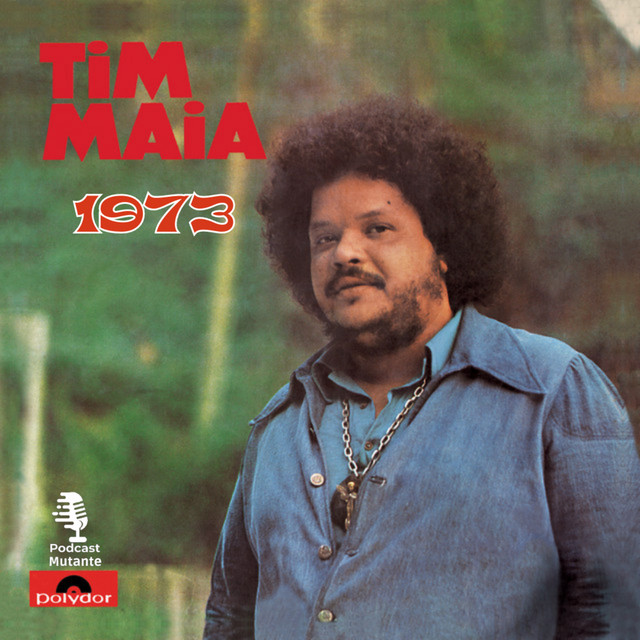
Tim Maia (1973)
Tim Maia
1973

Why This Album Matters
Tim Maia (1973) is the fourth studio album by the iconic Brazilian singer and songwriter and is widely considered one of the high points of his career, consolidating his unique musical style that blends soul, funk and samba. Released by Polydor, this work demonstrates Maia's artistic maturity, as he was already recognised for his ability to fuse Black American music with genuinely Brazilian rhythms, creating a powerful and innovative sound for its time. The album not only reaffirmed Tim Maia's position as one of the greatest names in MPB, but also deepened his exploration of lush arrangements, magnetic vocals and irresistible grooves, all with an artistic confidence that made him unique. Its sound is described as an impeccable combination of funk, soul and samba, a tasty blend of old and new, which made it a landmark in Brazilian music.
Context
Before the recordings of Tim Maia (1973), the artist had established his music publishing company and rehearsal space, named 'Seroma', on a plot of land on the Sacopã hill, in Rio de Janeiro. In this space, overlooking Lagoa Rodrigo de Freitas, Tim dedicated himself intensely to rehearsing what would become the repertoire for the new album, working with a wide range of musicians who frequently participated in his sessions. This preparatory phase demonstrated Maia's commitment to refining his sound and compositions.
Recording
The recording sessions for Tim Maia (1973) took place at CBD studios, in Rio de Janeiro, between March and July 1973. The album's production was conducted by Tim Maia himself, who was also responsible for the basic arrangements, while Waldir Arouca Barros handled the brass and string arrangements. The sound engineering team included names such as Ary Carvalhães, Jayro Gualberto, Luiz Claudio Coutinho and João Moreira. The musicians accompanying Tim Maia during this period were, for the most part, the same ones who had worked on his previous records, consolidating a cohesive and talented backing band. Many of these instrumentalists were already becoming sought-after in the Rio studio scene, highlighting the quality and cohesion of the ensemble.
Songs
The album stands out for a collection of tracks that have become classics. Side A opens with the samba-soul track "Réu Confesso", one of the album's great successes, where Tim Maia presents an account of his relationship with Janete. Subsequently, tracks like "Compadre" and "Over Again" demonstrate a progression from ballads to more danceable rhythms, with more elaborate arrangements, strings and brass framing the groove. "O Balanço" is an uptempo funk track that explores guitar and electric organ solos, and which subsequently received covers by artists such as Funk Como Le Gusta and Nação Zumbi, reinforcing its timeless character. Another highlight is "New Love", co-written in 1963 with American Roger Bruno, vocalist of the group The Ideals, evidencing the international influence on Maia's work. Side B, meanwhile, opens with the impactful English funk track "Do Your Thing, Behave Yourself", which demonstrates the natural ease with which Tim Maia adapted to the language of soul. The ballad "Gostava Tanto de Você", composed by Edson Trindade, is one of Tim's most beloved songs, whose history generated debates about the original inspiration for the lyrics, which refers back to an ex-girlfriend of Edson's.
Legacy
Released in July 1973, the album enjoyed great commercial success, driven by the excellent airplay of "Gostava Tanto de Você" and "Réu Confesso" on Brazilian radio, achieving significant sales, comparable to his first two works. The repercussions also marked Tim Maia's departure from the Polydor record label, after he demanded that his next project be a double album, signalling his desire for greater creative autonomy and ambitious future plans. Considered by many fans and critics to be the 'jewel in the crown' of his self-titled albums from the 70s, Tim Maia (1973) is a work that continues to be celebrated for its relaxed and authentic fusion of Brazilian rhythms with American soul and funk, consolidating the blueprint for 1970s Brazilian soul music.
Rankings
Tracks
Credits
Edinho, Genival, Gracinha Leporace, José Amaro, Paulo Smith, Sheila Smith
Tim Maia
Maurilho Faria
Barbosa Neto
Ronaldo P. Leme
Dom Mita
Myro
Carlos Gomes De Oliveira, Zdenek Svab
Paulinho Guitarra
Pedrinho
Cidinho Teixeira
Aurélio Marcos
Edmundo Maciel
José G. Amorim
Waldir De Barros
Neco
Ary Carvalhaes
Joaquim Figueira
Jairo Gualberto, Luis Cláudio Coutinho
Ricardo De Vicq
Podcasts
PODCAST MUTANTE · Bode da Mutante
1973: O Som de uma Era Brasileira - Edição limitada – 50 anos, o melhor de 1973. Embarque conosco em uma viagem musical única e nostálgica de volta a 1973, um ano repleto de música que marcou gerações no Brasil. Nosso programa especial, intitulado '1973: O Som de uma Época Brasileira', mergulhará fundo nos álbuns que definiram aquele momento no cenário musical brasileiro. Exploraremos os 50 álbuns

Musicas e Suas Histórias · Paulo Eduardo Arruda
Conheça a verdadeirahistória da canção Gostava Tanto de Você! Gravada em 1973 por Tim Maia (mais de 50 anos), porém uma narrativa que aconteceu nos anos 50 com Edson Trindade! Bom Entretenimento! Paulo Arruda.
Videos
Tim Maia - Tim Maia (1970) | ALBUM REVIEW
Som de Peso
"Racional, Vol. 1" - Tim Maia | Os melhores discos da MPB nos anos 70 | Alta Fidelidade
Alta Fidelidade
Tim Maia (1970-1973) | Caravana do Delírio | Alta Fidelidade
Alta Fidelidade
SUPER DICA - TIM MAIA - 1970 à 1973
ESSA É MINHA CARA
Analise da música "Gostava tanto de você" do Tim Maia
Analisando letras de músicas
Films

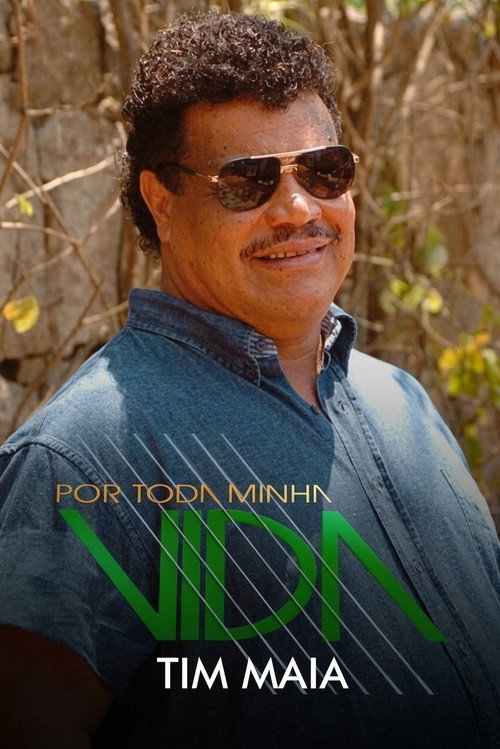
Por Toda Minha Vida - Tim Maia
2007
This special tells the story of Tim Maia from his humble childhood, when he delivered packed lunches in Tijuca, a northern Rio neighbourhood where he was born; until his death in March 1998.
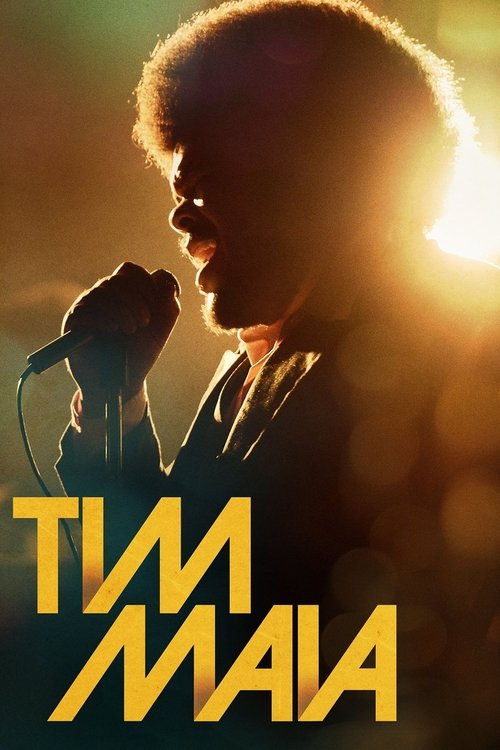
Tim Maia
2014
Biopic of Brazilian singer Tim Maia, from his childhood in Rio de Janeiro until his death at age 55, including his passage by the US, where he discovers a new style of music and is arrested for theft and drug possession.
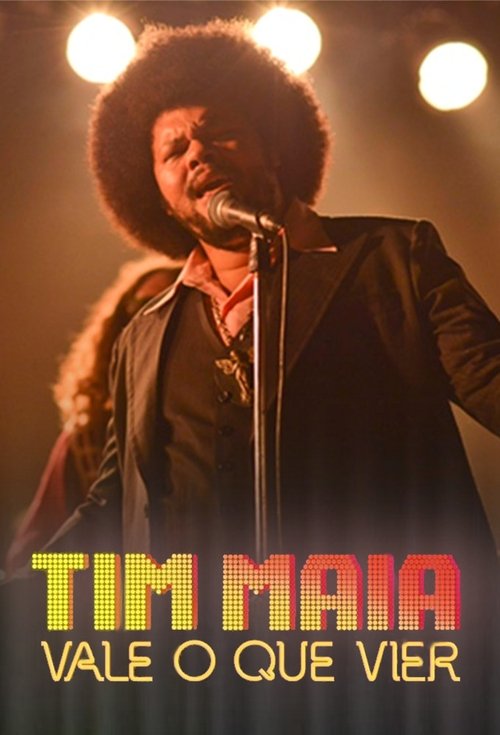
Tim Maia: Vale o Que Vier
2015
The story of Tim Maia, from his impoverished childhood to the peak of his career, detailing the singer's turbulent lifestyle and strong personality; he died in 1998.
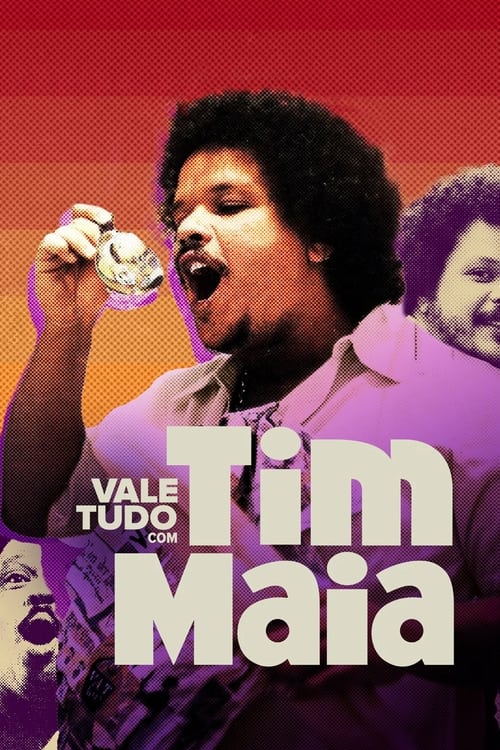
Vale Tudo com Tim Maia
2022
With never-before-seen footage, shows and rare interviews, the series bets on the irreverent way of the Brazilian music to narrate its own trajectory.
Books
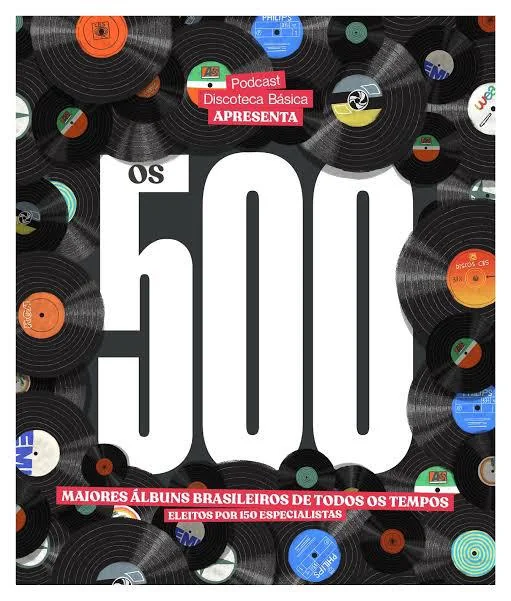
The 500 Greatest Brazilian Albums of All Time
Ricardo Alexandre · 2022
The election was spearheaded by journalist Ricardo Alexandre, creator of the Discoteca Básica podcast. Ricardo consulted 162 specialists including journalists, YouTubers, podcasters, musicians, record-shop owners and producers. The result was published as a 200-page hardcover book, with graphic design by Fernando Pires.

Vale Tudo - O Som e a Fúria de Tim Maia
Nelson Motta · 2006
Esta é a biografia mais aclamada e completa de Tim Maia, escrita pelo renomado jornalista e produtor musical Nelson Motta. Abrange toda a carreira do artista, desde suas origens até seu sucesso, e detalha os bastidores de sua vida pessoal e profissional, incluindo o período em que lançou o álbum de 1973.
Analyses
Tim Maia (1973) – Wikipedia
Wikipedia, the free encyclopaedia
"Tim Maia (1973)": Um monumento de Tim Maia. - Entre Acordes
entreacordes.blog
E o que falar daquela discografia maravilhosa praticamente perfeito de Tim Maia? Em 1973 ele lançou um dos melhores discos de sua carreira e neste ano está completando 50 anos do seu lançamento, contém simplesmente uma das músicas mais populares da música brasileira!

Taverna do Som: Tim Maia - 1973
tavernadosom.blogspot.com
Pra lembrar que ele tem, também, um inglês impecável, Tim nos trás sua voz na língua do tio sam nas músicas "New Love", "Over Again" e "Do Your Thing, Behave Yourself", sendo que esta última é, com certeza, um dos maiores destaques do disco inteiro.

Tim Maia - 1973 - Disco Info
discoinfoblog.wordpress.com
Tim Maia é um álbum de estúdio do cantor e compositor brasileiro Tim Maia. Foi lançado em 1973 e sua principal canção é "Gostava Tanto de Você", um boato dizia que a canção foi composta por Edson Trindade em homenagem à sua filha que havia falecido, porém, isso já foi desmentido, de acordo com Erasmo…
Músicas para descobrir em casa - 'A paz do meu mundo é você ... - G1
g1.globo.com
Eclipsada pelo sucessos dos dois sambas-soul que impulsionaram as vendas do álbum Tim Maia, Gostava tanto de você (Edson Trindade, 1973) e Réu confesso (Tim Maia, 1973), A paz do meu mundo é ...
Discogs

Tim Maia (1973) – Discogs
discogs.com