Tim Maia (1976)
Tim Maia
1976

Why This Album Matters
Tim Maia (1976) is the seventh studio album by the iconic Brazilian singer and songwriter Tim Maia, a landmark in his discography that solidifies his mastery of funk and soul. Released in mid-1976, the record reveals the artist's versatility and musical depth, presenting compositions that navigate between social critique and personal tribute. This work is notable for its robust sound, with arrangements that explore the essence of funk-soul, and for lyrics that address relevant themes with Tim Maia's unique perspective. It is a vibrant example of his ability to fuse Black American rhythms with Brazilian identity, creating an unmistakable sound that would become his trademark.
Context
After a period of disillusionment with the Racional Culture sect in September 1975, Tim Maia sought new artistic directions. He had planned to record an album entirely in English, to be released by his independent label, Seroma. However, after rehearsals, recordings, and the creation of the cover, the project encountered a lack of financial resources. The solution came with the offer of a recording contract from his friend Pedrinho da Luz, who had taken over as artistic director of Polydor, an imprint of the Phonogram label.
Recording
Rehearsals for the album began with the same reduced band that had participated in the recording of the English-language record earlier in the year. Over time, the group grew with the addition of more musicians, and at the suggestion of his guitarist, who admired Charles Wright & the Watts 103rd Street Rhythm Band, Tim Maia named the band Vitória Régia. Many musicians participated in rehearsals and even shows during this period, although not all of them recorded the album. Tim Maia recorded the album in a few sessions at Estúdios Phonogram, in Barra da Tijuca, Rio de Janeiro, after considering that he had a solid repertoire and a well-prepared band.
Songs
The song "Rodésia" emerges as one of the album's major highlights, addressing the African continent and its profound woes such as poverty, hunger, and the Black diaspora. With a funk-soul style, the track discusses the situation in Rhodesia, which would later become Zimbabwe, and the conflicts between rival guerrillas for control of the country after independence. This song establishes a striking contrast with "Guiné Bissau, Moçambique e Angola Racional", from his previous work. Another highlight is "Márcio Leonardo e Telmo", a funk track with a strong Stevie Wonder influence, evidenced by the prominent use of clavinet. The song is a tribute that the Rio-born artist dedicated to his two sons, revealing a more personal and affectionate side to his composition.
Legacy
Released in mid-1976, the album was made available on LP and cassette by Polydor, achieving good sales driven by the moderate radio success of the song "Rodésia". The financial return from the record was sufficient for Tim Maia to fund the release of his English-language project at the end of the same year. The album was subsequently re-released on CD in 1993 and again in 2010.
Rankings
Tracks
Credits
Arthur Verocai
Miguel Cidras
Tim Maia
Antônio Cláudio, Gastão Lamounier, Junior Mendes
Carlos Simões
Antônio Pedro Fortuna
Paulinho Batera
Reginaldo Francisco
Paulinho Guitarra
José Maurício, Paulinho Roquete
Ary Carvalhaes
Luigi Hoffer
Aldo Luiz, Jorge Vianna
Orlando Abrunhosa
Videos
Tim Maia Racional Vol 1 - Tim Maia (Review)
Rádio Guerrilha
Tim Maia - Tim Maia 1971 Album [Review]
Discomaníacos
Tim Maia - Racional ALBUM REVIEW
The Cookie Collector
"Tim Maia disco club" (Tim Maia) | SomDois | Alta Fidelidade
Alta Fidelidade
Tim Maia (1970-1973) | Caravana do Delírio | Alta Fidelidade
Alta Fidelidade
Tim Maia - Racional: o Melhor Disco com o pior Motivo - Análise do Álbum #3
Pensando Nisso.
Films

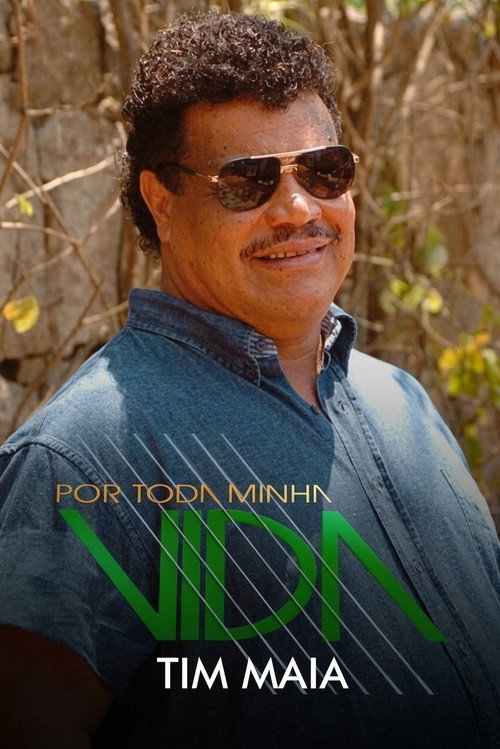
Por Toda Minha Vida - Tim Maia
2007
This special programme shows Tim Maia's story from his humble childhood, when he delivered lunchboxes in Tijuca, the northern Rio neighbourhood where he was born; until his death in March 1998.
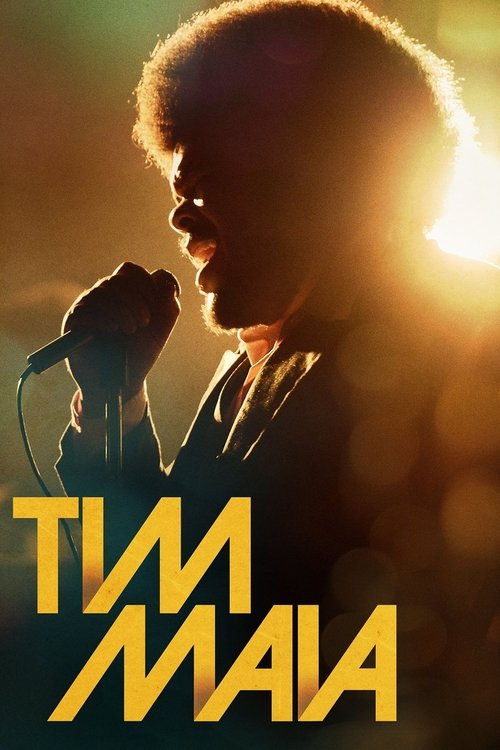
Tim Maia
2014
Biopic of Brazilian singer Tim Maia, from his childhood in Rio de Janeiro until his death at age 55, including his passage by the US, where he discovers a new style of music and is arrested for theft and drug possession.
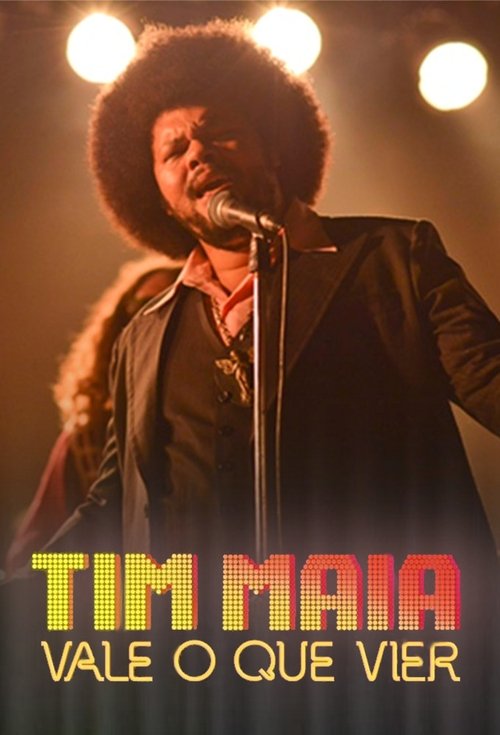
Tim Maia: Vale o Que Vier
2015
The story of Tim Maia, from his impoverished childhood to the peak of his career, detailing the singer's turbulent lifestyle and strong personality; he died in 1998.
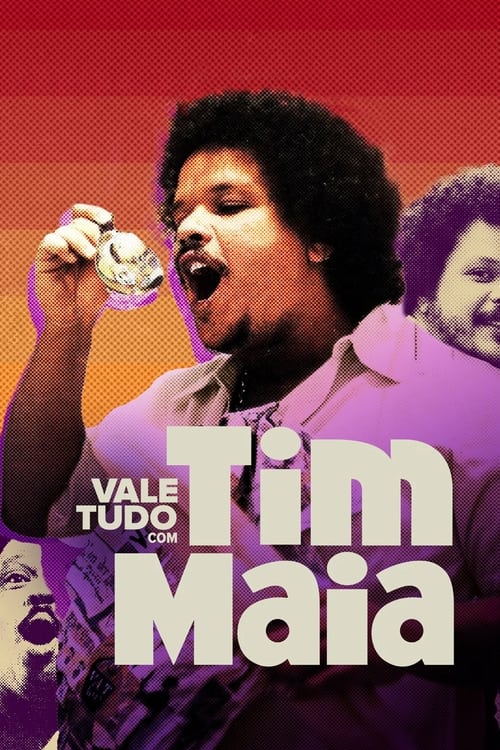
Vale Tudo com Tim Maia
2022
With never-before-seen footage, shows and rare interviews, the series bets on the irreverent way of the Brazilian music to narrate its own trajectory.
Books

Analyses
Tim Maia (1976) – Wikipedia
Wikipedia, the free encyclopaedia
Tim Maia (1976) - PEQUENOS CLÁSSICOS PERDIDOS
pequenosclassicosperdidos.com.br
Em pouco mais de 28 minutos, Tim e sua recém-batizada banda Vitória Régia cravaram um dos melhores e mais poderosos registros da poderosa música negra dos anos 70.
"Tim Maia (1976)": Mais um disco muito bom do grande Tim Maia.
entreacordes.blog
Tim Maia era um verdadeiro gênio, a maioria de seus discos são maravilhosos e sempre serão mencionados aqui no Entre Acordes. Se você não deu muita atenção à essa maravilha aqui. Recomendo que revise isso e entre na onda! Fica a nossa homenagem e recomendação, o excelente "Tim Maia" de 1976!
Tim Maia - Tim Maia (1976) | Unicentro FM
unicentrofm.com.br
Em pouco mais de 28 minutos, Tim e sua recém-batizada banda Vitória Régia cravaram um dos melhores e mais poderosos registros da poderosa música negra dos anos 70.
Discogs

Tim Maia (1976) – Discogs
discogs.com