Tim Maia Racional, Vol. 2
Tim Maia
1975

Rankings
Why This Album Matters
Tim Maia Racional, Vol. 2 is considered one of the high points of Tim Maia's prolific career, standing out for its sophisticated arrangements and the power and quality of the singer's voice. Released in early 1975, the album represents a singular period in the artist's trajectory, profoundly influenced by his conversion to the doctrine of Cultura Racional. This phase brought a distinct sound, with songs that delve deep into American soul and funk, reminiscent of names like Barry White, Marvin Gaye, and George Clinton. The lyrical theme, dedicated to propagating the sect, conferred a thematic singularity upon the work, diverging from the conventional musical production of the era.
Volume 2 is his most funk-oriented work and features an absurdly sharp band, not forgetting that the singer's powerful voice, momentarily free from drugs and alcohol, was at its peak.
Ramiro Zwersch · Rolling Stone Brasil
Context
Before Tim Maia Racional, Vol. 2, Tim Maia had received a tempting proposal from the RCA label, offering total artistic freedom to record a double album. The contract allowed him to choose repertoire, musicians, studio, and technicians, in addition to stipulating a significant sum as an advance. With this freedom, Maia began rehearsing and composing at his own music publisher, Seroma, following his usual practice before recording, while continuing to perform across the country.
Recording
The recordings took place at RCA's studios in Rio de Janeiro, between July and August 1974. Initially, Tim Maia recorded the musical bases, many of which were still without lyrics. During the process, at the end of July 1974, Tim visited his friend Tibério Gaspar and discovered the book Universo em Desencanto, from the Cultura Racional sect. This discovery led to his conversion, resulting in the alteration of existing lyrics and the creation of new ones, all praising the sect's doctrine. The RCA label, initially enthusiastic about the material, expressed concern about the new religious direction of the lyrics and the potential commercial impact. Faced with RCA's refusal to purchase the material, citing dissatisfaction with the content and fearing the reaction of the Brazilian military dictatorship, Tim Maia decided to press and distribute the album himself. He transformed his music publisher, Seroma, into a record label, outsourcing the pressing to the Tapecar factory and the printing of the covers to local print shops, releasing the album independently.
Songs
Side A of the album opens with the track "Quer Queira Quer não Queira", a partnership with Fábio, which presents a soul sound with strong African and Caribbean musical accentuation. This is followed by "Paz Interior", a samba-soul composed by Edson Trindade, with autobiographical lyrics. The third song, "O Caminho do Bem", is a slow and measured funk track, credited to Beto Cajueiro, Serginho Trombone, and Paulinho Guitarra, characterised by minimalist keyboards and wah-wah guitar, where the title is repeated like a mantra. "Energia Racional" transforms the vignette from the first album into a mantra over a danceable and repetitive musical base, and the side concludes with "Que Legal", a funky song with mambo, salsa, and rumba influences, notably in the percussion. Side B begins with "Cultura Racional", another composition by Beto Cajueiro, which was a romantic ballad converted into propaganda for the sect. "O Dever de Fazer Propaganda deste Conhecimento", by Robson Jorge, follows the same line, being a typically 1970s soul ballad. "Guiné Bissau, Moçambique e Angola Racional" returns to the African theme with an optimistic vision, interspersed with a guitar solo with a strong rock feel. The album concludes with a second version of "Imunização Racional (Que Beleza)", again with the percussion and brass reminiscent of African tones.
Legacy
At the time of its release, Tim Maia Racional, Vol. 2 was largely ignored by specialist critics and registered unimpressive sales, largely due to the low commercial appeal of the lyrics devoted to the Cultura Racional sect and the semi-amateur distribution by the artist's independent label. Even with Tim Maia's attempts to erase the record from popular memory, destroying copies and prohibiting re-releases, the album developed a notable cult status over the years. Original vinyls became rare and expensive collector's items. From the 1990s onwards, with the resurgence of 1970s Brazilian black music, demand for re-releases grew, which only occurred after the artist's death. In 2019, the album was made available on streaming services. Despite Tim Maia's own displeasure and the lukewarm initial reception, the album is today considered one of the best moments of his career, praised for its sound quality that evokes names in American soul and funk. In 2007, Rolling Stone Brasil magazine recognised its importance, listing it as the 49th best Brazilian album of all time. The track "O Caminho do Bem" was even included in the soundtrack of the film Cidade de Deus.
Tracks
Videos
Tim Maia Racional Vol 1 - Tim Maia (Review)
Rádio Guerrilha
"Racional, Vol. 1" - Tim Maia | Os melhores discos da MPB nos anos 70 | Alta Fidelidade
Alta Fidelidade
Tim Maia - Racional ALBUM REVIEW
The Cookie Collector
Tim Maia - Racional: o Melhor Disco com o pior Motivo - Análise do Álbum #3
Pensando Nisso.
Films

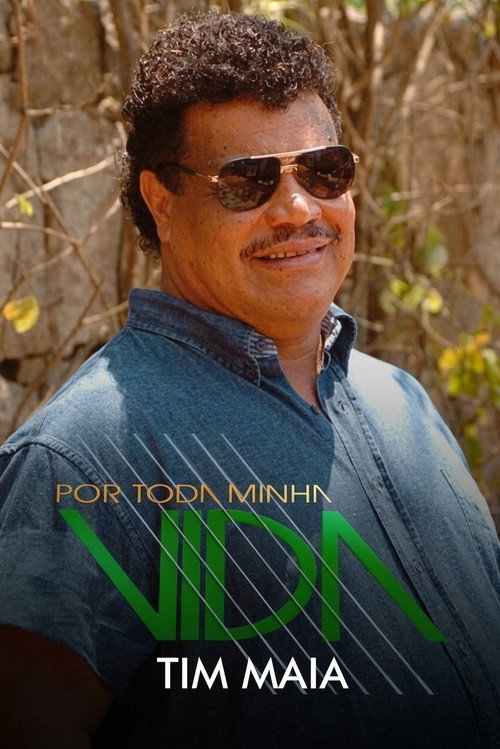
Por Toda Minha Vida - Tim Maia
2007
This special shows the story of Tim Maia from his humble childhood, when he delivered lunchboxes in Tijuca, the northern Rio neighbourhood where he was born; until his death in March 1998.
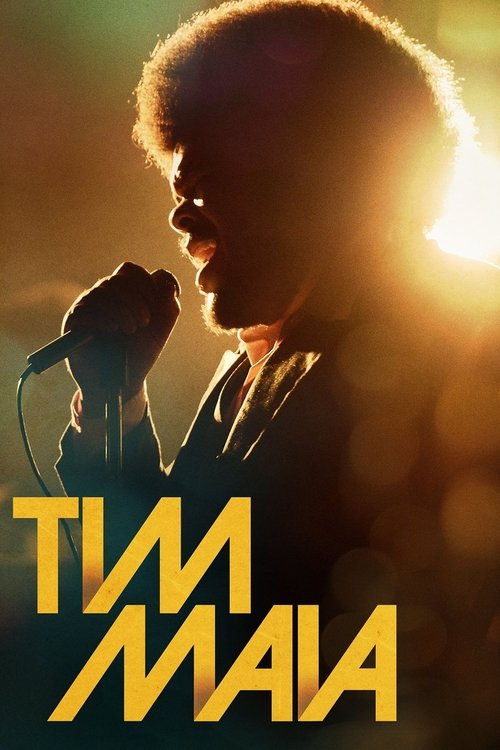
Tim Maia
2014
Biopic of Brazilian singer Tim Maia, from his childhood in Rio de Janeiro until his death at age 55, including his passage by the US, where he discovers a new style of music and is arrested for theft and drug possession.
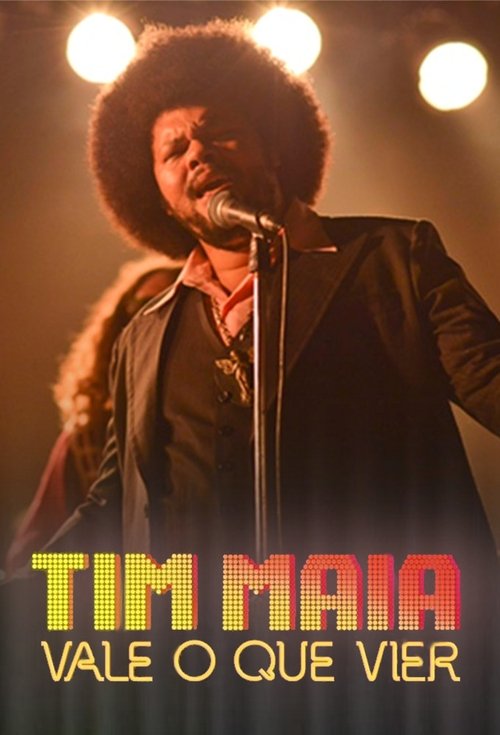
Tim Maia: Vale o Que Vier
2015
The story of Tim Maia, from his impoverished childhood to the peak of his career, detailing the singer's turbulent lifestyle and strong personality; he died in 1998.
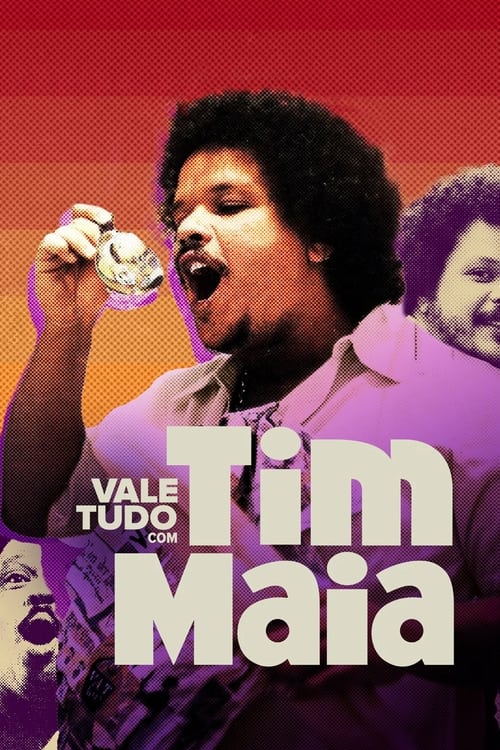
Vale Tudo com Tim Maia
2022
With never-before-seen footage, shows and rare interviews, the series bets on the irreverent way of the Brazilian music to narrate its own trajectory.
Books
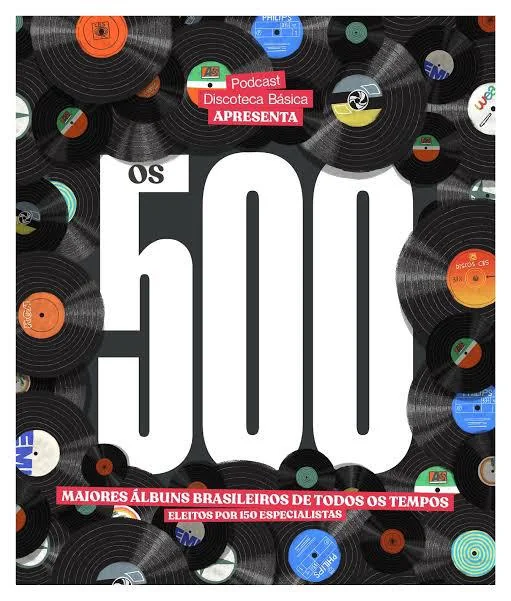
Os 500 Maiores Álbuns Brasileiros de Todos os Tempos
Ricardo Alexandre · 2022
The largest Brazilian music election ever conducted: 162 specialists, spanning journalists, critics, musicians, producers and podcasters, each nominated 50 essential albums, supported by a masterlist of more than 2,000 works. Led by Ricardo Alexandre with tabulation by Sérgio Jomori, it was published in December 2022 as a 200-page hardcover book with graphic design by Fernando Pires.

Tim Maia's Tim Maia Racional Vols. 1 & 2
Allen Thayer · 2018
This book explores Tim Maia's career and, specifically, the period when he joined a radical, extraterrestrial-obsessed cult, creating the albums 'Tim Maia Racional Vols. 1 & 2', considered some of the best funk and soul albums in Brazil and worldwide. It analyses the artist's 'Racional' phase in depth.

Vale Tudo - O Som e a Fúria de Tim Maia
Nelson Motta · 2006
Considered the definitive biography of Tim Maia, written by Nelson Motta, a long-standing friend and collaborator of the artist. The book recounts Tim Maia's complete trajectory, from his origins to success and controversies, dedicating significant attention to his Racional phase and the albums released during that period.
Analyses
Tim Maia Racional, Vol. 2 – Wikipedia
Wikipedia, the free encyclopaedia
Tim Maia Racional, Vol. 2 – The 100 Greatest Albums of Brazilian Music
Ramiro Zwersch · Rolling Stone Brasil
Volume 2 is his most funk-oriented work and features an absurdly sharp band, not forgetting that the singer's powerful voice, momentarily free from drugs and alcohol, was at its peak.
TIM MAIA-RACIONAL VOLUME 2. | dereksmusicblog
dereksmusicblog.com
Tim Maia-Racional Volume 2. Label: Seroma. Format: LP. By 1975, Tim Maia was a changed man and had turned his back on the rock 'n' roll lifestyle that he had embraced and enjoyed since releasing his eponymous debut album in 1970. Back then, the charismatic Brazilian singer realised that he was only here for a visit and decided to live life to the fullest. He…
Análise: Da raridade ao auge vocal, como 'Tim Maia Racional' se tornou ...
oglobo.globo.com
Thus began the journey of "Tim Maia Racional", an album in two volumes (released in 1975 and 1976) which will return to LP format starting in March, in a project by Três Selos Rocinante (a volume 3 ...
#89 - Tim Maia - Tim Maia Racional Vol. 2 (1975) - Ranking dos (meus ...
pressenza.com
The two volumes of Tim Maia Racional released at the time were ignored by critics and distributed completely independently; decades later, they became expensive collector's items, not only for their rarity and concept, but especially for the music they contain.