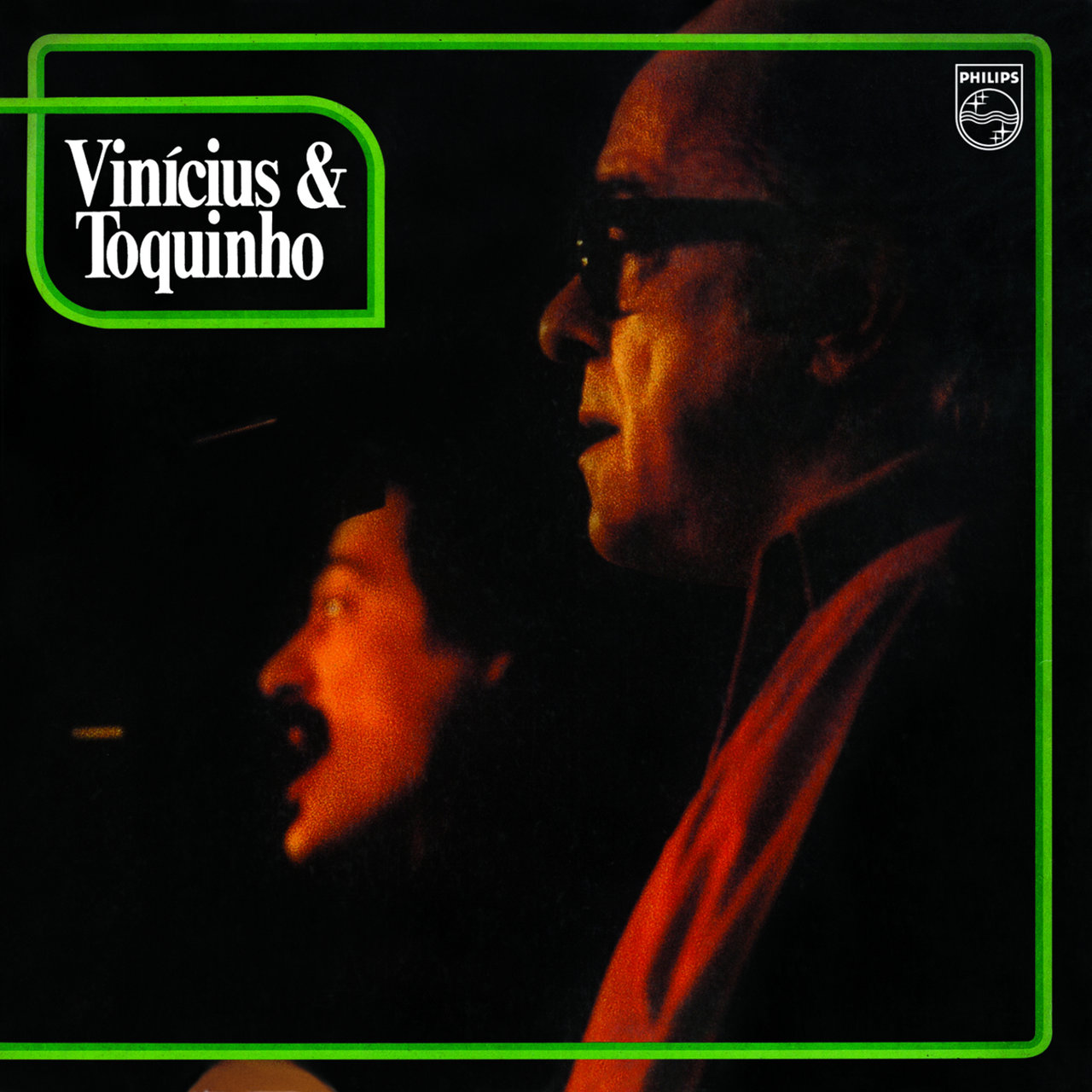
Vinícius & Toquinho
Toquinho e Vinícius
1974
Rankings
Why This Album Matters
The album Toquinho e Vinícius, released in 1971, represents a fundamental landmark in Brazilian popular music, consolidating the partnership that would become one of MPB's most prolific and beloved. This inaugural studio work by the duo captured the essence of an artistic union that blended Vinicius de Moraes' sophisticated and existential lyrics with Toquinho's melodic virtuosity and guitar sensibility. The album not only presented the public with a characteristic sound, transitioning between bossa nova, samba, and Brazilian instrumental elements, but also reinforced Vinicius' ability to reinvent himself and find new musical paths. Through songs that became classics, the album set the tone for a decade of intense collaboration, defining a style that was, at once, intimate and comprehensive. The chemistry between the two artists, a mature poet and a young guitarist, resulted in a repertoire that celebrates love, life, the beauties of Brazil, and the complexities of the human soul. Its relevance lies in how the work solidified a unique musical language that resonated deeply with the public and influenced generations of artists.
Context
The partnership between Vinicius de Moraes and Toquinho began around 1969 and 1970, during a period of intense and fruitful musical experimentation for 'Poetinha', who had already established legendary collaborations with names like Tom Jobim and Baden Powell. After a rich trajectory as a diplomat, poet, and composer, Vinicius was compulsorily retired by AI-5 in 1968, which led him to dedicate himself entirely to artistic life and the stage. It was in this context that Toquinho, then a 22-year-old young guitarist and pupil of Paulinho Nogueira, met Vinicius. The exchange was mutual: Toquinho offered the vigour of youth and new compositions, while Vinicius conveyed his vast 'poet's life know-how' and the depth of his work. The duo successfully debuted in shows in Argentina, such as the iconic "En la Fusa com Maria Creuza e Toquinho" (1970), which demonstrated the strength of their live performance and paved the way for the recording of this first studio album, which would eternalise the sound they had developed on stage.
Recording
The 1971 album Toquinho e Vinícius was conceived to capture the essence of the musical symbiosis that the duo already presented in their acclaimed live performances. Released by the RGE record label, the work sought to translate the spontaneity and intimacy of Vinicius and Toquinho's encounters into the studio environment. The album's arrangements were credited to José Briamonte, who managed to enhance the delicacy of Toquinho's guitar and the expressiveness of Vinicius' vocal interpretation. The album's production reflected the search for a clean and direct sound, where poetry and melody could complement each other without excesses, valuing Toquinho's mastery on the strings and Vinicius' unmistakable spoken and sung voice, elements that would become hallmarks of the partnership.
Songs
The repertoire of the 1971 album Toquinho e Vinícius is a collection of gems that encompass various facets of the duo's creativity. Among the standout tracks are the nostalgic "Testamento", the reflective "O Poeta Aprendiz", and the captivating "Morena Flor", which exemplify Vinicius' poetry allied with Toquinho's melody. Songs like "Essa Menina" and "Sei Lá (A Vida Tem Sempre Razão)" also illustrate the duo's ability to explore themes such as love and the wisdom of life with lightness and depth. The presence of "O Velho e a Flor" and "O Canto de Oxum" adds a layer of lyricism and a touch of Brazilian character to the compositions, with references to nature and Afro-Brazilian culture. The way Vinicius recites and sings, often with a colloquial and confessional tone, together with Toquinho's precise and inventive guitar playing, creates a singular atmosphere in each song, making this album an authentic representation of the fusion of their talents.
Legacy
The 1971 album Toquinho e Vinícius not only sealed one of the most important partnerships in MPB, but also generated a lasting legacy. Considered a classic, the album was the first in a series of works that, over 11 years, would yield more than 20 LPs and hundreds of songs, cementing the duo in the pantheon of Brazilian music. Its reception was widely positive, establishing the unmistakable style that blended Vinicius' poetic erudition with Toquinho's musical modernity. The influence of the album and the partnership as a whole is undeniable, helping to popularise both bossa nova and samba globally and inspiring subsequent generations of artists. The songs contained on the album, and those that followed, became part of Brazil's cultural fabric, celebrated for their beauty, poetry, and emotional depth, confirming Toquinho e Vinicius as a "definitive artistic team" that transcended their time and genre.
Tracks
Credits
Edu Lobo, Francis Hime, José Roberto Bertrami
Paulinho Tapajós
Joaquim Figueira
Luigi Hoffer, Orlando Costa
Lobianco
Andre Midani