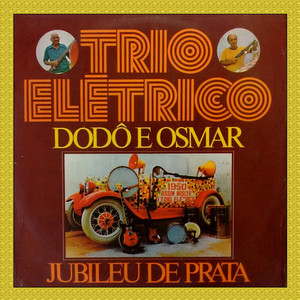
Jubileu de Prata
Trio Elétrico Dodô e Osmar
1975
Rankings
Why This Album Matters
Jubileu de Prata, released in 1975 by Trio Elétrico Dodô e Osmar, is not merely a musical album, but a historical and cultural landmark celebrating 25 years since the invention of the trio elétrico, one of the greatest icons of Bahian Carnival and Brazilian popular music. This record encapsulates the vibrant and innovative essence that Dodô and Osmar brought to the streets of Salvador, popularising a form of revelry that would forever transform the carnival experience. It is an ode to electrified frevo and the contagious joy that the guitarra baiana, created by the duo, provides. The album represents the consolidation of a sound that is the very soundtrack of the Momesque festival, characterised by the fusion of Northeastern rhythms with electrical amplification, creating a unique and irresistible sound that moves crowds. Its tracks are an invitation to dance and celebration, reaffirming the fundamental role of the trio elétrico as a platform for the democratisation of music and street festivities.
Context
The history of Dodô (Adolfo Nascimento) and Osmar (Osmar Macedo) dates back to 1938, when they met on a radio programme. For a decade, the two musicians and technicians dedicated themselves to researching how to amplify the sound of string instruments without feedback. Around 1942, they developed the 'pau elétrico', considered Brazil's first electric guitar. In 1950, the duo set out in a 1929 Ford, nicknamed Fobica, playing their adapted instruments, inspired by a frevo orchestra from Recife. The following year, with the inclusion of Temístocles Aragão, the Trio Elétrico was born, and in 1952, with sponsorship from Fratelli Vita, it adopted the format that would become iconic at Salvador Carnival. The album Jubileu de Prata, released in 1975, marked the duo's return to Bahian carnival with a new line-up, 'Trio Elétrico Armandinho, Dodô e Osmar', incorporating Osmar's sons (Armandinho, Betinho, Aroldo, and André) and featuring Moraes Moreira as the Trio's first official vocalist.
Recording
The phonographic production of Jubileu de Prata was carried out by Phonodisc, with Moraes as artistic director and Armandinho Macêdo as musical director. The arrangements were handled by Osmar, Armandinho, and Aroldo Macêdo, while the trio's direction was by Dodô and Osmar. Sound engineering relied on the expertise of technicians Orlando Costa and Norival Reis. The instrumentation featured Armandinho and Osmar on guitars, Betinho on bass, Aroldo on snare drum, and André and Gerônimo on surdões, with Jorge da Hora on cymbals and Dadá on surdinho, completing the rich rhythmic tapestry that is the hallmark of the trio elétrico.
Songs
The album Jubileu de Prata presents a selection of 12 vibrant tracks that celebrate the carnival spirit and musical innovation of the trio elétrico. The title track, 'Jubileu de Prata', composed by Dodô e Osmar, is an explicit homage to the trio's 25 years of existence, highlighting the cultural impact and joy it brought to Carnival. Other prominent songs include 'Frevo do Trio Elétrico' (Dodô e Osmar) and the instrumental 'Double Morse' (Dodô e Osmar). The album also features two extensive pot-pourris that blend Brazilian popular music classics with the energy of frevo, such as 'Pout Pourri Desafilho', which incorporates 'Asa Branca', 'Luar do Sertão', and 'Rapsódia Húngara', and 'Pout Pourri Arrasta o Pé', which includes 'Hora Stacatto', 'Marcha Turca', and 'Czardas'. Moraes Moreira's compositions, such as 'Vou Tirar de Letra' and 'A Dança da Multidão', also enrich the repertoire.
Legacy
Jubileu de Prata is recognised as the first LP by Trio Elétrico Dodô e Osmar, solidifying its position in Brazilian discography. The album not only celebrated the 25-year milestone of the trio elétrico, but also marked the debut of Armandinho, Osmar's son, and Moraes Moreira as the group's first vocalist, influencing future generations of Bahian artists. The repercussion of Dodô e Osmar's work, and by extension this album, is immeasurable, being fundamental to the development of a 'school' that enabled artists such as Daniela Mercury, Ivete Sangalo, and Carlinhos Brown to achieve global prominence. The duo's importance is so great that there is the 'Troféu Dodô e Osmar', the most relevant award of Salvador Carnival, crowning the highlights of the festivities. Although specific sales figures and awards for the album itself are not widely publicised, its cultural relevance is undeniable, considered an indispensable item for collectors and aficionados of Brazilian music. The very existence of the song 'Jubileu de Ouro', composed by Moraes Moreira and Armandinho in 2000 in allusion to this record, demonstrates the lasting impact of Jubileu de Prata.
Tracks
Credits
Osmar Macêdo
Dodô, Osmar Macêdo
Moraes Moreira
Moraes Moreira
Dodô
Betinho Macêdo
Armandinho, Aroldo Macedo, Osmar Macêdo
Norival Reis, Orlando Costa
Ramalho Neto
Books
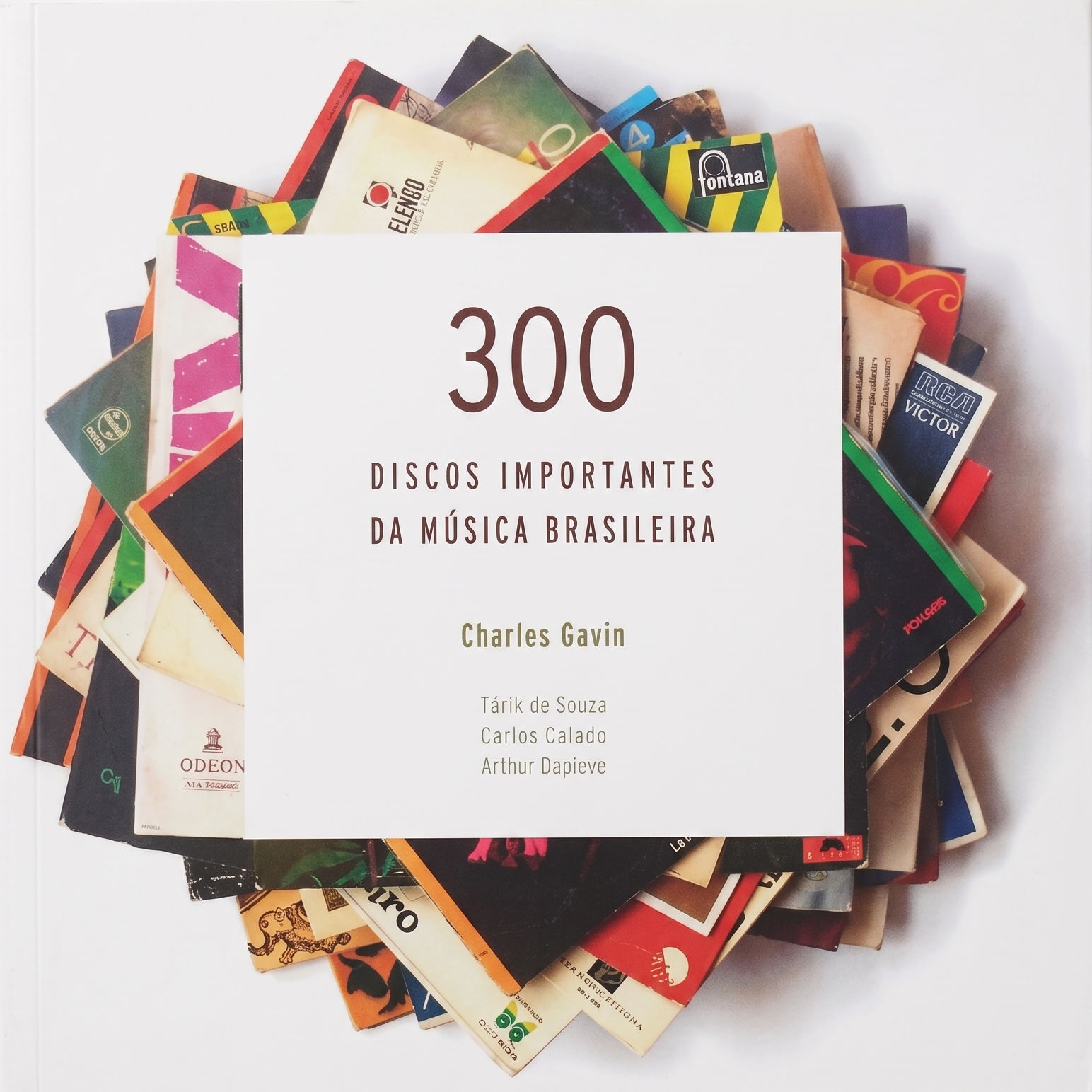
300 Discos Importantes da Música Brasileira
Charles Gavin, Tárik de Souza, Carlos Calado, Arthur Dapieve · 2008
Conceived by Titãs drummer and musical researcher Charles Gavin, the 434-page book brings together covers and reviews of albums released between 1929 and 2007. The texts were written by journalists Tárik de Souza, Arthur Dapieve and Carlos Calado.
50 Anos Do Trio Elétrico
Fred de Góes · 2000
This book celebrates the 50th anniversary of Trio Elétrico, a musical and cultural phenomenon that originated with Dodô and Osmar. It is highly likely to explore the history and impact of Trio Elétrico's creators, covering the period when the album "Jubileu de Prata" (1975) was released, which marked the movement's 25th anniversary and is directly related to Dodô and Osmar's pioneering trajectory.
Analyses
Jubileu de Prata | Armandinho E O Trio Elétrico Dodô & Osmar
armandinho-trio-eletrico-dodo-osmarss.bandcamp.com
Alright, let's talk about Jubileu de Prata by Armandinho e O Trio Elétrico Dodô & Osmar, with Moraes Moreira on vocals. First off, this isn't just some random 70s Brazilian album - it's a live wire of carnival energy, a time capsule from 1975 (though recorded in '74) that still crackles.
A história do Trio Elétrico no Brasil através de canções
esquinamusical.com.br
In 2000, Moraes Moreira composed the song "Jubileu de Ouro" with Armandinho, son of Osmar Macedo, which alluded to the first album by "Trio Elétrico Dodô e Osmar", "Jubileu de Prata", and honoured the Trio's 50th anniversary.