Sambistas de Bossa e Sambas de Breque
Vários
1977

Rankings
Why This Album Matters
Sambistas de Bossa e Sambas de Breque, released in 1977, is an essential album that celebrates two crucial and interconnected strands of Brazilian samba, bringing together great names who shaped these styles. The record highlights the mastery of samba de breque, characterised by its sudden stops and spoken interventions, often laden with humour and the typical 'malandragem' (roguish charm) of Rio. Alongside it, it presents the 'bossa' of the 'sambistas', which, in its essence, refers to a softer, more syncopated way of interpreting samba, which would go on to influence Bossa Nova. This compilation, with 16 carefully selected tracks, offers a rich panorama of the genius of artists who mastered the art of storytelling and improvisation, lending a unique dynamic to their interpretations. The album serves as a portal for understanding how samba adapted and reinvented itself, maintaining its popular soul and its ability to engage with the nuances of urban life and Brazilian culture. It is a gem for aficionados of Música Popular Brasileira (MPB), presenting the fusion of rhythmic and narrative elements that are the hallmark of these samba subgenres. The gathering of talents on this record underscores the importance of a period when creativity and expressiveness were pillars of musical production, offering an auditory experience that moves between contagious rhythm and engaging narratives.
Context
The album was released in 1977, a period when Brazil was living under a military dictatorship, which began in 1964. Although MPB was the stage for various protest songs and a 'university generation' of composers in the 60s and 70s, samba, in its diverse forms, continued to be a vital force in Brazilian popular culture, often as an expression of identity and cultural resistance. The 'golden age of radio' (1930-1960) had already consolidated many of the 'sambistas' featured in the compilation, who were associated with the universe of Rio 'malandragem' and the 'morro' (hillside favelas). The artists who comprise this compilation were already established figures in the Brazilian music scene long before the album's release. Names such as Moreira da Silva, who popularised samba de breque in the late 1930s, and Luiz Barbosa, recognised for introducing the intervals that characterise the genre, already had consolidated careers and were samba icons. Geraldo Pereira, in turn, was a master of syncopated samba, a style which, like samba de breque, directly influenced Bossa Nova, which would emerge later.
Recording
The 1977 album Sambistas de Bossa e Sambas de Breque is a compilation that brings together 16 phonograms originally recorded by the RCA record label. These recordings were subsequently "treated and reprocessed for stereo". Although the specific details of the studio or the technicians responsible for this reprocessing in 1977 are not widely publicised, the final result is described as "very good", which suggests careful work in remastering the original materials for a more contemporary format. The practice of compiling and reprocessing old recordings was common at the time, allowing classics to be rediscovered by new generations of listeners with improved sound quality.
Songs
The tracks selected for Sambistas de Bossa e Sambas de Breque are a testament to the lyrical and rhythmic richness of these samba subgenres. Samba de breque, as in songs popularised by Moreira da Silva, stands out for the performer's ability to insert dramatic pauses for spoken comments, creating narratives that explore daily life, 'malandragem', and humour, often with a touch of irony. Classic examples of this style include the interpretation of characters and stories in the samba plots, such as Moreira da Silva's "Kid Morengueira". Artists like Ciro Monteiro and Geraldo Pereira also contribute syncopated sambas, in which intricate rhythm and innovative rhythmic divisions intertwine with captivating melodies and lyrics that describe the life and loves of Rio de Janeiro. The inclusion of sambas like Ciro Monteiro's "Você Está Sumindo" and Jorge Veiga's "O Guarda e o Motorista" illustrates the thematic diversity and vocal performance that transitions between singing and declamation, defining characteristics of the record. These compositions are often true musical chronicles, with colloquial language and strong popular appeal, revealing the talent of these 'sambistas' in capturing the essence of Rio's culture.
Legacy
Sambistas de Bossa e Sambas de Breque is recognised as an important historical record, not only for its selection of heavyweight artists, but for preserving and presenting to the public the legacy of styles fundamental to Brazilian music. The compilation consolidated the memory of names such as Moreira da Silva, the "Último dos Malandros" (Last of the Rogues), who became an icon of samba de breque, and Luiz Barbosa, one of the genre's pioneers. The album allows new generations to understand the transition and influences that led to the development of other movements, such as Bossa Nova, which has roots in syncopated samba and the 'sambistas de bossa'. Although there are no specific sales figures or awards for this compilation, its continued availability on platforms and in second-hand record markets, such as vinyl, demonstrates its lasting value and the demand for this repertoire. The album is frequently cited in discussions about the history of samba and MPB, serving as a reference for the study and appreciation of these genres, and its influence extends to inspiring the recording of other compilations and the rediscovery of these samba masters by contemporary artists.
Tracks
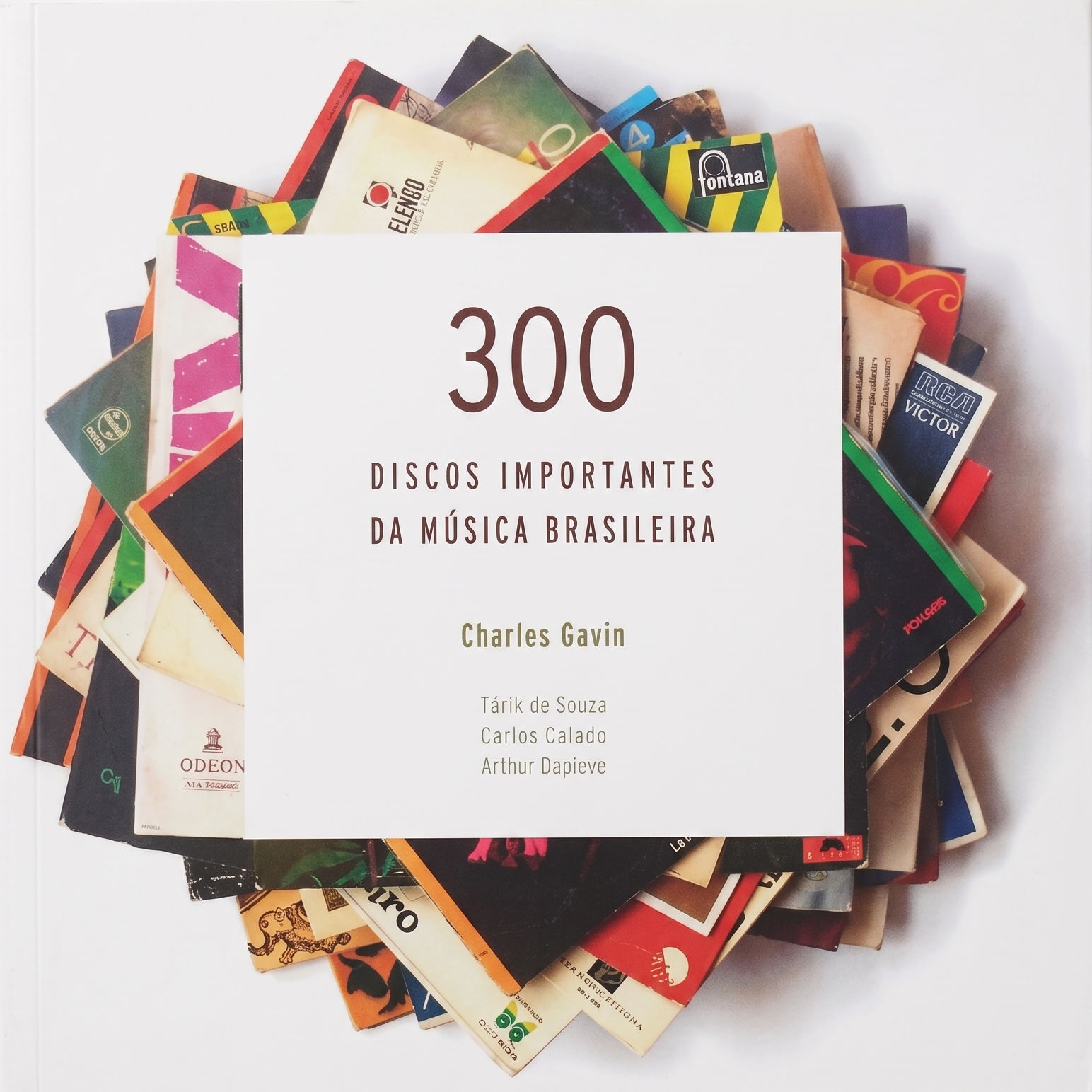
Books
Analyses
Disco De Vinil - Vários Sambistas De Bossa & Sambas De
coisaantigaleiloes.com.br
VINYL RECORD - VARIOUS SAMBISTAS DE BOSSA & SAMBAS DE BREQUE 1977 (NATIONAL EDITION)
Vários - Levanta A Poeira (1977) | Toque Musical
toque-musicall.com
What's more, today's record is an interesting compilation, featuring some tracks worth revisiting. "Levanta a poeira" was released in 1977; it's one of those 'mixed bag' compilations where the record label gathers a bit of everything that's successful and turns it into a hodgepodge.