Ramilonga - A Estética do Frio
Vitor Ramil
1997

Rankings
Why This Album Matters
Ramilonga - A Estética do Frio, the fifth album by singer, composer, and writer Vitor Ramil, represents a watershed moment in his artistic trajectory. In this work, Ramil establishes an innovative concept: the "seven cities of milonga", which comprise Rigour, Depth, Clarity, Conciseness, Purity, Lightness, and Melancholy, elements that permeate the sound and lyrics of the eleven "ramilongas" featured. This album stands out for its profound reflection on the identity of Southern Brazil, challenging gauchismo stereotypes and proposing a sophisticated and gentle expressiveness, in contrast to the region's traditionally strong singing style. The album's originality lies not only in its poetics, which blends the rural gaucho dialect with urban colloquial speech, but also in its instrumentation. Vitor Ramil dared to replace conventional instruments with Indian and African sonic elements, an unprecedented fusion for the genre. This audacious conception and the incisiveness of his ideas position Ramilonga - A Estética do Frio as a groundbreaking moment in the artist's career, redefining his musical and poetic language.
Songs
The eleven songs, or "ramilongas", that make up the album are a deep dive into the regional gaucho imaginary, where poetry meets melody in a unique way. All tracks are compositions by Vitor Ramil, with notable co-writing contributions, enriching the repertoire with diverse lyrical perspectives. Among the collaborations, partnerships with Fernando Pessoa on "Noite de São João", with João da Cunha Vargas on "Gaudério", "Deixando o Pago" and "Último Pedido", with João Simões Lopes Neto on "No Manantial", and with Juca Ruivo on "Memória dos Bardos das Ramadas" stand out. There is also a collaboration with a poem from Uruguayan folklore on the track "Milonga", which reinforces the transboundary connection of the rhythm. The title track, "Milonga de Sete Cidades (A Estética do Frio)", encapsulates the conceptual spirit of the work.
Tracks
Credits
Vitor Ramil
Vitor Ramil
Satolep Music
Sérgio Murilo
Luiz Rodrigues
Marcio Carneiro, Marcito Vianna, Neno Duarte, Rogério Jesus
Alex Northfleet, Flavio Mario
Andrea Bezerra, Felipe Taborda
BK Produções
Branca Ramil
Felipe Taborda, Rodrigo Lopes
Podcasts
Olá, eu sou Bruna Paulin e este é o podcast A História do Disco. Todo disco tem uma história. Ou mais. E por aqui você vai poder conferir tanto histórias e curiosidades sobre a produção de álbuns de diversos estilos e momentos da história da música como também como esses discos fazem parte das nossas vidas. Seja muito bem vinda e bem vindo: esse programa é para todo mundo que é apaixonado por mús
Books
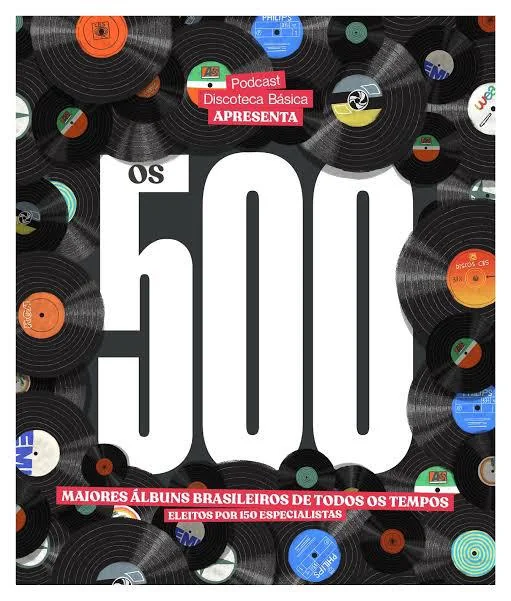
Os 500 Maiores Álbuns Brasileiros de Todos os Tempos
Ricardo Alexandre · 2022
The largest Brazilian music election ever conducted: 162 specialists, spanning journalists, critics, musicians, producers and podcasters, each nominated 50 essential albums, supported by a masterlist of more than 2,000 works. Led by Ricardo Alexandre with tabulation by Sérgio Jomori, it was published in December 2022 as a 200-page hardcover book with graphic design by Fernando Pires.
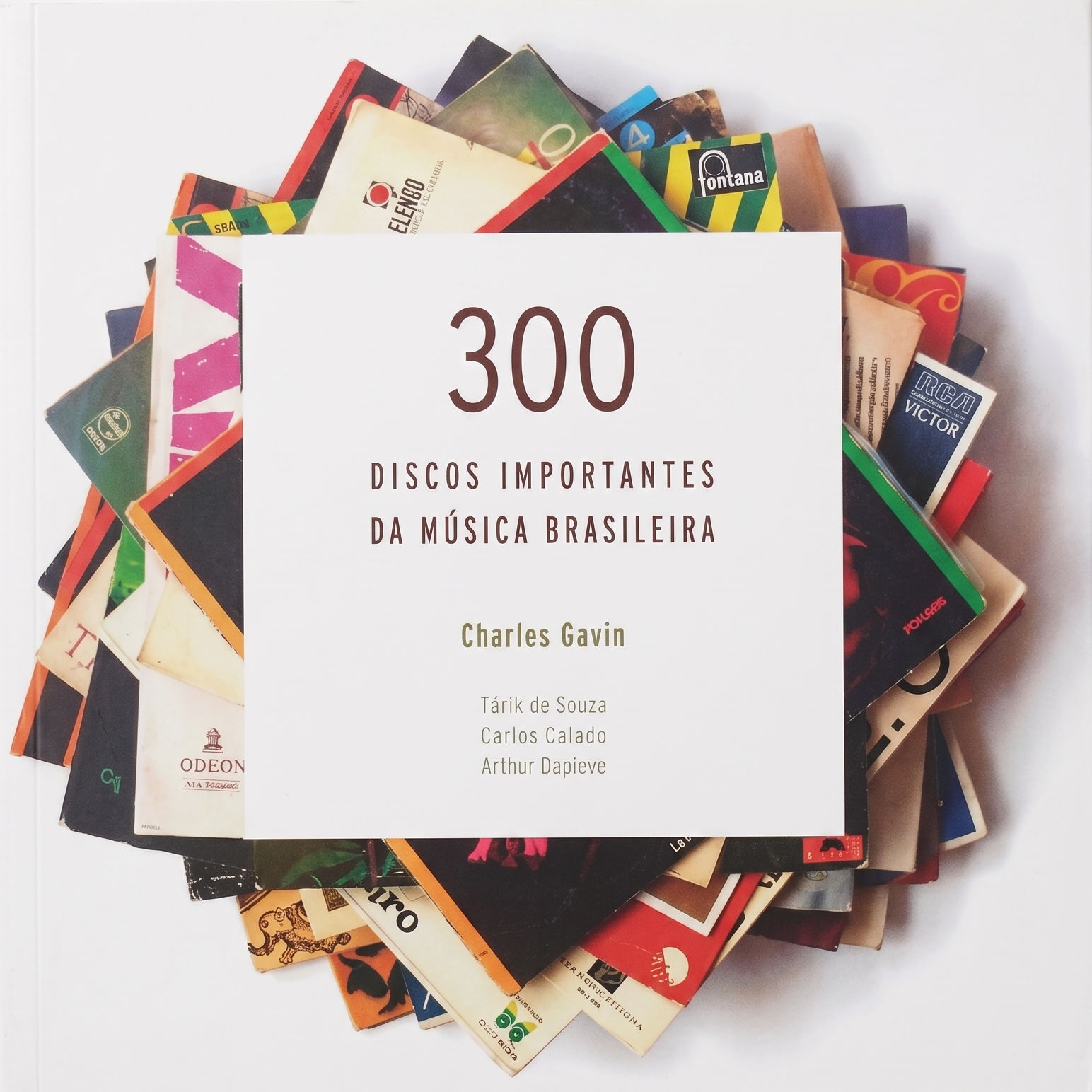
300 Discos Importantes da Música Brasileira
Charles Gavin, Tárik de Souza, Carlos Calado, Arthur Dapieve · 2008
Conceived by Titãs drummer and musical researcher Charles Gavin, the 434-page book brings together covers and reviews of albums released between 1929 and 2007. The texts were written by journalists Tárik de Souza, Arthur Dapieve and Carlos Calado.
Analyses
Ramilonga - A Estética do Frio – Wikipedia
Wikipedia, the free encyclopaedia
O Pampa Brasileiro: Clima, Sentimentos E Música Para Compreender Uma ...
periodicos.ufmg.br
Thus, we delve into the music of Brazilian composer Vitor Ramil to comprehend the geographical characteristics that are evident in the lyrics and melodies of the eleven songs that make up the album Ramilonga - A estética do frio (1997).